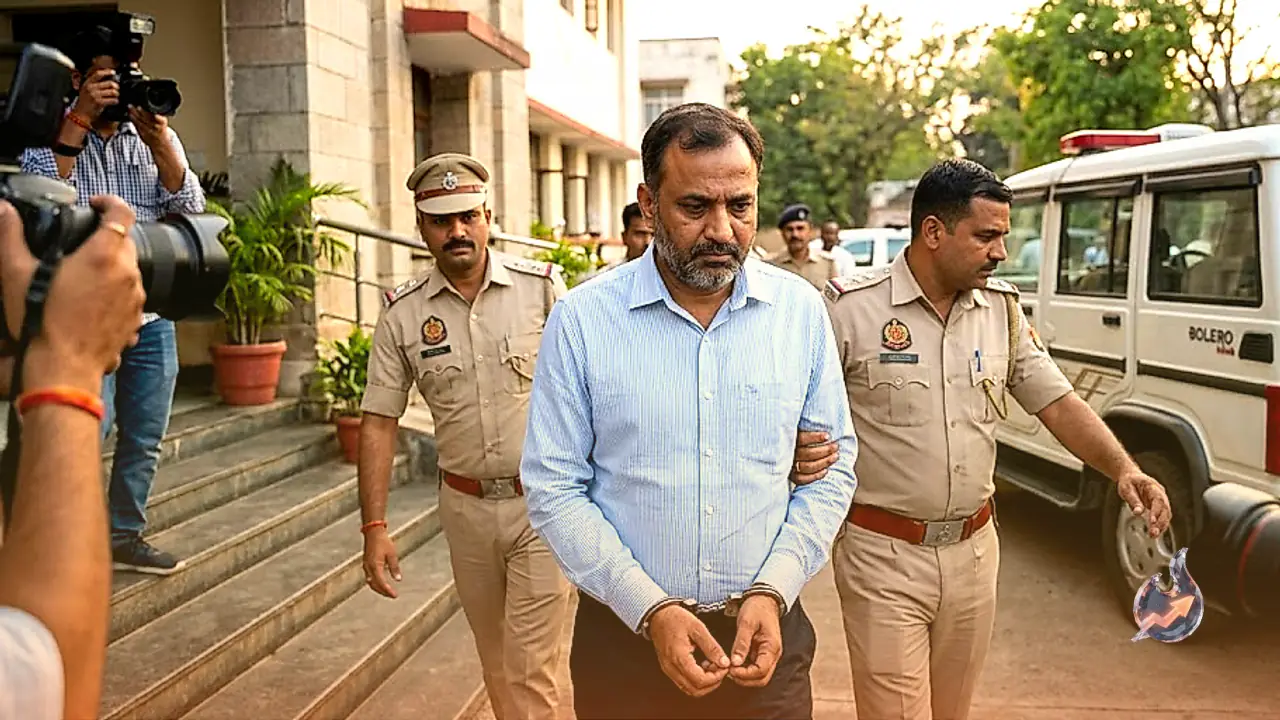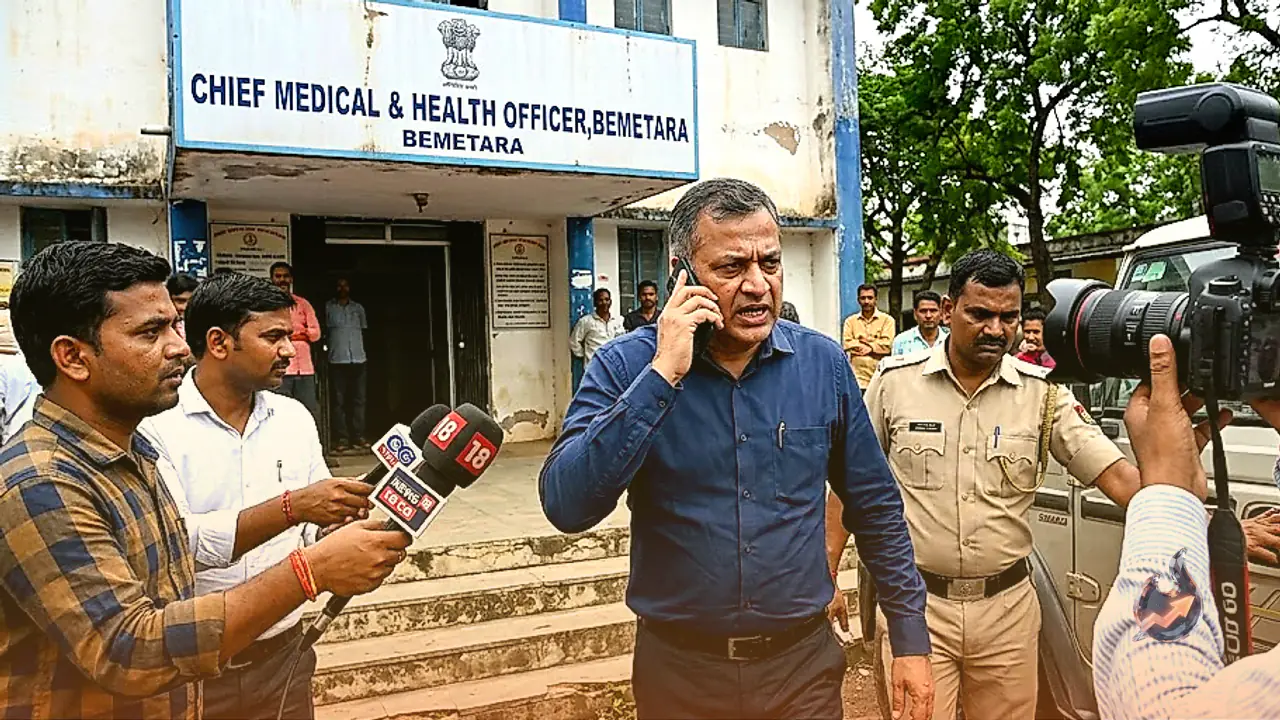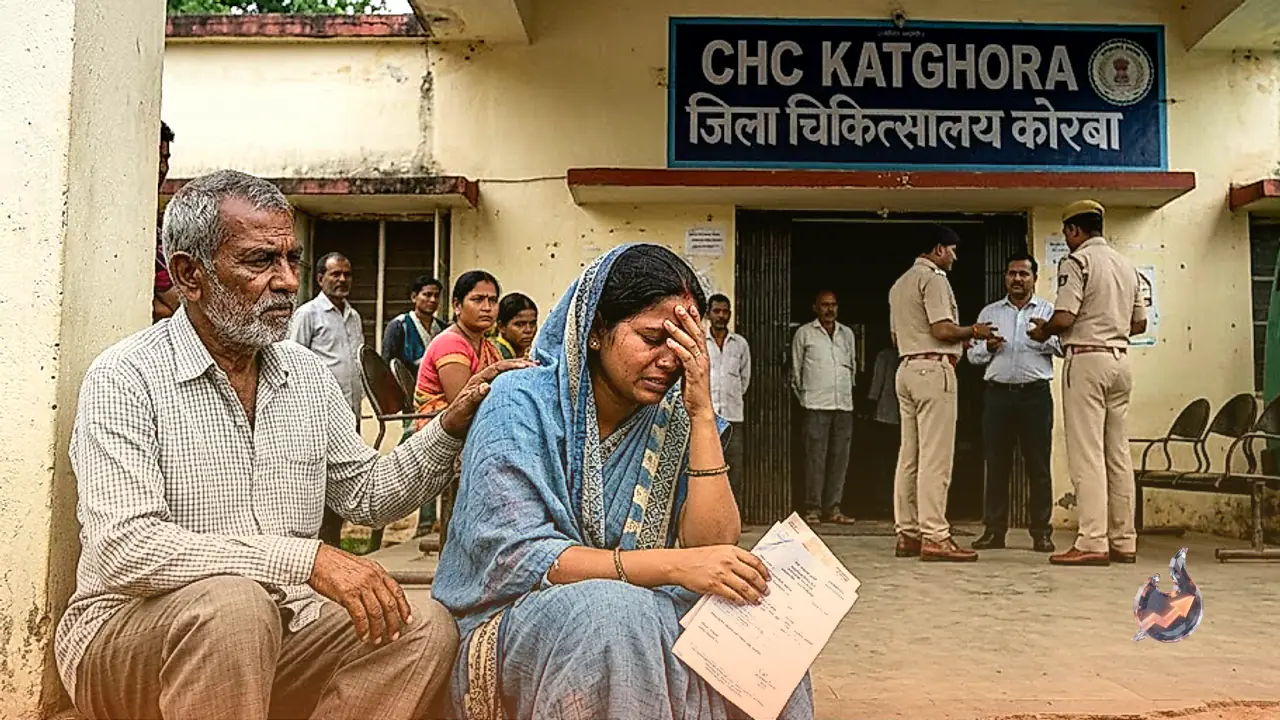
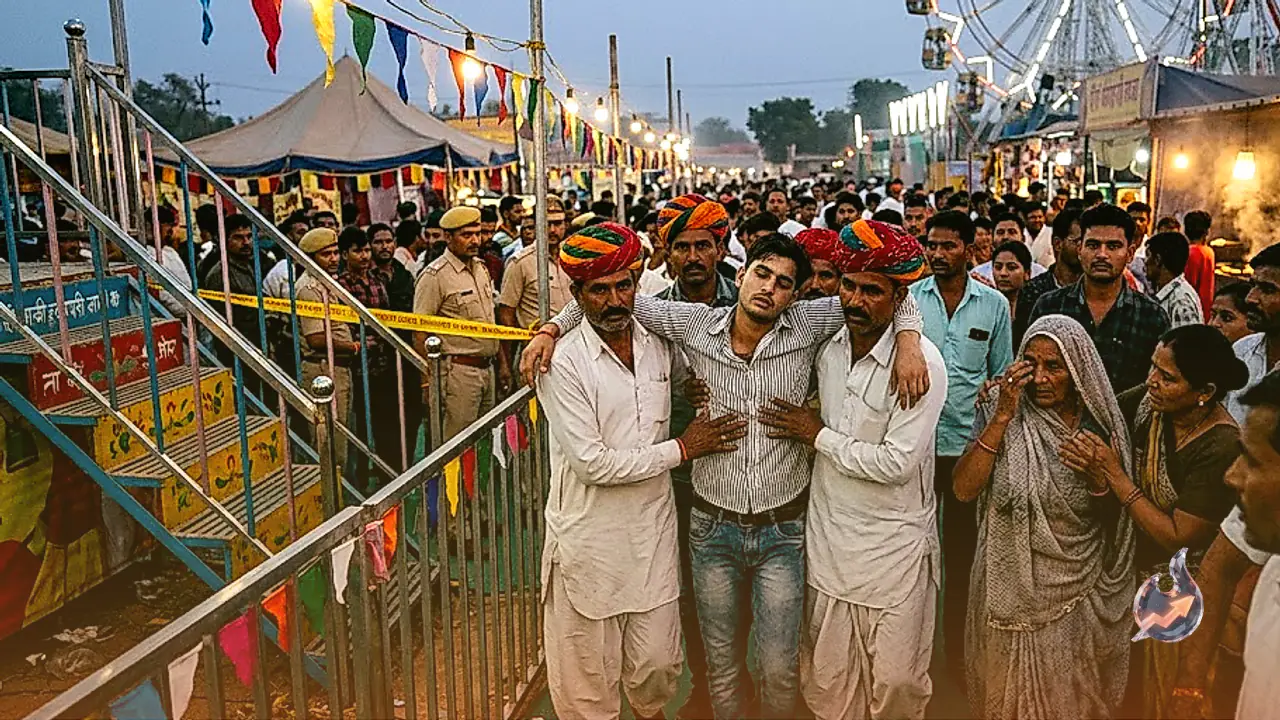

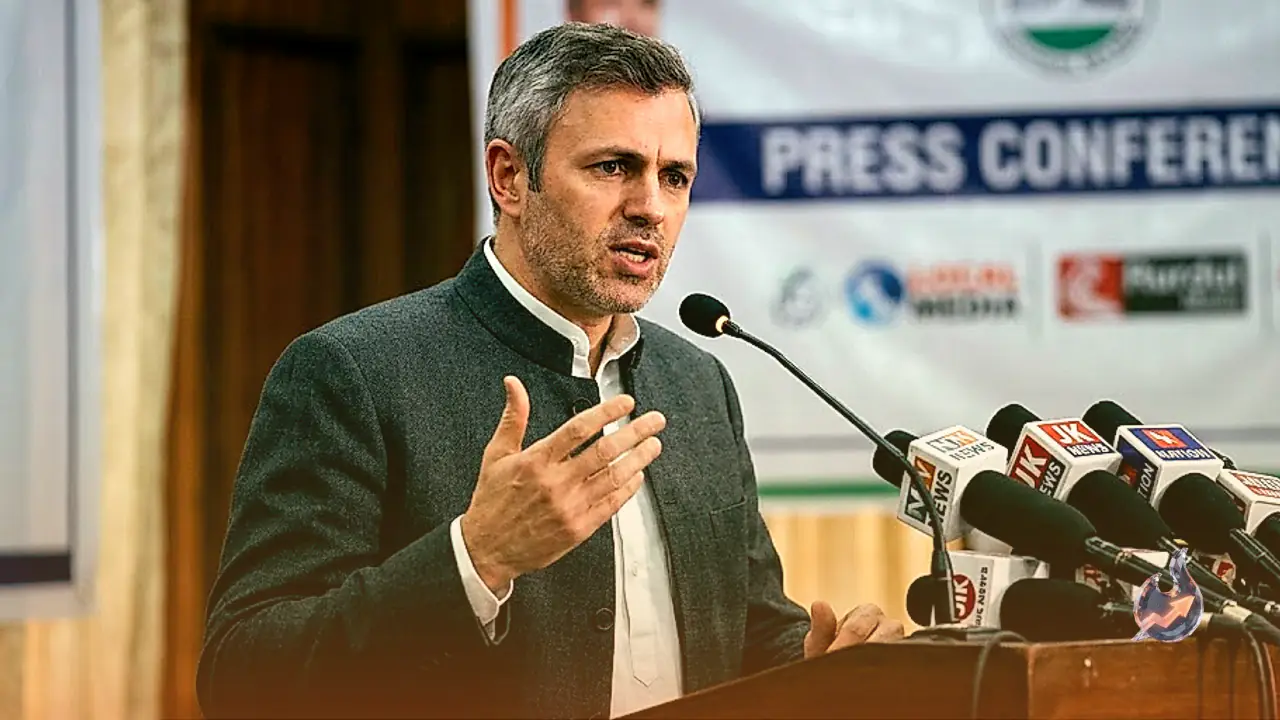
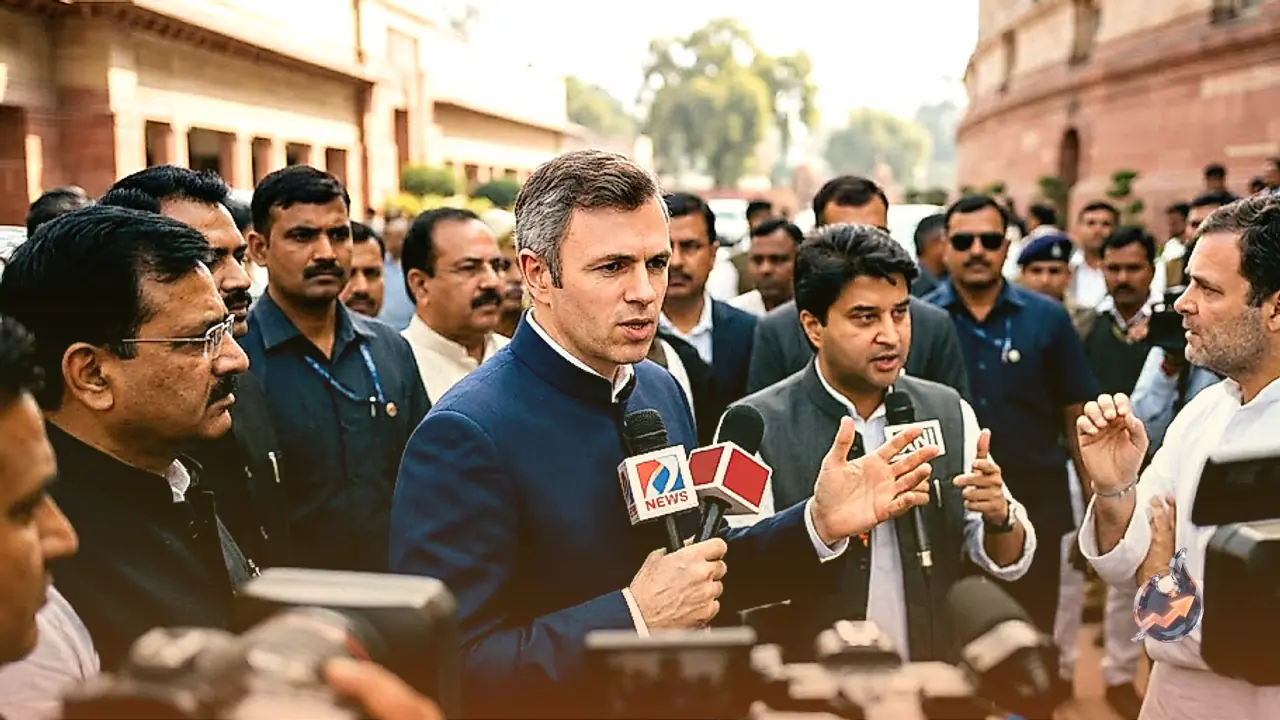
















Chhattisgarh has largely emerged from the shadow of left-wing extremism, but the state carries a dark chapter that still sends shivers down the spine. Nearly 13 years ago in 2013, Maoists orchestrated a bloodbath in the state, leaving deep scars that remain etched in public memory. While time is said to heal wounds, the devastation inflicted at Jhiram Valley left a lasting mark. Following a prolonged legal battle, an NIA special court has sentenced 10 convicts to death in the massacre, bringing a measure of closure to the tragedy. Yet, this maximum punishment has failed to satisfy the Congress party and its leaders, who continue to question the delivery of justice even after the court handed down capital punishment.
Congress leaders question the judicial process
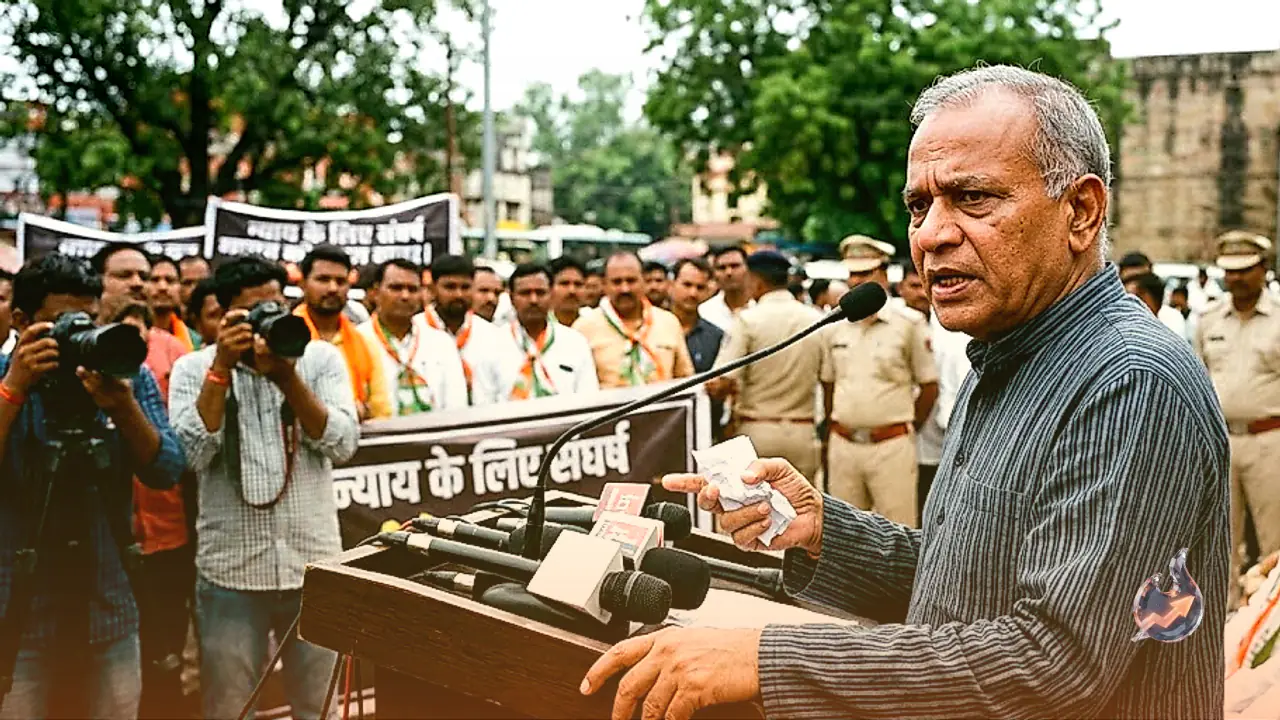
Former Chhattisgarh Chief Minister Bhupesh Bhaghel openly questioned the verdict, claiming that true justice remains elusive because the NIA investigation was inadequate and failed to apprehend the real culprits. He alleged that the names of the primary accused were dropped from the FIR, while eyewitnesses were neither questioned nor their statements properly recorded. Pointing out that the court itself had recommended questioning certain individuals who were left out, he argued that justice cannot be served when only 10 people are convicted while over 200 armed Maoists took part in the assault.
State Congress President Deepak Baij echoed similar sentiments, accusing the NIA of treating the probe as a mere formality. He claimed that the convicts are low-ranking operatives rather than the top Maoist leaders, alleging that major figures are protected and questioning why they were never interrogated. According to him, questioning top leaders would have exposed hidden political secrets and names. These statements indicate deep dissatisfaction among party leaders with the judicial outcome, leading them to pick holes in the court ruling.
Political debate surrounding the aftermath
The reactions from senior party figures suggest they expected a different kind of outcome, leading to criticism of the judicial process when expectations were not met. Critics point out that between 2018 and 2023, the party was in power in the state, yet the menace was not completely eradicated. Today, security forces have reclaimed regions once dominated by left-wing extremists, where the national flag now flies high. Given that the massacre wiped out a generation of political leadership, observers argue that the legal conviction of the perpetrators should be welcomed rather than questioned.
One of the deadliest political ambushes
The Jhiram Valley assault remains one of the most brutal and politically devastating incidents in independent India's history. The attack took place on May 25, 2013, in the Darbha Valley region of Bastar district, where armed insurgents lay in wait before launching a sudden and intense barrage of gunfire. The assault wiped out almost the entire top tier of the state Congress leadership. A total of 27 people lost their lives in the ambush, including prominent figures like Mahendra Karma, then state unit chief Nandkumar Patel, his son Dinesh Patel, and former Union Minister Vidya Charan Shukla, who later succumbed to his injuries during treatment.