


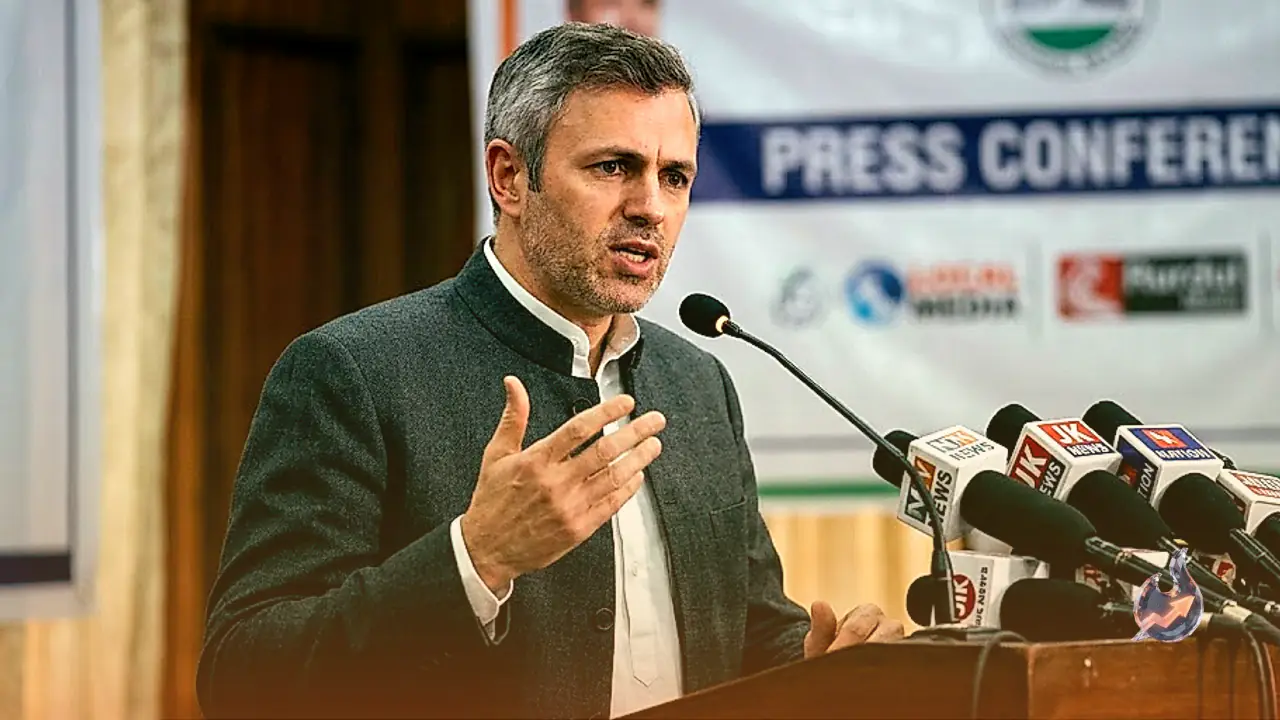

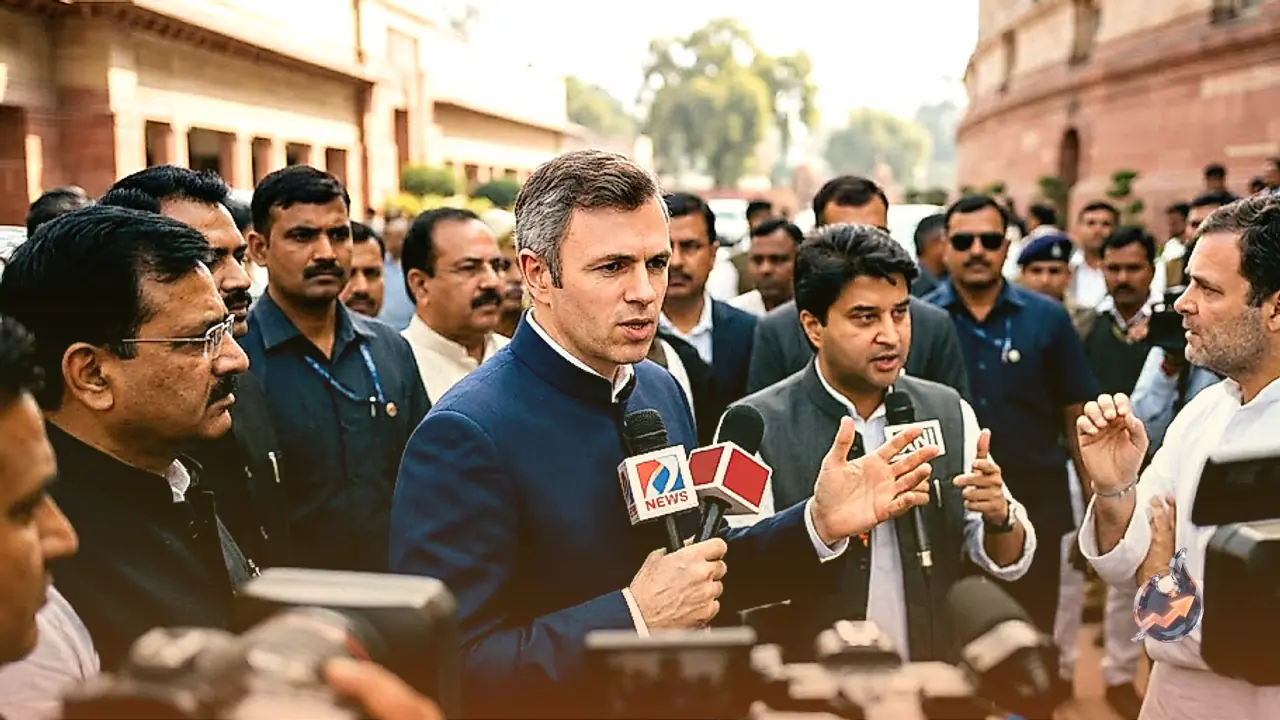















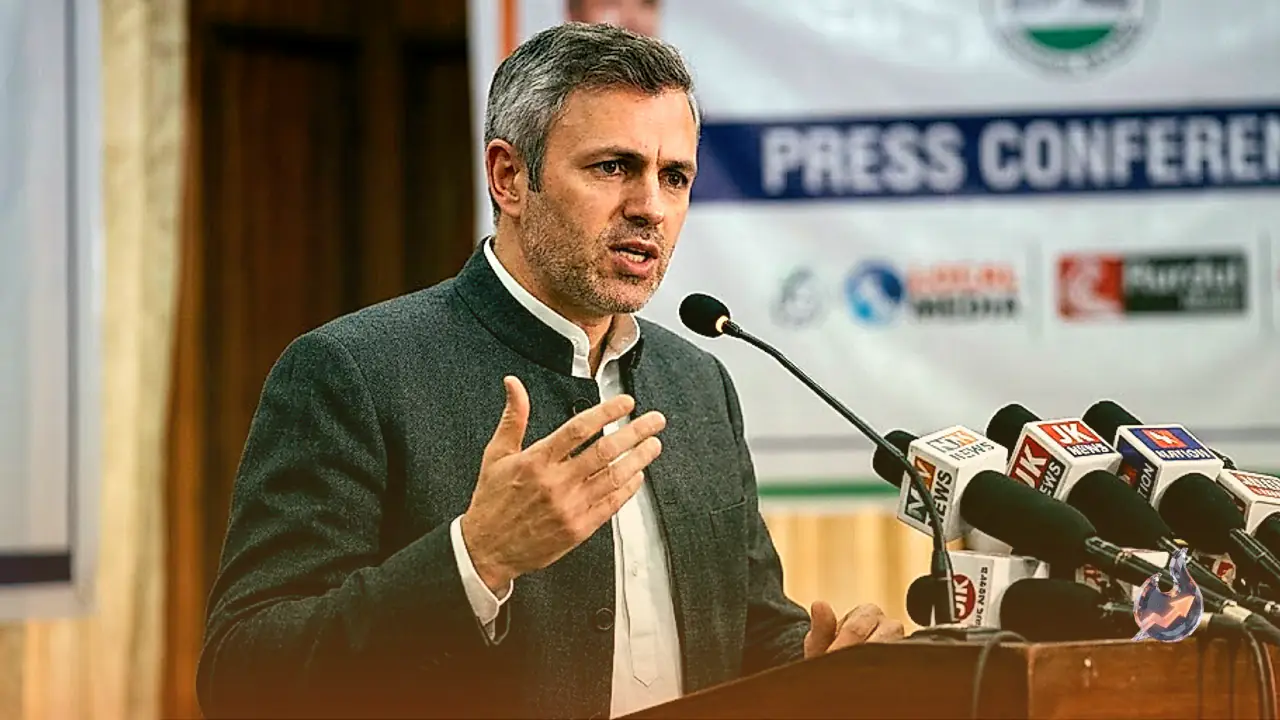

Jammu and Kashmir Chief Minister Omar Abdullah has come out in support of the central administration regarding the ongoing discussion over transaction charges on UPI payments. Speaking to reporters, the Chief Minister noted that sustaining and operating such a massive digital payment network is an expensive undertaking that requires considerable financial backing.
Clarification on Who Bears the Charge
Elaborating on the mechanism, Omar Abdullah pointed out that this fee is certainly not being imposed on everyone indiscriminately. He highlighted that peer-to-peer transfers between individuals remain completely free of any charges, and ordinary consumers will not face any deductions as long as their transaction values stay within the specified limits.
Infrastructure Expenses and Commercial Profits
Highlighting the financial realities behind digital connectivity, the Chief Minister stated that when services are provided completely free of charge, people often lose sight of their actual operational costs. He added that since corporations generate substantial commercial benefits through the UPI ecosystem, he sees no objection if fees are levied on them, provided that the central authorities guarantee no financial strain falls upon everyday citizens.
Details of the New Merchant Rules
The policy framework involves the central administration implementing a maximum MDR of 0.4 percent on specific merchant transactions exceeding 2,000 rupees starting from October 15, 2026. Authorities have clarified that this financial adjustment will not be billed directly to regular retail buyers, keeping individual-to-individual transfers entirely exempted.
Political Opposition and Ministry Stance
This regulatory decision has drawn criticism from opposition parties who have questioned the motives behind the move. In response, the Ministry of Finance issued a clarification stating that all digital payment policies within India are formulated autonomously. The ministry stressed that the decision to implement MDR was not driven by any external pressure, but was instead aimed at ensuring the long-term financial viability of the digital payment ecosystem.