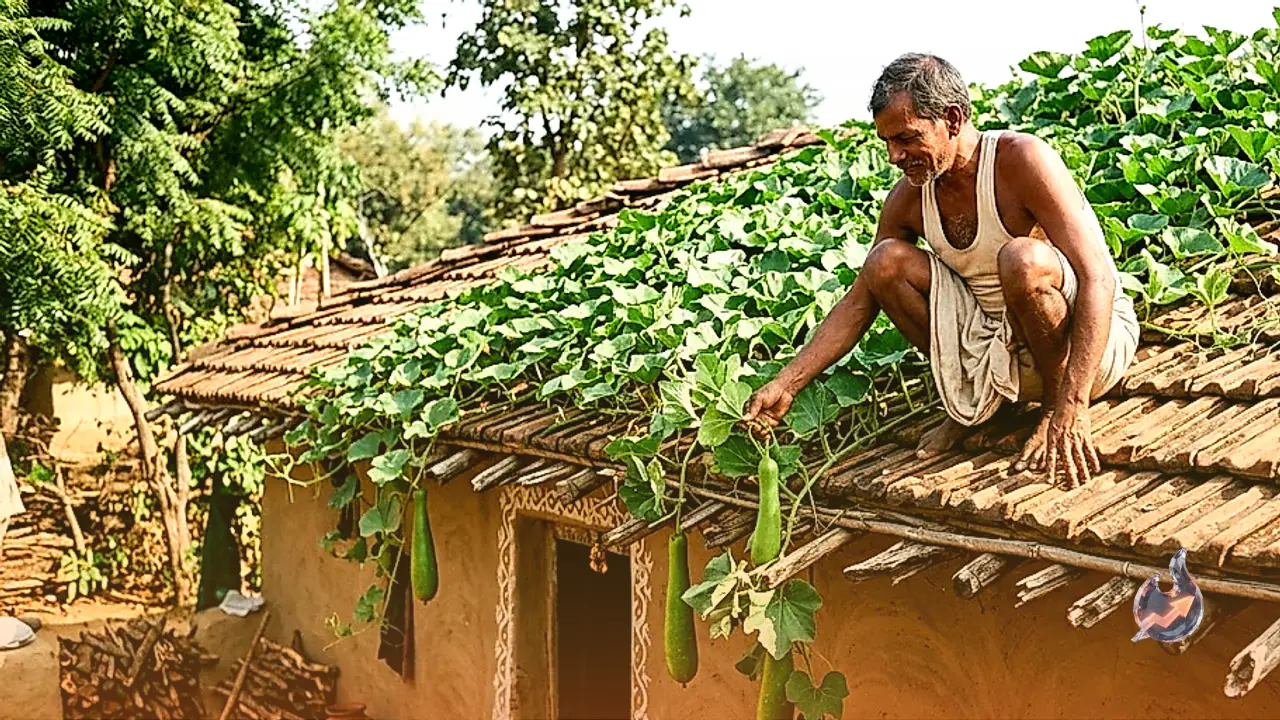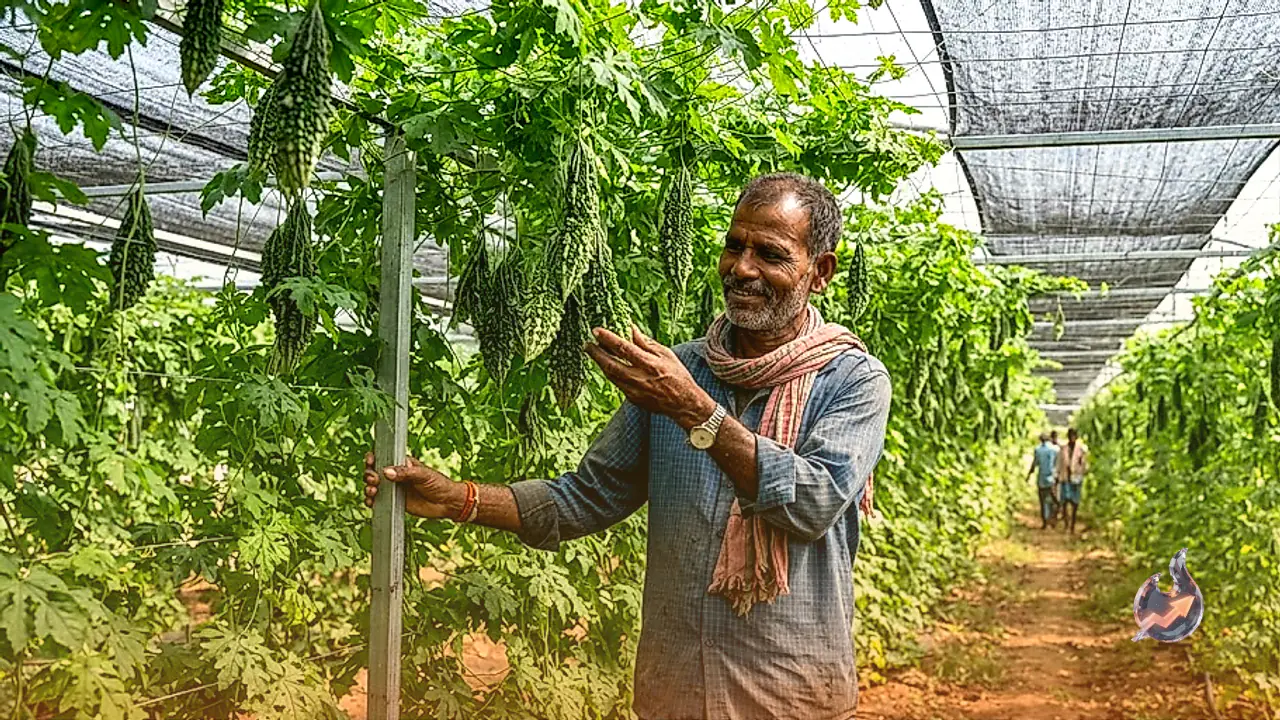






















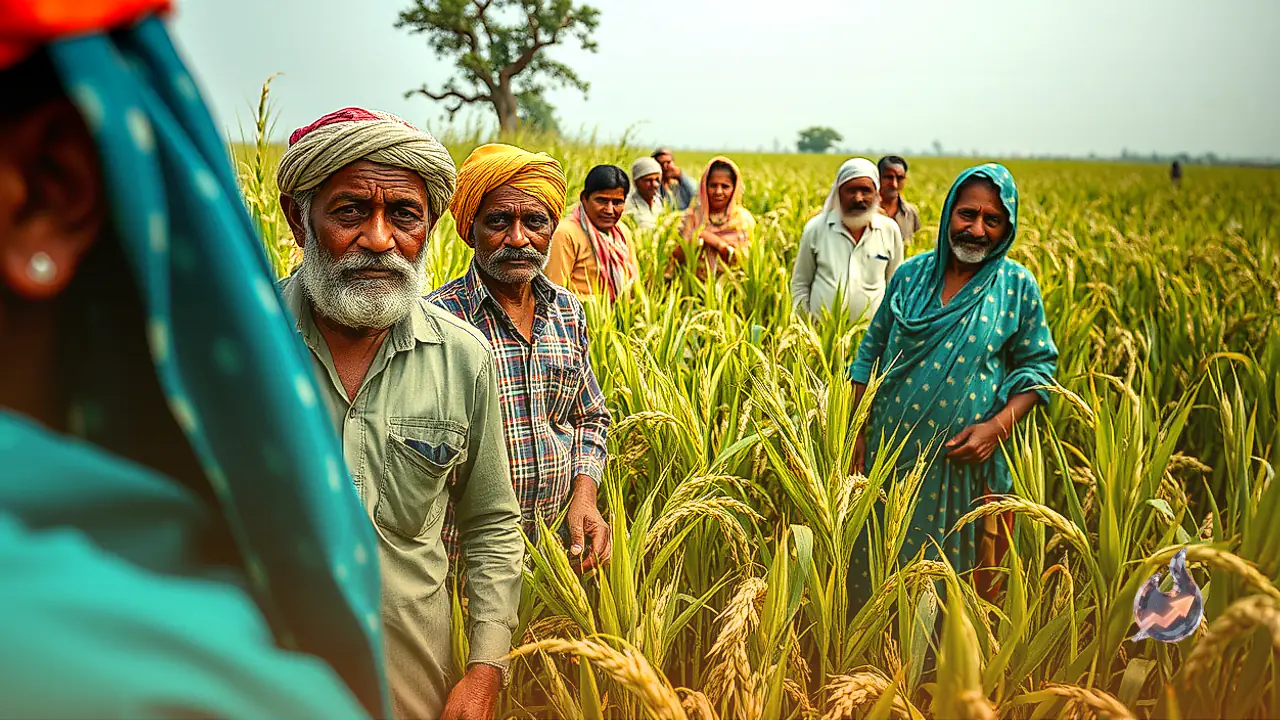

In the agricultural belt of Surguja district in Chhattisgarh, where modern commercial farming and hybrid varieties have steadily replaced indigenous crops, a smallholder farmer is quietly preserving ancestral farming traditions. Lalit Manjhi has turned back to cultivating madiya, a native grain widely known in colloquial parlance as ragi. Historically, this hardy millet formed an essential staple of local tribal households, providing dependable sustenance long before commercial staples dominated the rural economy. Over the decades, changing culinary habits and the advent of high-yielding crop varieties marginalized these native grains. Resisting that broader trend, Manjhi has cultivated madiya across a 20 dismil plot, demonstrating that low-input traditional agriculture still holds a meaningful place in contemporary farming.
A Cornerstone of Indigenous Culinary Heritage
For tribal communities in Surguja, madiya was far more than an ordinary agricultural commodity; it represented food sovereignty and seasonal stability. According to Lalit Manjhi, older generations in his family consumed this grain daily to sustain heavy agricultural labor throughout the year. In those days, farming households did not purchase household grains from outside markets. Instead, they relied completely on indigenous grains raised on their own fields to secure their annual food supplies. The mature grains were milled into coarse flour and baked into wholesome flatbreads, or blended with other regional rustic staples. As contemporary tastes shifted toward polished grains and refined flours, the cultivation of this ancient staple gradually declined across rural settlements.
The Dual Impact of Subsidized Rice and Hybrid Cultivation
Analyzing the historical decline of local millet acreage, Manjhi points out that the expansion of the Public Distribution System played a decisive role. Earlier, farming families had to work intensively on their land to cultivate multiple drought-resistant grains and local paddy varieties to ensure household food security. The steady supply of inexpensive rice distributed through state-run village cooperative societies significantly lessened the imperative for families to grow their own traditional grains. Simultaneously, modern agricultural practices promoted intensive hybrid crops that promised faster turnarounds. This transition pushed resilient crops like madiya out of mainstream farming, steadily shrinking the geographical footprint of an agricultural practice that once defined rural tribal existence.
Nurturing the Crop Across 20 Dismil of Farmland
While surrounding farmers turned their backs on indigenous millets, Lalit Manjhi took deliberate steps to sow madiya on 20 dismil of agricultural land. He carried out traditional field preparation before sowing the seeds, following up with routine weeding and soil management as the saplings matured. The crop has advanced into its ear-head emergence stage, with grains currently forming inside the developing panicles. Observing the healthy condition of his standing crop, Manjhi expects a solid yield upon harvest, which he plans to use primarily for domestic consumption within his family.
Nutritional Flatbreads and Traditional Beverage Uses
The grain of madiya is noticeably coarser and rounder than mainstream cereals. Once ground, it yields flour suited for dense, wholesome flatbreads. Manjhi notes that while the younger generation might find its earthy flavor distinctly different from conventional rice or refined flour, elders in his household revered it as a revitalizing food that gave the body enduring strength. While the farmer believes that regular consumption keeps physical ailments at bay, scientific documentation and clinical validation remain essential to substantiate claims regarding medical efficacy or illness prevention. Beyond household food preparations, madiya holds cultural relevance as a core ingredient in brewing hadiya, a customary fermented beverage central to tribal festivities and social gatherings. This dual utility anchors the grain deeply in regional customs and indigenous rituals.
Low Input Costs and the Imperative for Market Linkages
From an operational standpoint, cultivating madiya demands minimal capital investment because the crop thrives without expensive agrochemical inputs or synthetic boosters. However, Manjhi notes that precise financial outlays and ultimate profitability vary based on land conditions, seed selection, labor requirements, and agricultural practices. To encourage wider adoption among fellow farmers, there is an urgent need to build awareness regarding systematic cultivation methods, processing, and fair market pricing. Manjhi emphasizes that without organized market demand and remunerative price realizations for growers, expanding the acreage of indigenous millets will remain an uphill task for rural communities.
Preserving Agricultural Heritage for Future Generations
Lalit Manjhi views his farming effort not merely as a crop cycle, but as a deliberate commitment to protecting his community's agricultural legacy. In his assessment, completely abandoning the hardy cereals that sustained previous generations leaves local agriculture vulnerable and culturally disconnected. Conserving traditional crops like madiya is a critical step toward safeguarding rural biodiversity and sustaining centuries-old dietary heritage. He stresses that young farmers need both practical incentives and institutional support so that subsequent generations understand the nutritional and ecological significance of their ancestral crops.