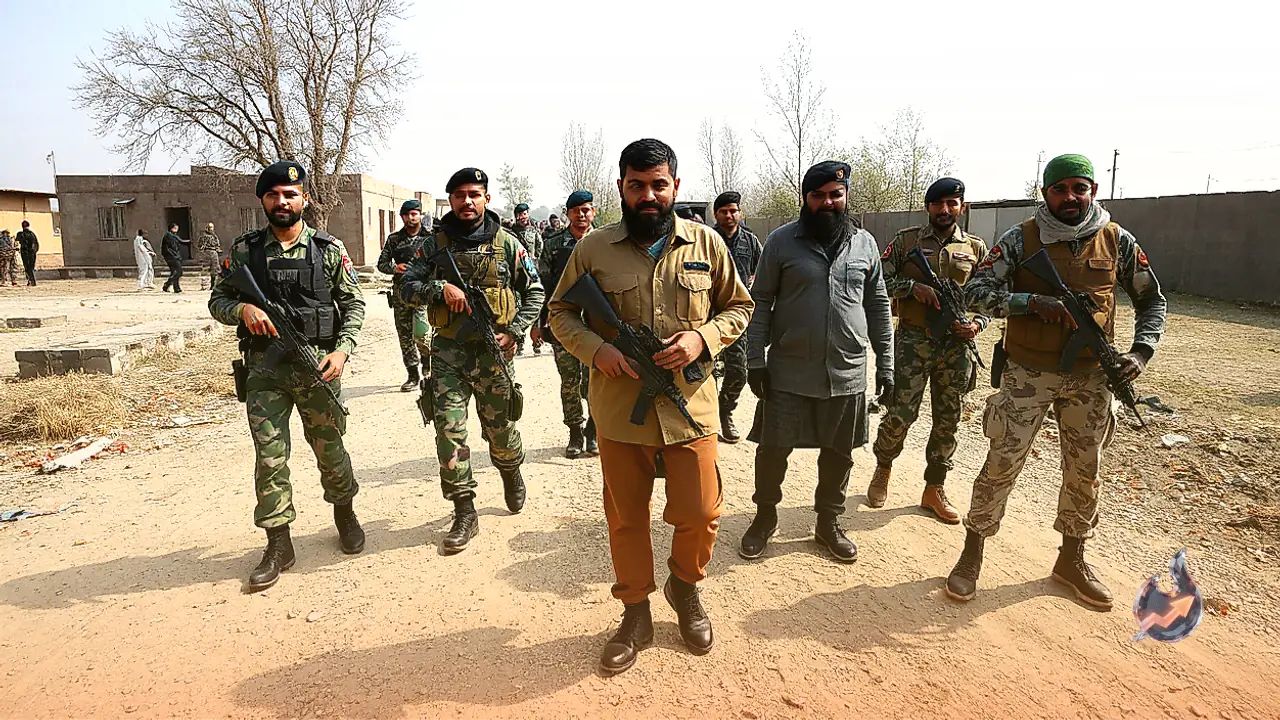

In the wake of the complete eradication of Naxalism and significant improvements in the overall security climate across Chhattisgarh, the state administration has implemented a major overhaul of VIP security protocols. According to an official order issued by the Home Department C-Section, the security cover for several serving ministers, former ministers, parliamentarians, and state legislators has been scaled down following a comprehensive review meeting by the Protection Review Group.
Fresh Threat Assessments Conducted Post-Naxal Decline
Following the substantial reduction of the Naxalite threat, specialized security agencies undertook a fresh, ground-up evaluation of the potential risks faced by political leaders and prominent public figures. This rigorous assessment served as the foundational basis for the downward revision of security tiers. The primary objective behind this strategic readjustment is to optimize the deployment of security personnel and reallocate forces toward other vital operational requirements across the state.
Key Leaders Impacted by the Security Rollback
The newly revised security matrix affects several high-profile figures from both major political formations. Minister Kedar Kashyap has seen his protection level downgraded from Z-plus to the standard Z category. Similarly, Konta MLA and former minister Kawasi Lakhma has had his security reduced from Z-plus to the Z tier. Former Bastar MP Deepak Batj also faces a parallel reduction, moving from Z-plus down to the Z security classification.
Further Reductions for Lawmakers and Parliamentarians
The ongoing security rationalization extends to several other prominent legislative figures. Kharsia MLA and former minister Umesh Patel has experienced a security rollback, transitioning from the Z tier down to Y-plus protection. Additionally, Rajya Sabha MP Phulo Devi Netam has had her security cover scaled back from the Y-plus tier to the basic Y category. These systematic adjustments reflect a broader administrative alignment of security deployments with current threat realities on the ground.