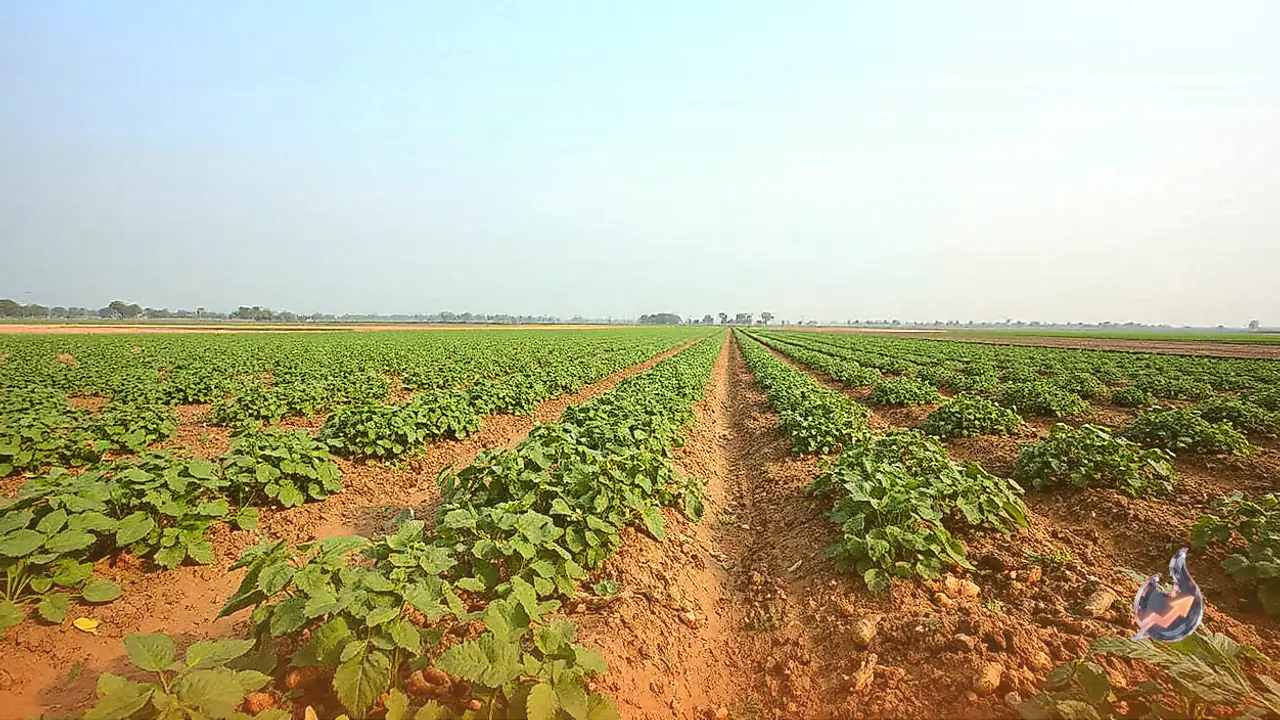

Farmers in Chhattisgarh looking for profitable agricultural alternatives can embrace potato cultivation alongside traditional crops to boost their overall income. The local climate and soil conditions in the region are well-suited for growing potatoes, offering growers an opportunity to secure strong returns within a short timeframe. A key advantage for cultivators is the availability of specialized varieties that mature and become ready for harvest in a mere 60 days. Growers facing challenges with limited irrigation water can particularly benefit by opting for these short-duration varieties, allowing them to complete a successful harvest with minimal water resources. However, achieving an abundant yield still requires careful attention to high-quality seeds, correct variety selection, and timely disease management.
Climate Suitability and Recommended Varieties
According to Dr. Baldev Agarwal, a subject matter expert at the Krishi Vigyan Kendra in Balod, the climate of Chhattisgarh is highly favorable for potato farming. Farmers in the area can choose from improved seed varieties such as Kufri Jyoti, Kufri Pukhraj, and Kufri शीतल. These potato strains mature over varying spans of 60, 90, and 120 days. Growers can select the appropriate variety depending on their irrigation capacity, cropping schedule, and prevailing market demands. For farmers dealing with limited water availability, the fast-maturing 60-day varieties prove to be especially practical and useful.
Boosting Income Through Chip-Making Varieties
Understanding market requirements is just as important as maximizing crop volume in successful agriculture. Dr. Agarwal noted that the Kufri Chipsona variety is specifically cultivated for making potato chips and related snacks. Major food processing companies actively source this particular variety to manufacture their snack products. Consequently, growers are advised to check local market trends and potential buyer demands before committing to the large-scale production of this specific type.
Protecting Crops from Major Diseases
Potato crops remain vulnerable to specific agricultural threats that can ruin months of hard work if left unchecked. Early blight and late blight are the two primary diseases that can cause severe damage to the plants. If preventative measures are not implemented on time, these infections can drastically reduce the final harvest. To manage early blight effectively, farmers should monitor the crop around the 25th day, while late blight management requires careful intervention between the 54th and 55th days. Applications of recommended plant protection chemicals should only be done under the guidance of agricultural experts based on the specific field conditions. Regular monitoring of weather patterns and early disease symptoms is equally essential for success.
Achieving Up to 30 Quintals Per Acre
Based on expert estimates, planting approximately 7 to 8 quintals of seed potatoes in a one-acre field can yield between 25 and 30 quintals of production under favorable conditions. Nonetheless, the final harvest volume depends heavily on soil fertility, seed quality, irrigation practices, and overall crop management. It is crucial for growers to analyze their local soil composition, water availability, and market dynamics before finalizing the variety they intend to plant.