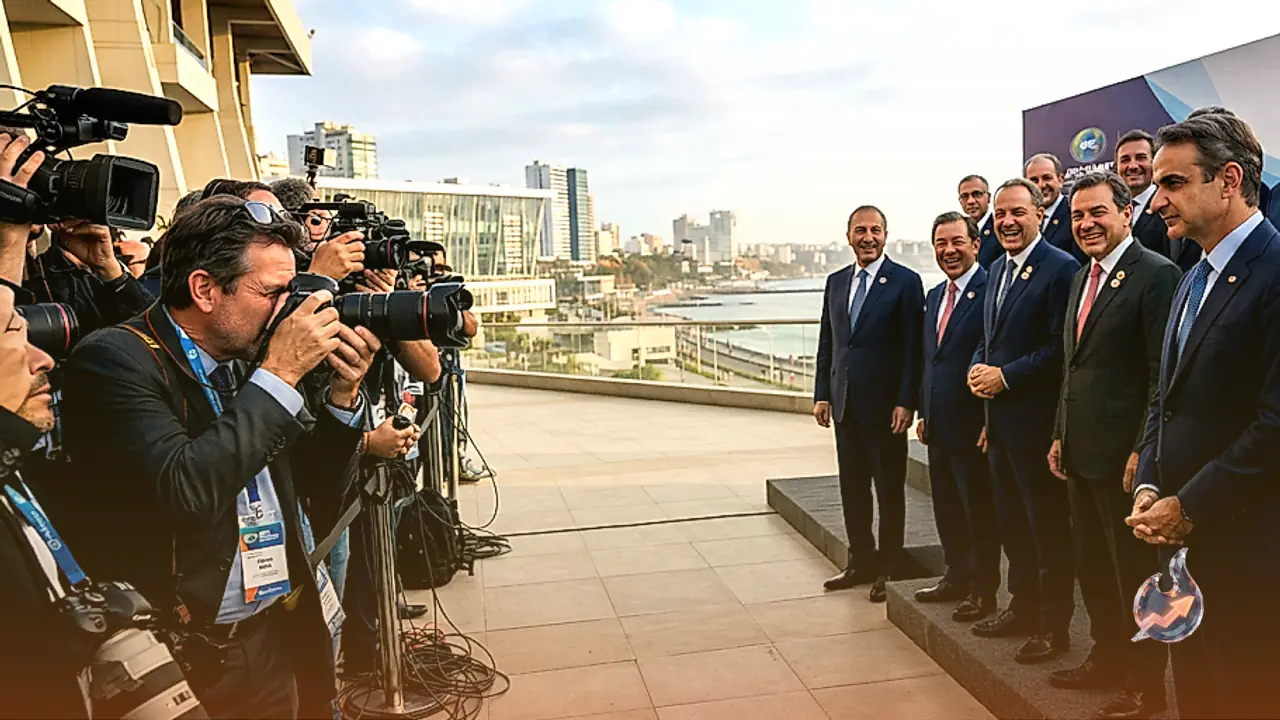

In the realm of geopolitics, photographs and the specific positioning of world leaders within them are rarely accidental. They often tell a profound story about shifting power equations and the changing dynamics between nations. A striking image from the ongoing APEC summit in Shenzhen, China, has created a major stir across the globe. The protocol and standing arrangements orchestrated for the official family photo have prompted European media outlets and global experts to actively discuss whether Chinese President Xi Jinping inadvertently or intentionally sidelined Russian President Vladimir Putin.
Donald Trump Takes Center Stage While Vladimir Putin Is Pushed Aside
As heads of state gathered on the platform for the mandatory group photo during the APEC summit, the visual messaging conveyed through Beijing's protocol spoke volumes. In the resulting photograph, Chinese President Xi Jinping is positioned precisely in the middle. Crucially, United States President Donald Trump was granted a spot directly beside Xi, an arrangement that clearly underscores the immense importance China currently places on Washington. Conversely, Russian President Vladimir Putin was placed to the left of China's First Lady. While diplomatic norms might have suggested placing Putin closer to Trump or near the core center, he was effectively relegated to the periphery.
European media reports went as far as noting that immediately after the group photo concluded, Xi Jinping turned entirely toward Donald Trump to initiate a conversation, while little to no attention was directed toward Vladimir Putin.
The Weight of Protocol in Chinese Diplomacy
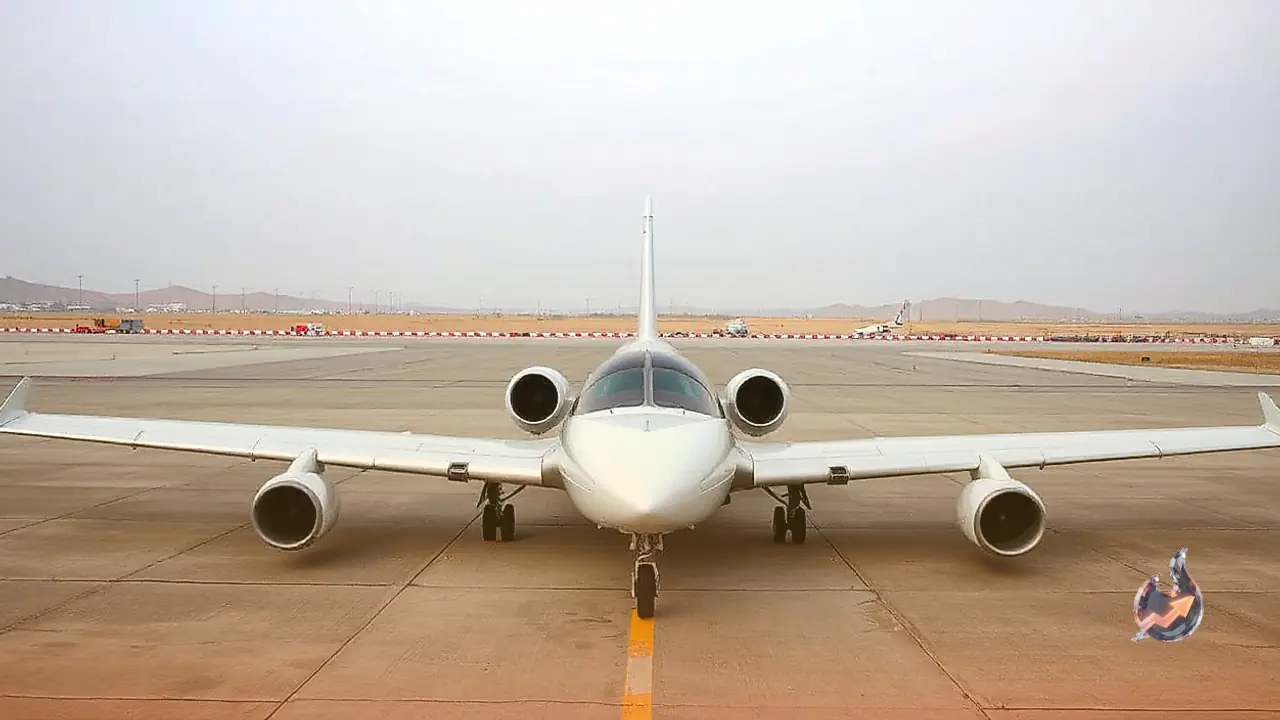
Observers who closely follow Chinese politics understand well that nothing in Beijing happens purely by chance. The exact placement of a leader on a stage, the specific chair assigned, and the manner of reception are details that often carry deeper significance than any lengthy speech. From the very beginning of the summit, China made its preferences regarding the United States abundantly clear. In a historic first for his entire presidential tenure, Xi Jinping personally traveled down the stairs of an arriving aircraft to welcome a foreign leader, and that rare honor was extended to Donald Trump rather than anyone else.
The Secondary Treatment Handed to Russia
Russia and China are frequently perceived as staunch allies united against Western dominance. Ever since the onset of the conflict in Ukraine, Moscow has grown heavily dependent on Beijing to withstand severe Western sanctions. However, the photograph emerging from Shenzhen demonstrated that when the United States enters the international stage, China demonstrates no hesitation in pushing even its oldest and most crisis-tested partner, Vladimir Putin, into the background.
Intentional Strategy or Mere Coincidence?
Experts worldwide are vigorously debating whether Putin's positioning was a deliberate slight or simply a matter of standard protocol. Analysts suggest that China is currently positioned for a direct competitive or cooperative engagement with the United States in the ongoing race for global economic and geopolitical supremacy. Following the return of Donald Trump, Beijing has actively sought to repair and recalibrate its trade and political relations with America. Broadcasting to the world that the United States holds greater value to China than Russia does may well be a calculated diplomatic maneuver by Beijing.
For Vladimir Putin, on the other hand, the image comes as a jarring reality check. Amid the ongoing Ukraine crisis and severe Western isolation, Moscow consistently endeavors to project an image of dominance and strong ties across Asia, particularly with China. However, the peripheral placement at the APEC forum served as a stark reminder that in the cold world of international diplomacy, sentiment takes a back seat to raw power and utility.
The visual record from the Shenzhen APEC summit serves as potent evidence that international relations are undergoing rapid transformation. By placing Donald Trump in close proximity, Xi Jinping signaled a warming embrace toward Washington, while simultaneously marginalizing Putin to signal whose influence carries greater weight in the current global landscape.