
Global politics and diplomacy have recorded a milestone day as US President Donald Trump visits the southern Chinese high-tech metropolis of Shenzhen. Trump has become the first sitting US president to tour Shenzhen while in office, arriving to attend the 33rd APEC Summit. Chinese President Xi Jinping has gathered powerful leaders from across the globe, including Russian President Vladimir Putin, in this city. The Shenzhen where these events are unfolding is far from an ordinary location, serving instead as China's miracle city.
From an Obscure Fishing Village to Silicon Valley
Widely recognized as China's Silicon Valley, this region was astonishingly nothing more than a small and anonymous fishing village roughly four decades ago. Today, however, the city has evolved into a major stronghold for the world's leading billionaires and prominent technology enterprises.
The Historic Trilateral Meeting
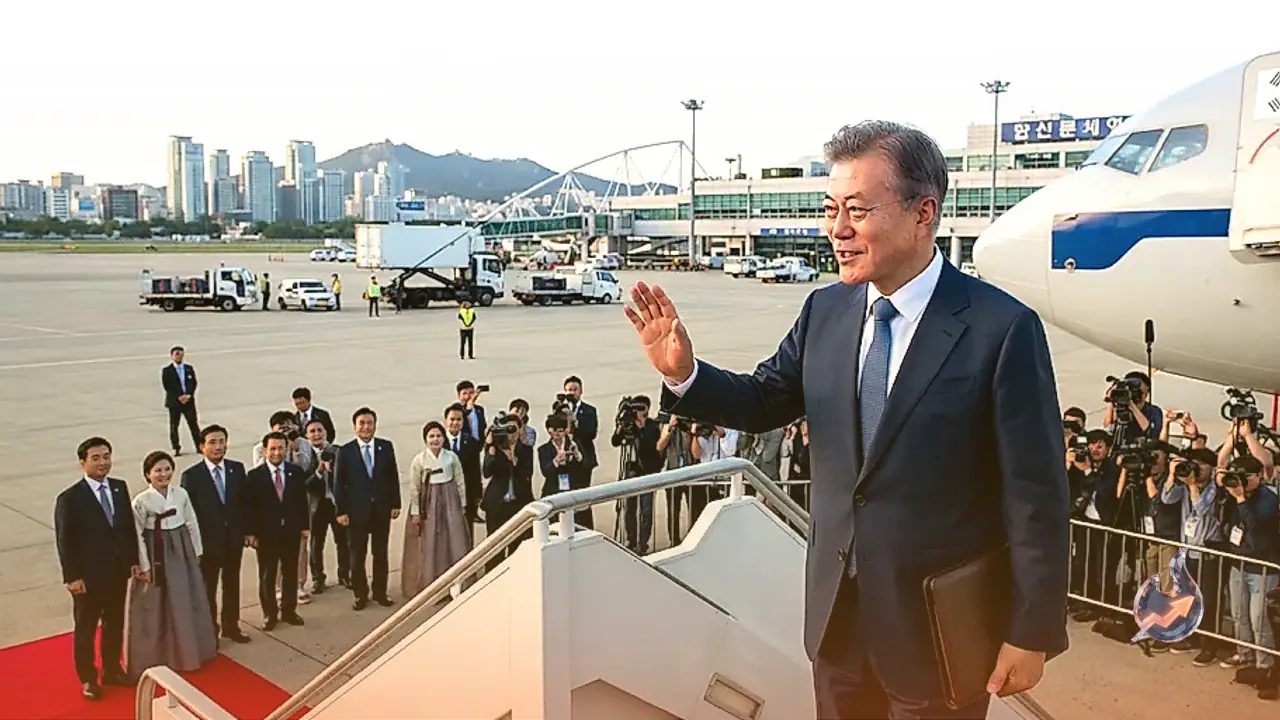
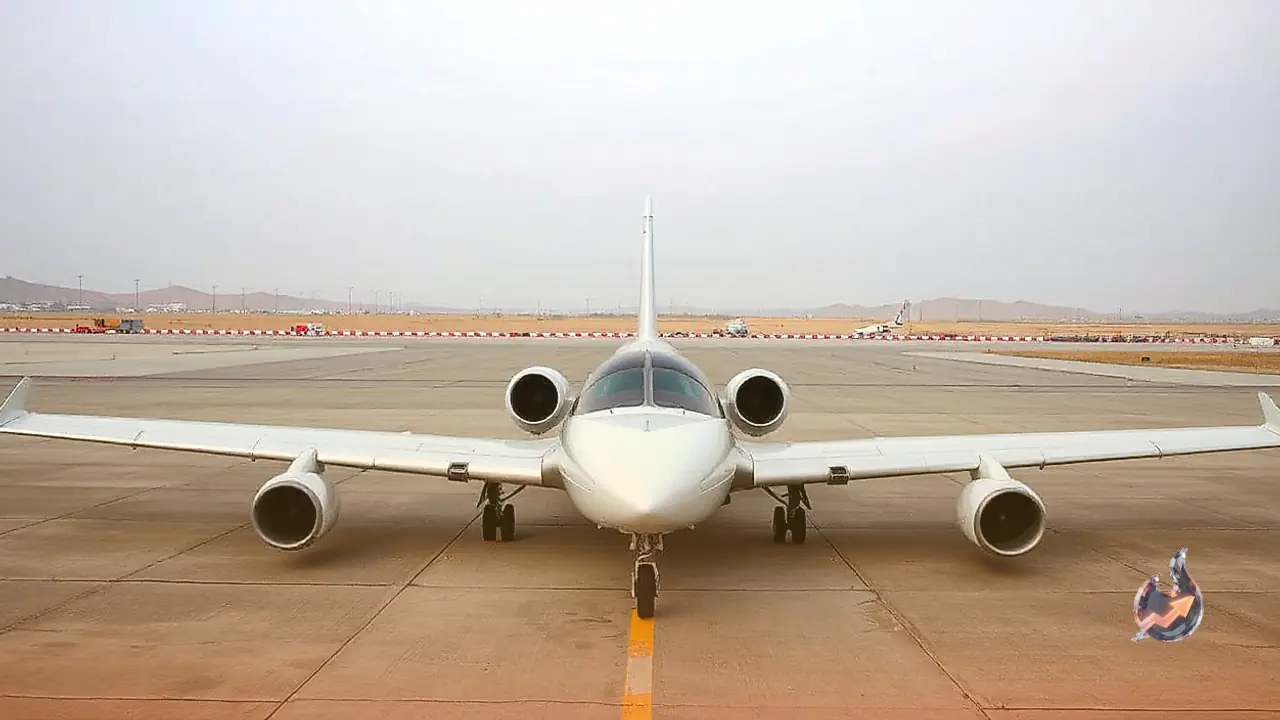
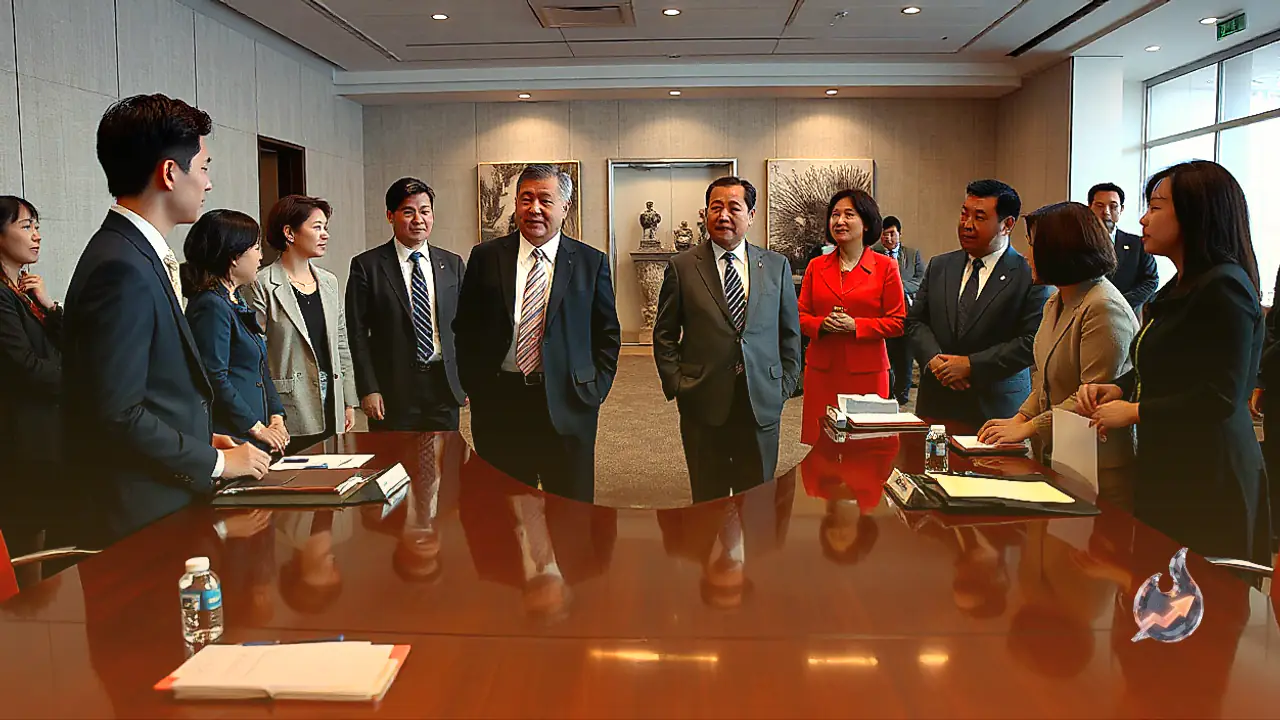
When Donald Trump's aircraft touched down on Shenzhen soil on November 18, China spared no effort in extending a grand welcome. Going beyond standard protocol, Chinese President Xi Jinping personally arrived at the airport to receive Trump. The two veteran leaders shared a warm handshake and embraced one another, after which Trump met with senior Chinese officials and posed for photographs before media cameras.
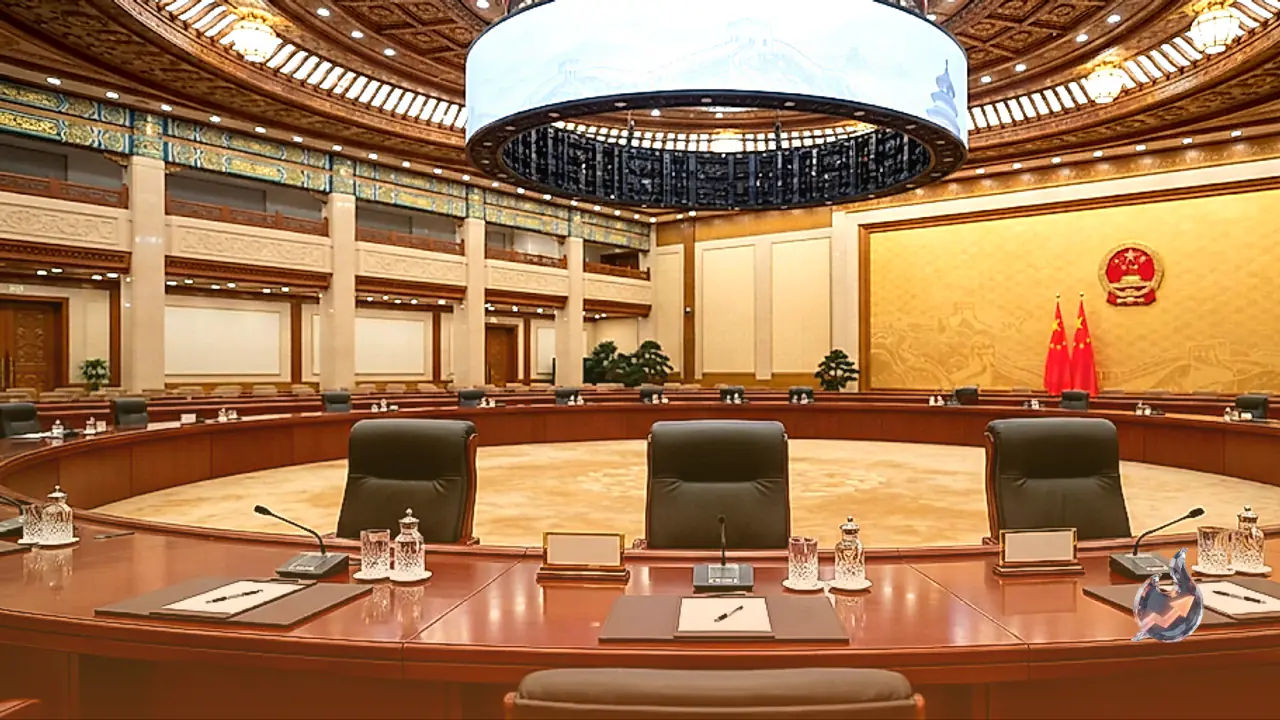
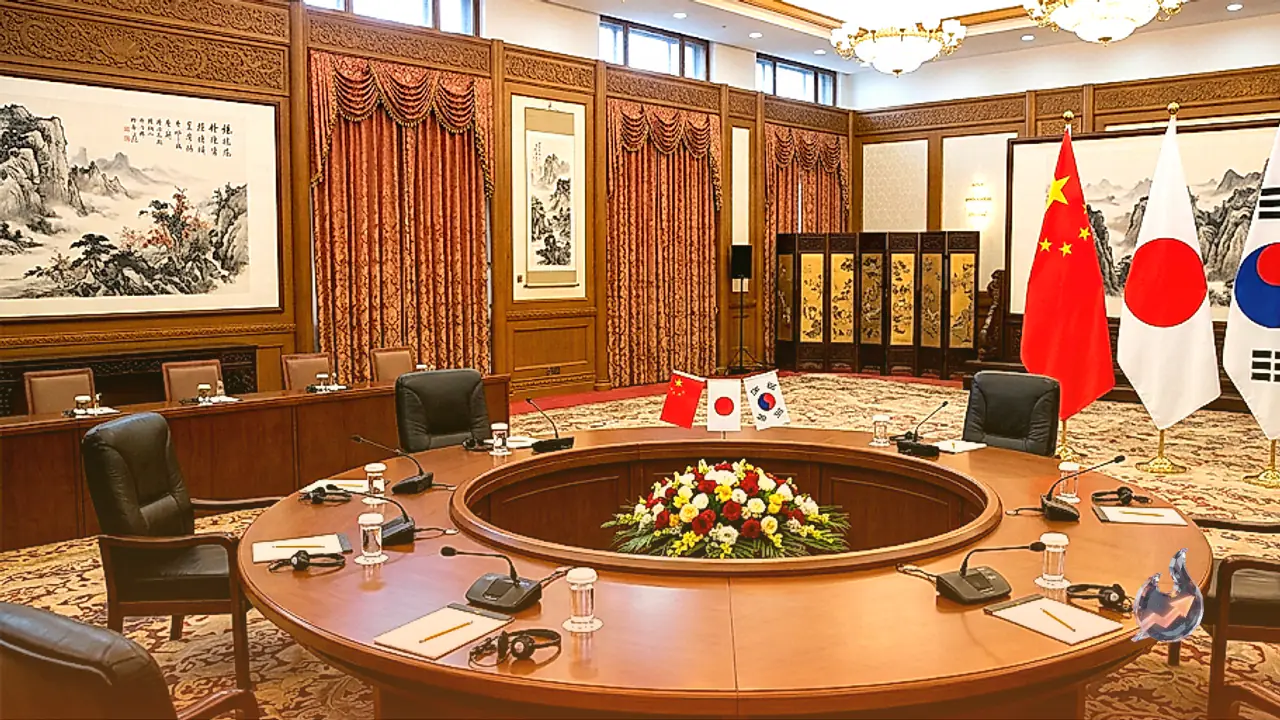
International relations experts view this cordial welcome as a significant indicator. Attention worldwide is now focused on November 19, when Donald Trump, Xi Jinping, and Vladimir Putin will sit together at the same table. A historic trilateral meeting is scheduled between these three leaders, with closed-door, high-voltage discussions anticipated on global issues such as the ongoing Iran crisis and the protracted Russia-Ukraine war.
The Rise of a Special Economic Zone
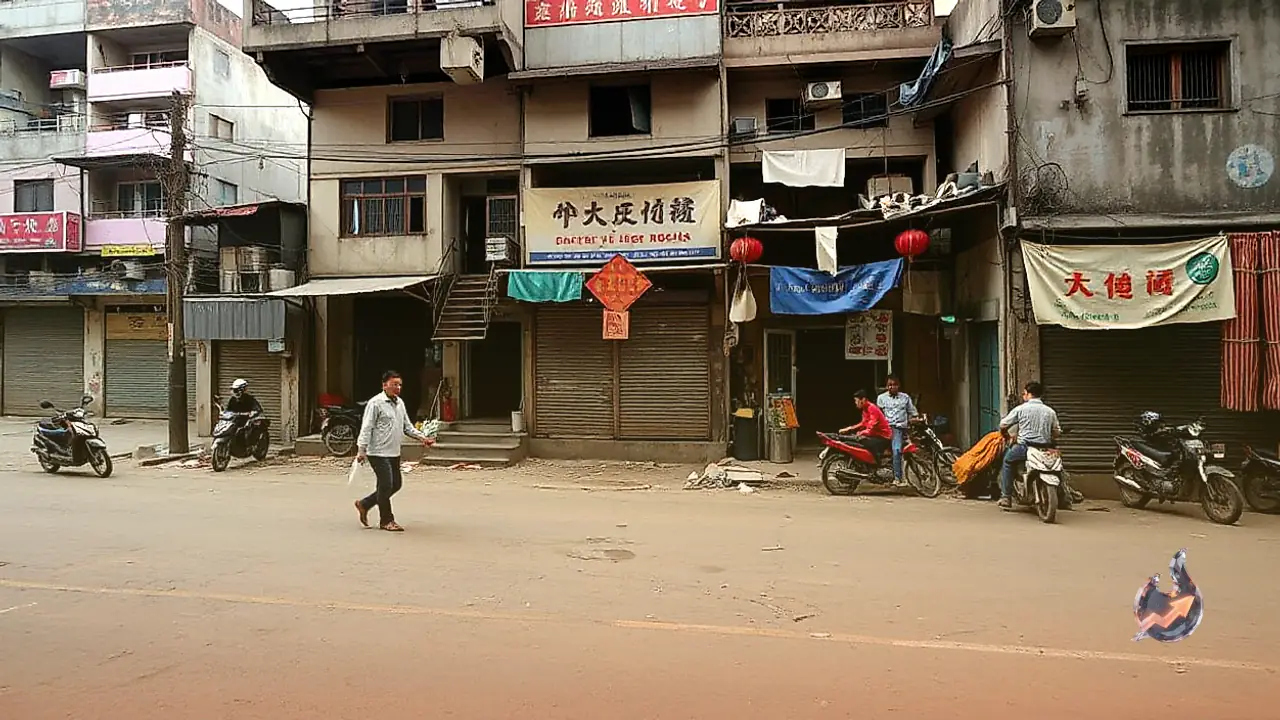
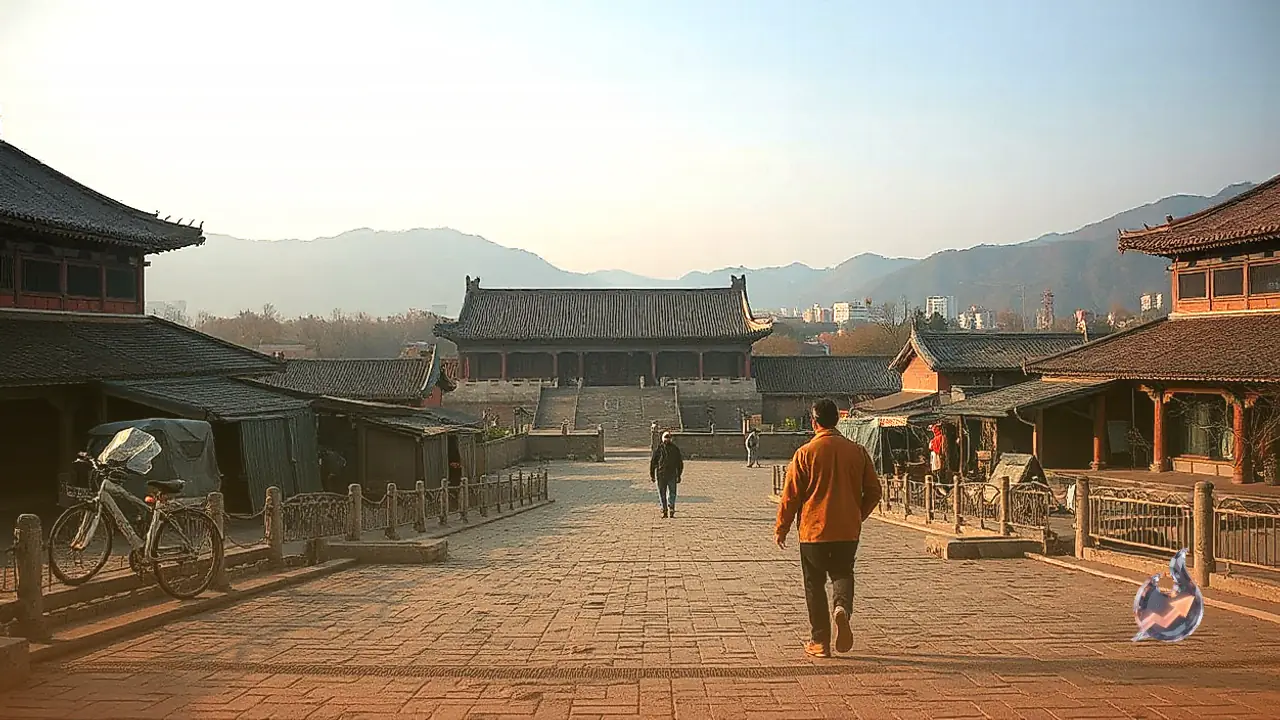
The dazzling success story of Shenzhen, witnessed by Donald Trump, is nothing short of miraculous. Until the late 1970s, Shenzhen was a quiet and underdeveloped fishing village bordering Hong Kong, with a population barely numbering around 30,000 whose primary livelihoods depended entirely on fishing and farming.
nHowever, in 1980, paramount Chinese leader Deng Xiaoping implemented a revolutionary decision that permanently altered the destiny of this village by declaring Shenzhen China's first Special Economic Zone. This policy granted foreign corporations substantial tax exemptions, inexpensive land, and highly simplified regulations to encourage investment, factory setup, and commerce.
A Hub for Global Tech Giants
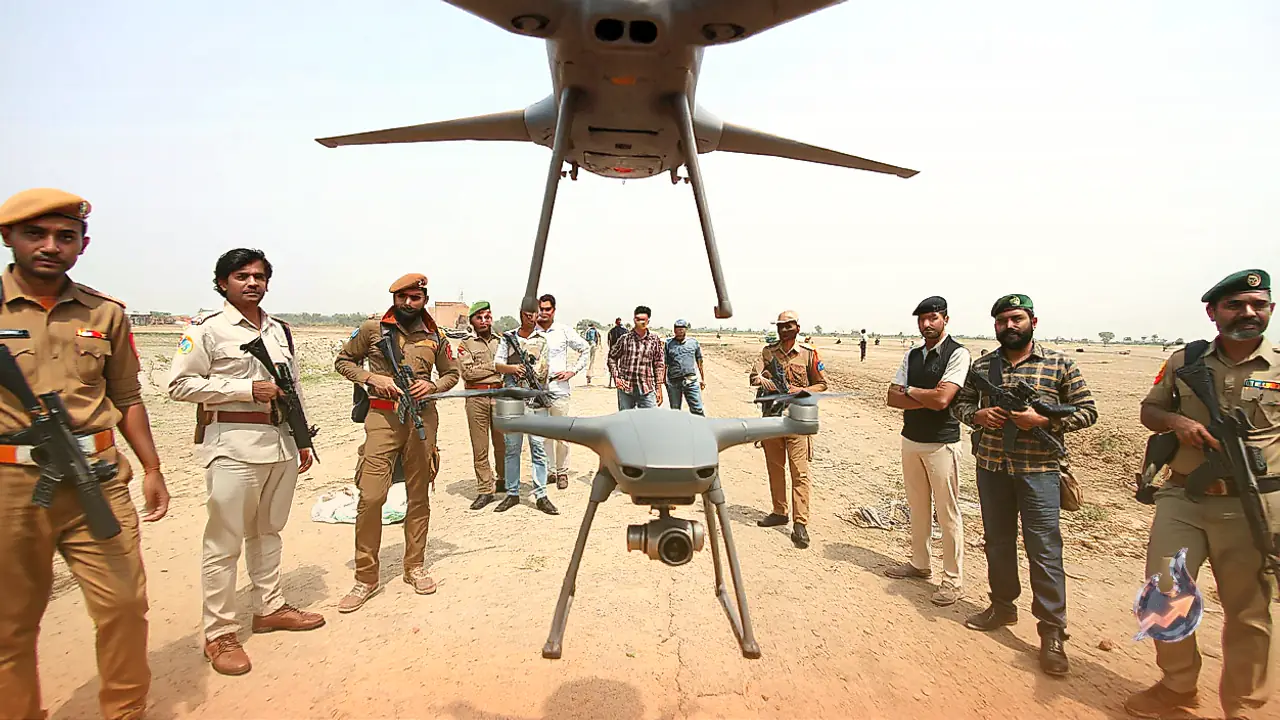
Driven by government concessions and proximity to Hong Kong, global corporations rapidly began channeling capital into the region. Within a brief span, the village transformed into a sprawling industrial city. Today, headquarters for Huawei, Tencent, the world's largest drone manufacturer DJI, and electric vehicle pioneer BYD are all anchored in this very city.
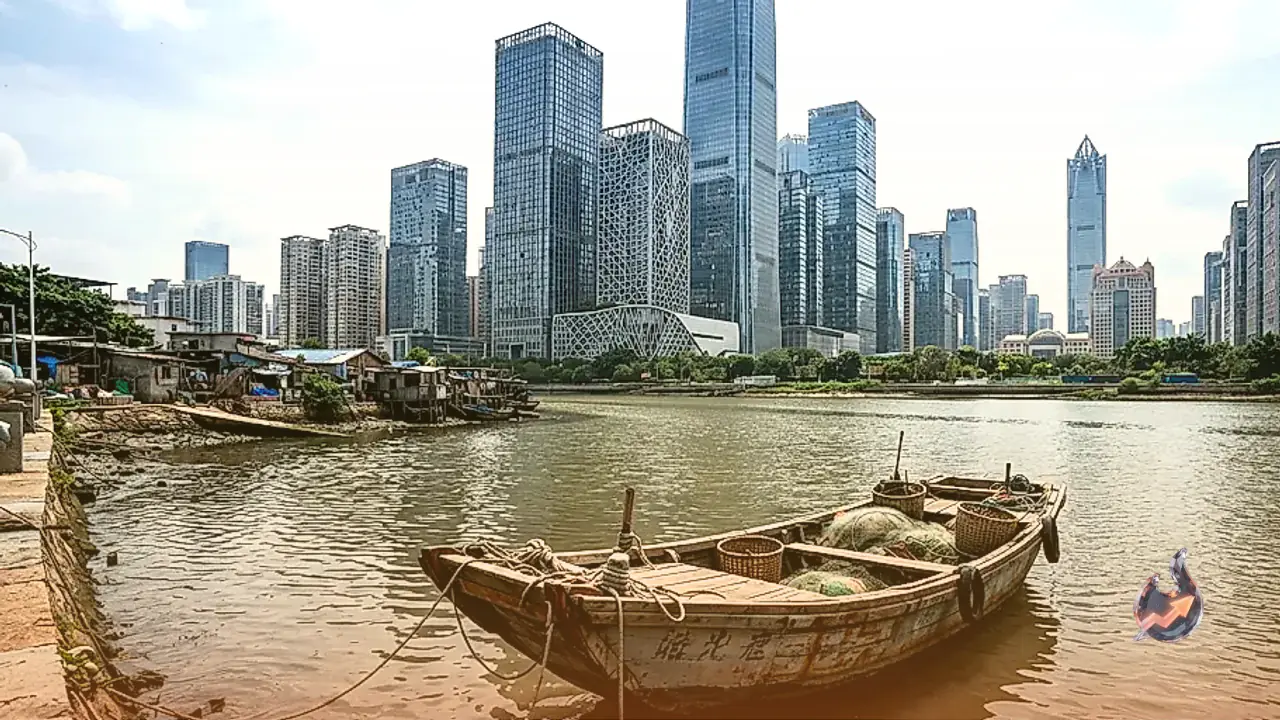
Where thatched huts and wooden boats once stood, the skyline now boasts towering skyscrapers, bullet trains, and some of the world's most advanced research and development centers. Shenzhen's population has surged to approximately 17.5 million residents, establishing the city as a prime showcase of China's economic might and technological ambitions. According to reports, Shenzhen ranks among the top cities globally for hosting the highest concentration of billionaires.
Strategic Messages and Geopolitical Signals
Amid longstanding trade wars, tariffs, and intense competition over advanced technologies like artificial intelligence and semiconductors between Washington and Beijing, Trump's arrival in Shenzhen holds immense diplomatic weight. Through this city, China aims to project clear messages to the international community and specifically to the United States.
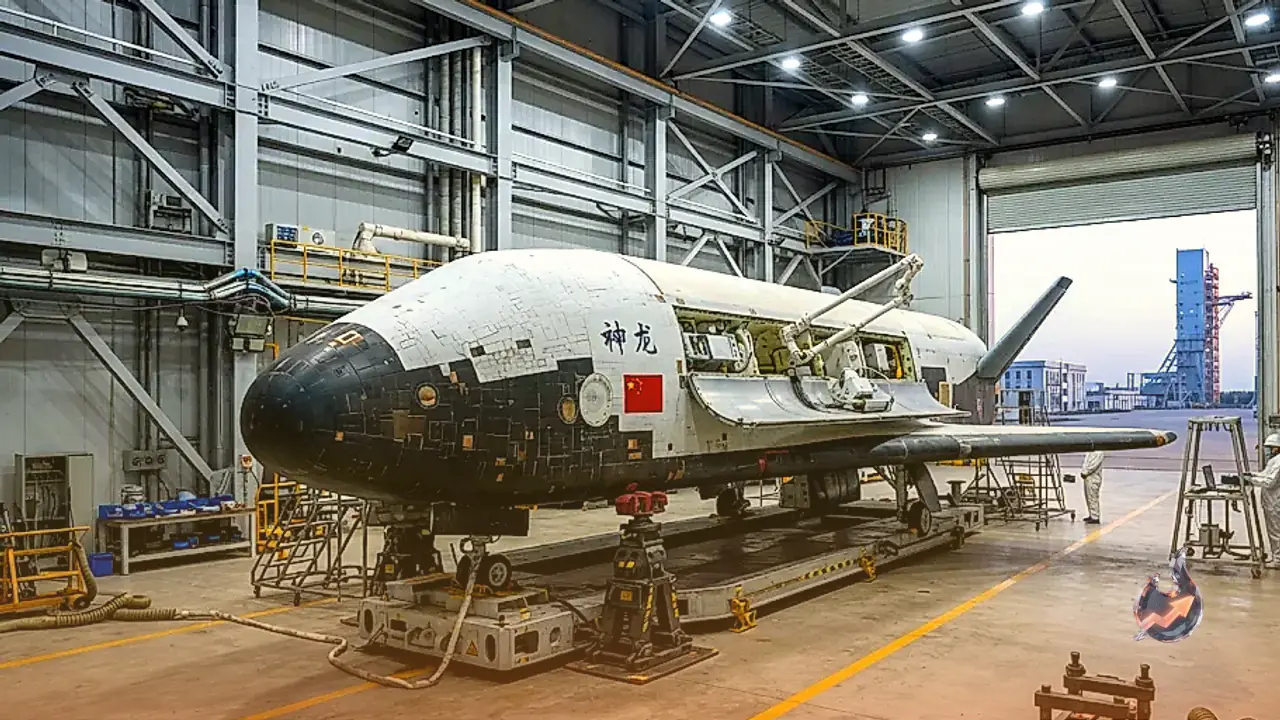
By hosting the summit here, China intends to display the massive leaps it has taken on economic and technological fronts, signaling that it trails behind no nation. Despite American tariffs and technological restrictions, Beijing is positioning itself as a robust and self-reliant global power prepared to lead future technologies.
Conversely, just prior to setting foot on Chinese soil, Trump concluded a major trade agreement with the Philippines and participated in a Quad meeting, demonstrating that American influence in the Asia-Pacific region remains firmly intact. The outcomes of the upcoming meetings will ultimately shape the future course of global politics and economics.