
Global efforts to find viable alternatives to petrol and diesel have intensified, with pure hydrogen emerging as a leading game-changer in the clean energy race. This powerful and clean fuel has the potential to transform road transport—including cars, trucks, and buses—as well as heavy industries in the near future. The primary advantage of pure hydrogen is that when it is burned or used in a fuel cell, its only byproduct is clean water vapor instead of smoke and harmful carbon dioxide, leaving virtually no room for pollution.
China Deploys a Long-Distance Hydrogen Pipeline
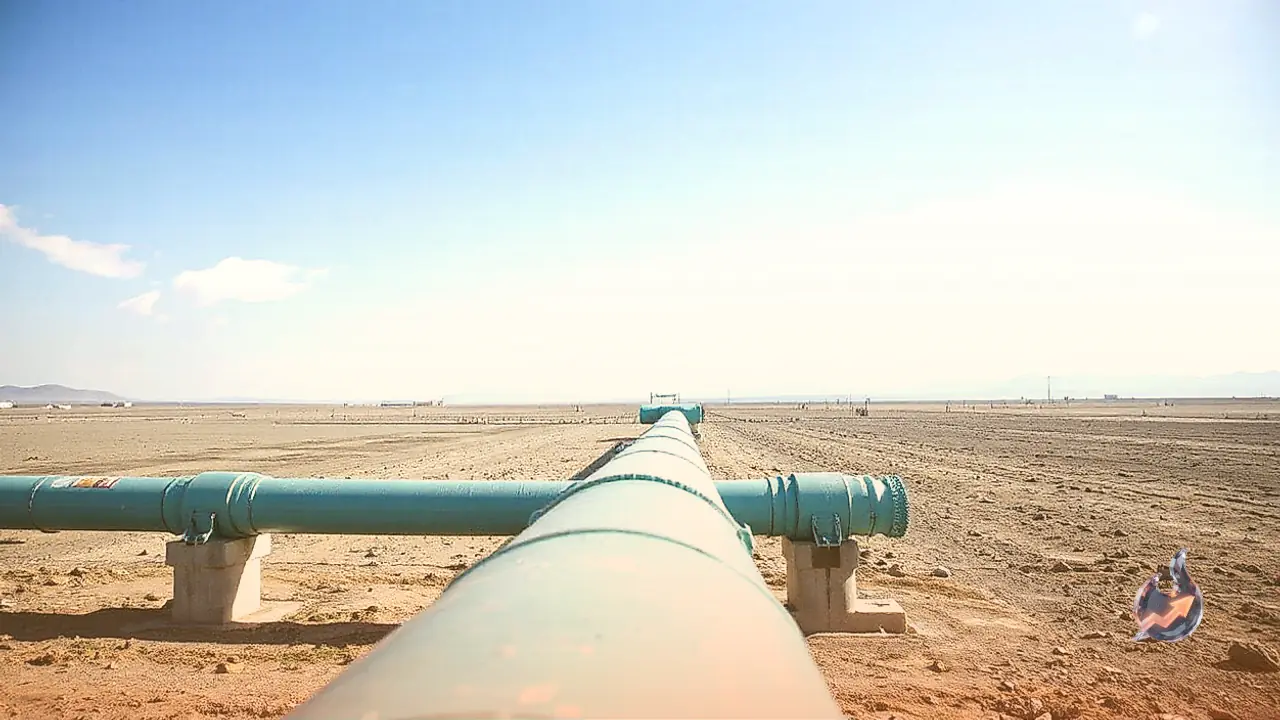
In a major push to deliver this alternative fuel affordably to consumers and industries, China has taken a significant step forward. A specialized 195-kilometer pipeline has commenced operations in the industrial city of Baotou, located in North China's Inner Mongolia autonomous region. This marks China's first long-distance pipeline built exclusively for transporting pure hydrogen over distances exceeding 100 kilometers. According to the state-run Xinhua news agency, the National Energy Administration selected this initiative as part of its early batch of hydrogen-energy pilot projects, viewed as a major breakthrough in reducing supply costs for clean energy.
Overcoming Transport and Storage Obstacles
While hydrogen energy has been pursued globally for years, the high costs of storage and transportation have remained primary hurdles. Until now, moving hydrogen gas over long distances via road tankers has proven to be an expensive endeavor, preventing green hydrogen from expanding on a mass scale. The launch of pipeline supply is expected to dramatically reduce delivery expenses, encouraging the development of nationwide infrastructure. However, constructing a dedicated pipeline for pure hydrogen was technically challenging due to the gas's highly sensitive and flammable nature, which kept such networks restricted to early developmental stages for a long time.
Substantially Lowering Green Hydrogen Supply Costs
The project is operated by the Baotou unit of state-owned power generator China Huadian Corporation. According to Wang Xinyu, director at Inner Mongolia Huadian Hydrogen Energy Technology, the pipeline's annual transport capacity has been approved at 100,000 tons. Most remarkably, the transport cost via this pipeline is projected to drop to around 3 yuan, or roughly 44 U.S. cents, per kilogram. Such low costs will make adoption much easier for industries in the transport, chemical, metallurgical, and gas sectors. Initially, the project will support an annual green hydrogen production capacity of 7,800 tons.
Geographical Advantages for Green Production
Choosing Inner Mongolia for this mega project is backed by solid geographical and natural advantages. The region experiences strong winds and abundant sunlight, providing plentiful wind and solar energy resources. Producing green hydrogen requires splitting water into hydrogen and oxygen through an electrolysis process driven by electricity; when this power comes from solar and wind sources instead of coal, the resulting fuel genuinely qualifies as green energy. The abundance of renewable energy in Inner Mongolia has made large-scale production of affordable green hydrogen feasible.
Impact on Steel, Aviation, and Transport Sectors
Experts note that hydrogen utilization will help China curb carbon emissions in sectors where alternatives to petrol, diesel, or coal are extremely limited. For instance, steel manufacturing plants, heavy freight vehicles, and aviation find it difficult to operate solely on battery power, making pure hydrogen a robust alternative for these industries. Xinhua reports indicate that this project represents a critical turning point for large-scale long-distance pure hydrogen pipeline supply, strengthening the entire green hydrogen industry chain from production and storage to transportation and consumption.
Signaling the Eventual Phasing Out of Petrol and Diesel
If this model of transporting pure hydrogen to cities and industries at exceptionally low costs proves fully successful, its implications will extend far beyond China. Numerous countries that spend billions of dollars on importing traditional fossil fuels are likely to adopt similar technologies. Affordable supply translates to a rapid expansion of hydrogen refueling stations and makes operating hydrogen cars and buses economical for the general public. This 195-kilometer pipeline offers a glimpse into a future transport system where smoke-emitting fossil fuel vehicles are replaced by pure hydrogen machines emitting only water.