























A striking diplomatic contradiction unfolded on October 27 at the United Nations General Assembly when Beijing mounted a vocal offensive against Washington regarding decades-old economic sanctions against Cuba. Fu Cong, China's permanent representative to the international body, demanded an immediate end to the long-standing financial measures directed at Havana. Addressing the assembly, the envoy declared that every sovereign territory possesses equal rights on the world stage and insisted that major powers must never coerce or dominate smaller counterparts. Nevertheless, this strong appeal for territorial integrity and global fairness stands in sharp contrast to Beijing's persistent friction with its own neighboring states across Asia.
The Diplomatic Case Presented in New York
The international gathering was convened under the agenda addressing the urgent necessity of ending the commercial, economic, and financial blockade enforced against Cuba by Washington. Utilizing this forum, Ambassador Fu Cong leveled extensive criticism against American foreign policy directives, accusing the nation of maintaining double standards in international legal governance.
The Chinese delegation stressed that the unilateral embargo on Cuba has persisted for over 60 years despite widespread international pushback. Fu Cong noted that the subject has been formally brought to the United Nations floor on 34 distinct occasions without producing any policy revision from Washington authorities.
Advocating the principle of sovereign parity, Fu Cong insisted that regardless of landmass, economic status, or military weight, every society holds an identical standing within the global framework. He stated that individual nations must retain unfettered autonomy to determine their governance models and socio-economic developmental strategies without external interference.
Beijing further argued that sovereign populations should not face external coercion engineered through judicial overreach or threats of force. The ambassador maintained that the future of Cuba belongs exclusively to its populace. Additionally, the mission argued that unilateral punitive measures enacted without the formal authorization of the UN Security Council run completely counter to international law and established humanitarian norms.
Sovereignty Contradictions Along Asian Borders
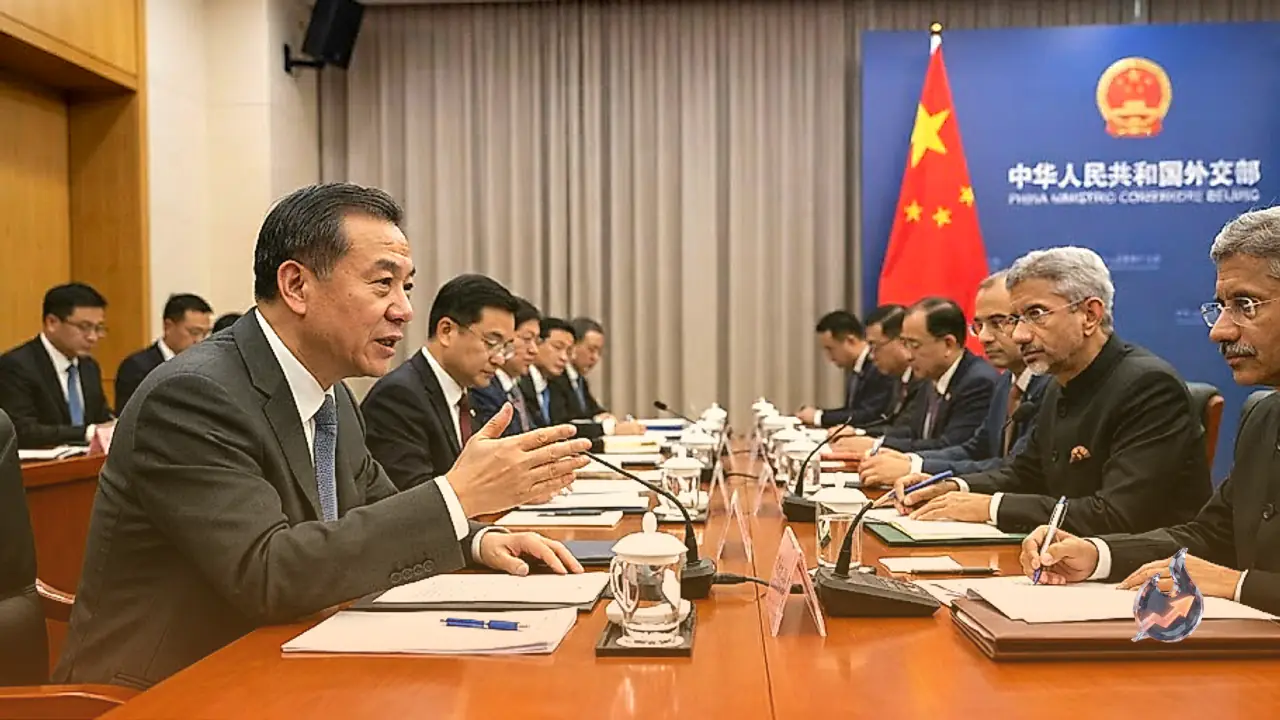
While championing non-interference at international podiums, Beijing's regional maneuvers reveal an entirely different pattern regarding the sovereignty of immediate neighbors like India, Taiwan, the Philippines, and Vietnam. Across both land frontiers and maritime shipping channels, unilateral actions have consistently destabilized regional equilibrium.
In the Himalayan sector, disputes with India remain acute. Beijing continually asserts contested claims over the Indian state of Arunachal Pradesh by arbitrarily rebranding it as southern Tibet. From disputing the historical boundaries established by the 1914 McMahon Line to initiating violent standoffs like the confrontation in Ladakh's Galwan Valley, established protocols have been routinely compromised. In parallel, repetitive administrative moves to assign altered names to geographical points across Indian territory underscore a persistent revisionist policy.
Regarding Taiwan, pressure tactics remain unrelenting. Although the island functions under an autonomous, democratically elected administration, Beijing claims total dominion over its territory. Routine incursions by advanced fighter jets and naval units into Taiwan's air defense identification zones and surrounding maritime waters serve as continual reminders of the military threat facing the island's self-determination.
Tensions remain equally high across the South China Sea. Coastal nations including the Philippines, Vietnam, Malaysia, and Brunei hold internationally recognized exclusive rights over portions of this vital waterway. Defying established maritime law, Beijing has laid sweeping claims across nearly the entire basin, constructing heavily militarized artificial islands fortified with missile batteries. Manila's artisanal fishermen have repeatedly encountered hostile measures, including direct firing and water cannon deployment by Chinese coast guard vessels.
Strategic Leverage via Infrastructure Lending
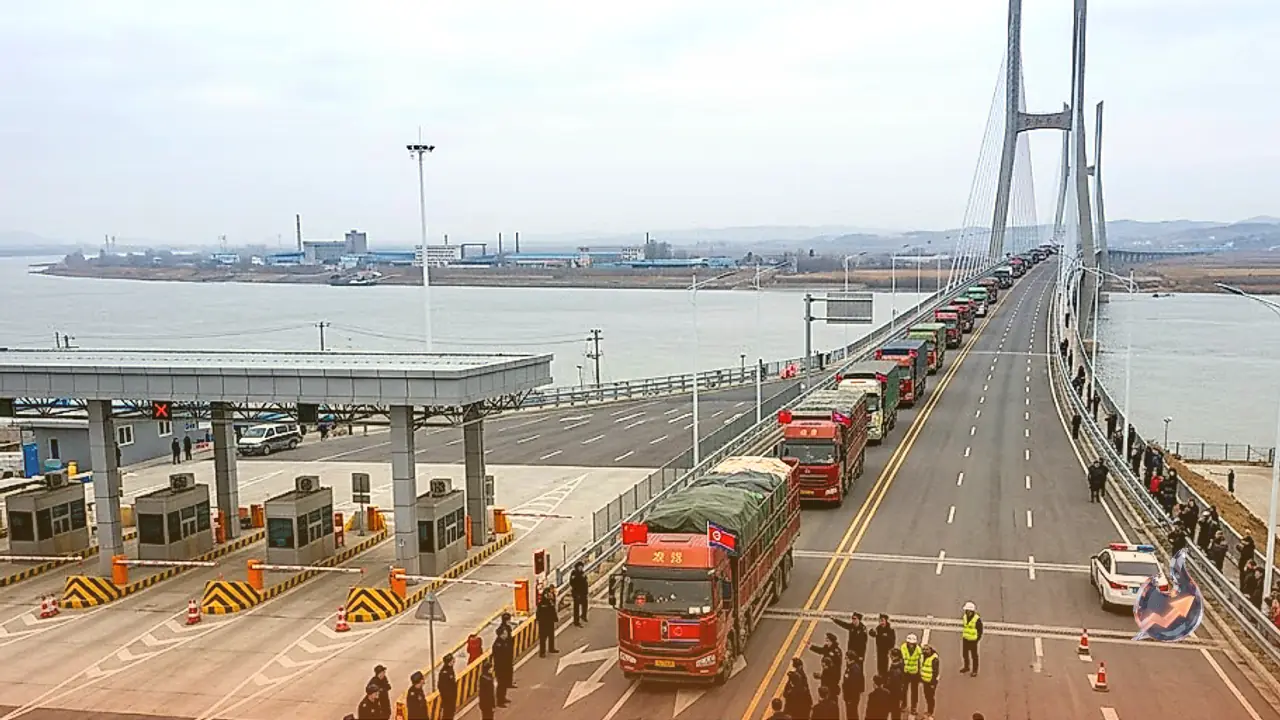
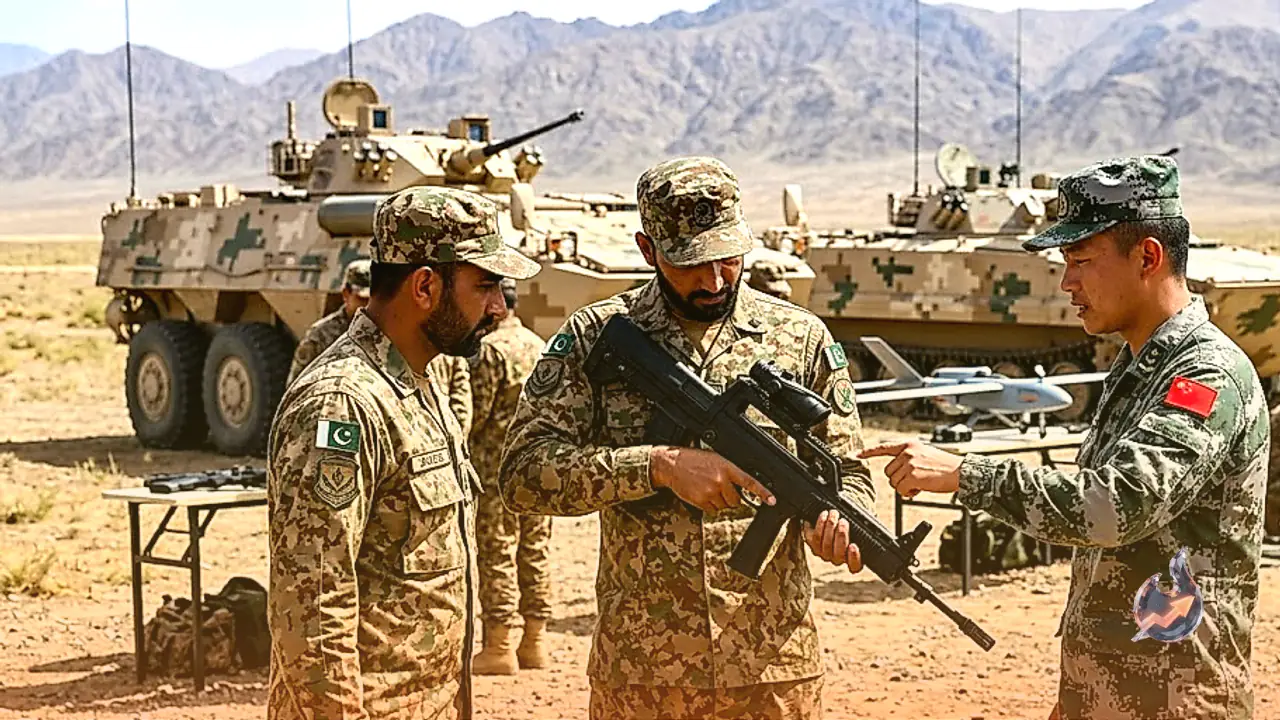
Beyond territorial pressure, Beijing's external engagement frequently utilizes severe debt leverage against economically fragile states. Developing nations across Africa alongside regional states like Sri Lanka and Pakistan have absorbed substantial development loans carrying steep interest charges.
When borrowing nations encounter liquidity crunches and balance-of-payments distress, Beijing has stepped in to acquire direct strategic equity. The transfer of Sri Lanka's vital Hambantota Port under a 99-year lease agreement serves as a stark benchmark for how economic dependency can gradually erode sovereign administrative discretion over vital national infrastructure.
Underlying Motives Behind the Cuban Advocacy
Foreign policy analysts highlight that Beijing's enthusiastic advocacy for Havana is guided by pragmatic geopolitical objectives rather than altruistic international solidarity.
First, the initiative allows Beijing to brand itself as the primary defender of the Global South, positioning itself as an alternative patron for developing governments alienated by Western economic pressure. By taking a front-line posture on Cuban embargoes, it seeks to broaden its diplomatic coalition across Latin America and the African continent.
Second, geographical positioning remains paramount. Situated a short distance from the coastline of Florida, Cuba holds pivotal surveillance and intelligence value. Beneath the umbrella of developmental assistance, Beijing has sought to solidify intelligence monitoring facilities on Cuban soil, granting direct observational proximity to American continental installations.
Finally, the rhetoric serves as legal pre-emption. Beijing anticipates that any eventual military venture against Taiwan would trigger immediate and crushing sanctions from Western alliances. By consistently framing unilateral economic measures as illegal under international statute, it is actively building a diplomatic shield to mitigate future international isolation.
The Scrutiny of Diplomatic Double Standards
The contrast between lecturing global powers on sovereign ethics in New York while employing coercive leverage against bordering states has not gone unnoticed. Regional observers argue that if Beijing truly seeks to champion sovereign equality and respect for international jurisprudence, its first decisive step must involve de-escalating military deployments along disputed borders and respecting the territorial and maritime limits of its neighbors.