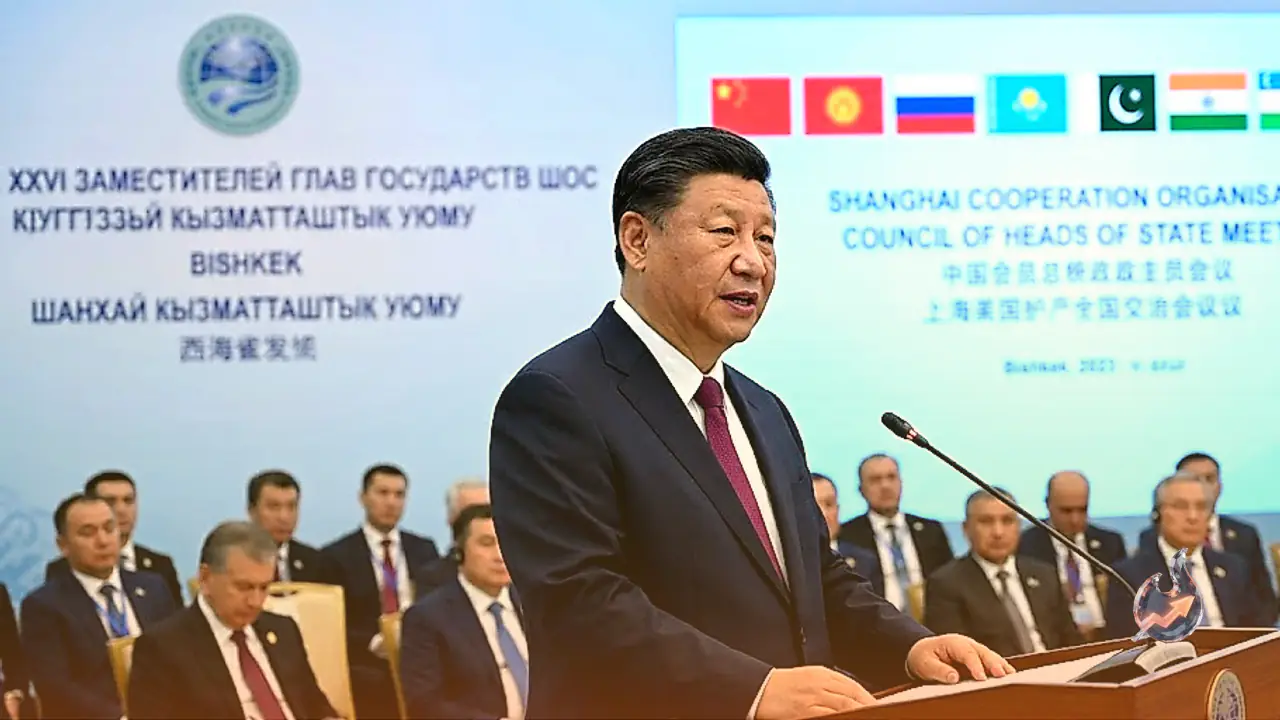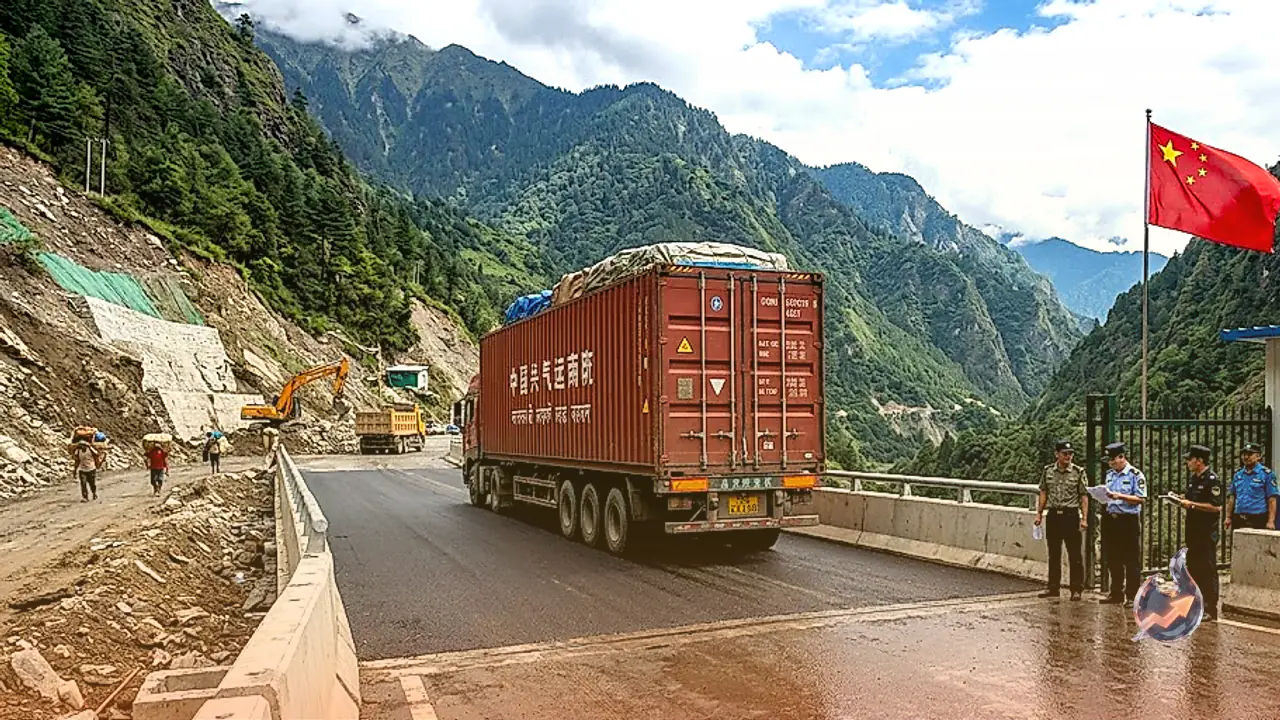





















An impoverished nation where underground mineral wealth has paradoxically turned into a curse finds itself caught in the crosshairs of major global powers eyeing its resources like hawks. The ongoing conflict within the Democratic Republic of Congo possesses the potential to escalate into a massive geopolitical showdown between China and America. Leaders such as Donald Trump and Xi Jinping remain deeply invested in asserting influence over this troubled African state, which consistently ranks among the poorest globally despite sitting atop unprecedented natural treasures.
The Critical Minerals Hidden Beneath Congo's Soil
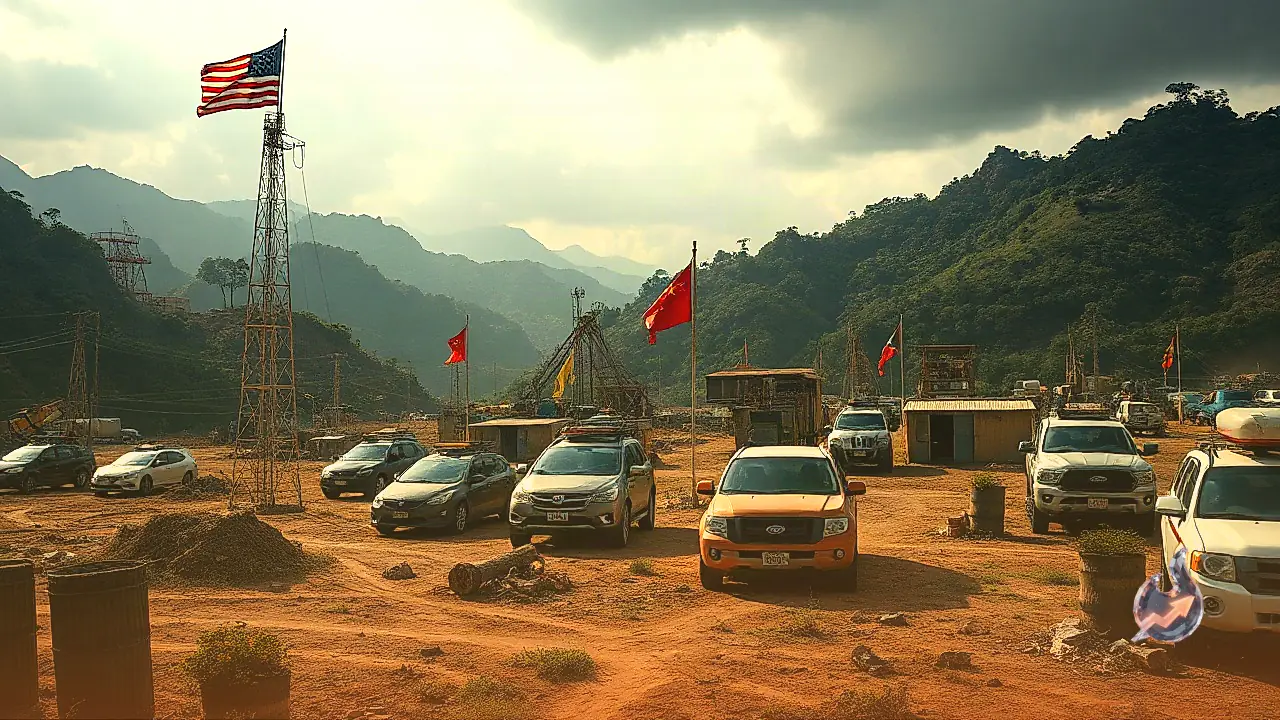
Even though the local population struggles with severe poverty, food scarcity, and decades of relentless civil conflict, Congo remains a vital anchor of global geopolitics due to its massive deposits of rare minerals. These resources serve as the essential raw materials required for manufacturing smartphones, electric vehicles, jet engines, and high-tech defense systems. While China capitalized on the nation's weak governance and economic instability to establish a near-monopoly over its mines, the current administration under Donald Trump has injected billions of dollars to mount a direct challenge in the region.
Congo holds an abundance of natural wealth despite lacking the infrastructure to provide basic roads or daily meals for its citizens. It stands as the world's largest producer of cobalt, the single most critical component necessary for manufacturing electric vehicle batteries. Additionally, it ranks as the second-largest copper producer globally, a metal without which modern electronic infrastructure cannot function. The country's soil also harbors vast reserves of lithium, coltan, manganese, tantalum, tungsten, gold, tin, and diamonds.
Despite possessing such vast riches, the local administration has been unable to utilize them independently due to a severe lack of reliable railways and roads for transportation. Decades of internal violence have further hollowed out the nation's framework, leaving an opening that external actors readily exploited.
China demonstrated a willingness to take investment risks in regions where Western nations traditionally hesitated. During the height of the civil war, Chinese enterprises entered Congo and deployed substantial financial resources. Consequently, approximately 80 percent of the nation's critical mineral mines and production operations currently operate under Chinese ownership or influence.
Beyond merely extracting raw minerals, Beijing extended its grip across the entire processing and refining pipeline. China controls more than 90 percent of the global refining business for commercial-grade cobalt chemicals and holds sway over 80 percent of the market for battery-grade cobalt sulphate. Furthermore, it commands over 50 percent of the production capacity for finished copper.
By shipping raw minerals directly to domestic facilities for processing, China successfully positioned itself at the steering wheel of the global technology and automotive supply chains. This dominant position allowed Beijing to occasionally leverage its supply dominance as a diplomatic tool against rival powers.
Alarmed by China's expanding influence, Washington recognized that any sudden disruption in these supply chains could cripple American technology and defense sectors. Consequently, establishing secure new supply chains for critical minerals emerged as a top national security priority for the United States.
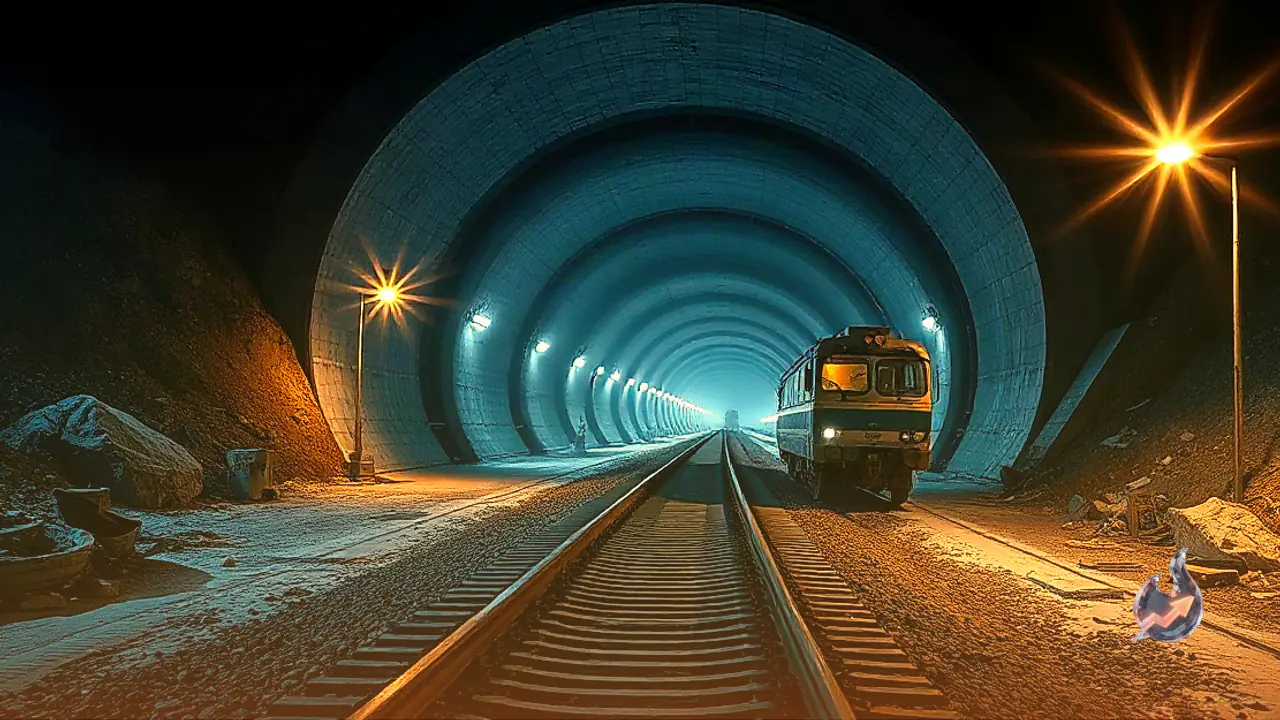
To counter Beijing's dominance, America prioritized heavy investments in regional transportation infrastructure by championing the Lobito Corridor project. This expansive 1,300-kilometer railway initiative connects the Atlantic port of Angola directly to the copper belts of Congo and Zambia. Funded by a budget exceeding 6 billion dollars, the project includes a financial commitment of over 4 billion dollars from the United States alone.
This funding incorporates a 55.3 million dollar loan from the U.S. International Development Finance Corporation. The railway aims to transport Congo's mineral wealth efficiently and economically to Western markets, completely bypassing Chinese transit routes.
The eastern territories of Congo, home to the most substantial mineral deposits, have simultaneously served as the epicenter of violent conflict. An influential rebel faction known as M23 has waged an active armed campaign against the government, with several international observers pointing to support from neighboring Rwanda. The group has carved out a distinct war economy by seizing control of lucrative mining zones.
To suppress this violence and clear safe pathways for allied corporations, the United States orchestrated diplomatic interventions. Mediated discussions led to a peace agreement signed between Congo and Rwanda on June 27, 2025. Subsequently, in December 2025, U.S. President Donald Trump hosted the leaders of both nations to formally sign the Washington Accords for Peace and Prosperity.
Concurrently, the Regional Economic Integration Framework was adopted to facilitate direct private investment opportunities for American corporations in both nations. As an enforcement measure, the U.S. Treasury Department also imposed strict sanctions on the Rwanda Defense Force and four of its senior military officials over allegations of providing logistical support to the M23 rebels.