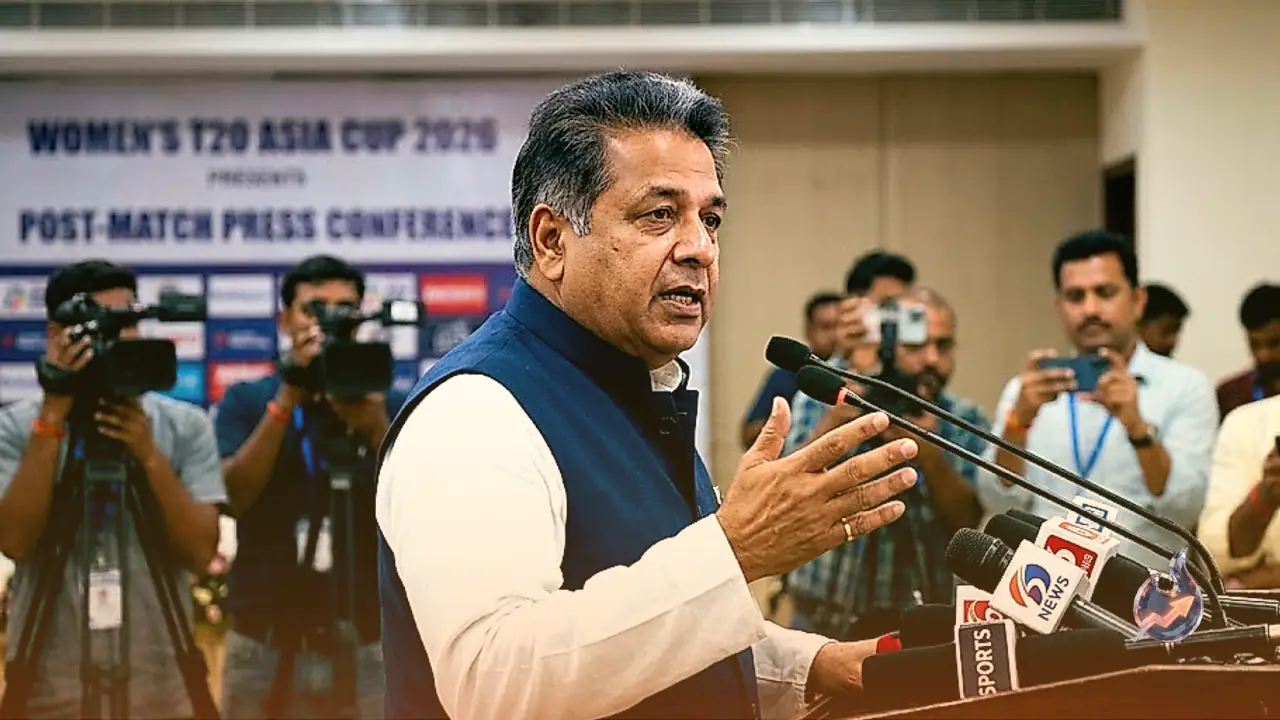



















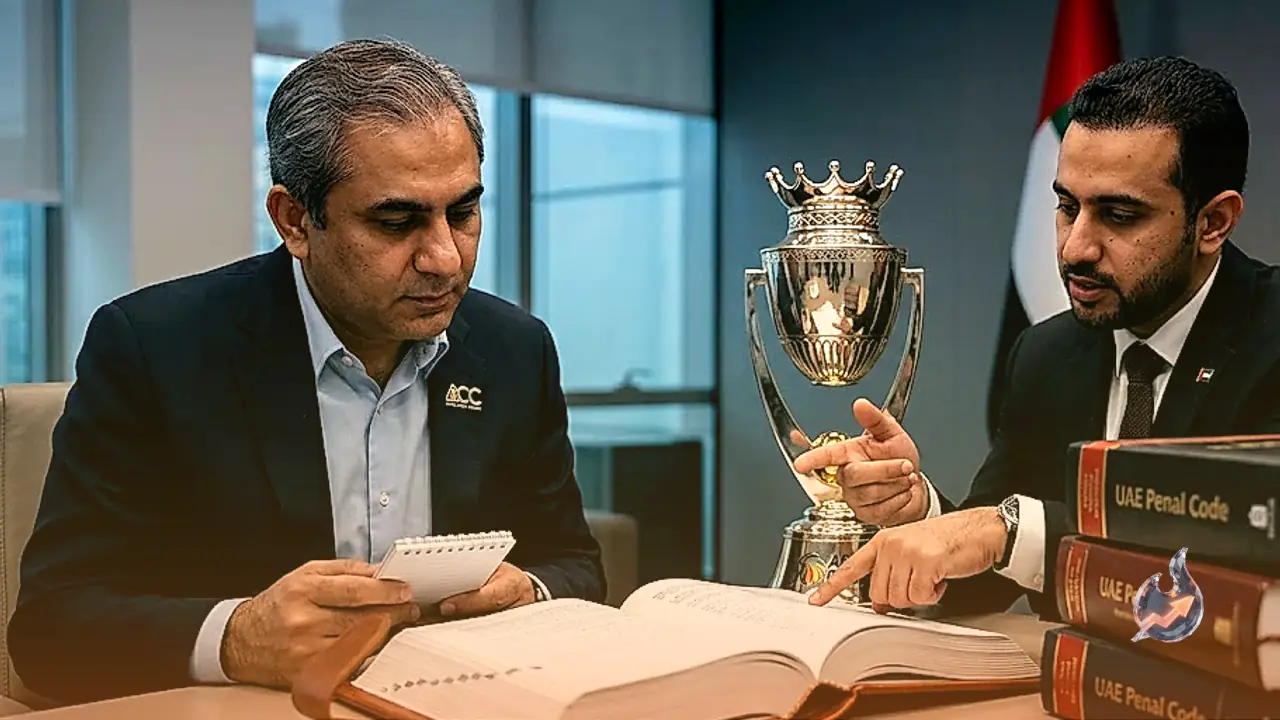

A high-profile cricketing controversy has shifted from the pitch to administrative and legal deliberations following consecutive standoff events at major Asian tournaments. The refusal of Indian cricket teams to accept championship silverware from Asian Cricket Council (ACC) chairman and Pakistan interior minister Mohsin Naqvi has triggered widespread questions regarding legal recourse under United Arab Emirates (UAE) jurisdiction. While discussions have surfaced regarding the potential implications of an official criminal complaint, the underlying scenario involves complex questions of administrative protocol and legal ownership rather than a straightforward criminal act.
The Standoff Across Men's and Women's Finals
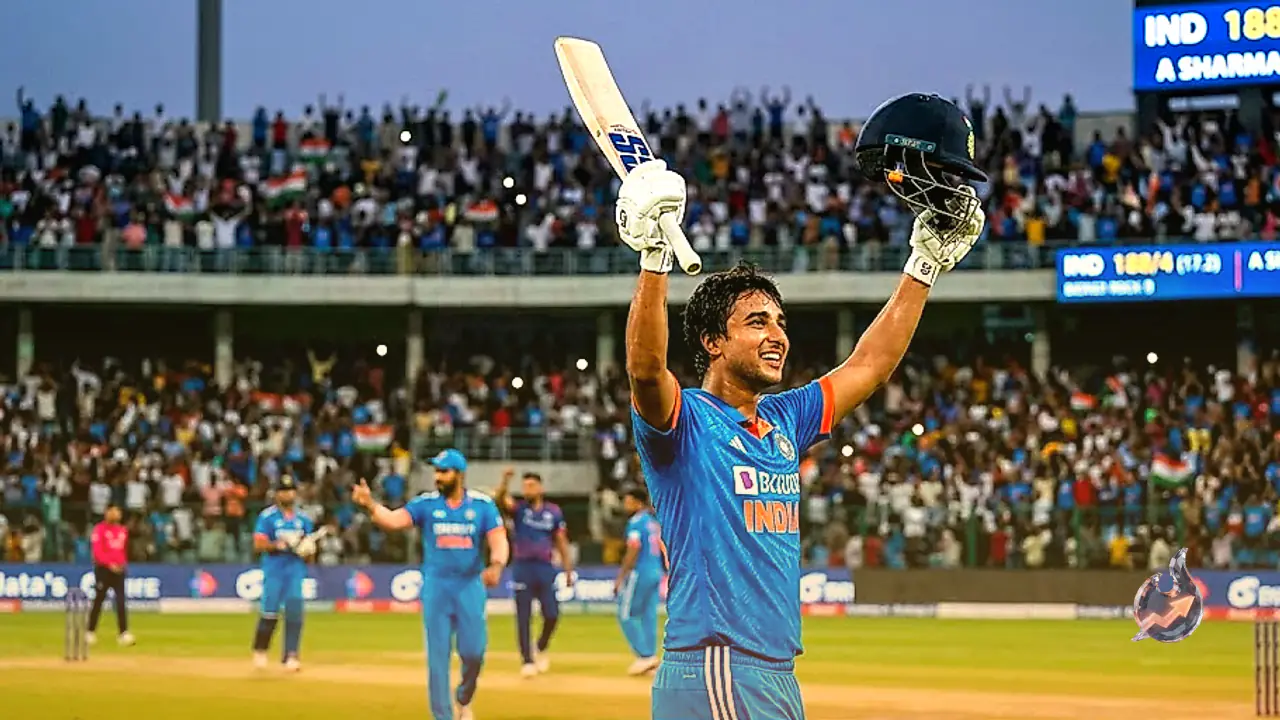
The origins of the present friction trace back to the conclusion of the 2025 Men's Asia Cup final, where India defeated Pakistan to secure the title. Following the match, the Indian squad declined to receive the winners' trophy from Naqvi in his capacity as ACC chairman. The disagreement caused significant delays to the post-match presentation ceremony, and the Indian contingent ultimately departed without collecting the trophy. Addressing the development, BCCI secretary Debajit Saikia stated that India decided not to take the trophy from the ACC chairman and that the board would raise the issue before the ICC.
A remarkably similar dispute unfolded during the 2026 Women's Asia Cup final. India emerged victorious by defeating Sri Lanka, yet the team once again refrained from collecting the silverware from Naqvi. Prior to that fixture, the BCCI had formally notified the ACC of its clear stance, communicating that if Naqvi remained designated to present the trophy on stage, the Indian team would not participate in the presentation ceremony. Following the presentations, Naqvi exited the stage with the trophy, prompting broader debate over its possession.
Provisions Under UAE Federal Decree Law
The persistence of the dispute has sparked discussions regarding what statutory provisions would apply should an official complaint ever be pursued regarding unauthorized retention of the trophy under UAE law. Under UAE Federal Law by Decree No. 31 of 2021, theft is broadly defined as the wrongful appropriation or possession of movable property belonging to another entity or individual.
Under Article 443 of the aforementioned decree law, standard theft offenses that do not involve aggravating circumstances carry a penalty of at least six months of imprisonment or a fine. Where specific aggravating factors exist, Article 442 establishes a minimum prison sentence of one year. Furthermore, Article 441 deals with offenses committed during night hours or involving weapons, carrying sentences ranging from two to seven years of imprisonment, with extreme scenarios under the law permitting terms up to life imprisonment.
Legal Ownership and Adjudication Hurdles
Applying penal theft provisions directly to this administrative dispute presents significant legal hurdles. Any court evaluating such a matter would first need to examine the precise legal ownership of the trophy, establishing whether it legally belongs to the tournament organizer, the participating board, or the governing council. Additionally, the judicial evaluation would have to determine the specific authority through which Naqvi held custody of the trophy in his official role as ACC head.
Furthermore, proceedings would require establishing whether an explicit demand for the return of the property was formally communicated and whether there existed any proven fraudulent intent to retain possession unlawfully. As of now, there is no official evidence demonstrating theft; the dispute revolves around India's refusal to accept the trophy from him and his departure from the dais with the item. Unless an official complaint is lodged and all requisite elements of criminal appropriation are substantiated, the dispute remains primarily a matter of cricketing governance centered on title rights, lawful custody, and administrative protocol.