



















The name MS Dhoni evokes vivid memories of the 2007 T20 World Cup, the 2011 ODI World Cup, and the 2013 Champions Trophy, victories that permanently altered the landscape of Indian cricket. Representing India in the national jersey from 2004 to 2019, Dhoni established himself as one of the game's greatest captains and ultimate match-finishers. Yet, the foundation of this illustrious career was laid on a humble ground in Jamshedpur, where former Indian captain Sourav Ganguly recognized his raw talent. Dhoni's journey from a small town cricketer to a global sporting icon stands as one of the most inspirational chapters in modern sports history.
Sourav Ganguly's Quiet Visit to Jamshedpur and Saba Karim's Insight
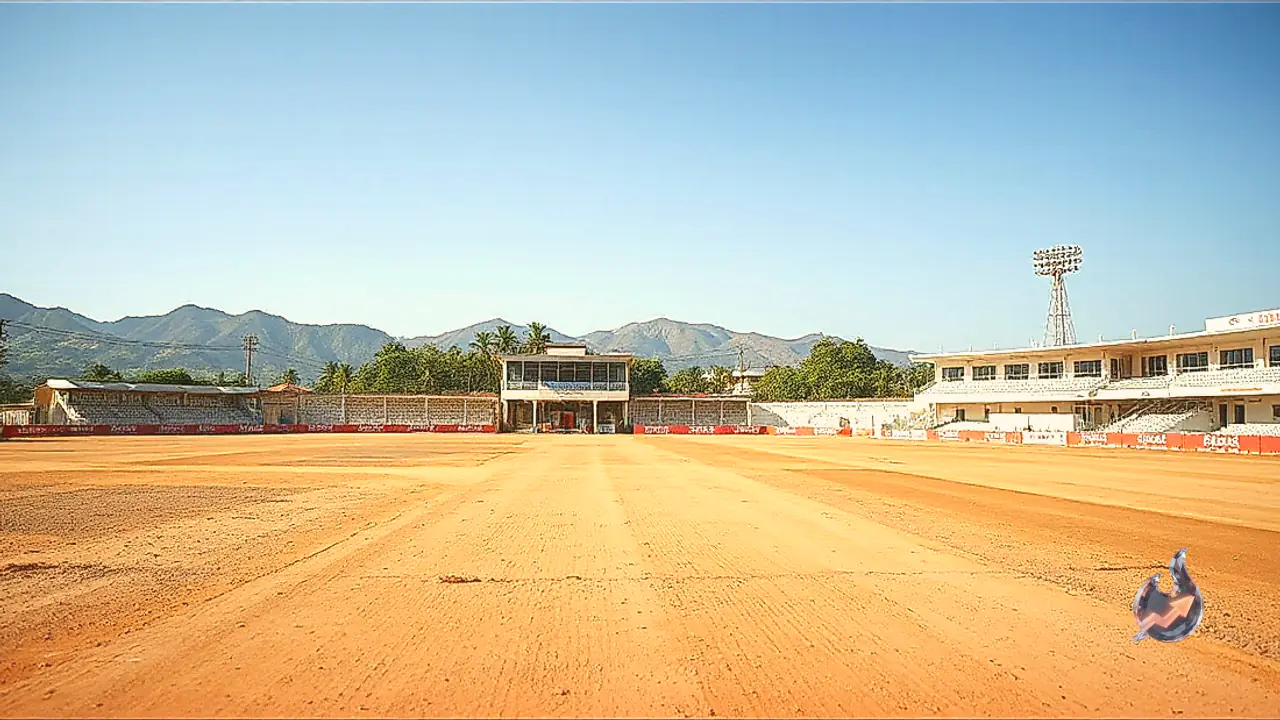
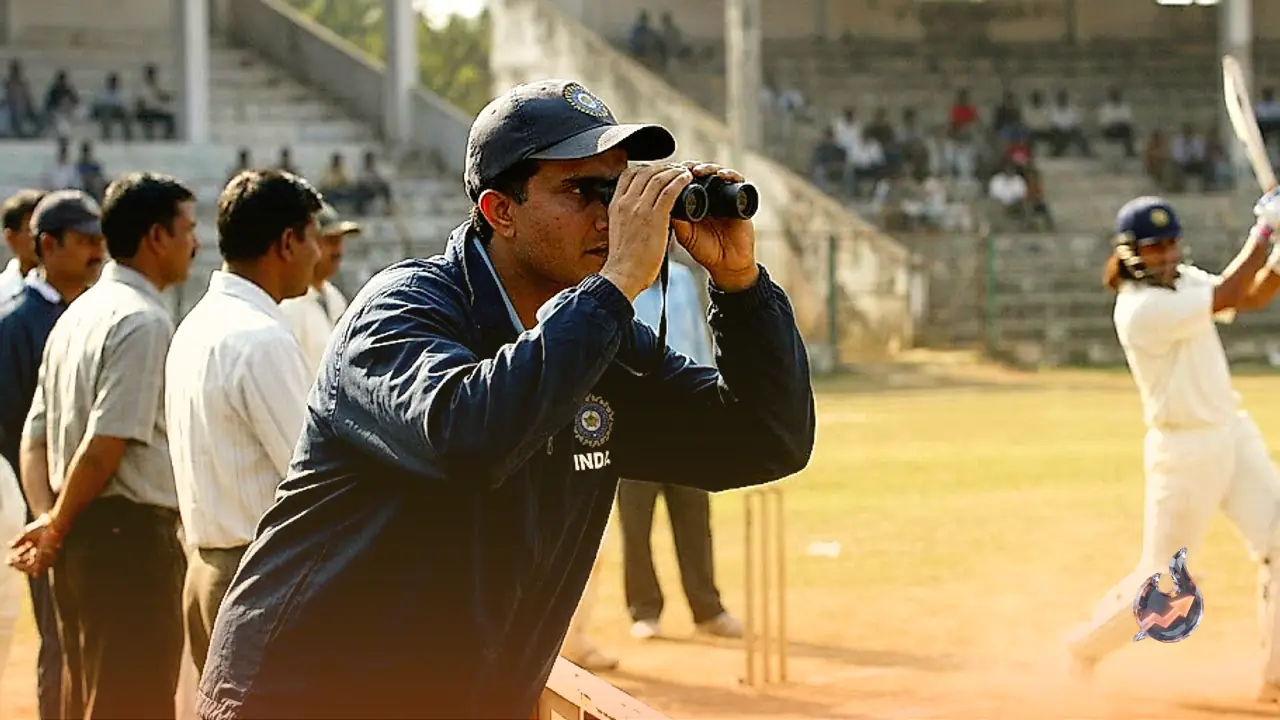
During the early days when MS Dhoni was making a name for himself in domestic cricket circles, he lacked formal backing from elite academies or influential recommendation cards. What he possessed was natural power and an extraordinary ability to clear the boundary with ease. Former Indian captain Sourav Ganguly, known for his knack for identifying aggressive young talent, shared a captivating memory during a podcast interview. Ganguly revealed that while Dhoni was playing a match in Jamshedpur, he traveled to the venue without any fanfare to observe him in action.
Dhoni was entirely unaware that the captain of the Indian national team was watching him closely from a discrete corner of the stadium. During the match, former cricketer Saba Karim pointed Dhoni out to Ganguly, emphasizing that the young batter possessed remarkable skill in hitting massive sixes. Ganguly watched Dhoni's fearless strokeplay and ball-striking timing, quickly realizing that the young player possessed a rare caliber that deserved immediate national attention.
Fast-Tracking to 'India A' and the Wankhede Roof-Hitting Display
Impressed by what he witnessed, Sourav Ganguly wasted no time in fast-tracking MS Dhoni directly into the 'India A' squad. Ganguly maintained the philosophy that delaying the progression of exceptionally gifted young athletes in slow domestic competitions risks dulling their natural aggression and enthusiasm. Giving raw talent an early opportunity on bigger platforms is essential to shaping world-class competitors.
Under Ganguly's captaincy, Dhoni was given an opportunity to play a major fixture at Mumbai's iconic Wankhede Stadium. Dhoni capitalized on the opportunity by scoring a magnificent century while electrifying the crowd with his fearless batting. During that innings, several of his colossal hits launched the ball straight onto the stadium roof. Witnessing this dominant performance convinced Ganguly that holding Dhoni back would amount to holding back the future of Indian cricket itself.
International Debut in 2004 and the Historic 2007 T20 World Cup Captaincy
Making his international debut for Team India in 2004, MS Dhoni rapidly carved out a unique identity on the global stage. His explosive lower-order batting paired with lightning-fast wicketkeeping captivated fans and selectors alike. However, the defining pivot of his career arrived when selectors placed their faith in him to lead a youthful Indian squad at the inaugural T20 World Cup in 2007 held in South Africa.
Playing with freedom and unyielding resolve in South Africa, Dhoni's young team marched through the tournament to claim the world title. The triumph not only inaugurated a new era for T20 cricket in India but also established Dhoni as an exceptionally astute tactical leader capable of managing high-pressure situations with composure.
The White-Ball Treble and Ending the 28-Year World Cup Drought in 2011
The 2007 victory marked the opening chapter of a golden period under Dhoni's stewardship. Four years later, in 2011, India ended a 28-year wait since 1983 by lifting the 50-over ODI World Cup on home soil, sealed by Dhoni's iconic match-winning six in the final in Mumbai. The victory united a nation and reaffirmed India's dominance in international cricket.
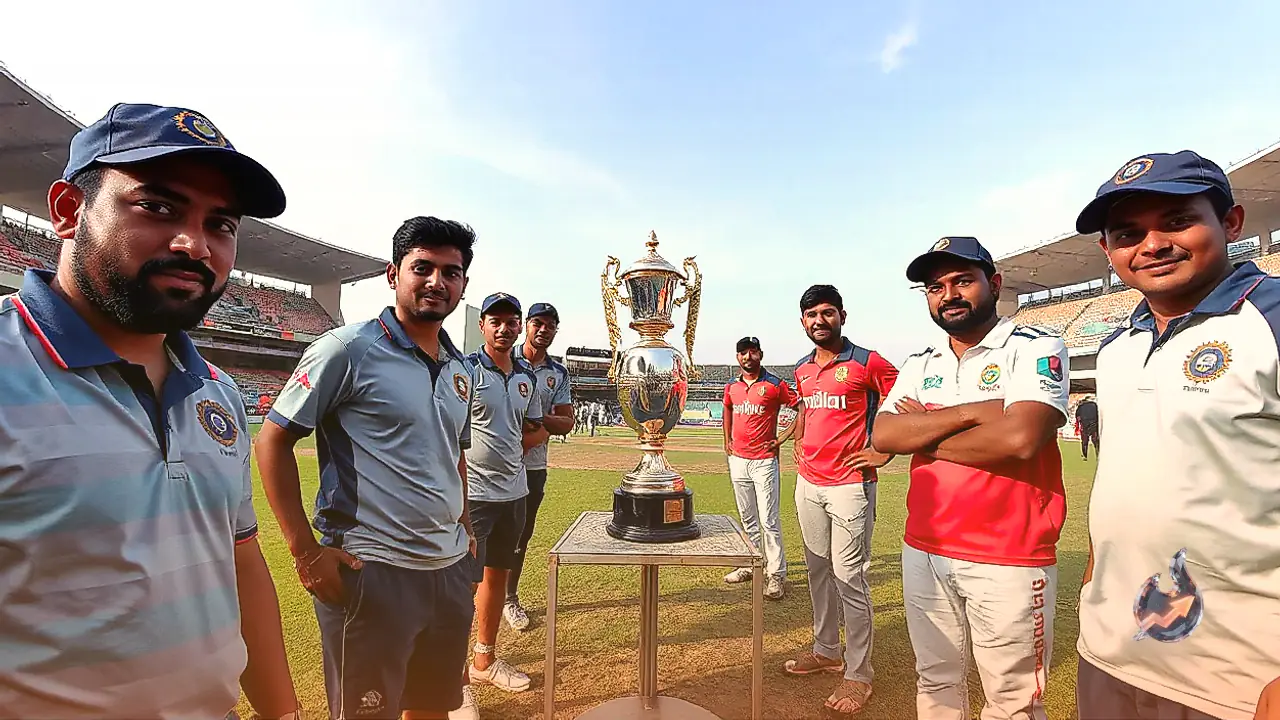
In 2013, Dhoni led India to victory in the ICC Champions Trophy in England, achieving a milestone that remains unmatched in international cricket history. He became the only captain to win all three major ICC white-ball trophies: the T20 World Cup, the 50-over World Cup, and the Champions Trophy.
A 16-Year International Era and 538 Matches Across Formats
Statistically, Dhoni's 16-year international career spanning from 2004 to 2019 reflects extraordinary consistency and stamina. He represented India in 538 international matches across all formats. Among these were 350 One Day Internationals, where his calm demeanor under pressure turned numerous seemingly lost matches into victories.
In red-ball cricket, Dhoni captained India in 90 Test matches, guiding the team to the top of the ICC Test rankings for the first time in history. Additionally, he featured in 98 T20 Internationals, setting benchmarks for glovework, tactical field placements, and power hitting in the shortest format.
Final Match Against New Zealand and the August 15 Farewell
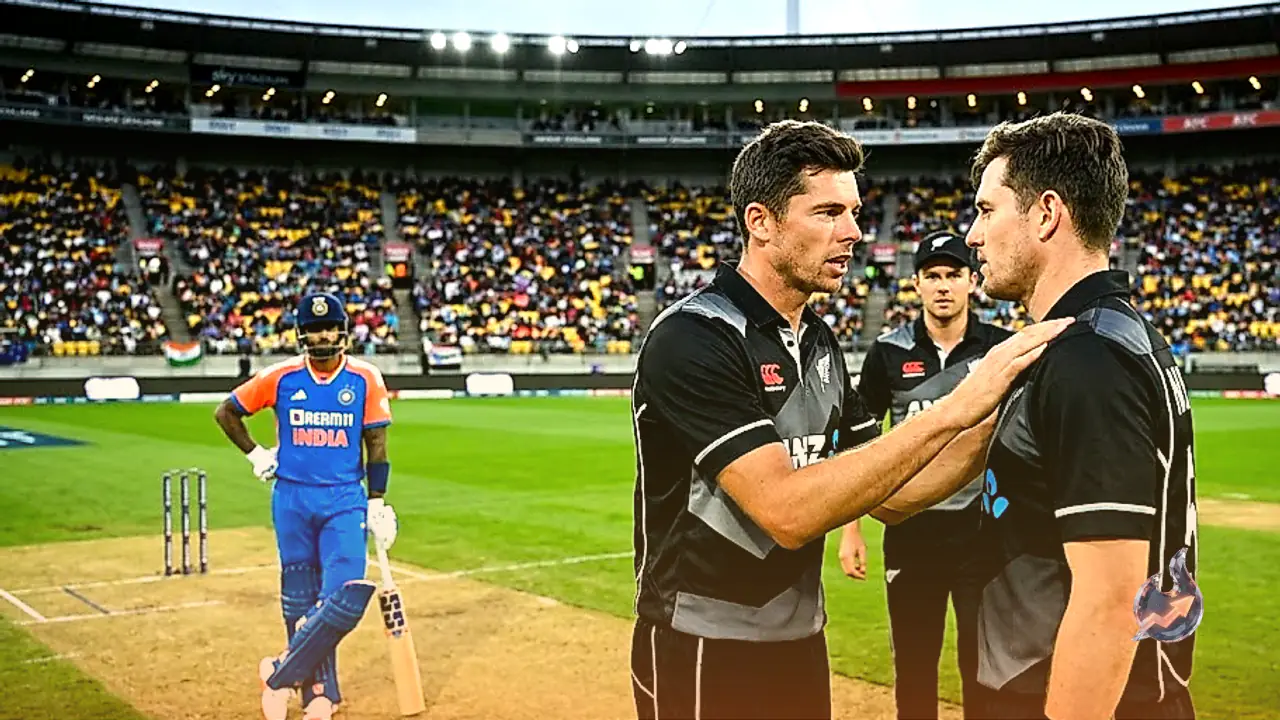
Every great sporting saga eventually reaches its conclusion, and Dhoni's international career ended in emotional fashion. His final international appearance came in July 2019 during the World Cup semi-final against New Zealand. While cricket enthusiasts eagerly awaited a potential return, Dhoni selected a quiet, understated manner to step away from international cricket.
On August 15, 2020, as India celebrated its Independence Day, Dhoni shared a modest video on his Instagram account at 7:29 PM. Expressing gratitude for the immense love and support he received throughout his journey, he simply requested fans to consider him retired from 1929 hours. From the quiet grounds of Jamshedpur to lifting world trophies, Dhoni's journey demonstrates how passion guided by visionary leadership leaves an indelible mark on sports history.