





















India established a commanding position on the opening day of the first Test match against Sri Lanka at Galle, driven by a masterclass in patient title-building. Batting at the key number three position, Devdutt Padikkal registered his maiden international Test century, remaining unbeaten on 131 runs by the close of play. Supported by solid partnerships, India reached 288 for the loss of two wickets at stumps, capitalizing on a disciplined approach against the hosts' bowling attack.
Targeted Technical Preparation and Backfoot Mastery
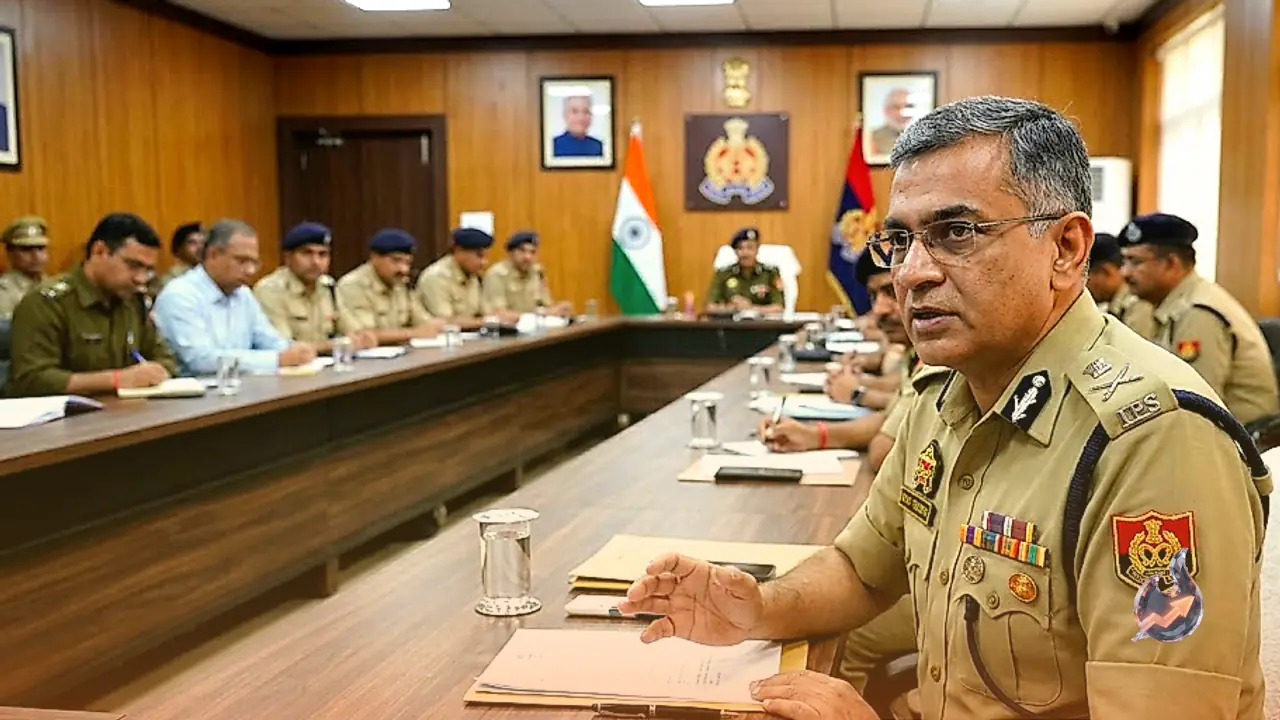
Addressing reporters during the post-day press conference, India batting coach Sitanshu Kotak expressed great satisfaction with Padikkal's performance. Kotak emphasized that Padikkal had earned this breakthrough moment through patient waiting and relentless preparation during warm-up fixtures and training sessions. The coaching staff took note of his dedication, which translated directly into match-winning execution on the field.
Kotak revealed that Padikkal spent significant time fine-tuning his technique at the National Cricket Academy, also known as the BCCI Center of Excellence. Anticipating pitch conditions in Galle that would offer substantial turn to spinners, the focus was shifted toward refining his backfoot game. Training sessions included targeted work on playing off the backfoot, advancing down the pitch to disrupt length, and utilizing sweep shots to control the tempo against spin.
On-Field Blueprint Execution: Sweeps and Dominance Against Spin
Padikkal's century was a testament to the tactical blueprint established during training. Throughout his innings, he maintained total control by remaining compact on the backfoot while punishing loose deliveries. When Sri Lankan spinners attempted to build pressure, Padikkal decisively stepped out of his crease. A standout moment occurred when he advanced down the track against left-arm spinner Prabath Jayasuriya, launching a spectacular six over long-on.
Furthermore, Padikkal effectively countered Sri Lanka's spin attack by deploying the sweep shot with precision. He accumulated approximately 40 runs solely through sweep shots during his unbeaten 131-run knock. His ability to read length early and select high-percentage scoring options kept the scoreboard moving smoothly without offering clear chances to the fielding side.
Selection Dynamics and Flexibility in the Top Order
Padikkal's standout innings introduces a healthy selection dilemma for the team management, especially with regular number three batter Sai Sudharsan set to return after recovering from a toe injury. Questions remain regarding how the middle and top-order combinations will shape up in upcoming matches once all options are fully fit.
Addressing the composition of the batting order, Kotak reiterated that tactical adaptability holds greater weight than rigid position assignments. Kotak remarked, "For me, how they adapt to conditions and navigate different match phases matters more than batting at number three, four, or five." He noted that both Padikkal and Sai Sudharsan possess the skill set required to handle the new ball, making them suitable for opening the innings or batting at number three, thereby granting the side valuable tactical flexibility.