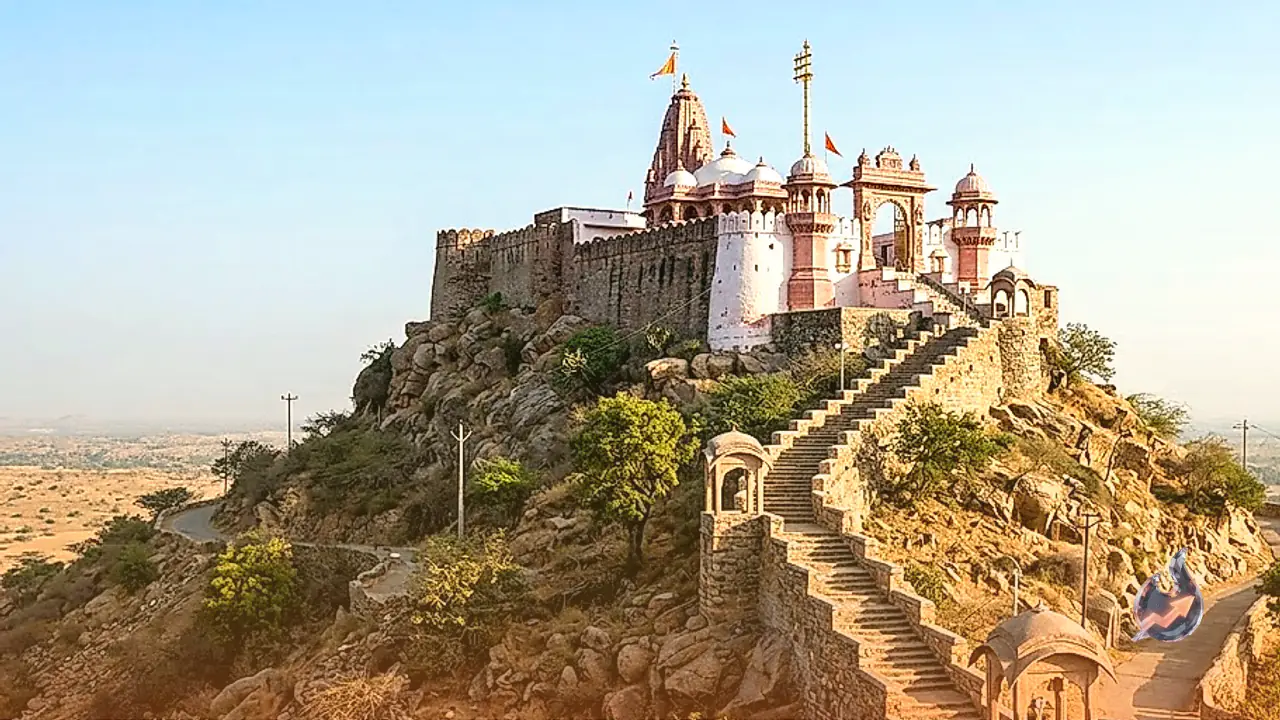
















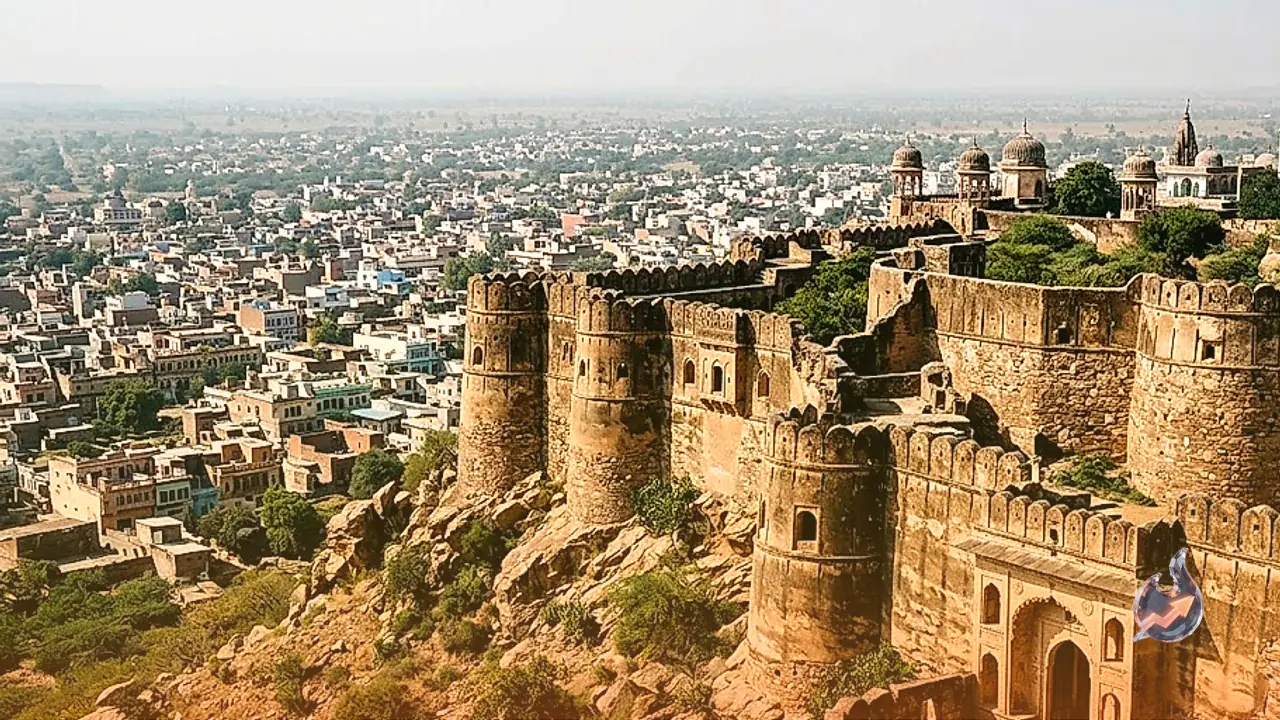

Standing tall on a prominent hill in the city of Jhunjhunu, the Badalgarh fort is much more than just an ancient military structure. It represents a living legacy of Shekhawati valour, traditional architecture, deep faith, and communal harmony. While the sturdy walls of this fort speak volumes about the military conquests of the Shekhawat rulers, the ancient temples and the Sufi shrine situated within its premises convey a powerful message of religious coexistence and cultural unity. Holding centuries of history within its boundaries, this historic citadel remains a vital component of Jhunjhunu's heritage identity.
Origins Tied to the 16th Century and Kaimkhani Nawabs
The history of Badalgarh dates back to the sixteenth century. During that era, Jhunjhunu was under the rule of the Kaimkhani Nawabs. The Nawab of that time, Faizal Khan, commissioned the construction of this strategic fort on a high hill overlooking the city. Because of its founder, the stronghold was originally named Faizalgarh. Perched on an elevation, the location offered significant tactical advantages, allowing guards to keep a close watch on the eastern, northern, and southern approaches of the city. Additionally, the hilltop position made the fort an ideal and secure storehouse for weaponry and military supplies.
Shardul Singh Defeats the Nawab and Establishes Shekhawat Rule
Historical accounts indicate that Shardul Singh, a Shekhawat ruler from the Amer-Jaipur region, expanded his territories and marched toward Jhunjhunu through the traditional routes of Jeenmata, Tokchhilari, Kirodi, and Lohargal. In the year 1730, he defeated the reigning Nawab Rohila Khan in battle and captured the fort. Following this victory, the stronghold was renamed Badalgarh. Tradition suggests the name was inspired by its location amidst the clouds atop the hill. The capture of Badalgarh marked a crucial milestone in the expansion of Shekhawat dominion. Subsequently, Shardul Singh defeated other neighboring Nawabs to bring a large portion of the district under his control, eventually entrusting the fort to his fifth son, Thakur Kesari Singh.
Thakur Kesari Singh Commissions Temples and Deities
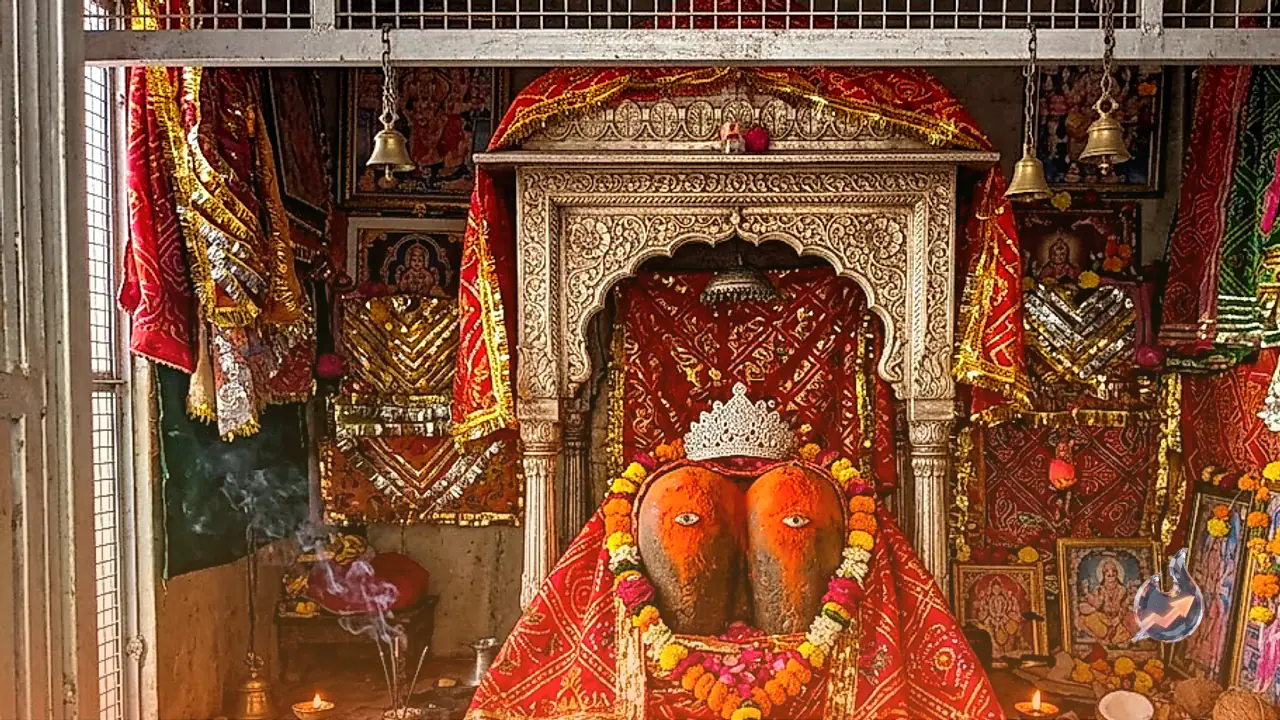
In the year 1737, Thakur Kesari Singh supervised the construction of a temple inside Badalgarh. Standing statues of Lord Vishnu and Goddess Lakshmi were installed alongside idols of Lord Shiva and Goddess Durga. During the Shekhawat era, special rituals and prayers were conducted at the fort during major festivals such as Dhanteras, Diwali, Ramnavami, Dussehra, and Navratri. These occasions traditionally featured the worship of weapons. Consequently, Badalgarh served not merely as a center of governance and defense, but also as a vibrant hub of religious and cultural activities that reflected the social life of the period.
Temples and Dargah Symbolize Brotherhood and Shared Heritage
The most distinctive feature of Badalgarh is the close proximity of its diverse religious sites. On one side of the fort stands a Durga temple, while the other side houses the Dargah of Hazrat Ismail Rahmatullah Aleh. These two sites vividly demonstrate the shared cultural heritage and religious diversity of the region. According to historical records, after securing the fort, Shardul Singh erected a wall to separate the Dargah portion from the interior of the citadel. Small shrines dedicated to Goddess Durga and Bajrang Bali were also constructed inside the fort, and the structure of the main entrance was modified. In later years, Jugalkishore Birla of the prominent Birla family played a pivotal role in giving the Durga temple its present architectural form.
Ownership Transitions and the Birla Family Museum Plan
Following India's independence, changes in laws governing princely states brought alterations to the ownership of Badalgarh. In the wake of 1950 government orders limiting royal families to retaining a single palace or fort, the ruling ruler Rawal Harnath Singh Shekhawat sold the property to L.N. Birla. The Birla family envisioned converting the fort into a museum for public heritage display. A supervisory committee was established for this purpose, with Rawal Madan Singh Nawalgarh serving as its first chairman, followed later by Raghuvir Singh Shekhawat of Dundlod. Until a few years ago, celebrations marking the birth anniversary of Shardul Singh and special prayers on Dussehra were regularly held at the site, alongside traditional worship and night vigils during Navratri. At present, the fort falls under the administrative jurisdiction of the Dundlod Thikana.
Preserving History and Promoting Heritage Tourism Potential
Badalgarh is among those historical landmarks of Jhunjhunu that can successfully connect younger generations with their glorious past. The site offers a rare opportunity to experience the military history of the Shekhawat rulers, traditional architecture, religious temple traditions, and a shared communal heritage all in one location. With regular maintenance, structural conservation, and systematic promotion of its history, Badalgarh can be developed into a prominent landmark for heritage tourism in the region. Such efforts would not only foster local historical awareness but also strengthen cultural tourism prospects. Preserving Badalgarh is essential to ensuring that Jhunjhunu's rich historical legacy endures for future generations.