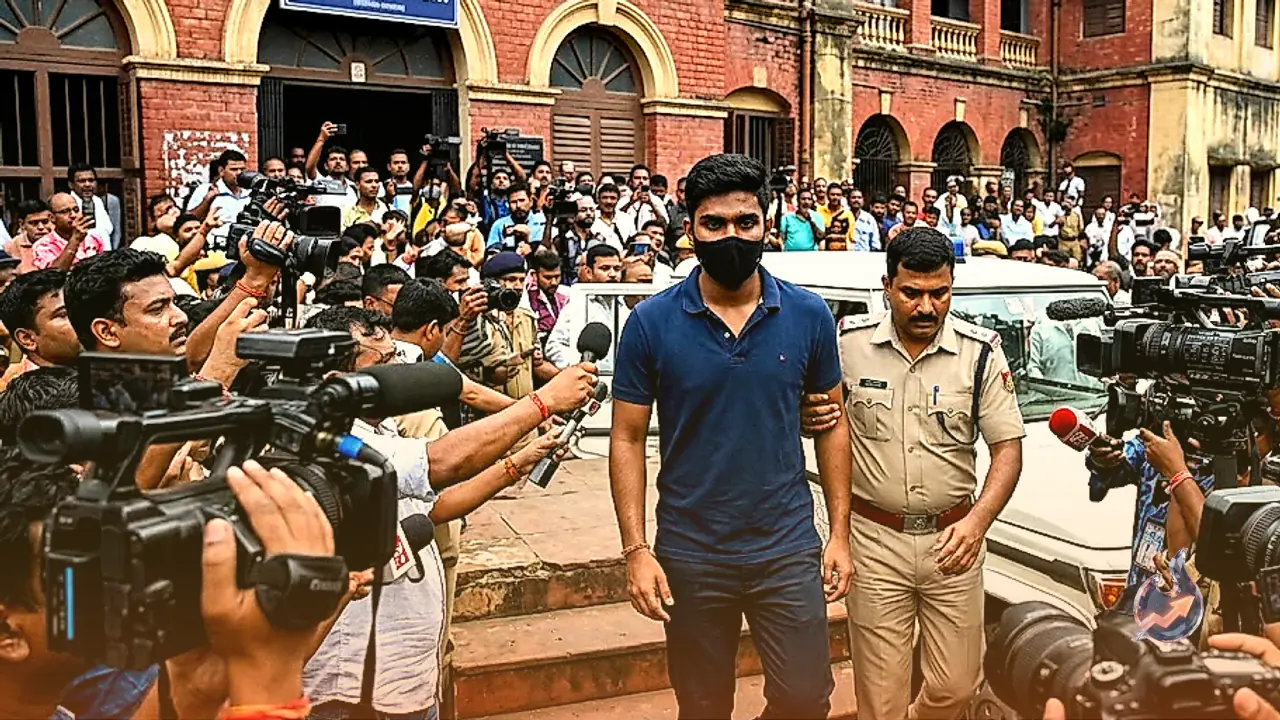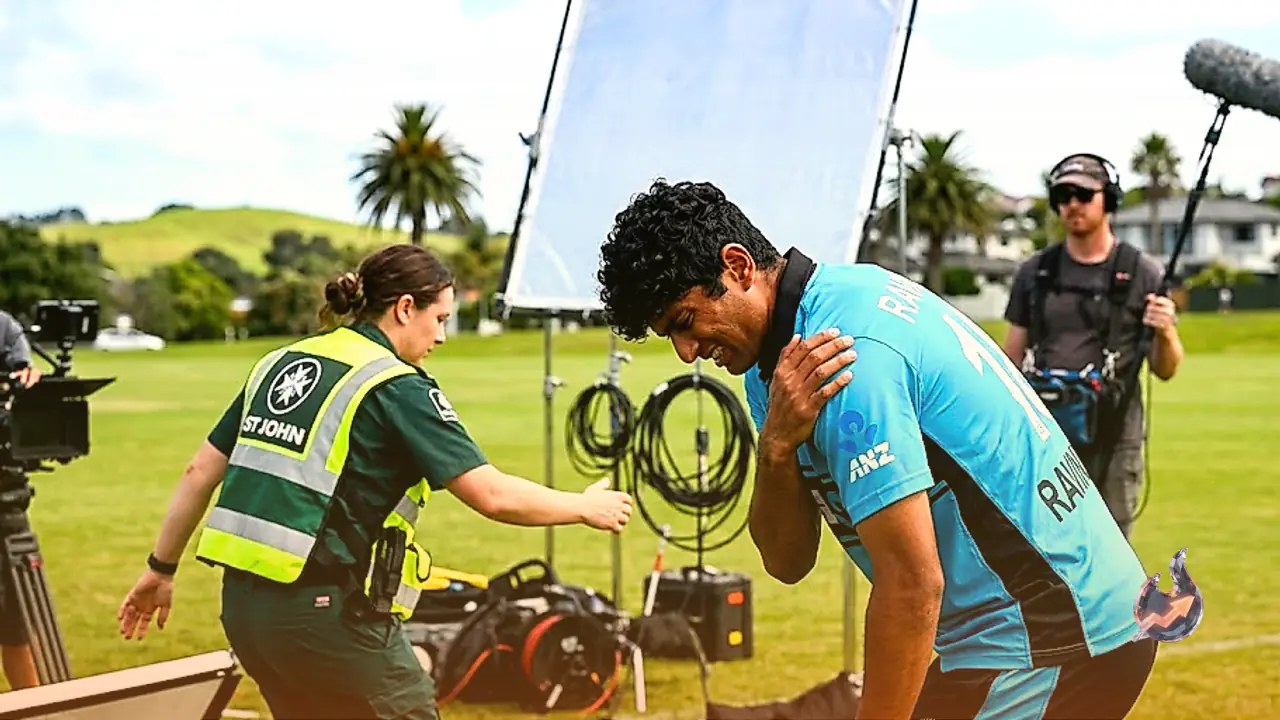





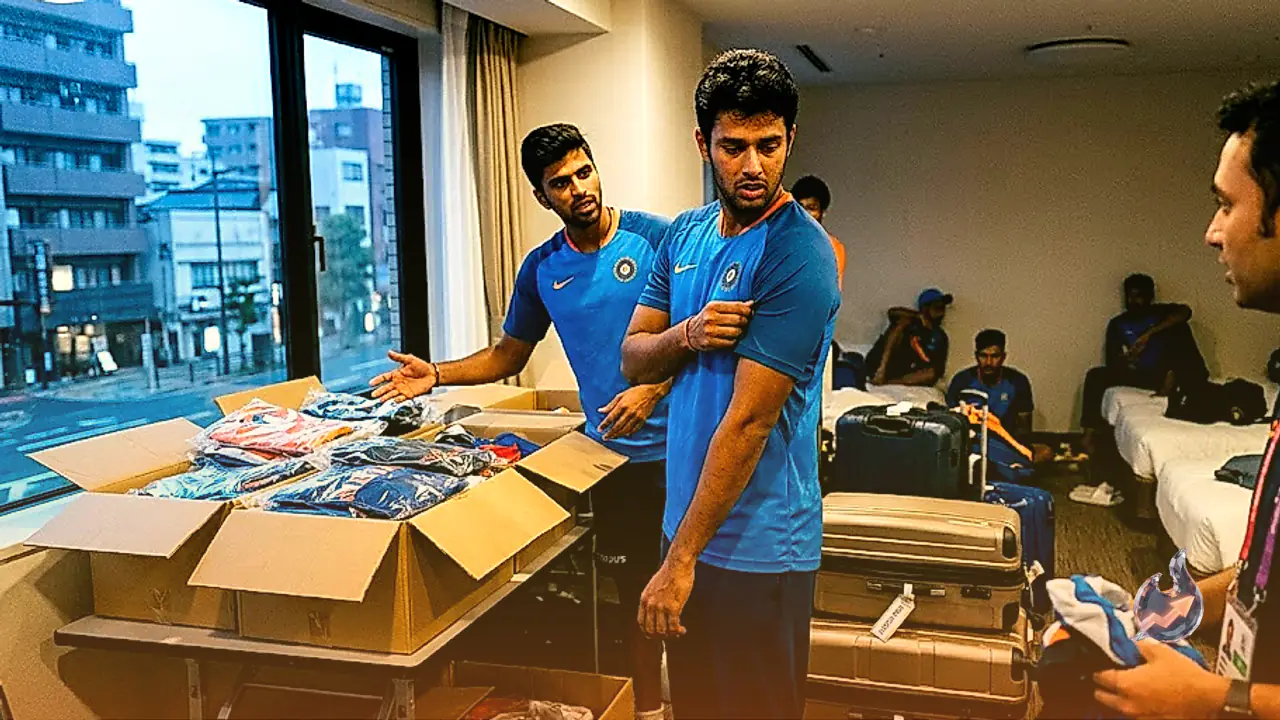














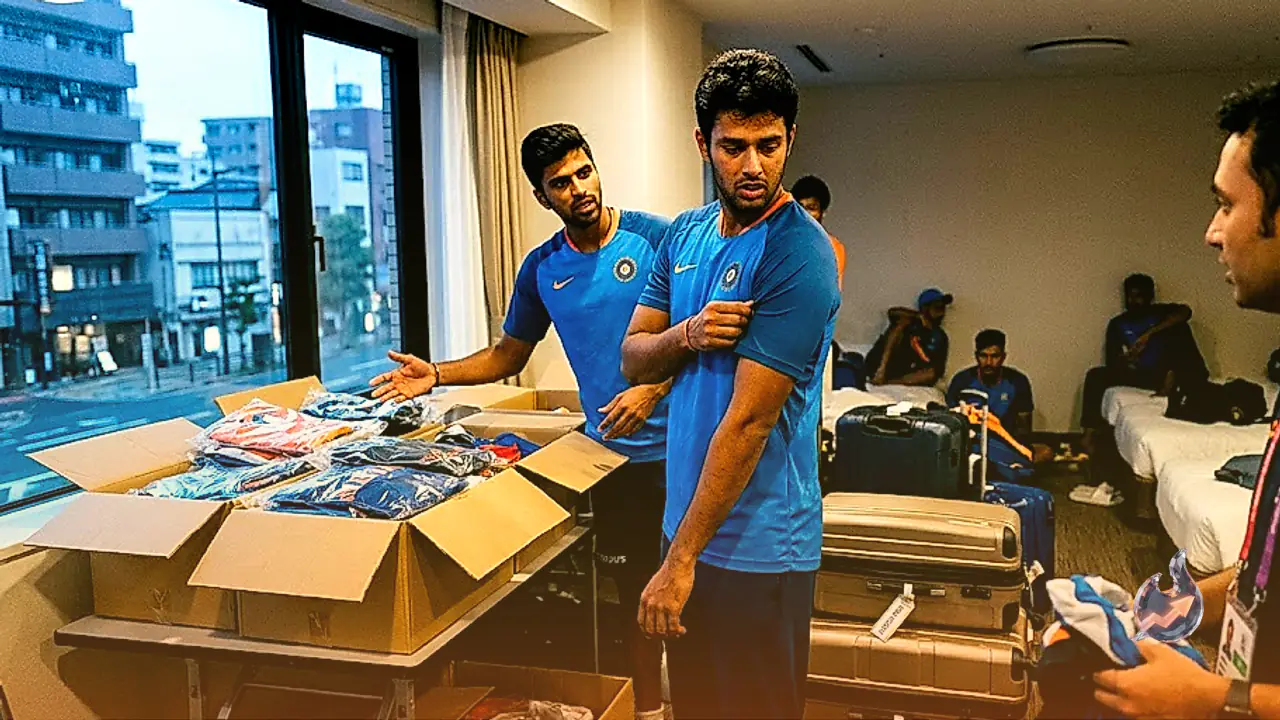

Travel arrangements for the Indian men's cricket team heading to Japan ran into serious logistical snags right on the eve of their departure. Scheduled to fly out of the national capital early on Sunday morning, the squad faced delays in receiving properly fitted playing kits, while acute accommodation shortages and cramped rooms in Nagoya compelled the cricket administration to step in and secure independent private hotel arrangements.
Sizing Confusion Prompts Urgent Discussions Over Official Kits
Led by captain Shreyas Iyer, the squad was making final preparations for departure even as questions lingered over their team clothing. Sizing discrepancies in the jerseys prompted direct discussions between the Board of Control for Cricket in India and JSW Inspire, the designated kit provider affiliated with the Indian Olympic Association. The back-and-forth left several players waiting for their gear until the final hours before departure.
An Indian Olympic Association source indicated that specific size mismatches had created initial hurdles, though the vast majority had been ironed out in time. The remaining apparel items were being dispatched promptly to ensure the squad is fully equipped. The touring party requires two distinct sets of uniforms for their campaign. Indian players will step onto the field in their standard international strip for the lone T20 International against Japan scheduled for September 22. Subsequently, when the main Asian Games cricket tournament gets underway on September 28, the team will switch to wearing the official multi-sport Asian Games attire.
Cramped Quarters in Nagoya Push Cricket Board to Book Hotels
Beyond the kit delays, the logistics awaiting the squad in Nagoya posed an even steeper challenge. Prolonged check-in delays faced by other Indian contingents in the host city, combined with severely restricted room space, prompted the cricket board to take matters into its own hands. The rooms allocated by organizers for the men's squad were so compact that players could barely fit their bulky cricket kit bags inside.
Given the shortage of large luxury hotels in Nagoya, the cricket board arranged separate private accommodations on its own initiative shortly before the team's departure. This ensured that the players would not encounter space constraints upon landing. In contrast, the Indian women's cricket contingent experienced no significant lodging complications and has remained accommodated in the facilities originally organized through the Indian Olympic Association.
Absence of a Central Games Village Strains Housing Arrangements
The broader accommodation crunch stems from the unique logistical blueprint adopted for these Asian Games, which lacks a traditional centralized athletes village. Instead, participating competitors and team officials are being housed across a dispersed network comprising cruise ships, repurposed shipping containers, and scattered hotels. This fragmented setup has forced several arriving athletes to endure hours of waiting before accessing their assigned rooms, creating widespread operational friction across multiple national delegations.