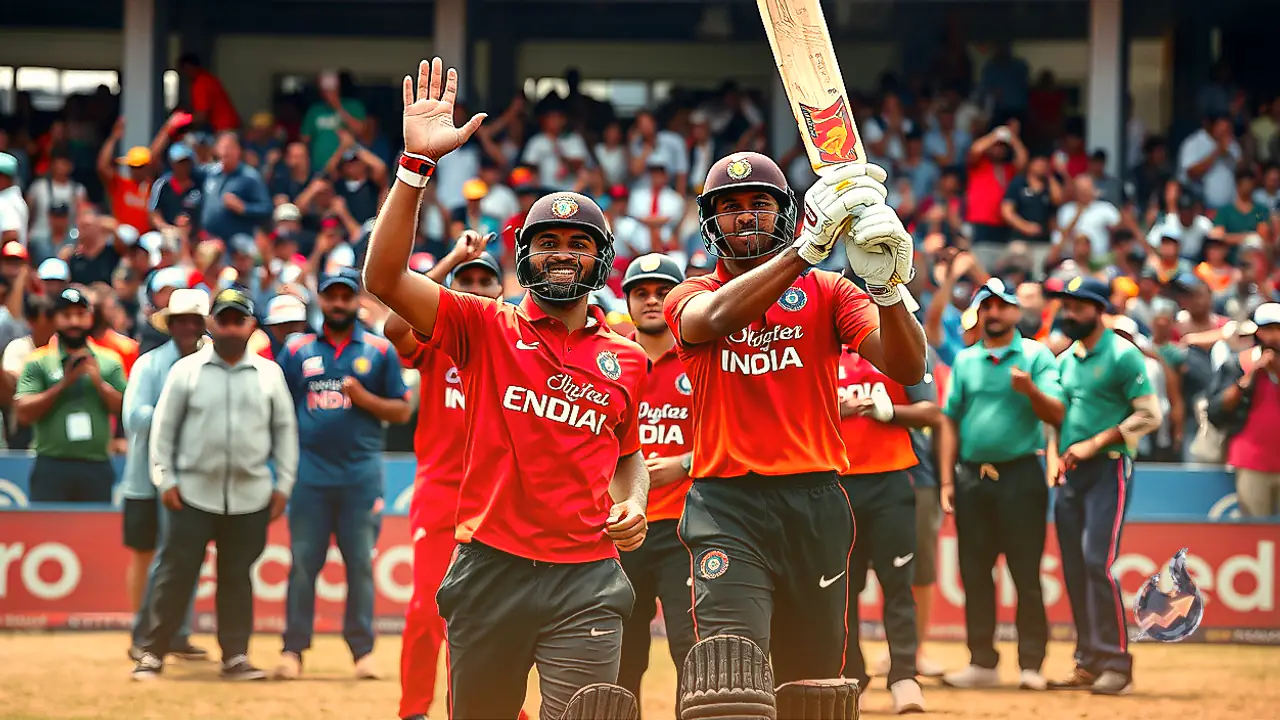

























With the three-match one-day international assignment officially wrapped up, the Indian cricket team is transitioning directly into an extraordinarily demanding twenty-over campaign. Across an intense span of just twenty-six days starting on October 6, the national side will feature in ten high-stakes T20 internationals. This packed schedule splits evenly between a five-match home series against the West Indies and an immediate five-game tour across New Zealand, placing an immense premium on player endurance and squad management.
Complete Schedule for the Home Encounters Against West Indies
The Caribbean side will challenge India across five distinct venues across the country. The opening contest is set for October 6 at the Bharat Ratna Shri Atal Bihari Vajpayee Ekana Cricket Stadium in Lucknow. Following that opener, both squads head to the JSCA International Stadium Complex in Ranchi for the second fixture on October 9.
Action then shifts to Indore, where the high-scoring Holkar Stadium will host the third meeting on October 11. Hyderabad's Rajiv Gandhi International Stadium stages the fourth contest on October 14, before the home leg concludes on October 17 under the lights at the M Chinnaswamy Stadium in Bengaluru.
The Five-Match Overseas Campaign in New Zealand
Immediately after wrapping up the final fixture in Bengaluru, the Indian contingent must embark on a swift trans-continental journey to New Zealand. The overseas series gets underway on October 22, taking the competition through four different Kiwi cities across both islands.
Christchurch will host the first two clashes at Hagley Oval, with the opening game scheduled for Thursday, October 22, followed promptly by the second on Saturday, October 24. Traveling northward, the teams will square off in Wellington at Sky Stadium on Tuesday, October 27. Eden Park in Auckland will stage the fourth encounter on Friday, October 30, before the tour draws to a close at Seddon Park in Hamilton on Sunday, November 1.
Workload Management and Testing Squad Depth
Navigating ten international fixtures inside less than four weeks stands as a monumental test of physical stamina and strategic adaptability. Going directly from subcontinental surfaces against explosive Caribbean hitters to the bounce, pace, and lateral movement typical of New Zealand pitches presents an immediate technical hurdle for batters and bowlers alike.
Managing player exhaustion across multiple flights and shifting time zones will force the team leadership to carefully balance workload rotations. Staging so many matches in rapid succession offers a prime opportunity to test reserve options and examine the squad's overall bench depth, ensuring frontline regulars are not pushed past safe physical limits during an unrelenting stretch of cricket.