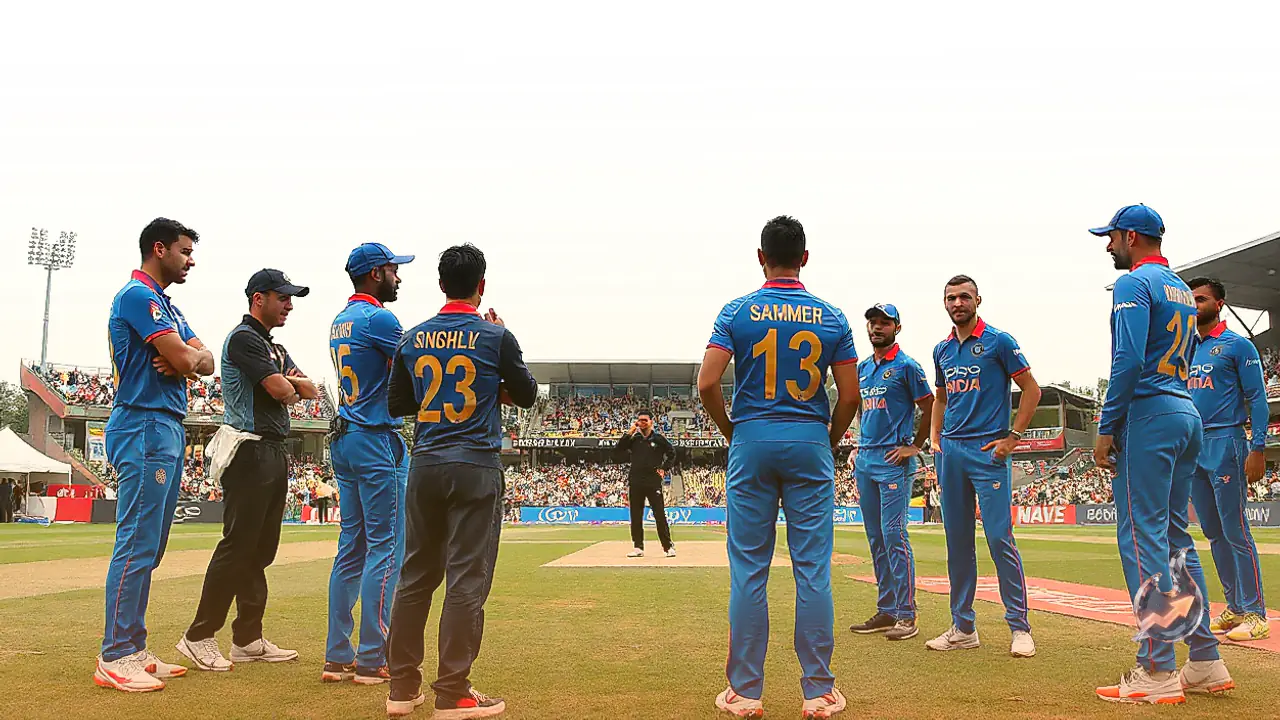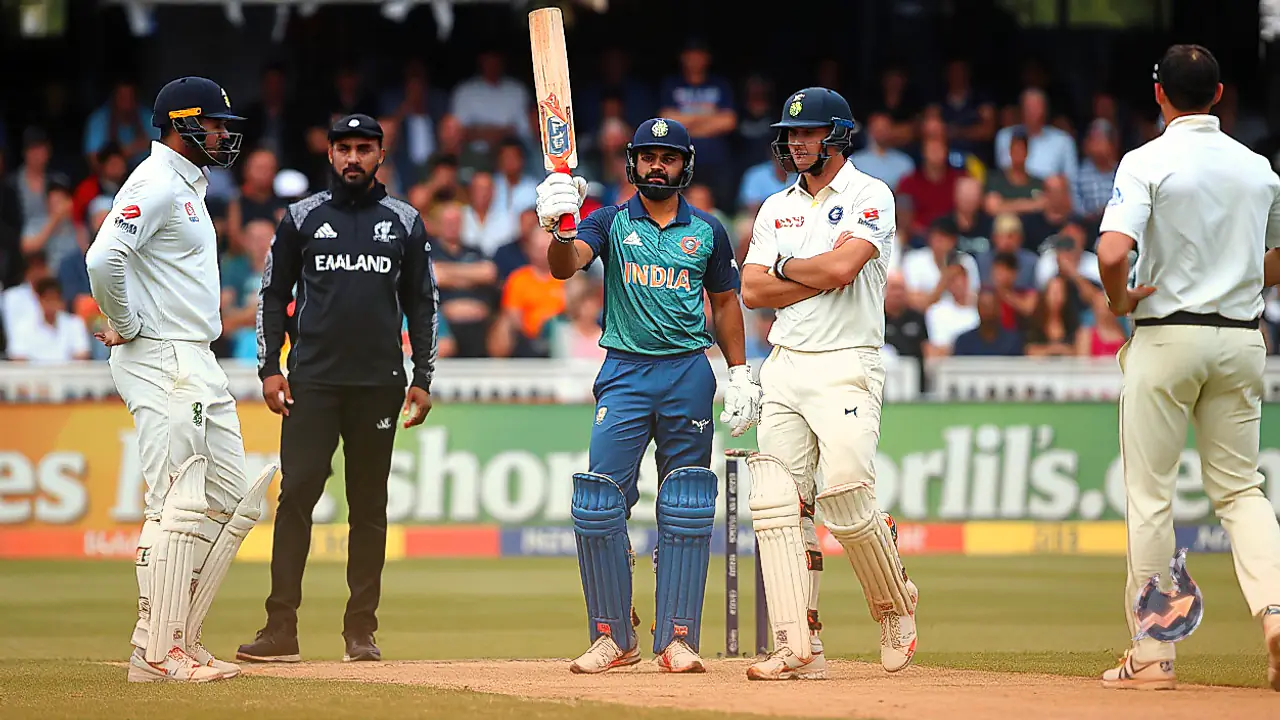






















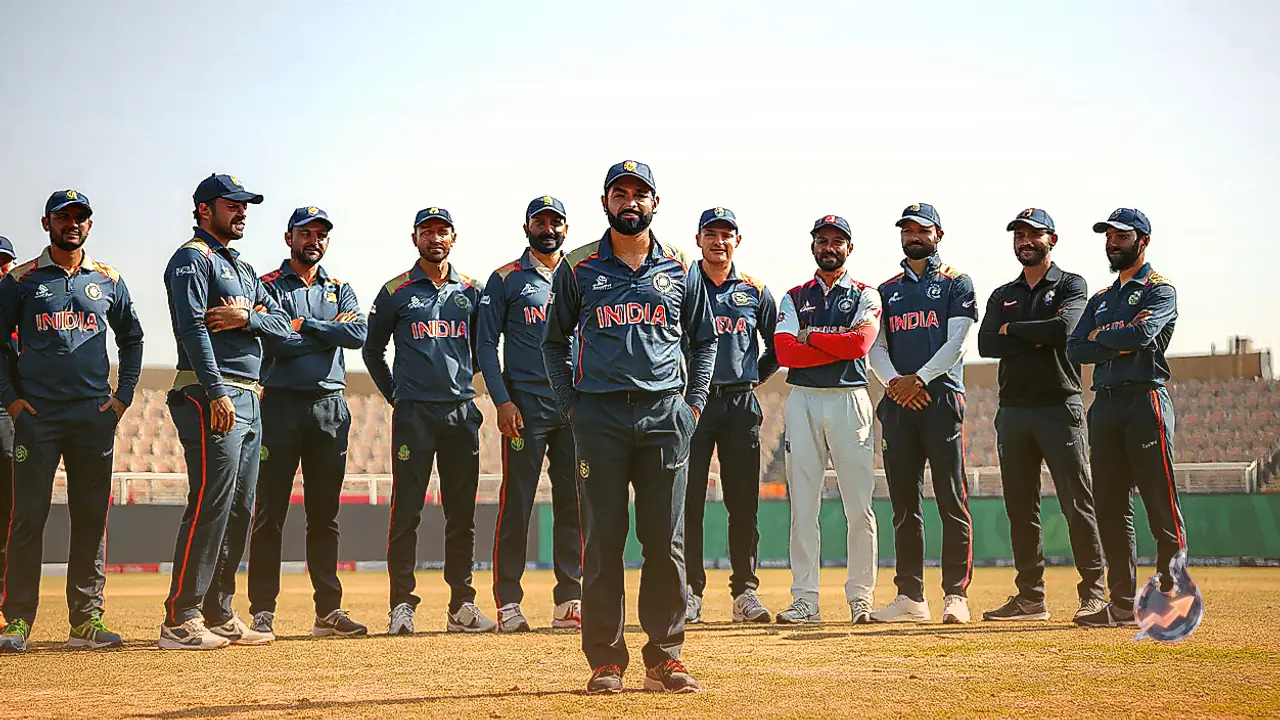

Ahead of the five-match one-day international series between India and New Zealand, national team captain Shubman Gill has openly voiced his reservations regarding the scheduling of the tour. Speaking prior to the opening contest scheduled for November 4, the skipper highlighted the logistical and physical challenges imposed by the current itinerary. He indicated that a different sequencing of formats would have allowed the team management to field a full-strength lineup throughout the 50-over matches without compromising player fitness.
The Ideal Sequencing of Formats
Shubman Gill explained that the optimal schedule would have commenced with the one-day internationals, followed by the T20 series, and concluded with the Test matches. Under the current schedule, the two-match Test series commences immediately after the conclusion of the one-day rubbers. This tight transition makes it impossible for multi-format players to compete in every 50-over fixture without risking burnout or inadequate preparation. Gill noted that while he would have preferred fielding every fit player across the entire one-day series, the immediate proximity of the Test matches forces a clear compromise in squad selection.
Administrative Clearance and Split Captaincy
In bilateral international cricket, the host cricket board designs the tour fixtures, but official implementation requires the formal sign-off of the visiting nation's governing body. Consequently, the Board of Control for Cricket in India approved the schedule laid out by New Zealand Cricket. This administrative agreement has directly affected team dynamics. Gill will lead the Indian side in the first three ODIs before stepping aside from the final two matches to focus entirely on preparing for the Test series. In his absence, Shreyas Iyer will assume captaincy duties for the remaining two games. Other cricketers slated for the Test matches will likewise sit out those concluding one-day matches.
Preparation for Major ICC Tournaments
The strategic distribution of player workload is heavily influenced by the impending global calendar. Next year features two major International Cricket Council events: the World Test Championship final scheduled for June, followed by the Men's Cricket World Cup taking place between October and November. Because both formats carry immense significance over the next twelve months, team management cannot afford to neglect either. Speaking ahead of the opening game in Auckland, Gill reiterated that competing effectively in both formats requires strategic squad management rather than exhausting first-choice players in non-essential matches.
World Test Championship Final Qualification
Shubman Gill also reflected on the current qualification race for the World Test Championship final, describing the scenario as exceptionally interesting. The identity of the two finalists remains undecided, keeping multiple sides in contention. Recent results between Australia and South Africa have significantly bolstered India's prospects of securing a spot in the summit clash. Gill stated that if the Indian squad delivers strong performances in the two upcoming Tests against New Zealand and follows that with commanding displays in the subsequent home series against Australia, the team stands a very strong chance of qualifying for the championship final.