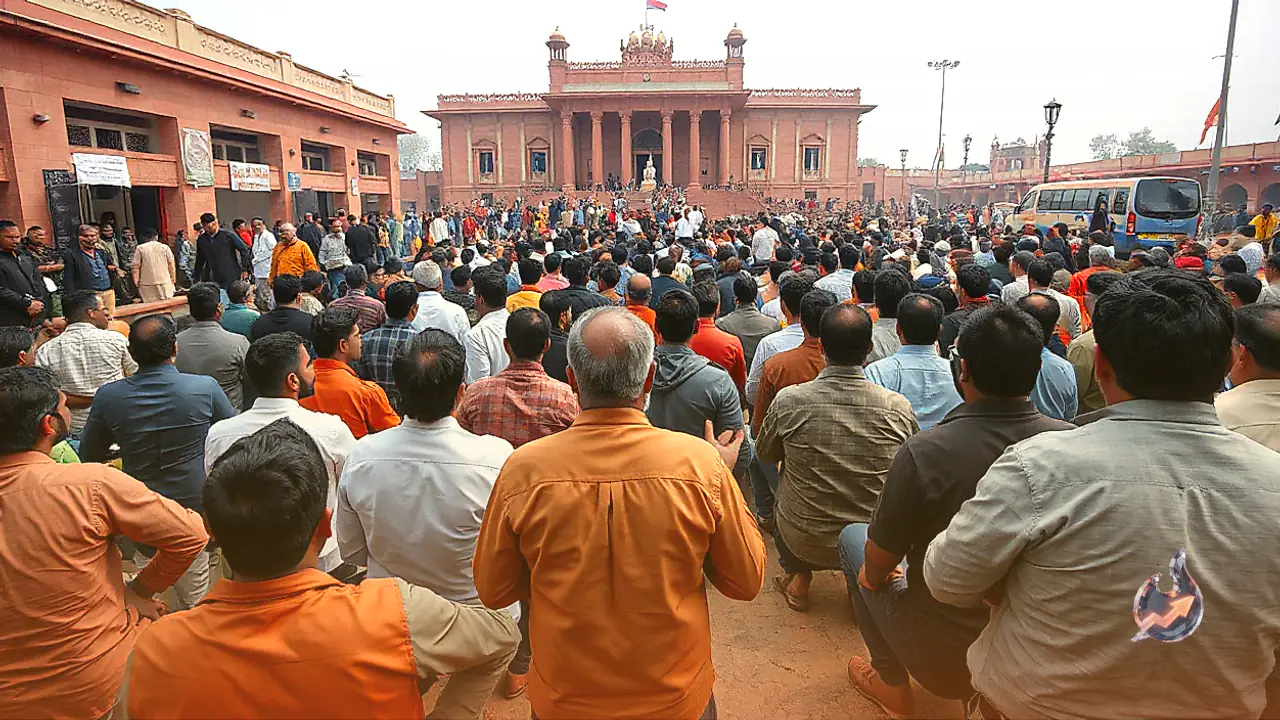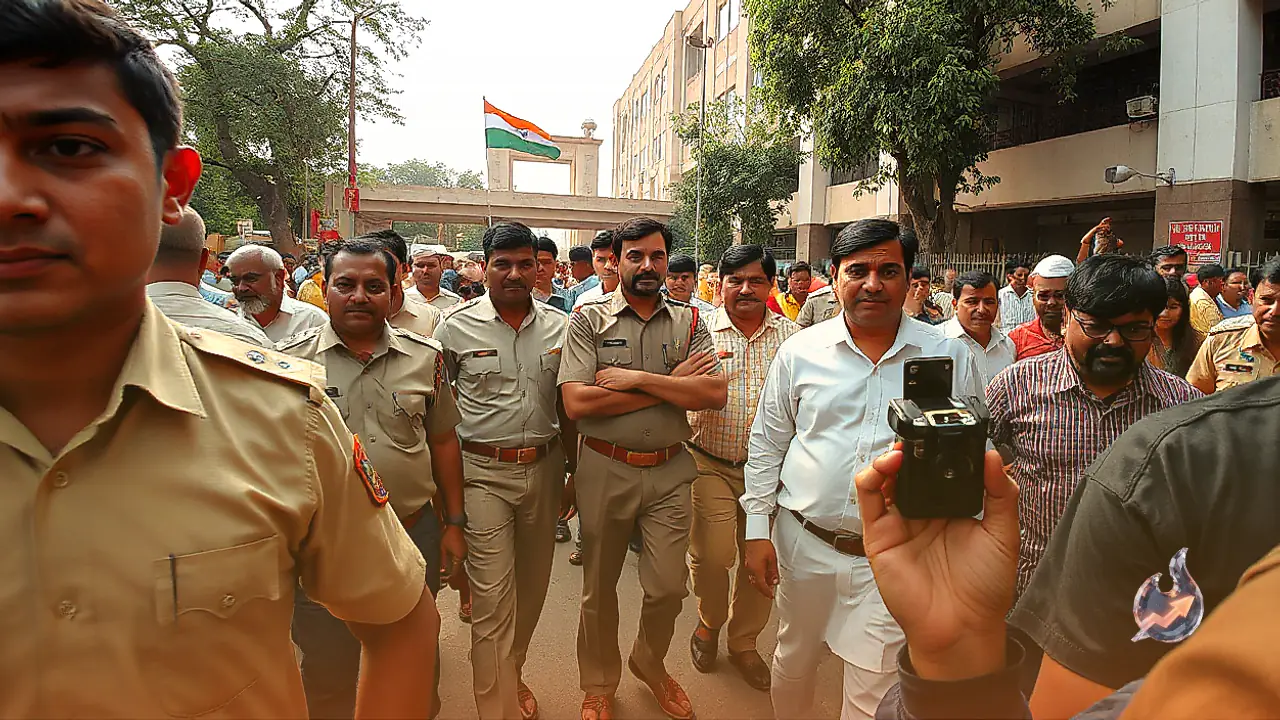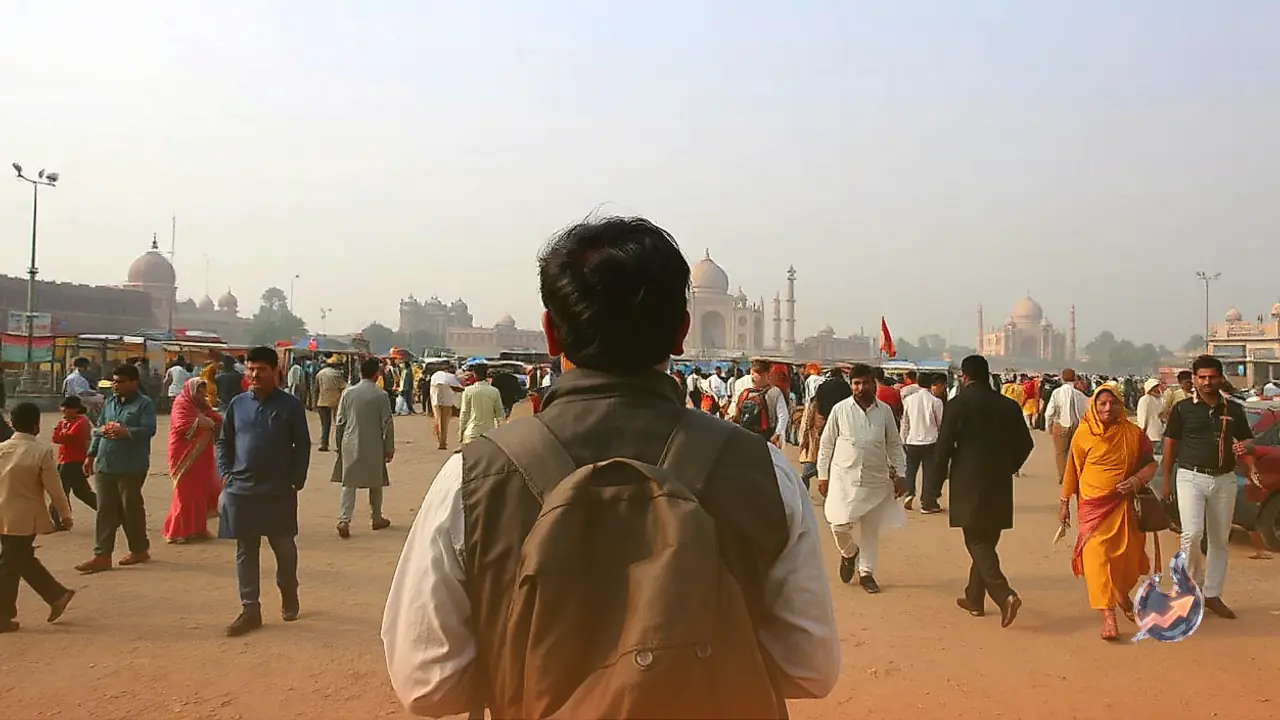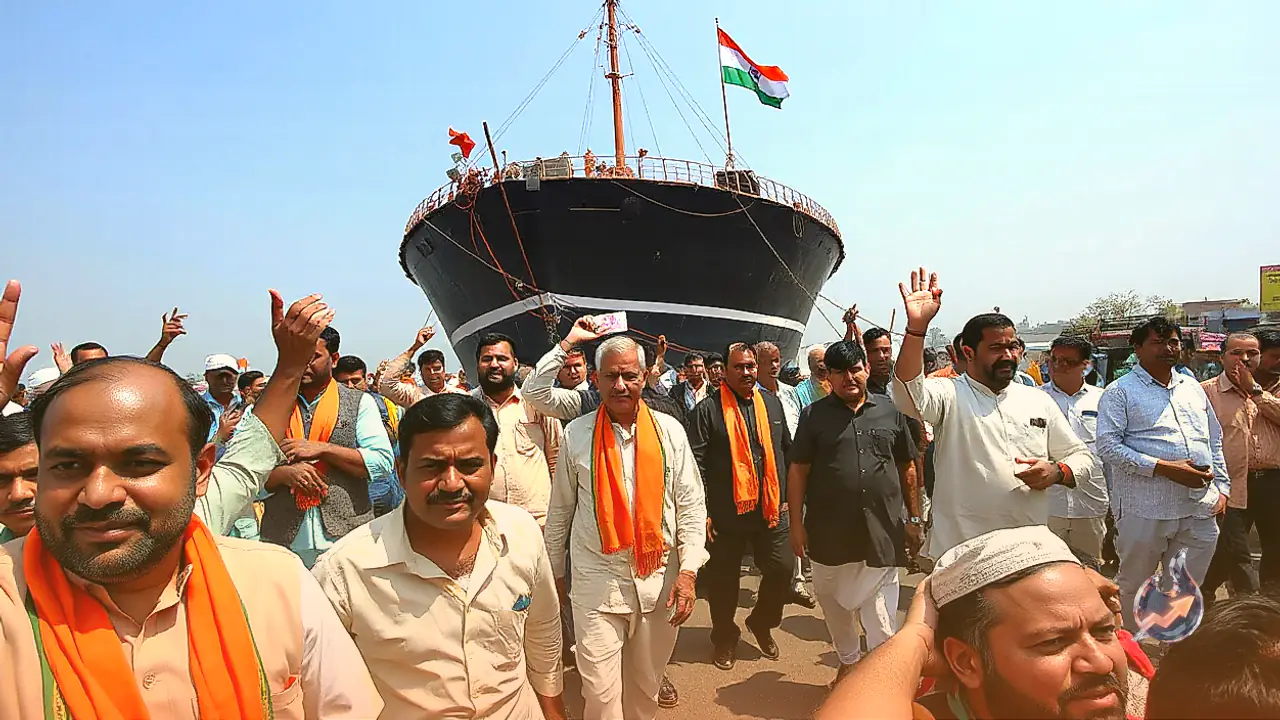


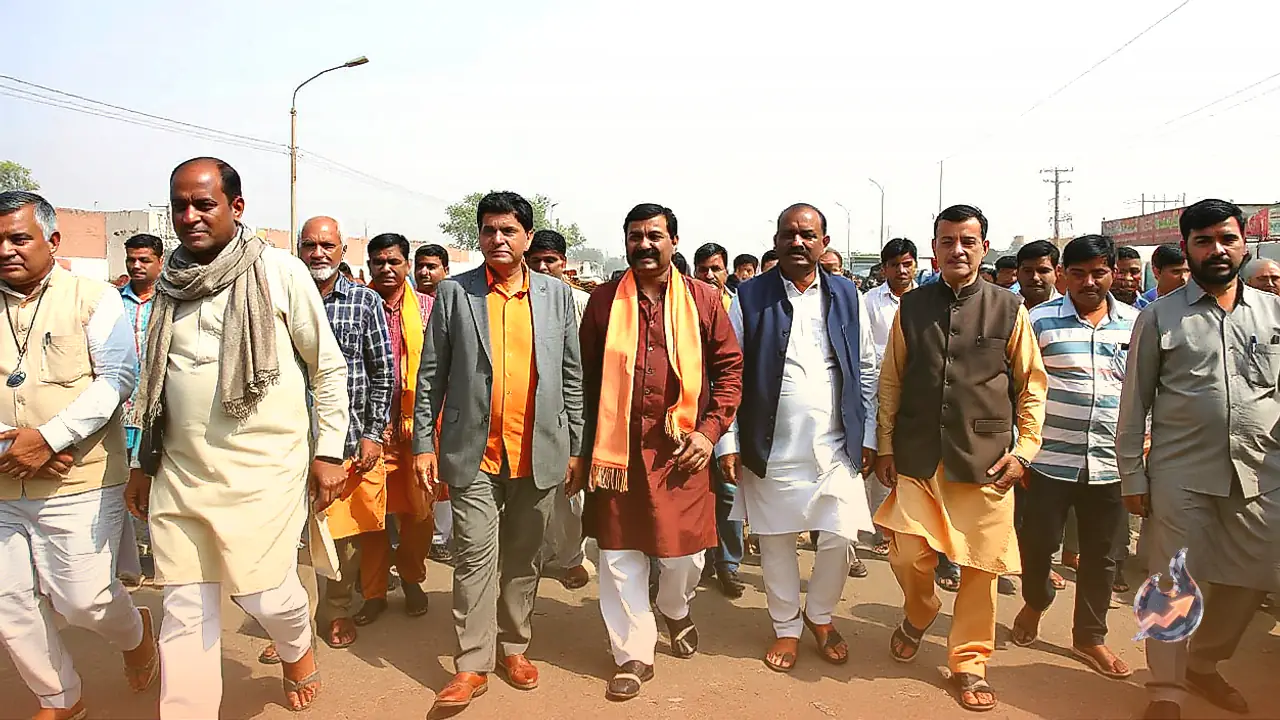


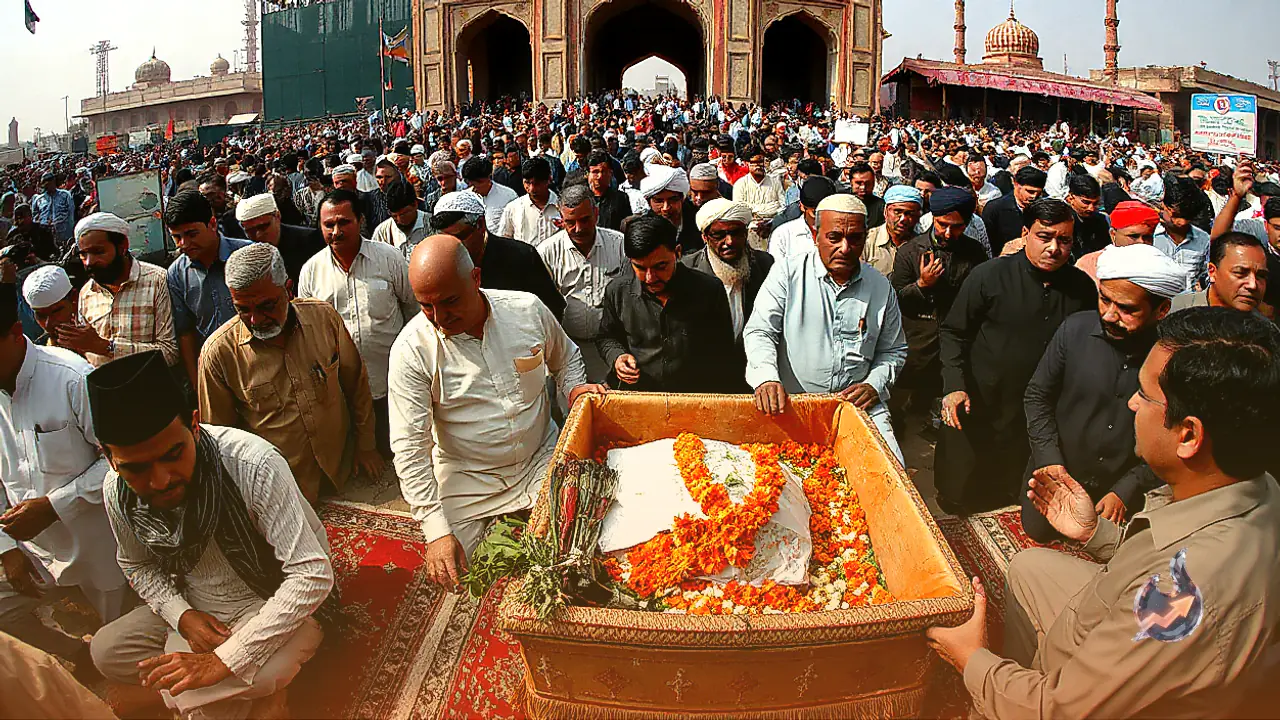















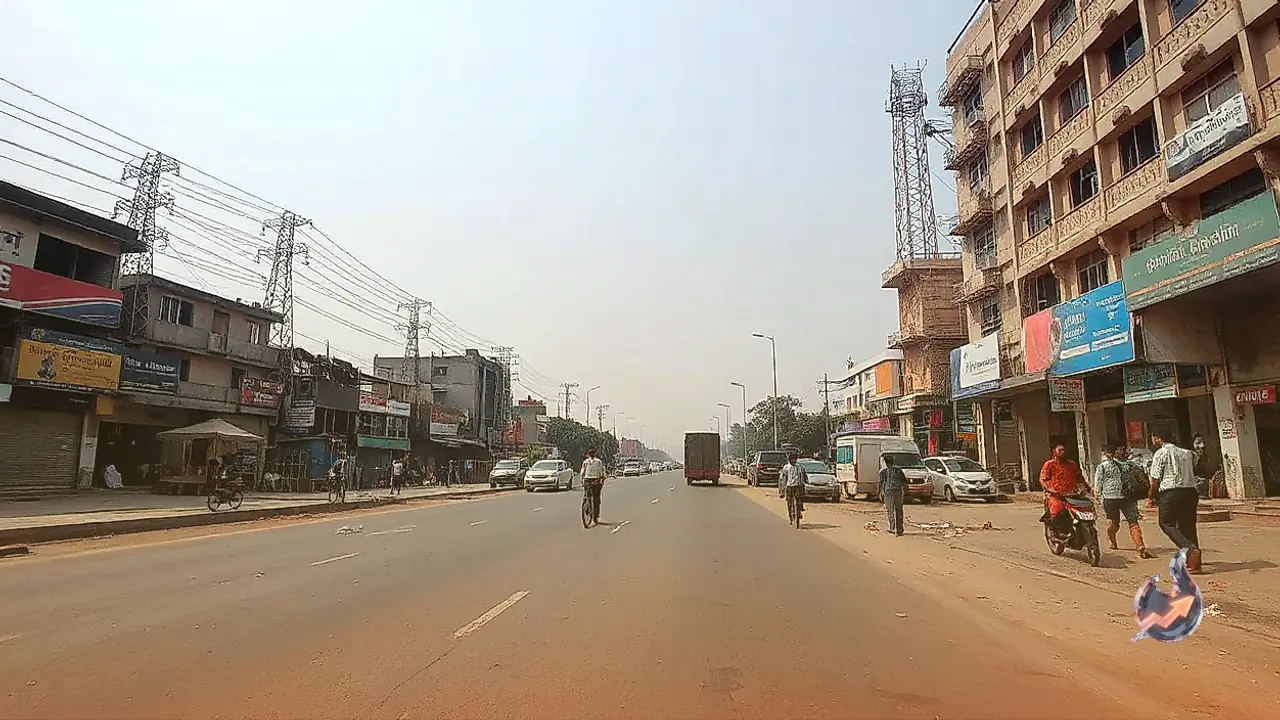

A fresh wave of violent street demonstrations has swept across the Bangladeshi capital of Dhaka and surrounding industrial districts in recent days. Ordinary citizens are grappling with compounding economic hardships, driven by stubborn inflation, persistent power shortages, and severe deficits in fuel and domestic gas supplies. Compounding this unrest, workers from the vital ready-made garments industry have organized massive protests demanding an immediate revision of their wages. These demonstrations have disrupted civic life, resulting in vehicular vandalism and the blockade of arterial thoroughfares. However, a striking dimension of these protests is that while the public's primary grievances stem from domestic governance failures, political groups are deliberately channeling public fury into anti-India rhetoric.
During a major rally staged on October 30 in Dhaka by the National Citizen Party (NCP), participants chanted polarizing slogans such as 'Delhi or Dhaka? Dhaka, Dhaka'. The prominent emergence of such hostility during economic protests raises crucial questions regarding why demonstrators repeatedly single out their western neighbour. A closer look reveals an intricate mix of geopolitical fault lines, pending bilateral accords, regional transport disputes, and opportunistic domestic politicking designed to exploit public vulnerability.
The Long Shadow of Sheikh Hasina's Continued Exile
Whenever public unrest flares up in Bangladesh, hostile rhetoric targeting New Delhi almost inevitably follows. A central catalyst behind this lingering resentment is the ongoing presence of former prime minister Sheikh Hasina in India. Her administration collapsed following massive public mobilizations, compelling her to flee Dhaka to seek refuge across the border. Given that conditions inside Bangladesh were deemed unsafe for her at the time, Indian authorities granted her sanctuary.
That decision has remained a sore point among several political factions and student groups in Bangladesh, who frequently condemn New Delhi for offering her protection. These critics argue that sheltering the ousted leader represents direct meddling in Bangladesh's sovereign affairs. This hostility has intensified amid widespread speculation regarding her potential return to domestic politics in December 2026. Sheikh Hasina recently delivered a defiant message, declaring, 'Kill me or arrest me, I will return to Bangladesh in December.' This prospect has provided fresh ammunition to agitators seeking to portray New Delhi as an adversary in Bangladeshi domestic affairs.
Impending Expiry of the 1996 Ganga Water Treaty
Transboundary river management represents another deep-rooted source of friction between the two nations. In 1996, both governments signed a landmark treaty governing the sharing of the Ganga waters for a fixed tenure of 30 years. With the agreement scheduled to officially expire on December 12, 2026, the issue of riparian rights has re-emerged as a rallying cry on the streets of Dhaka.
Groups driving the demonstrations are insisting that Bangladesh must secure a significantly larger volume of river water in any forthcoming renegotiation. Leaders within the National Citizen Party have turned this resource dispute into a core pillar of their street mobilization. Nahid Islam, the party's convener, has publicly warned that his cadres could stage a fresh Farakka March if Bangladesh is denied what he terms its fair share of water. He further asserted that if riparian demands are not accommodated, transit arrangements and transport privileges extended to Indian commerce will face public resistance.
Opposition Pushback Against Japan's Matarbari Port Network
Cross-border connectivity initiatives have also come under political scrutiny. Prime Minister Tarique Rahman traveled to Japan on October 26 to conduct high-level discussions on expanding industrial corridors and transport logistics. The linchpin of this regional infrastructure drive is the deep-sea port currently under development at Matarbari in Cox's Bazar.
Under a proposed project backed by Tokyo, Japanese planners envision integrating India's seven northeastern states with the Bay of Bengal via Bangladeshi territory. The strategic objective is to provide landlocked northeastern territories with direct maritime access to bolster international trade. However, segments of the Bangladeshi opposition have raised stiff objections, questioning their own government's diplomatic posture. These opposition figures contend that regional transit initiatives are structured primarily to confer asymmetric logistical advantages on Indian trade networks through Bangladeshi land routes.
Deflecting Industrial Unrest Toward Allegations of Interference
Accusing external actors of meddling in domestic governance has become a conventional playbook for local political groups seeking to capitalize on popular discontent. The Bangladeshi government currently faces intense domestic pressure over a stalling economy. The ready-made garment manufacturing sector, which accounts for the vast bulk of export earnings, is paralyzed by escalating labor disputes. Factory workers have demanded higher minimum wages, which have remained stagnant without any upward revision since 2023.
Faced with runaway inflation and an industrial slowdown, worker frustration has boiled over. Production had ground to a halt across at least 690 garment factories by November 3. Confronted with a spiraling labor crisis, several politicians have sought to reframe genuine grassroots economic desperation as the product of foreign machinations and external meddling. By steering public attention toward alleged foreign interference, these leaders seek to shelter themselves from direct accountability for domestic structural failures.
Nationalist Posturing as an Opposition Playbook
The overthrow of Sheikh Hasina's administration in 2024 reshuffled Bangladesh's political landscape. Many student figures who spearheaded that uprising subsequently formed the National Citizen Party. Following the general elections held in February 2026, BNP leader Tarique Rahman assumed the office of prime minister. Despite this transfer of authority, opposition factions including the NCP and Jamaat-e-Islami have maintained continuous pressure on the ruling administration regarding its regional foreign policy.
NCP convener Nahid Islam has consistently leveled charges of foreign intervention to advance his party's domestic standing. Broadening his critique beyond internal politics, he has regularly invoked contentious regional narratives, highlighting alleged persecution of minorities in Assam and West Bengal alongside border security incidents. Although substantive evidence has never been provided to substantiate these claims, such emotional rhetoric serves as an effective instrument to rally conservative and nationalist constituencies.
Deteriorating Atmosphere Endangers Vital Bilateral Ties
While weaponizing cross-border grievances offers quick political dividends to local party leaders, it poses severe long-term risks to bilateral stability. Both nations are bound by profound structural interdependencies spanning cross-border trade, regional security cooperation, grid power supplies, water resource management, and multimodal transit routes.
Allowing domestic street protests to erode these foundational ties threatens mutual prosperity. When critical economic grievances and essential infrastructure discussions are overshadowed by manufactured hostilities, the broader framework of South Asian regional integration suffers, leaving both populations vulnerable to protracted instability.