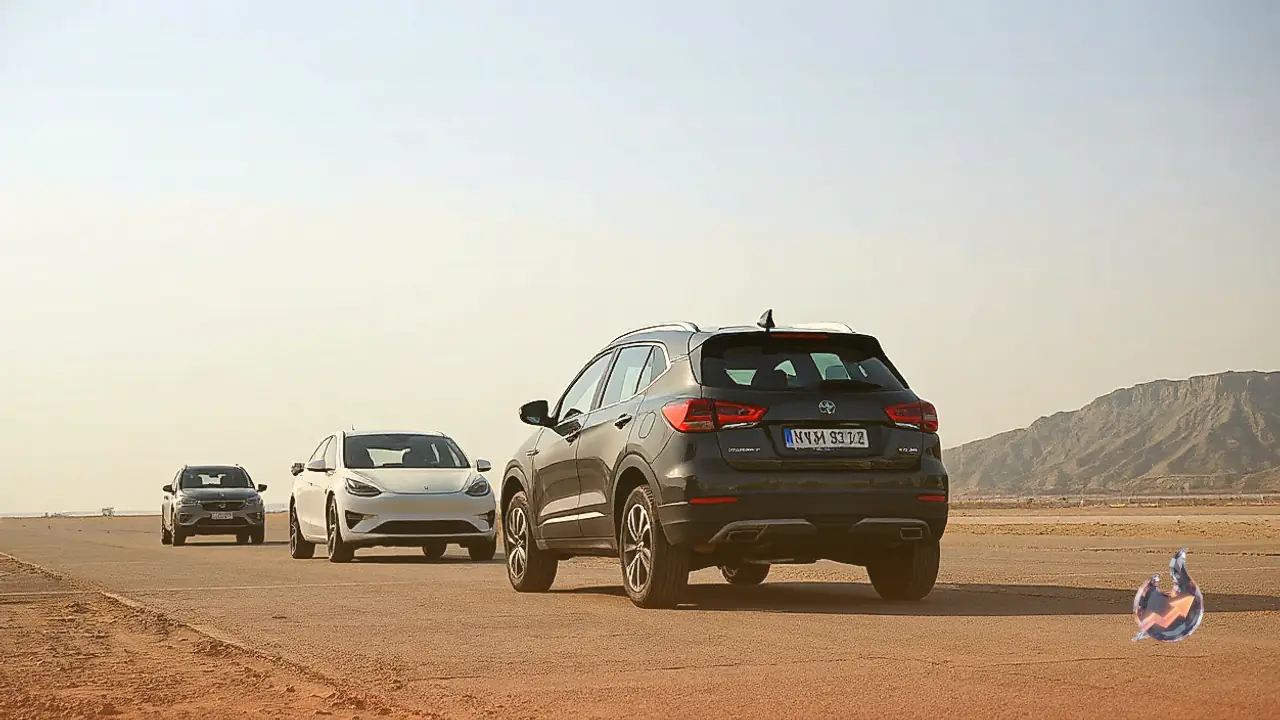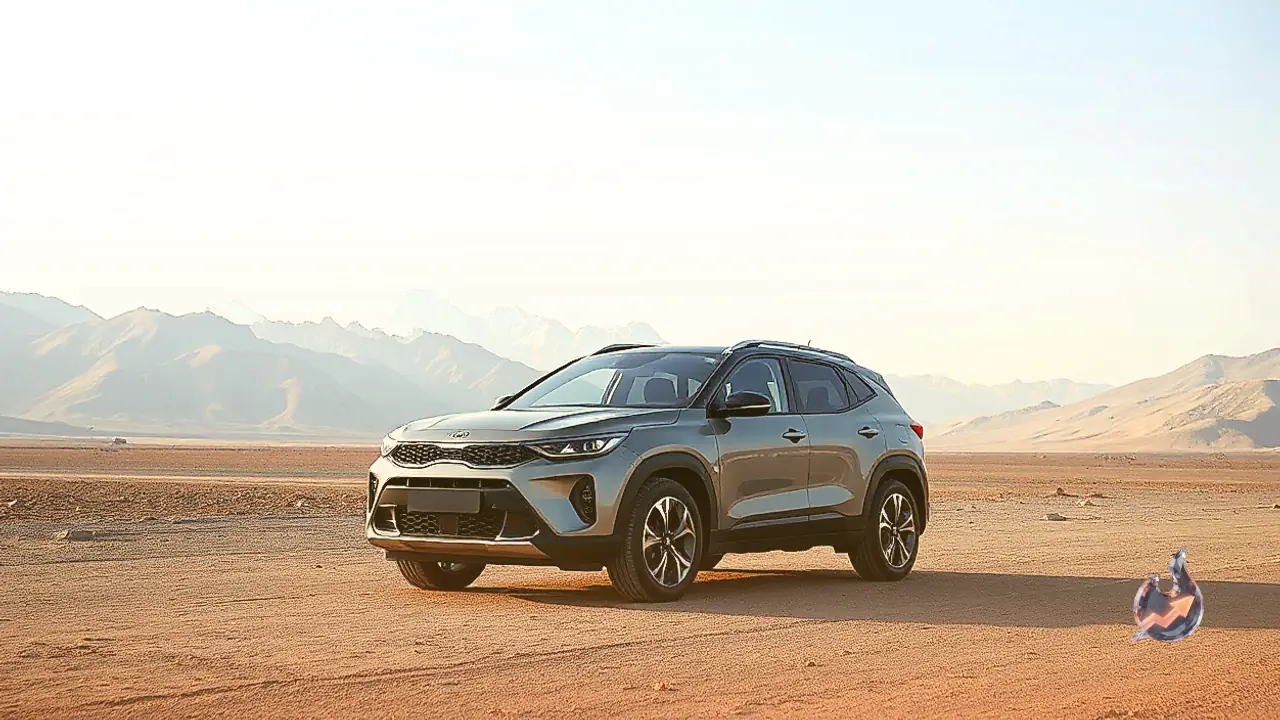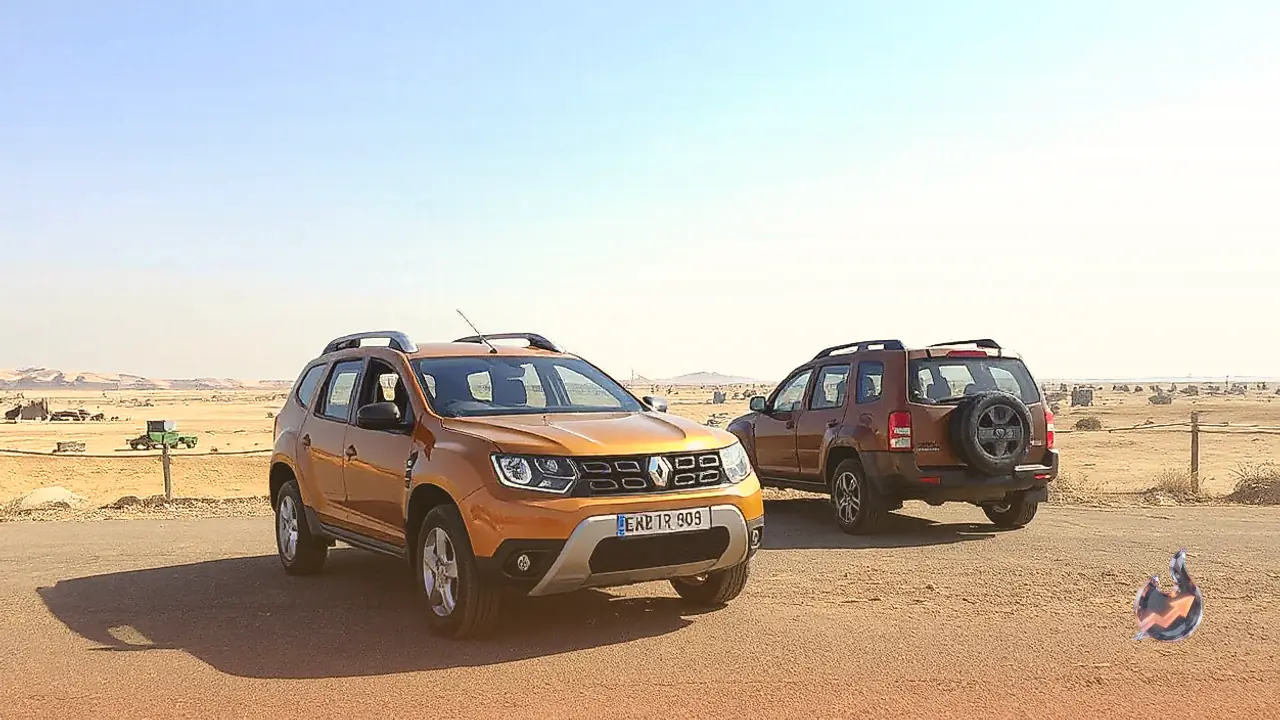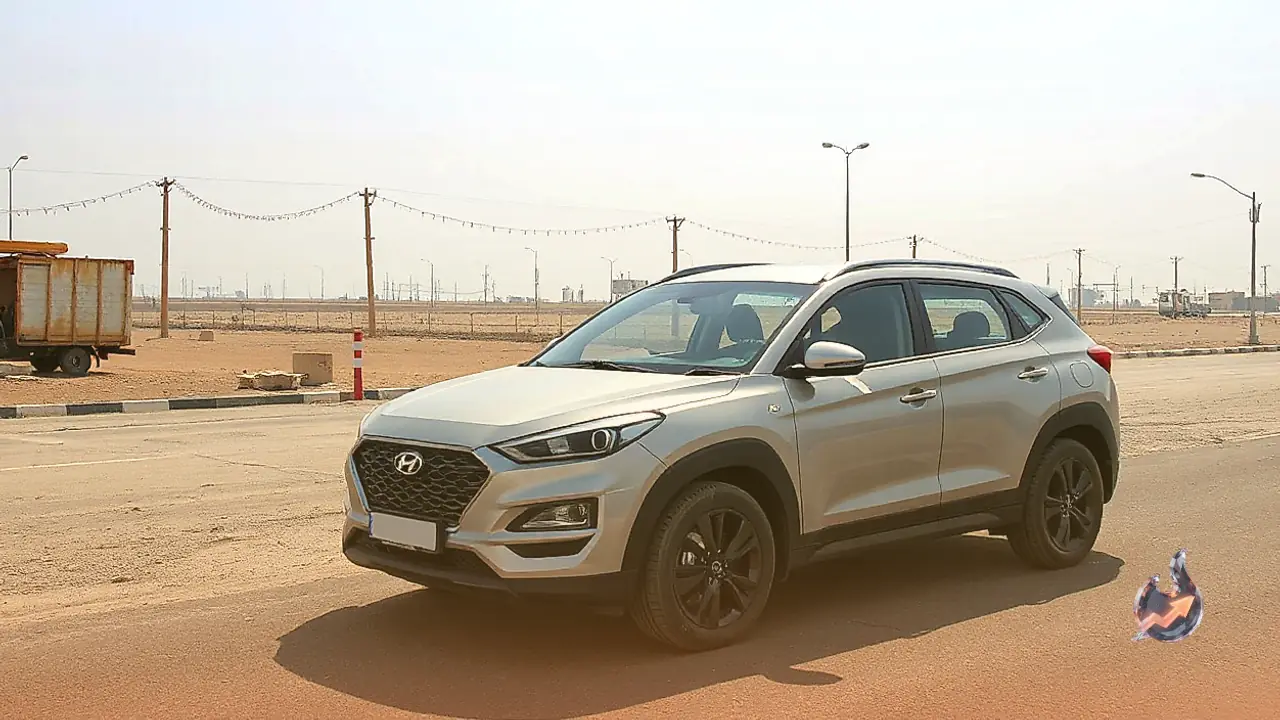
























Bringing a brand-new vehicle home on the auspicious festive occasions of Dhanteras and Diwali is a deeply rooted tradition across Indian households. Driven by the belief that festive acquisitions invite prosperity, showrooms witness a massive influx of customers looking to purchase cars and two-wheelers. Yet, a fundamental dilemma confronting nearly every buyer revolves around drivetrain selection: whether to invest in petrol, diesel, CNG or a modern electric car. According to Dharamveer Kushwaha, an automobile industry professional with 12 years of sector experience in Agra, market momentum is currently tilting strongly toward CNG vehicles. While the initial sticker price of a factory-fitted CNG car remains somewhat higher than an equivalent petrol trim, individuals clocking substantial daily mileage prefer CNG due to significantly cheaper operational costs.
Why Long-Distance Commuters And Taxi Operators Favor CNG
Dharamveer Kushwaha pointed out that professional taxi operators and commercial fleet owners overwhelmingly gravitate toward CNG models. In this segment, high-volume consumer interest centers primarily on popular hatchbacks and multi-utility options such as the Maruti Swift and Maruti Ertiga. These particular cars are widely recognized for delivering high fuel efficiency alongside low ownership overheads, making them highly economical assets for everyday commercial use. Similarly, non-commercial buyers who must cover long daily commutes between home and workplaces also find CNG models the most pocket-friendly alternative over time.
Another defining edge of CNG vehicles is their dual-fuel configuration. Alongside the compressed gas cylinder, these cars retain a standard petrol tank. If gas reserves deplete or a driver traverses areas lacking fuel stations, the vehicle seamlessly switches to petrol, allowing the journey to continue uninterrupted. This fail-safe versatility offers total peace of mind, setting CNG cars apart from pure battery electric models that rely entirely on charging availability.
Petrol Cars Best Match Shorter Office Commutes
For daily travel routines involving limited distances, traditional petrol variants remain the most logical pick. Working professionals whose vehicle usage is mostly restricted to brief city office runs do not log enough kilometers to recoup the initial price premium demanded by CNG or diesel powertrains. For such buyers, petrol vehicles offer lower upfront acquisition costs, smoother engine refinement, and simple maintenance schedules, making them an ideal match for moderate city use without stretching household finances.
Rural Demand And Mountain Terrains Lean Toward Diesel
In contrast, car buyers residing in rural belts and countryside districts continue to place heavy reliance on diesel vehicles. Dharamveer Kushwaha highlighted that superior low-end pulling power, robust torque delivery, and endurance over rough terrains make diesel engines the traditional choice for rural buyers. Consequently, rugged utility vehicles like the Mahindra Bolero and Mahindra Scorpio witness strong sustained demand across rural territories, where roads are often unpaved and journeys are long.
In steep mountainous terrains as well, diesel powertrains perform exceptionally well because their pulling strength handles uphill ascents effortlessly. However, prospective diesel buyers must account for prevailing regional emission mandates. In the Delhi-NCR zone, BS-4 vehicles face operational restrictions, with authorities permitting only BS-6 compliant models on the roads. Navigating these regional regulations is essential before finalizing a diesel purchase.
Charging Infrastructure Gaps Keep Electric Car Buyers Hesitant
Despite rising interest in zero-emission transport during this festive shopping period, electric vehicles continue to face hesitation among prospective car buyers. The primary bottleneck remains the uneven availability of public charging stations across various towns, secondary highways, and rural stretches. Until charging infrastructure expands broadly, concerns over range limitations keep private buyers cautious. Ultimately, choosing the right car requires balancing total purchase budgets, expected daily running distances, and the terrain of one's everyday routes.