



















Preparations for the 2027 Uttar Pradesh assembly elections are gaining visible momentum within the Bahujan Samaj Party as the leadership initiates early ground mobilization across the state. Party chief Mayawati has entrusted her nephew and national coordinator Akash Anand with spearheading this extensive campaign. Rather than restricting his presence to delivering speeches from rally platforms, the party has positioned him to energize grassroots organizational units, connect with young voters, and publicly announce constituency incharges and candidates across various regions. This marked shift in approach signals a proactive push to regain political footprint well ahead of the polling schedule.
Political observers note that the party is structuring its roadmap around two distinct operational tracks. While the overarching objective remains contesting all 403 assembly constituencies to demonstrate widespread presence, the leadership is placing targeted emphasis on an initial batch of approximately 150 seats. In these shortlisted constituencies, potential candidates are being finalized and assigned organizational responsibilities months in advance, granting them extensive time to cultivate voter relations and strengthen local committee networks.
Early Incharge Deployments Across 150 Target Constituencies
Historically, the Bahujan Samaj Party has adhered to a convention of declaring election candidates very close to the polling dates, relying heavily on large centralized rallies addressed by Mayawati. The emerging roadmap for the 2027 contest departs noticeably from that precedent. The organization is now naming assembly constituency incharges well ahead of schedule, tasking them with establishing booth-level connections and engaging directly with local residents over an extended timeframe.
The deliberate focus on approximately 150 constituencies reflects a dual-tier strategy. The first requirement is to sustain an active political presence across all 403 constituencies in Uttar Pradesh, ensuring party workers remain engaged statewide. The second track involves concentrating organizational resources on constituencies where traditional support remains viable or where fresh demographic alignments offer competitive prospects. By designating local leaders as constituency incharges well before the election cycle, the party aims to establish local operational footholds ahead of rival campaigns.
Navigating Past Fluctuations to Assume Central Campaign Role
The assignment handed to Akash Anand follows a succession of notable organizational changes in his political trajectory. In December 2023, Mayawati formally designated him as her political successor and appointed him as national coordinator. However, controversies surrounding his campaign remarks during the 2024 parliamentary elections led to his removal from key responsibilities in May 2024. Although reinstated subsequently, he was relieved of the national coordinator post once again in September 2026.
In October, Akash Anand issued a public apology to Mayawati, requesting another opportunity to serve the organization. Following this development, the leadership restored his party responsibilities. On October 18, 2026, Mayawati endorsed his reinstatement, observing that he had placed the party and its movement above family considerations. She concurrently called upon party cadres and supporters to work diligently toward making his statewide public outreach initiatives successful.
Outreach Schedule Across Uttar Pradesh, Punjab and Uttarakhand
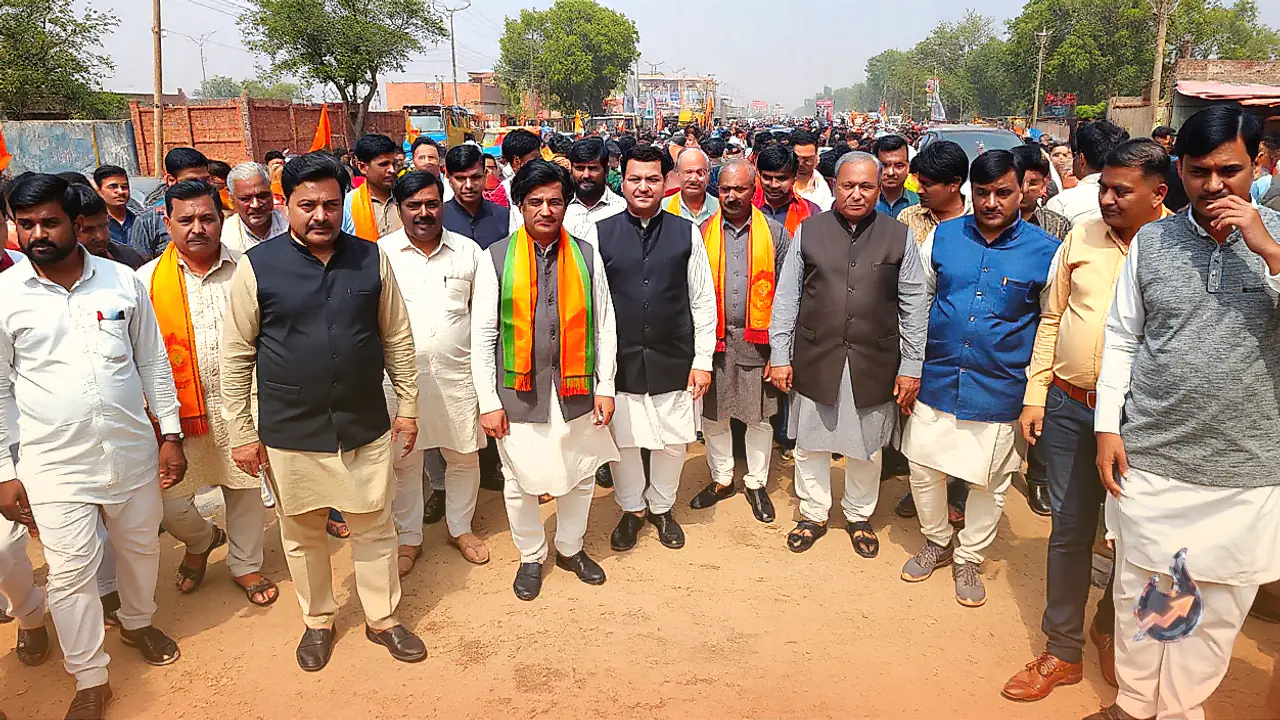
The party has broadened Akash Anand's remit beyond Uttar Pradesh to include campaign duties across Punjab and Uttarakhand. His public outreach itinerary in Uttar Pradesh commenced on October 28 with a rally at Anupshahr in Bulandshahr district, followed by an address scheduled at Nakur in Saharanpur district on November 2.
Subsequent public meetings have been scheduled for Bikapur in Ayodhya district on November 20, Agra on November 22, and Bilhaur in Kanpur district on November 29. During these gatherings, Akash Anand has been tasked with directly announcing local assembly incharges and prospective candidates, formalizing their campaigns early on the ground.
Revisiting the 2007 Social Engineering Blueprint
The foundational electoral strength of the Bahujan Samaj Party has historically rested on its Dalit voter core. In the 2007 assembly contest, the party achieved a landmark victory under Mayawati's leadership, securing 206 of the 403 seats to form a single-party majority government. That campaign relied on a comprehensive social engineering framework that united Dalit voters with Brahmins and other forward and backward demographic groups. The leadership appears inclined toward recreating a comparable broad-based alliance for the 2027 elections.
Current plans emphasize reinforcing ties with Scheduled Caste voters while concurrently offering representation to Brahmin, Muslim, backward class, and forward caste contenders. Deliberations regarding initial candidate selections have involved leaders representing Muslim, Brahmin, Kshatriya, Vaishya, and backward class backgrounds. A central test for the party remains assessing the resilience of its core Dalit support base, particularly after failing to win a single seat across all 80 parliamentary constituencies in Uttar Pradesh during the 2024 elections and securing just one seat in the 2022 state assembly polls.
Electoral Friction with Samajwadi Party's PDA Strategy
Concurrently, the Samajwadi Party under Akhilesh Yadav has oriented its preparation for 2027 around the PDA formulation, representing backward classes, Dalits, and minorities. The Samajwadi Party aims to bring non-Yadav backward communities, Dalit groups, and minority voters under a shared political banner, emphasizing demographic diversity in ticket distribution.
Renewed grassroots activity by the Bahujan Samaj Party presents a direct competitive challenge to this construct. Should the party succeed in consolidating its traditional Dalit supporters through early candidate appointments and public rallies, it could disrupt the coalition that Akhilesh Yadav seeks to build. Heightened competition for these key demographics between both parties is poised to play a crucial role in shaping the broader electoral dynamic in Uttar Pradesh.