



















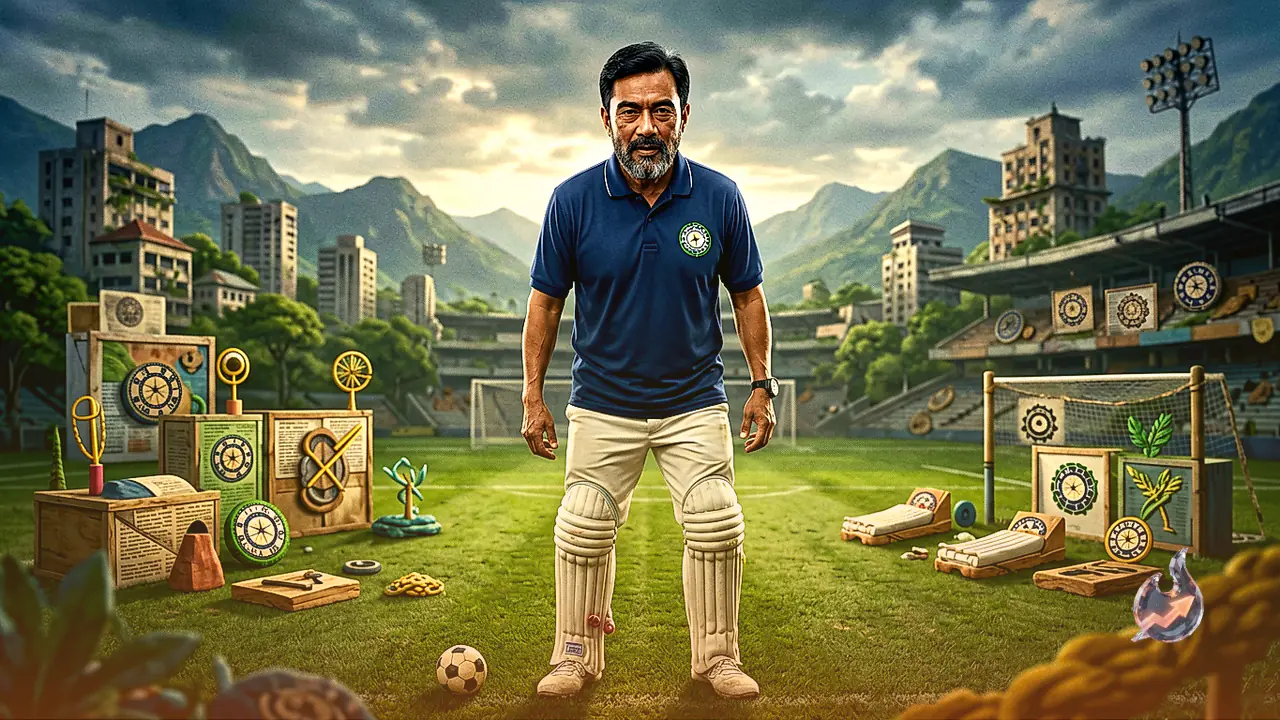

The Indian national cricket team is currently contending with a severe wave of player injuries that has complicated team selection and overall strategic planning. High-profile cricketers find themselves on the recovery list, forcing frequent adjustments to the match squad. Addressing this persistent issue, former Indian captain Sunil Gavaskar has leveled critical questions at the Board of Control for Cricket in India (BCCI) regarding its current physical training methodologies and conditioning programs, suggesting that repetitive injury trends point to structural issues in player preparation.
Injury Patterns and Systemic Training Concerns
Fitness concerns have hit several prominent members of the squad. Fast bowler Jasprit Bumrah is currently managing a knee issue, while a broader group of players—including Sai Sudharsan, Washington Sundar, Hardik Pandya, Nitish Kumar Reddy, and Harshit Rana—have all faced physical setbacks. Gavaskar pointed out that a significant majority of these injured players are suffering from hamstring problems.
According to the former captain, when multiple athletes suffer identical muscular breakdowns, it indicates a pattern rather than mere bad luck. He emphasized that assigning blame solely to the physiotherapists at the BCCI Center of Excellence misses the larger picture. Instead, he called for a comprehensive review of the entire training, strength, and conditioning framework to identify where the preparation routines are failing the players.
Questioning Biomechanics and Net Bowling Limits
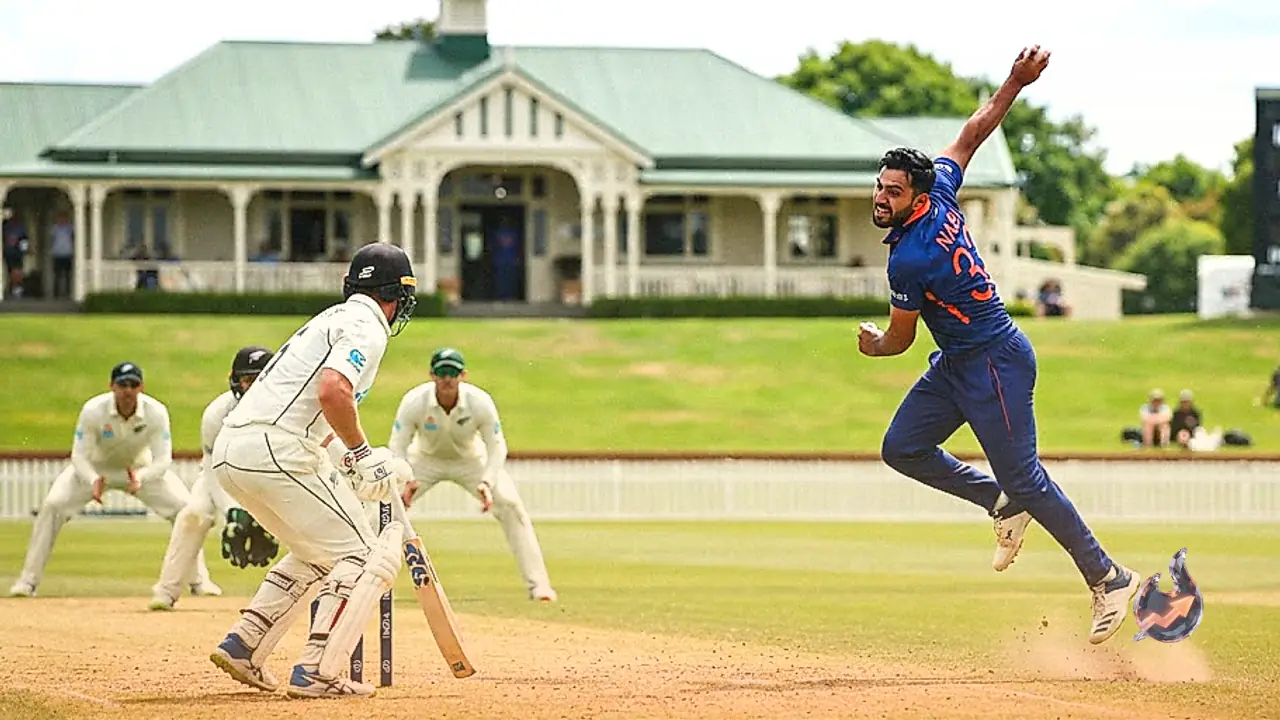
Gavaskar also directed scrutiny toward contemporary biomechanics guidelines that dictate workload management for fast bowlers during practice sessions. He questioned whether restricting deliveries in the nets accurately simulates the strenuous demands of competitive match-play.
Highlighting the disparity between net practice and match reality, he noted that a bowler must deliver 6 balls per over and typically complete spells requiring 24 or more deliveries in a fixture. In light of this, limiting a bowler to just 20 deliveries in a net session appears counterproductive. Gavaskar argued that practice regimens ought to mirror match conditions closely so that players build the requisite physical endurance for real game scenarios.
Distinguishing Match Fitness from Gym Conditioning
In assessing athletic preparation, Gavaskar stressed the fundamental distinction between aesthetic fitness achieved in weight rooms and functional endurance required on the cricket pitch. Heavy gym lifting alone, he maintained, should not serve as the primary benchmark for an athlete's readiness.
Emphasizing the core purpose of athletic conditioning, Gavaskar noted:
"Being match fit is far more vital than being gym fit."He asserted that understanding why these injuries recur is crucial, as conditioning must focus on enabling players to sustain high intensity and absorb stress throughout long matches.
Captain Shubman Gill's Concerns Ahead of Major Tournaments
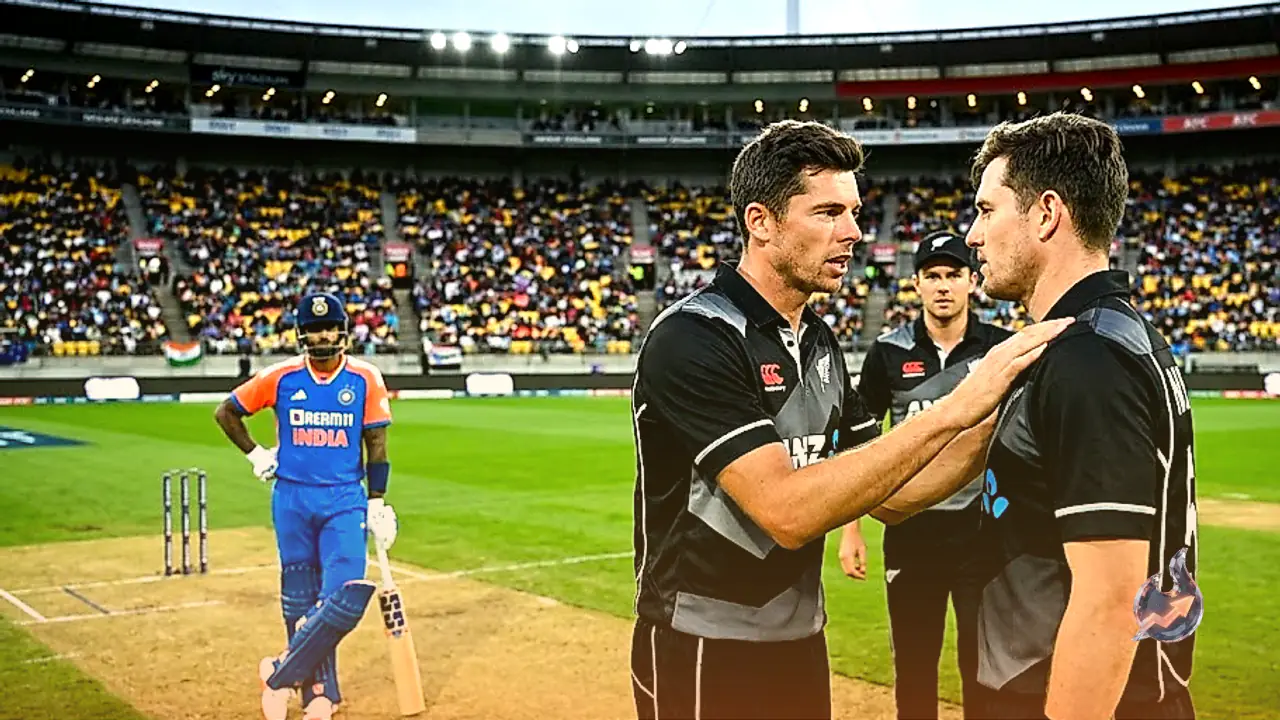
The impact of continuous injuries extends directly to squad stability and tactical continuity. Following an ODI series loss against England, captain Shubman Gill also voiced serious concern over the team's health crisis, noting that constant player unavailability forces continuous changes to the starting line-up.
Looking ahead to major international events such as the World Cup, Gill questioned how the team will cope if players currently struggle to manage two or three consecutive matches. In a marquee tournament featuring 9 to 10 back-to-back high-intensity fixtures, maintaining player durability will be essential for India's success, making a thorough overhaul of fitness protocols an immediate priority.