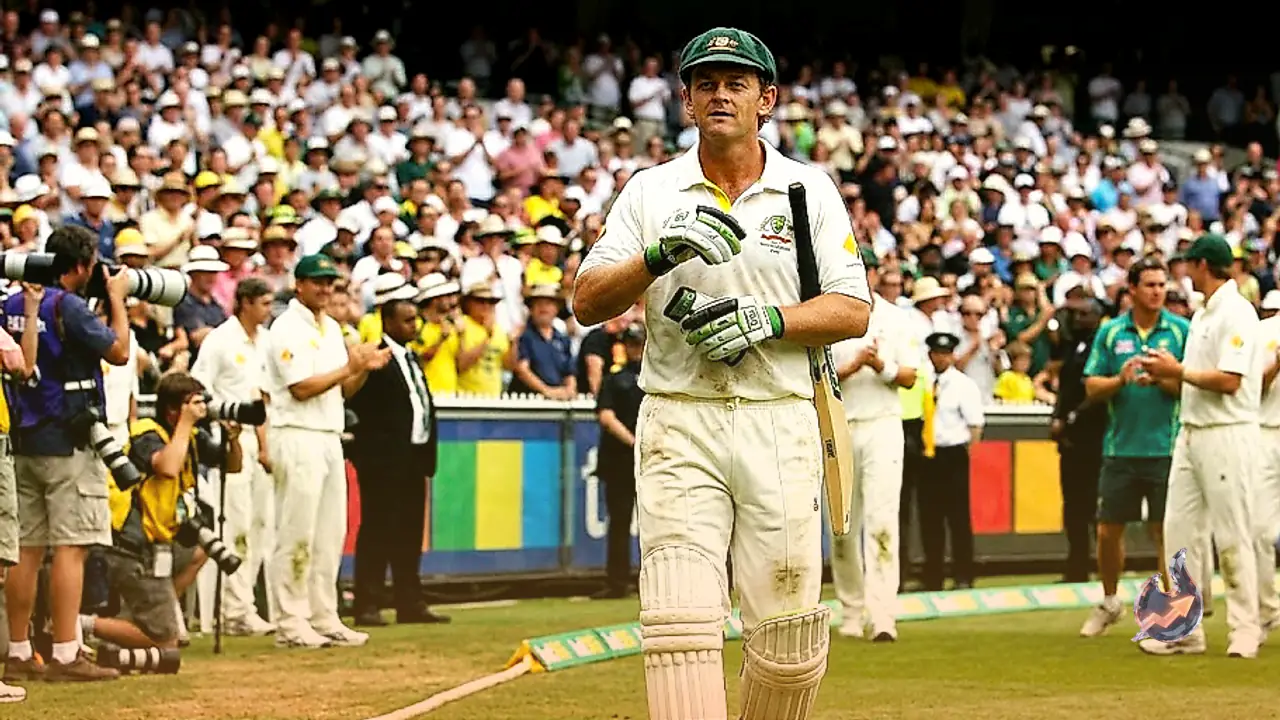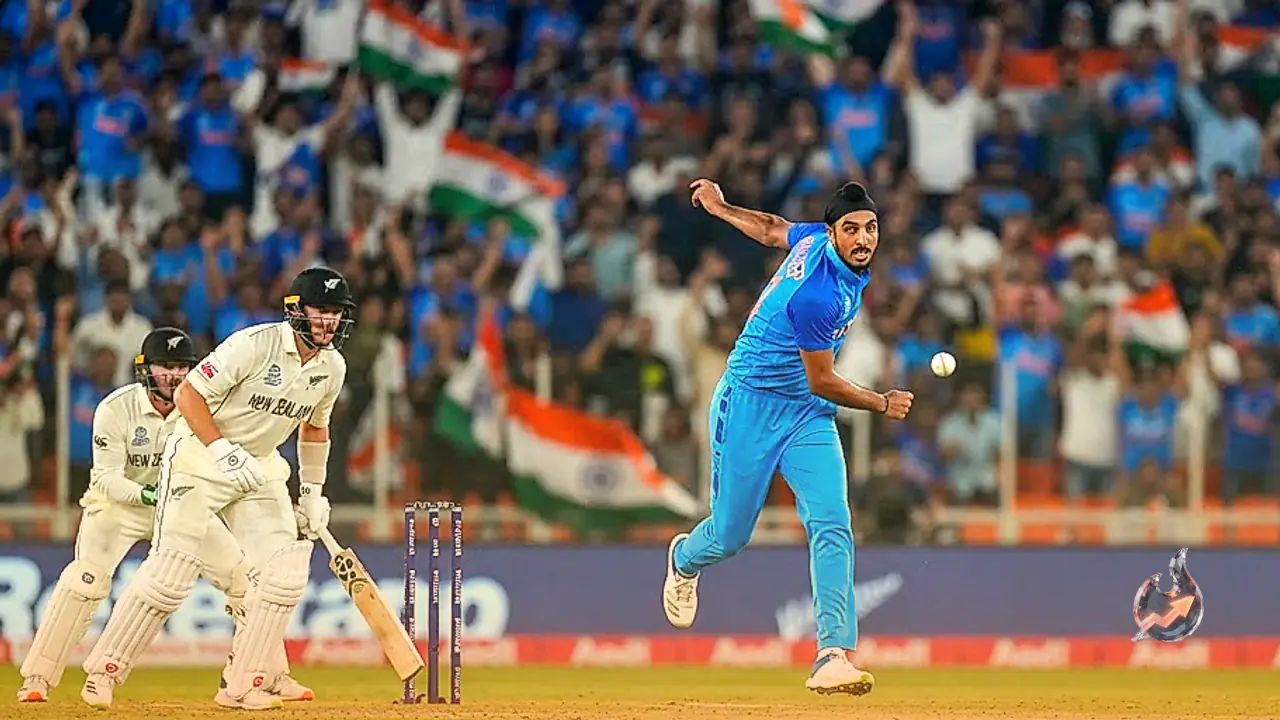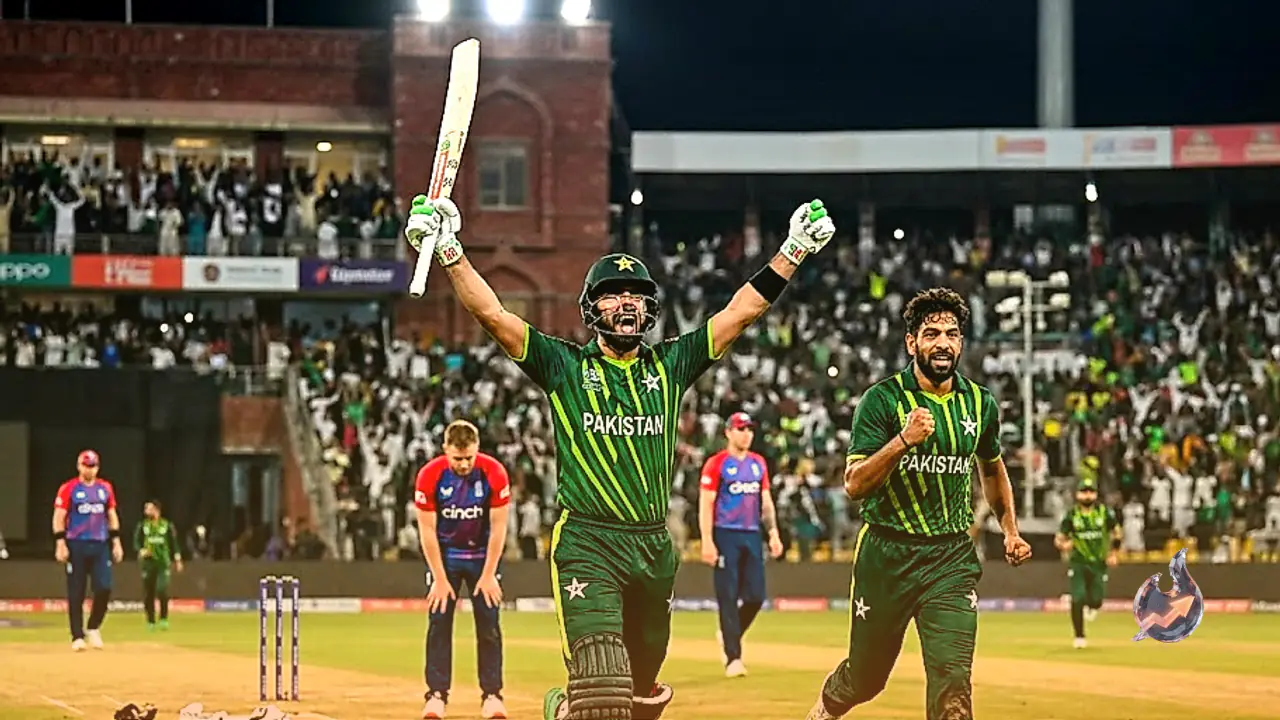















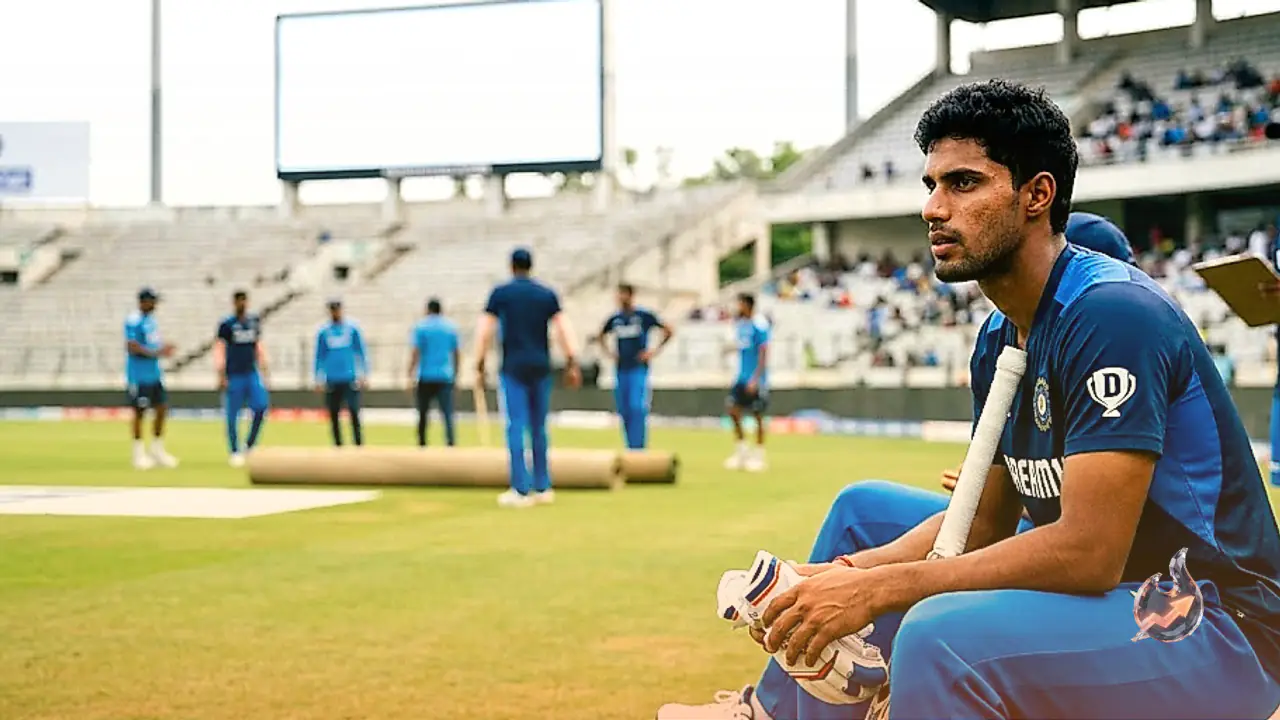

Indian cricket team selectors and the team management have moved into active mode regarding preparations for next year's ODI World Cup. Ahead of the mega tournament on the bouncy and pace-friendly pitches of South Africa, the search is on for fresh options to make the Indian middle order robust and flexible. Under this strategy, young left-handed all-rounder Tilak Varma has emerged prominently, being viewed as a strong and potential backup for Shreyas Iyer in the top-six batting lineup.
Left-Handed Advantage and Bowling Skills
The Indian batting order has long featured a predominance of right-handed batters, making Tilak Varma's left-handed presence a valuable asset that introduces variety against opposition bowlers. Beyond batting, the team management has specifically instructed Tilak to work extensively on his off-spin bowling. Head coach Gautam Gambhir and captain Shubman Gill have identified the scarcity of bowling options in the top order as a serious concern. The management believes that the absence of part-time bowlers in the top order places extra pressure on the lower order and main bowlers. Given the recurring fitness issues of Hardik Pandya and Nitish Kumar Reddy, the team needs a top-order batter who can bowl at least four economical overs in ODIs when required.
Balancing the Playing XI and Past Lessons
In recent times, the team management has had to struggle significantly to craft a balanced playing XI. To maintain balance at number six, Washington Sundar or Axar Patel have often been promoted to number five or six. During the previous series against England, Ishan Kishan was even sent out to bat ahead of vice-captain Shreyas Iyer. Learning from these experiences, selectors and team management are now reluctant to play any player out of their natural batting position. The prime example is Ruturaj Gaikwad, who scored a brilliant century at number four against South Africa in Raipur. Although Gaikwad was originally included as a backup opener for the injured Shubman Gill, he was left out of the ODI squad despite his middle-order century. The think tank believes Tilak Varma could have been tested in that instance, which is why white-ball opener Devdutt Padikkal is not being rushed into the ODI middle order just yet.
Senior Fitness and South African Challenges
Conditions in South Africa have consistently proven technically and physically demanding for Indian batters. Shreyas Iyer picked up an injury on the Australia tour, and his current form and technique on fast and bouncy pitches still await testing. Meanwhile, the team's two most experienced pillars, Rohit Sharma and Virat Kohli, are battling fitness issues and minor injuries alongside advancing age. By the time the World Cup arrives, KL Rahul will have crossed the 35-year mark, while Ravindra Jadeja's regular place in the team is also not one hundred percent guaranteed. The declining fitness and increasing age of these senior players have clearly impacted the team's overall fielding in recent times. Assessing these circumstances deeply, the head coach and captain firmly believe that a strong pool of young and agile backup players must be prepared in time if India aims to lift the trophy.
Full-Proof Planning Starting from New Zealand Tour
India's genuine and full-proof planning for the ODI World Cup will kick off with the New Zealand tour in October. During the home ODI series against the West Indies in late September, several key and first-choice Indian players will remain unavailable. Players like Shreyas Iyer, Tilak Varma, Ishan Kishan, and Axar Patel will be absent during this series starting from September 27. During the exact same window, a strong Indian T20 team will also travel to Japan to participate in the Asian Games. The selectors' primary focus for the West Indies series will center on finding a backup wicketkeeper. However, starting with the New Zealand tour, India will field its strongest squad to finalize World Cup preparations, where the role of youngsters like Tilak Varma will remain paramount.