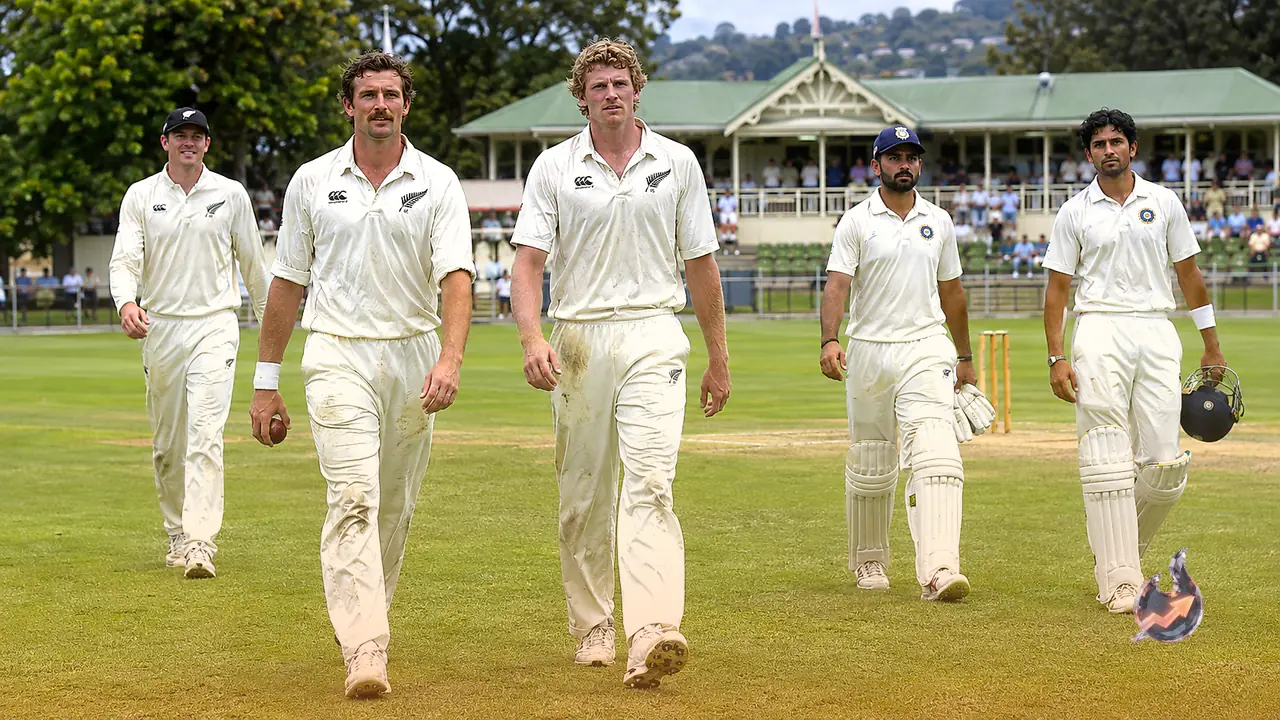























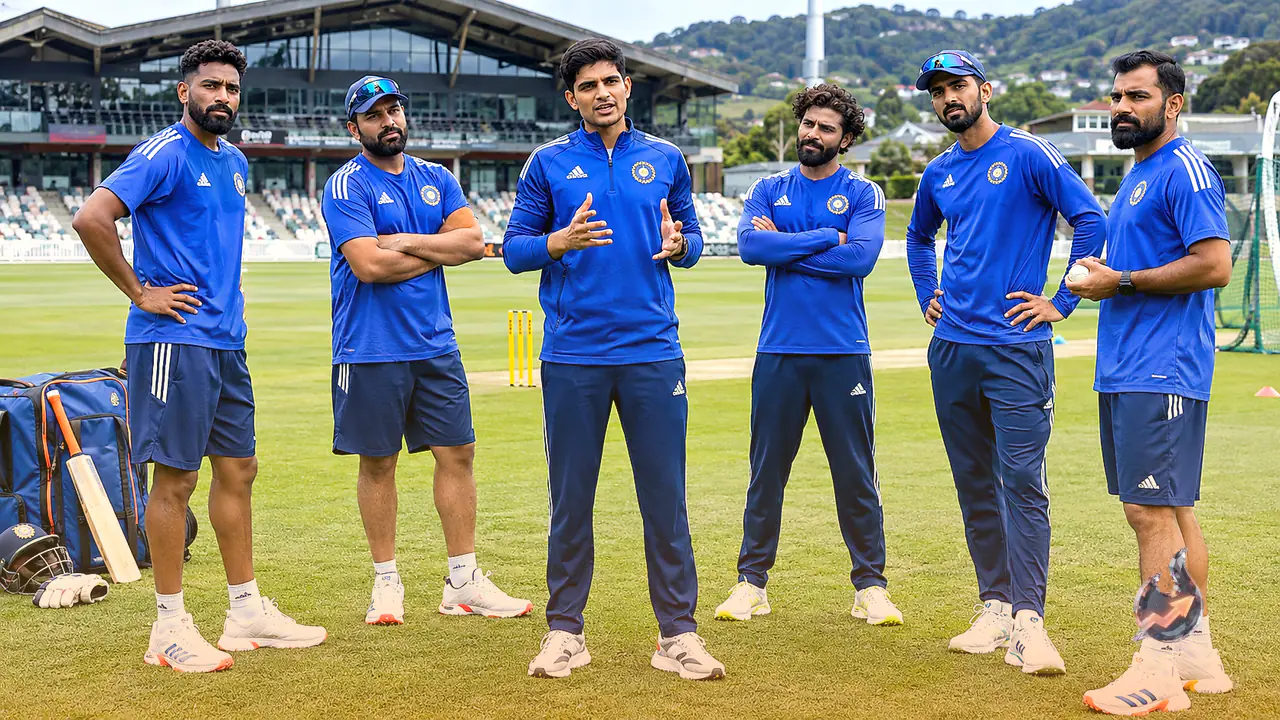

Indian ODI captain Shubman Gill has emphasized that the ongoing bilateral series in New Zealand will serve as a massive stepping stone for the side ahead of the upcoming ODI World Cup. Speaking ahead of the second one-day international, the Indian skipper pointed out that the atmospheric conditions and surface behaviour across New Zealand venues closely mirror what the squad expects to face during the marquee global tournament, offering players an ideal platform to acclimatize in advance.
Perfect Scheduling Ahead of the World Cup Campaign
In a video update released by the Board of Control for Cricket in India (BCCI) on the social media platform X, Shubman Gill broke down why this tour carries strategic importance. He explained that Indian touring squads traditionally travel to this part of the world around December or January. However, scheduling this bilateral leg in November matches the anticipated World Cup climate and wicket trends far more accurately. According to Gill, competing under these elements grants the team crucial insights into adapting their approach before the World Cup gets underway.
Auckland Win Sets Series Tone Amid Wellington Rain Forecast
India currently hold a 1-0 advantage in the five-match series after securing a clinical victory in the tour opener at Auckland. Rain played a disruptive role during that clash, leaving India with a DLS-adjusted target of 143 runs, which the batting unit chased down comfortably. Both squads have shifted their focus to the second ODI scheduled for Saturday in Wellington. The weather forecast indicates that rain could once again threaten proceedings, raising concerns over potential match interruptions.
Early Arrival Dedicated to Red-Ball Acclimatization
Addressing why he landed in New Zealand well ahead of the main squad, Shubman Gill revealed that his primary objective was to log focused batting hours against the red ball. Acknowledging his limited Test match experience on New Zealand soil, the captain prioritized four to five dedicated practice sessions before the group assembled. These extra drills allowed him to study how the red ball moves and behaves off local tracks. The preparation holds long-term value, as the two sides are scheduled to compete in a two-match Test series immediately following the conclusion of the five ODIs.