




















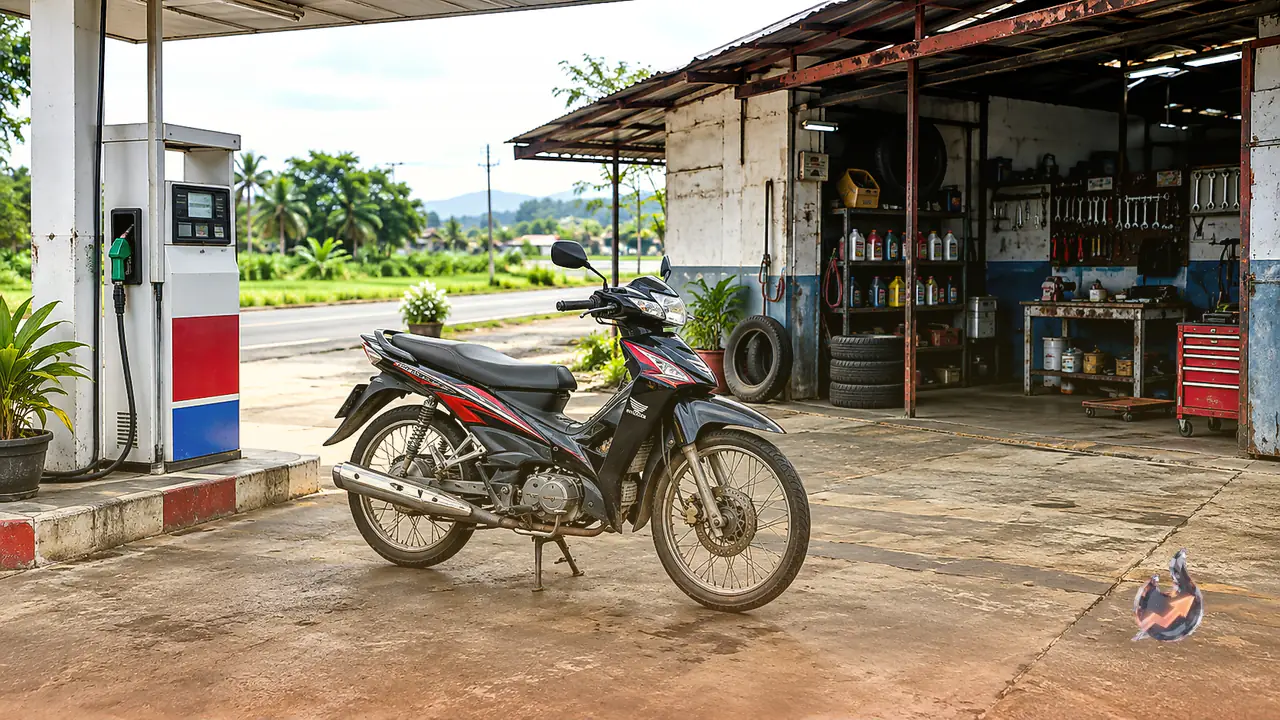

For daily two-wheeler commuters, an abrupt surge in petrol consumption can quickly strain monthly transportation budgets. It is a frequent occurrence for a motorcycle that previously delivered excellent fuel economy to suddenly suffer a drastic decline in efficiency, leaving riders puzzled about the underlying malfunction. Such performance issues typically stem from overlooked mechanical wear, faulty component adjustments, or degraded fluids. By identifying these technical triggers early and taking proactive preventive measures, riders can avoid unnecessary fuel expenses while extending the operational lifespan of their engines.
Air Filter Blockages and Oxygen Starvation
In any internal combustion two-wheeler, the air filter functions essentially like the lungs of the vehicle. Operating in dusty outdoor conditions causes dirt, airborne debris, and grime to steadily settle on the filtration mesh. According to mechanic Babu Mistry and head mechanic Mohammad Zeeshan from Bahraich, a heavily clogged air filter chokes off the adequate supply of clean oxygen required for optimal combustion inside the engine cylinder. When oxygen levels drop, the engine experiences severe mechanical strain and burns fuel inefficiently. This not only causes fuel economy to plummet rapidly but also inflicts lasting structural damage on critical internal components, specifically the piston rings and the clutch plates.
Risks of Counterfeit Lubricants and Service Schedules
Maintaining optimal engine lubrication is vital for reducing internal friction and sustaining fuel economy. Using substandard, low-grade, or counterfeit mobil oil available in local markets causes engines to deteriorate prematurely. Industry experts emphasize that riders must consistently rely on genuine, branded engine lubricants designed for their specific motorcycle class. Furthermore, adherence to recommended service intervals is paramount. Standard commuter motorcycles require routine servicing every 2 to 2.5 thousand kilometers. In contrast, performance-oriented sports bikes demand comprehensive maintenance every 4 to 5 thousand kilometers, and Royal Enfield Bullet models likewise require servicing at intervals of 4 to 5 thousand kilometers.
Adulterated Roadside Fuel and Inaccurate Carburetor Tuning
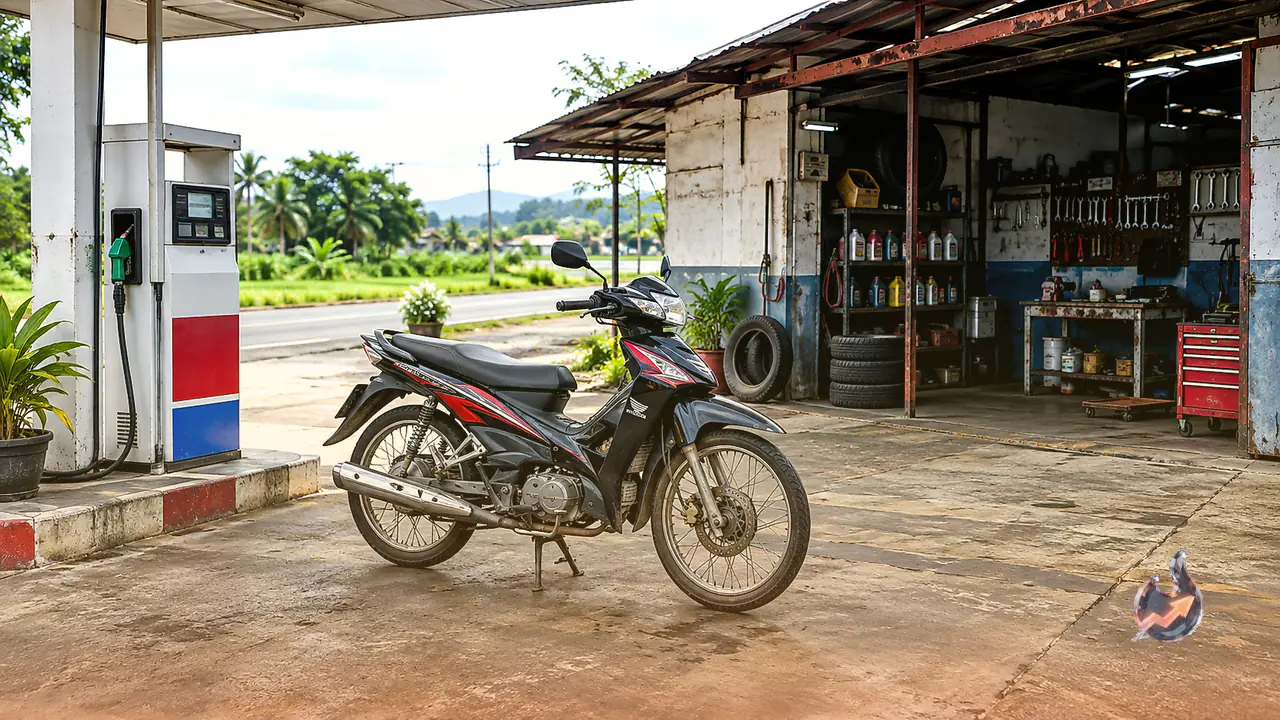
Purchasing loose petrol sold along open rural roads or informal stalls carries a high probability of fuel adulteration. Impurities in low-quality petrol disrupt fuel injectors or jets, causing rough engine operation and poor mileage. Refueling exclusively at certified petrol pumps ensures clean fuel delivery and protects internal components. Another frequent contributor to mileage drop is improper carburetor calibration. Inexperienced mechanics often fail to tune the carburetor accurately, resulting in a distorted air-fuel mixture. When an excessively rich fuel mix enters the combustion chamber, excessive petrol is consumed without delivering proportional driving power, sending fuel efficiency downwards.
Component Replacement Intervals and Speed Discipline
Restoring a motorcycle to factory-level efficiency requires systematic scheduled maintenance. Technicians strongly advise replacing the air filter entirely after every one or two service sessions, or roughly every 10 to 15 thousand kilometers of travel. Driving style also dictates how much petrol an engine consumes per kilometer. Head mechanic Mohammad Zeeshan notes that aggressive over-speeding and erratic throttle adjustments inflict significant penalties on fuel economy. Maintaining moderate, consistent cruising speeds and practicing smooth acceleration allows the engine to operate within its ideal powerband, recovering original mileage figures while protecting riders from steep repair bills.