
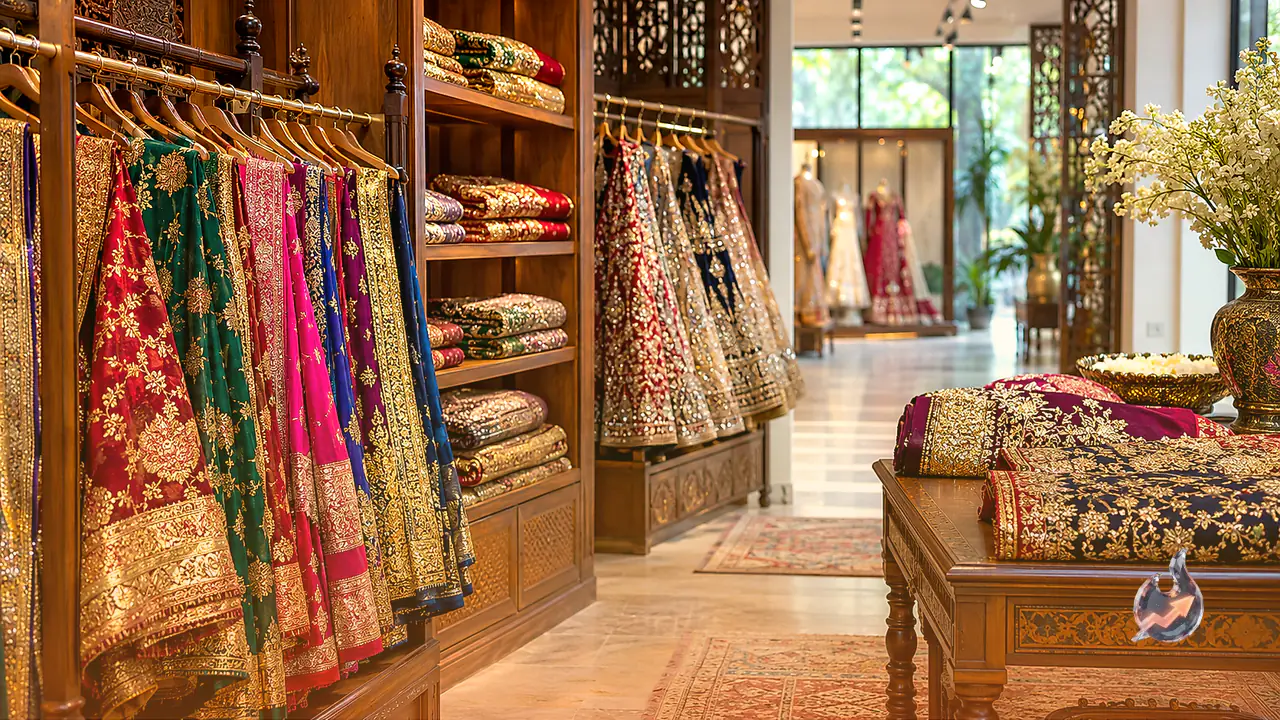





















Garments adorned with intricate zari work are cherished centerpieces in festive and bridal wardrobes. The detailed metallic embroidery lends these outfits a regal aesthetic, yet it also makes them exceptionally delicate. Because zari threads are traditionally layered with precious metals like gold, silver, or specific metallic alloys, improper handling can cause the lustrous finish to tarnish rapidly and damage the surrounding fabric. If you want your prized sarees, lehengas, suits, or dupattas to retain their immaculate sparkle for years, adopting a mindful garment care routine is indispensable.
The Best Cleaning Methods and Dry Cleaning
Treating ornate ethnic wear like everyday laundry is one of the most common mistakes. Running embroidered garments through a standard washing machine or scrubbing them with harsh laundry brushes will tear the delicate metallic coils and pull the threads loose. Professional dry cleaning remains the safest and most reliable way to cleanse heavily embellished textiles. Experienced dry cleaners use specialized solvents that gently lift stains without abrasive friction, keeping both the fabric structure and the brilliant metallic shine intact.
Precautions for Gentle Home Washing
If a garment has only gathered light dust or mild sweat and you choose to refresh it at home, proceed with immense caution. Always use cold water combined with a small quantity of mild liquid detergent formulated for delicate silks or woolens. Never soak metallic embroidered garments in water for extended periods, as prolonged dampness softens the weave and weakens metallic coatings. Cleanse the fabric using gentle hand movements without twisting, wringing, or rubbing, and rinse it immediately in clean water.
Drying Away from Direct Sunlight
Exposing wet zari wear to intense afternoon sunlight is a guaranteed way to dull the metallic sheen. Harsh solar rays cause the protective coating on the threads to degrade and lead to color fading across the base textile. Always dry embellished outfits in a shaded, well-ventilated indoor space or under an airy veranda. Allowing the garment to air-dry naturally preserves the vibrant dyes and protects the subtle gleam of the metallic embroidery.
Storage in Muslin Cloth Instead of Plastic Bags
A frequent storage error is sealing festive wear inside transparent plastic covers or synthetic zip bags. Plastic traps ambient moisture and limits breathability, creating an environment that accelerates metallic oxidation and turns radiant zari dark or black over time. The ideal solution is wrapping each piece individually in soft, breathable cotton sheets or pure muslin cloth. Store these wrapped bundles in a clean, dry, and cool closet away from damp walls.
Refolding Routines and Safe Ironing Techniques
Leaving a heavy garment folded in the exact same pattern for months creates localized stress points where the embroidered borders bend. Over time, these continuous creases can snap the metallic filaments and leave permanent unsightly fractures in the cloth. To maintain structural integrity, take your festive wear out every three to four months, gently air it, and refold it along different fold lines. Ironing also requires rigorous care: never place a hot iron directly onto metallic needlework. Either turn the outfit inside out to press the reverse side or place a plain thin cotton cloth over the embroidery before applying low heat, preventing the delicate foil from melting or warping.
Shielding Threads from Moisture and Perfumes
Moisture and synthetic chemicals represent the greatest everyday threats to zari craftsmanship. After attending an event, resist the urge to immediately hang the outfit back in a dark wardrobe. Hang it under a running ceiling fan first so any trapped body heat and sweat completely evaporate. Furthermore, avoid spraying deodorants, body mists, or perfumes directly onto embroidered zones. The alcohol and chemical additives in fragrances provoke instant chemical reactions with metal finishes, leading to permanent discoloration.