























When a fifteen-year-old prodigy takes the cricketing world by storm with fearless strokes, the weight of expectations multiplies instantly. Such has been the whirlwind journey of Vaibhav Sooryavanshi over the past few months. From the glamorous arenas of the Indian Premier League to making his debut for India in the T20 squad against England, his rise has felt nothing short of a fairy tale. However, transitioning from the high-octane environment of white-ball cricket to the traditional demands of red-ball and Test cricket brings an entirely different rulebook. Manish Ojha, his childhood mentor, believes that while breaking into the T20 setup happened swiftly, earning a coveted Test cap for India will require a much sterner and more patient path. The coach wants his young ward to demonstrate to the cricketing world that he is not just capable of hitting boundaries, but possesses the temperament to grind it out and face 300 balls at the crease.
A Leadership Role in the Duleep Trophy
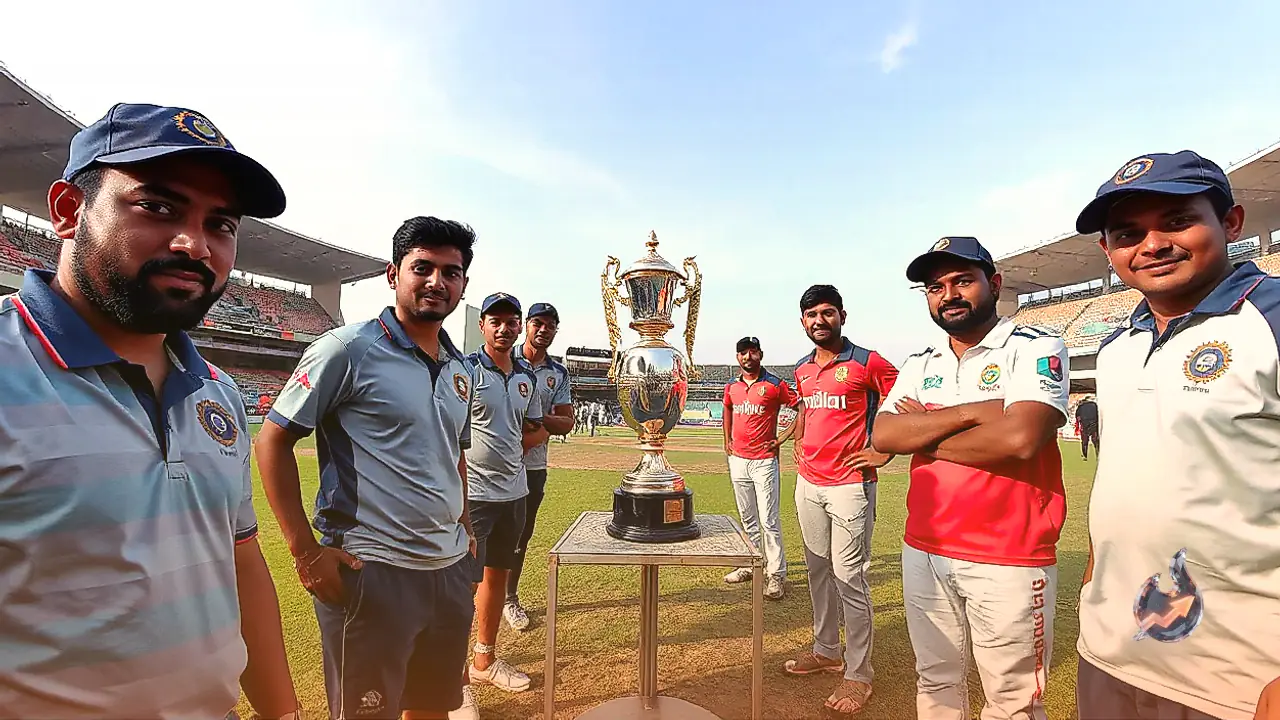
Vaibhav Sooryavanshi now has a golden opportunity to cement his credentials in red-ball cricket. He has been named the vice-captain of the East Zone squad for the Duleep Trophy. Entrusting such a significant responsibility to a fifteen-year-old highlights the immense faith selectors place in his talent, though the real test will lie in scoring runs out in the middle.
First-Class Numbers Versus Under-19 Success
A closer look at Vaibhav's first-class career statistics reveals that adapting to the nuances of red-ball cricket remains a work in progress. Across 12 first-class innings so far, he has managed 207 runs at a modest average of 17.25. On the flip side, his performances in Under-19 youth Tests have been stellar, highlighted by two magnificent centuries against Australia Under-19. These knocks prove he possesses the capability to construct long innings, but translating that potential into consistent performances at the senior red-ball level is the next hurdle.
Mental Shift and Changing Gears
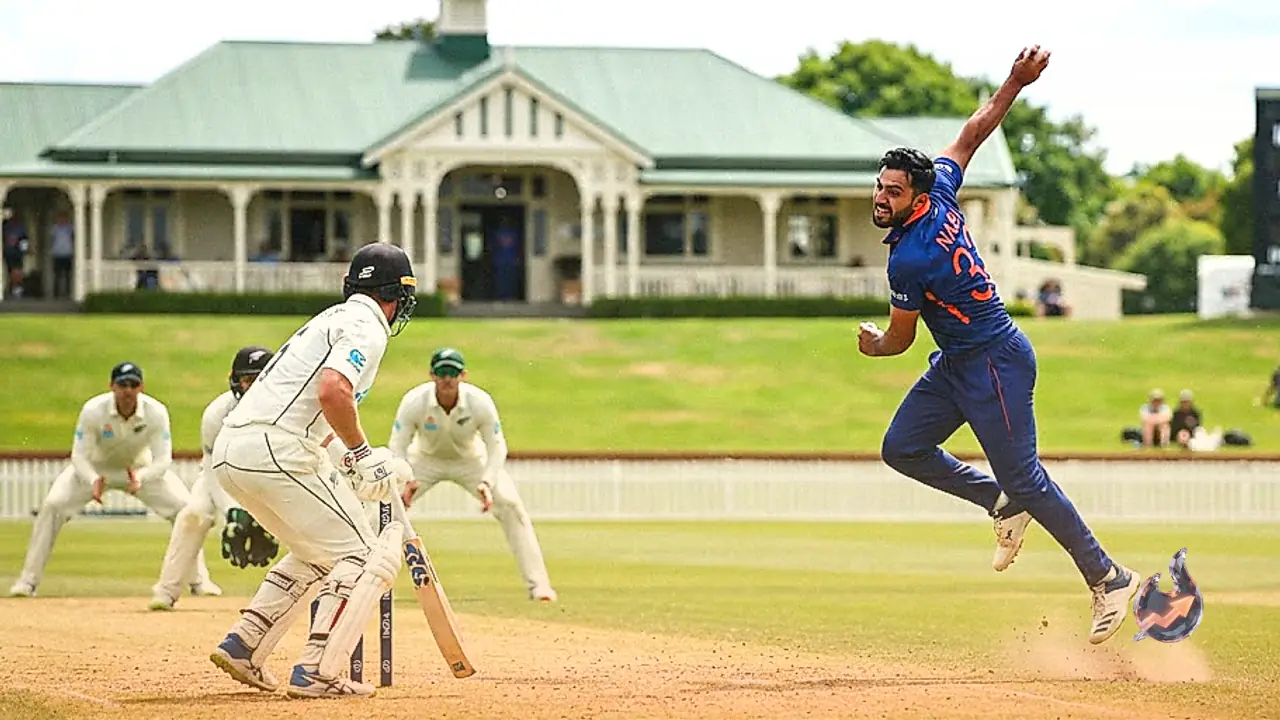
According to coach Manish Ojha, the biggest hurdle for Vaibhav will be psychological rather than technical. In limited-overs formats, a batter's instinct is to attack nearly every delivery, but adopting that mindset against the swing and seam movement of a red-ball can prove fatal. Showing restraint against a brand-new ball, minimizing risks, and patiently waiting for the loose deliveries form the bedrock of any substantial innings.
Ojha clearly stated that Vaibhav must learn the art of shifting gears according to match situations. Test cricket demands the ability to accelerate or slow down the tempo based on prevailing conditions. When bowlers are on top, a solid defense is required to weather the storm, and as soon as an opening appears, the scoreboard must be kept ticking. The coach's straightforward advice is for Vaibhav to show the world that he is not merely a player who scores quick fifties or seventies, but someone who understands the intricate art of building a marathon innings.
The Rigors of Domestic Cricket and Consistency
While young players today enjoy ample opportunities to play T20 cricket, the doors to the Test team open solely through the grind of domestic cricket. In tournaments like the Ranji Trophy and the Duleep Trophy, players typically get only seven to ten matches during an entire season. Manish Ojha notes that securing a spot in the national Test squad requires posting consecutive hundreds and double hundreds within these limited outings. Such performances cannot be a fluke of a single season; rather, they demand amassing runs consistently across two to three years of domestic competition. This journey involves inevitable setbacks and failures, which means the player, fans, and selectors must all exercise patience.
Net Practice and Future Prospects
Despite these considerable challenges, the coach retains unwavering faith in Vaibhav's underlying potential. He points out that the teenager has spent extensive hours sweating it out in the nets with the red ball and possesses sound foundational technique to counter all types of bowling. Ultimately, everything rests on how well this fifteen-year-old youngster handles his temperament on the field. If Vaibhav successfully adapts to the demands of red-ball cricket, Indian cricket will secure a complete batsman capable of ruling all three formats in the future.