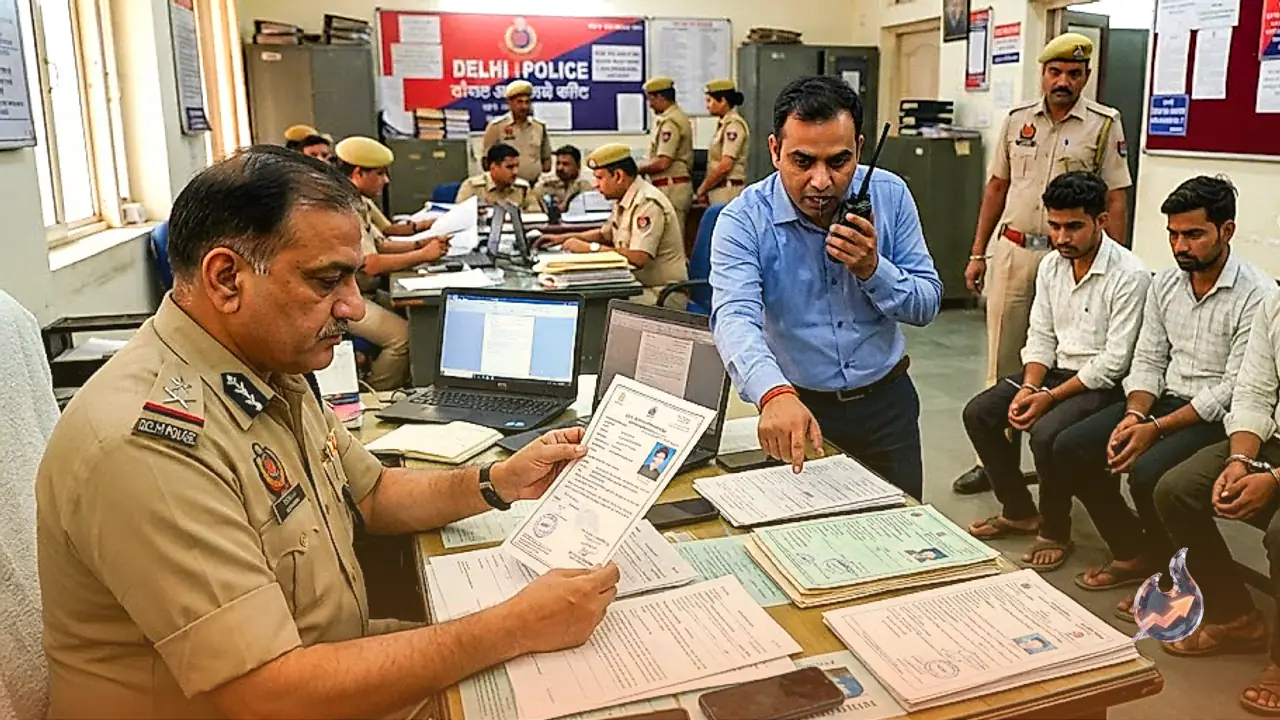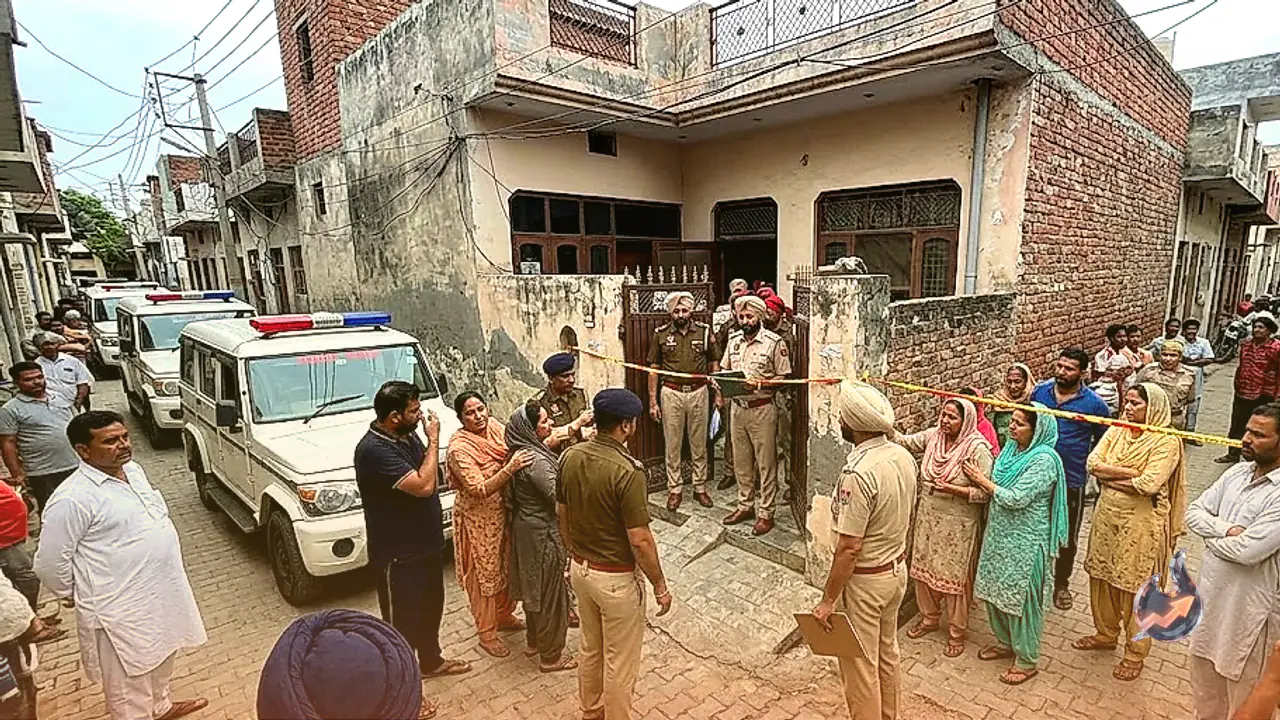






















Courtroom decorum was severely disrupted at a special National Investigation Agency court in Mumbai when an accused facing terror charges turned openly hostile during his scheduled appearance. Tabish Siddiqui, who was apprehended in 2023 in connection with an Islamic State operative network, was brought before Special NIA Judge Abhay Joglekar when he began an aggressive confrontation against the bench. Standing inside the courtroom, the accused directly challenged the authority of the state and the judiciary while directing overt personal intimidation at the presiding judicial officer.
Disruption and Direct Threats to the Presiding Bench
Upon being presented for the hearing, the accused initiated hostile conduct by questioning the identity and authority of the court itself. In a loud outburst inside the packed courtroom, Siddiqui declared that he held no respect for the current government. He proceeded to use abusive and derogatory language aimed at the judicial system before escalating his conduct to an explicit threat, warning the presiding judge that he would target him and his family. The sudden and aggressive confrontation left advocates, staff, and security personnel present in the room completely taken aback.
Hospital Psychiatric Records Disprove Mental Illness Defense
The court took grave view of the disorderly conduct and strongly condemned the threatening posture. To assess the context of the outburst, the judge examined the defendant's medical evaluation records maintained on file. Clinical documentation from the state-run J. J. Hospital specifically recorded that the accused currently suffers from no major psychological illness. Evaluating the medical assessment, the court determined that the suspect was not mentally incapacitated in any manner, but was deliberately feigning instability in an effort to derail formal trial proceedings, obstruct justice, and evade statutory sentencing.
Direct Order Restricting Physical Appearance
Following the disclosure of the clinical findings, the special court issued an immediate operational directive regarding the handling of the defendant. The bench ruled that bringing the accused physically into the courtroom was no longer warranted. To protect institutional safety and ensure orderly conduct of legal matters, the court directed that until further orders, Tabish Siddiqui must be produced exclusively through secure video conferencing facilities for all subsequent hearings.
Background of the Maharashtra ISIS Cell Crackdown
The substantive charges against Siddiqui originate from a widespread counter-terror operation conducted in July 2023. During that coordinated sweep across various locations in Maharashtra, the National Investigation Agency arrested seven individuals linked to an active Islamic State module, with Tabish Siddiqui among those apprehended. According to the investigative agency, the operatives were actively working to advance anti-India activities and radicalizing young people to expand the extremist footprint. Raids conducted at their premises yielded sensitive electronic devices, incriminating documents, and provocative social media material. Following his direct courtroom threats, the accused now faces intensified legal repercussions.