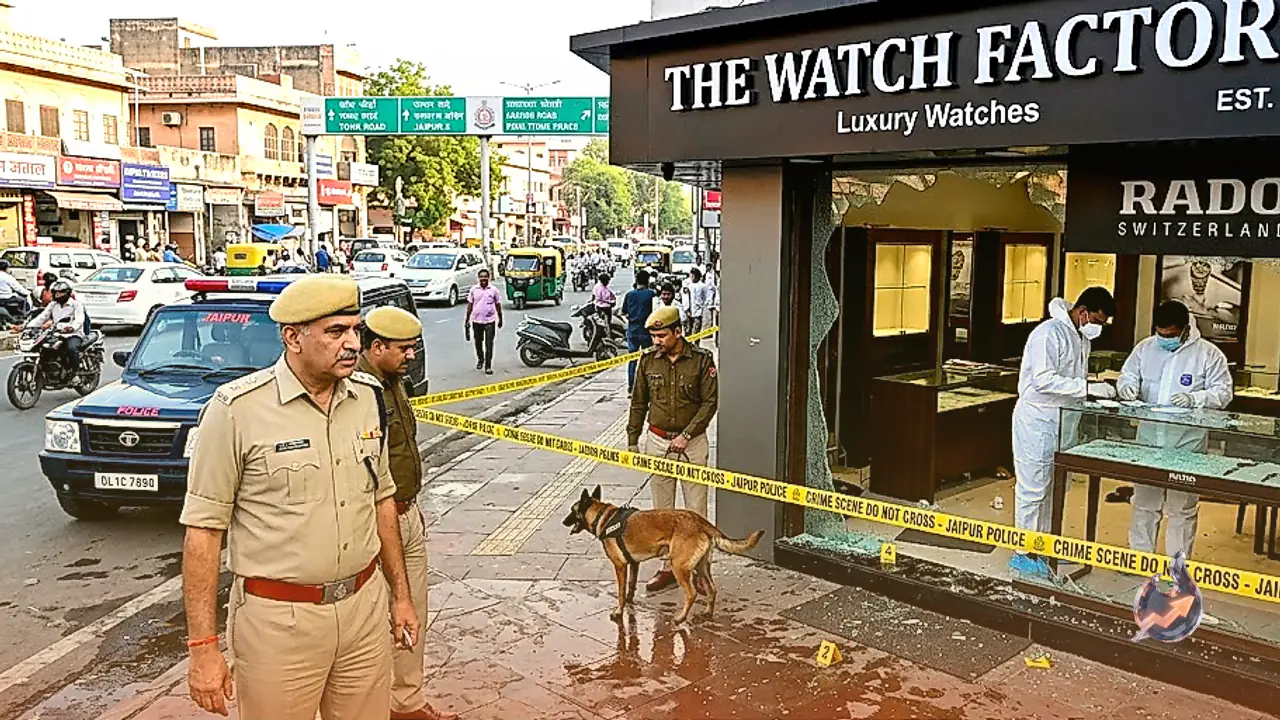

























The Guwahati zonal office of the Enforcement Directorate launched a coordinated search operation across 16 locations in Assam and West Bengal in connection with a money laundering investigation linked to the smuggling of foreign areca nuts. The operation focuses on an organized network accused of routing consignments of foreign origin betel nuts into domestic markets via the porous India-Myanmar border.
Transporters, Logistics Firms, and Key Individuals Under Scrutiny
Officials carried out extensive searches on premises connected to Siliguri-based transporter Dheeraj Ghosh alongside his associates Binoy Barman and Sandeep Baid. The action also extended to Guwahati logistics enterprises, including Jai Karni Tradings Private Limited and Purbottar Agro Private Limited, as well as businessman Navratan Baid and several other connected individuals whose offices and residences were inspected.
Money Laundering Probe Stemming from 11 Police FIRs
The financial investigation was initiated following 11 FIRs registered by the Assam and West Bengal police forces under various provisions of the IPC/BNS and the NDPS Act. The findings indicate that the network procured foreign areca nuts originating from Indonesia, Thailand, and Myanmar. These shipments were moved through Myanmar into Mizoram before being distributed across several states, notably West Bengal, Bihar, Uttar Pradesh, and Maharashtra. To mask the illicit movement of goods, the perpetrators relied on fraudulent GST invoices, fake e-way bills, and forged transit permits.
Organized Protection Money Racket and Token Mechanism
This action follows an earlier round of searches conducted on July 3, 2026, when the agency covered 20 locations tied to the network. Subsequent findings uncovered a Siliguri-centered racket that systematically extorted monthly protection money from cargo transporters. To facilitate the smooth transit of trucks laden with areca nuts past state borders and checkpoints through Assam, West Bengal, and Bihar, the syndicate issued dedicated tokens ensuring unhindered movement.
Laundering Through Shell Entities and Luxury Assets
Illicit proceeds generated from this trade were layered through an intricate network of bank accounts registered under the names of family members, employees, and dummy shell entities. These diverted funds were subsequently channeled into high-value immovable real estate, expensive vehicles, and other luxury assets that appear disproportionate to the declared legitimate incomes of the primary suspects. A portion of the collected protection money was also routed to officials across various central and state government departments stationed along transit routes.
Links to 2024 Naxalbari Areca Nut Seizure
Several individuals subject to these searches have prior involvement in contraband-related offenses, including the 2024 Naxalbari seizure case involving approximately 42 metric tonnes of areca nuts. Enforcement officials continue to analyze seized records and electronic evidence to track the complete money trail generated by the smuggling syndicate.