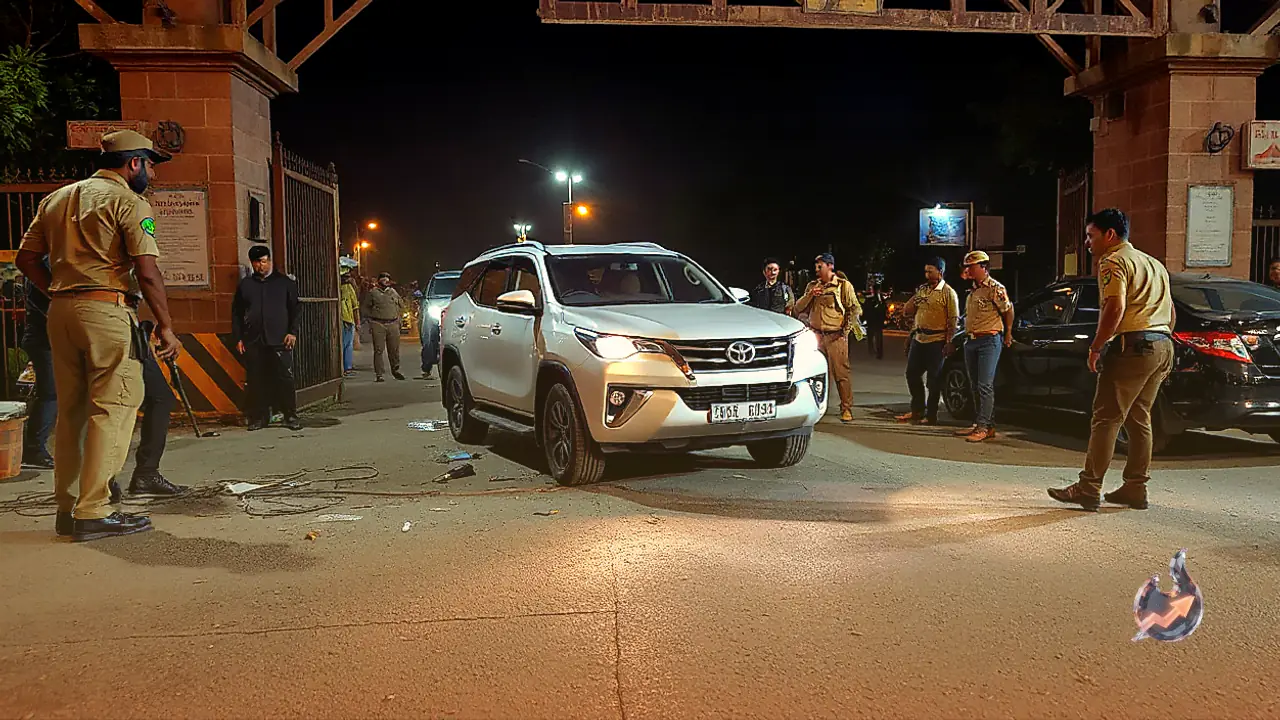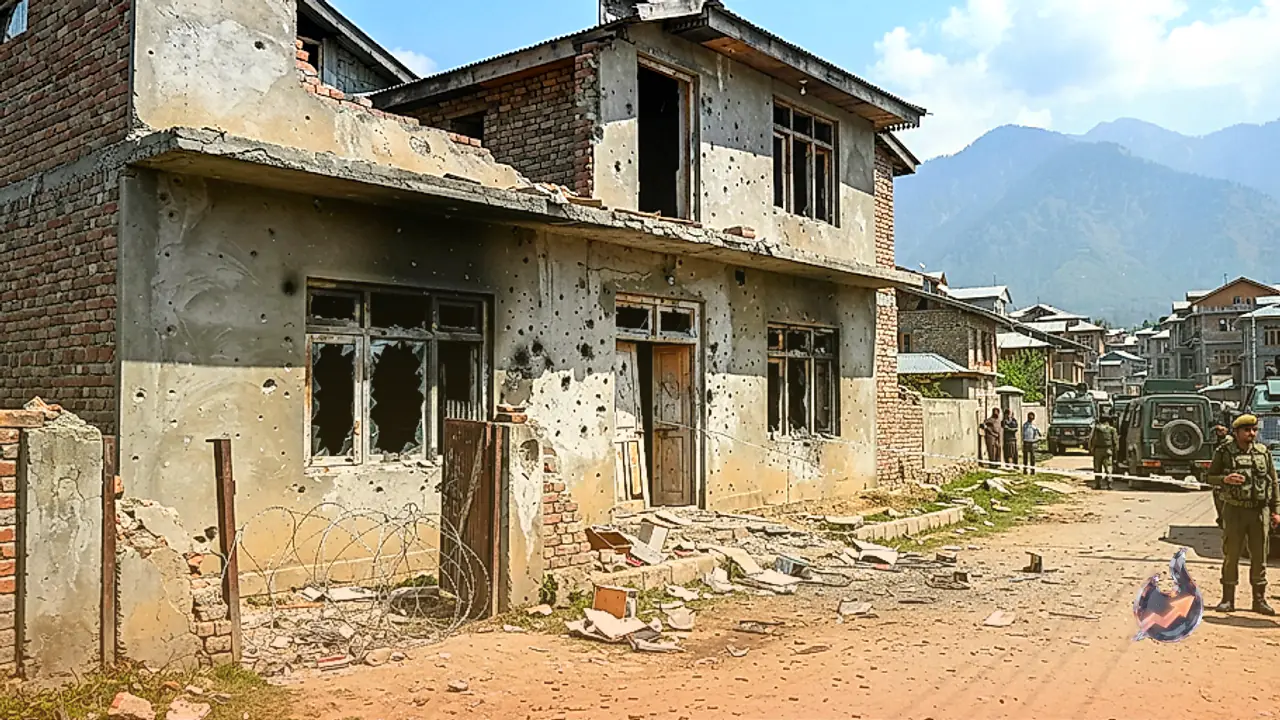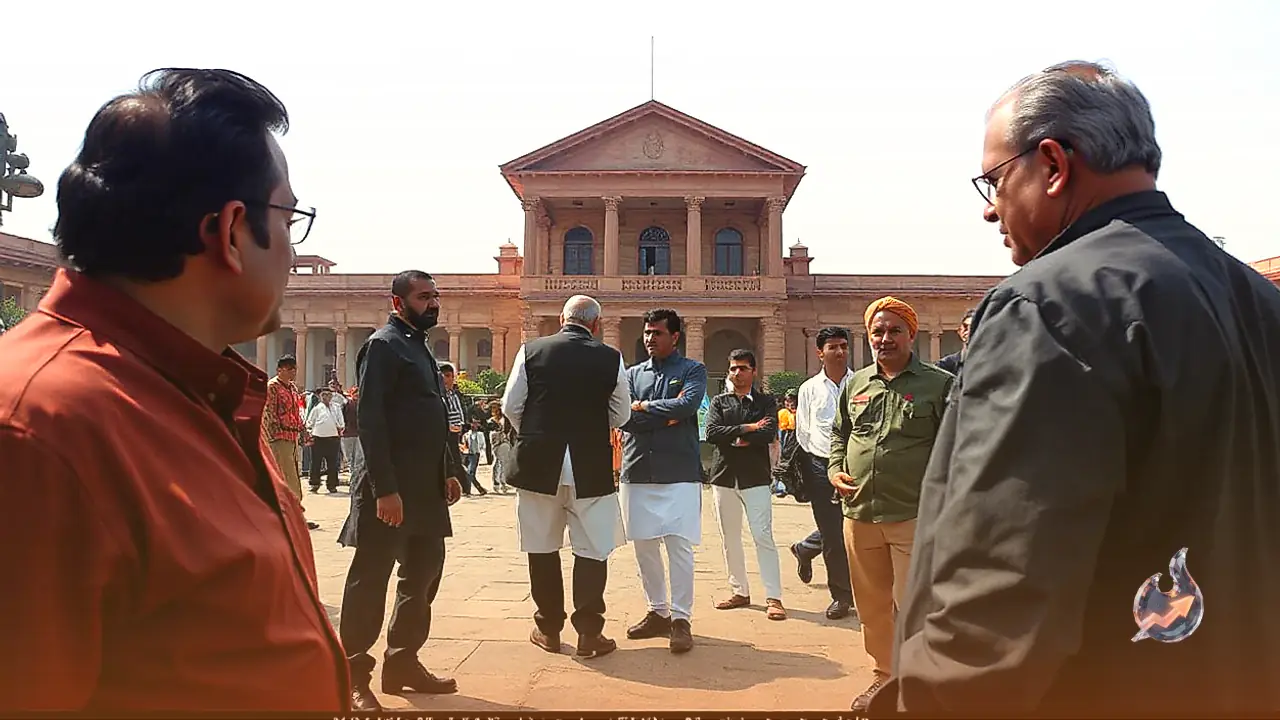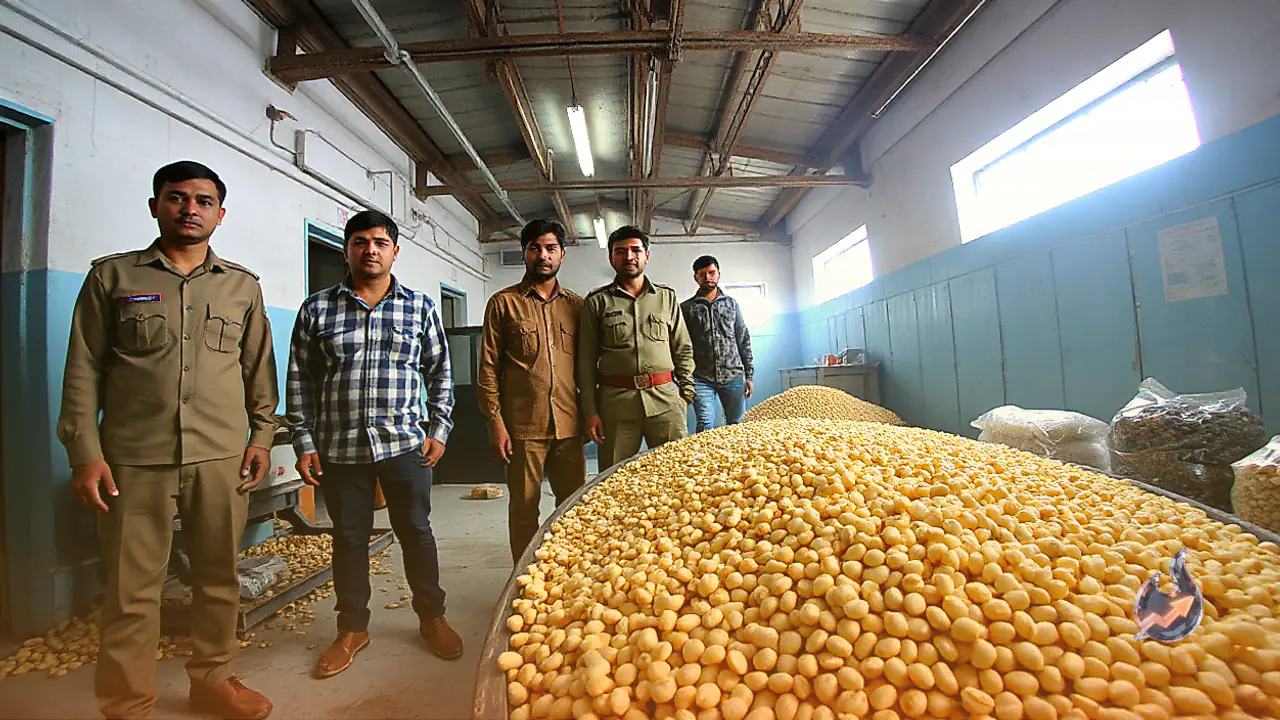

Law enforcement authorities have uncovered a major illicit operation involving the manufacturing of counterfeit pharmaceuticals in the industrial hub of Nalagarh, located within the Solan district of Himachal Pradesh. Operating with complete disregard for human life, the operators of this clandestine facility were producing fake medicines by mixing chickpea husk and various powders instead of active pharmaceutical ingredients. These fraudulent products were then packaged to mimic the branding and appearance of well-known pharmaceutical companies before being distributed to the market. Three individuals, identified as Haseen, Wasim, and Munna alias Monu, were taken into custody during a joint raid conducted by the Uttar Pradesh Special Task Force and the Food Safety and Drug Administration.
Clues from Varanasi led authorities to Solan
The investigation into this widespread syndicate originated in the city of Varanasi, Uttar Pradesh. After authorities intercepted a substantial stock of counterfeit medications in the Rohania area of Varanasi, investigative agencies began tracking the active network behind the distribution. Their inquiry uncovered further leads extending across Moradabad and Lucknow. Following the trail to identify the actual production site, the raiding team eventually tracked the operation to Nalagarh in Himachal Pradesh. A raid on a facility situated in the Khera Bypass area of Rajpura exposed the large-scale manufacturing setup.
Counterfeiting major pharmaceutical brands
During the search of the premises, investigators recovered materials associated with the names and packaging of several widely used medications. Among the brands identified were PAN-D, Clavam 625, Zerodol-SP, Shelcal 500, Taxim-O 200, and Montina-L. These drugs are commonly prescribed for treating acid reflux, bacterial infections, pain management, and other medical conditions. The circulation of counterfeit versions of such essential treatments posed a severe health hazard to patients relying on them for recovery.
Seizure of manufacturing machinery and packaging materials
The raiding team also seized various machines and equipment utilized for producing and packaging the pharmaceuticals. The recovered items included blister packing machines, capsule filling equipment, aluminum sealing machines, weighing instruments, and branded packaging materials belonging to prominent companies. This evidence confirmed that the facility was not merely producing counterfeit substances but was fully equipped to pass them off as genuine pharmaceutical products in the commercial market.
Widespread distribution network across multiple states
Preliminary findings indicate that the fake medications produced at this facility were supplied to several states, including Uttar Pradesh. Investigative agencies are currently trying to determine how long the factory had been operational, the total volume of counterfeit drugs produced, and the specific medical stores and distributors that received the shipments. Furthermore, authorities are examining whether any of these fraudulent products were sold within local markets across Himachal Pradesh.
A severe threat to patient safety
Pharmaceuticals are meant to alleviate illness and save lives, making the production of pills using chickpea husk and basic powders a direct and dangerous violation of public health standards. The circulation of fake antibiotics and critical medications can severely compromise patient treatment and well-being. A critical question remaining in this case is how many patients consumed the fake drugs manufactured in Nalagarh and whether additional conspirators remain at large. Previously, in February 2026, the Delhi Police busted a similar counterfeit medicine factory in Gaya, Bihar, arresting the mastermind behind a network that supplied fake drugs to Delhi and other regions.