




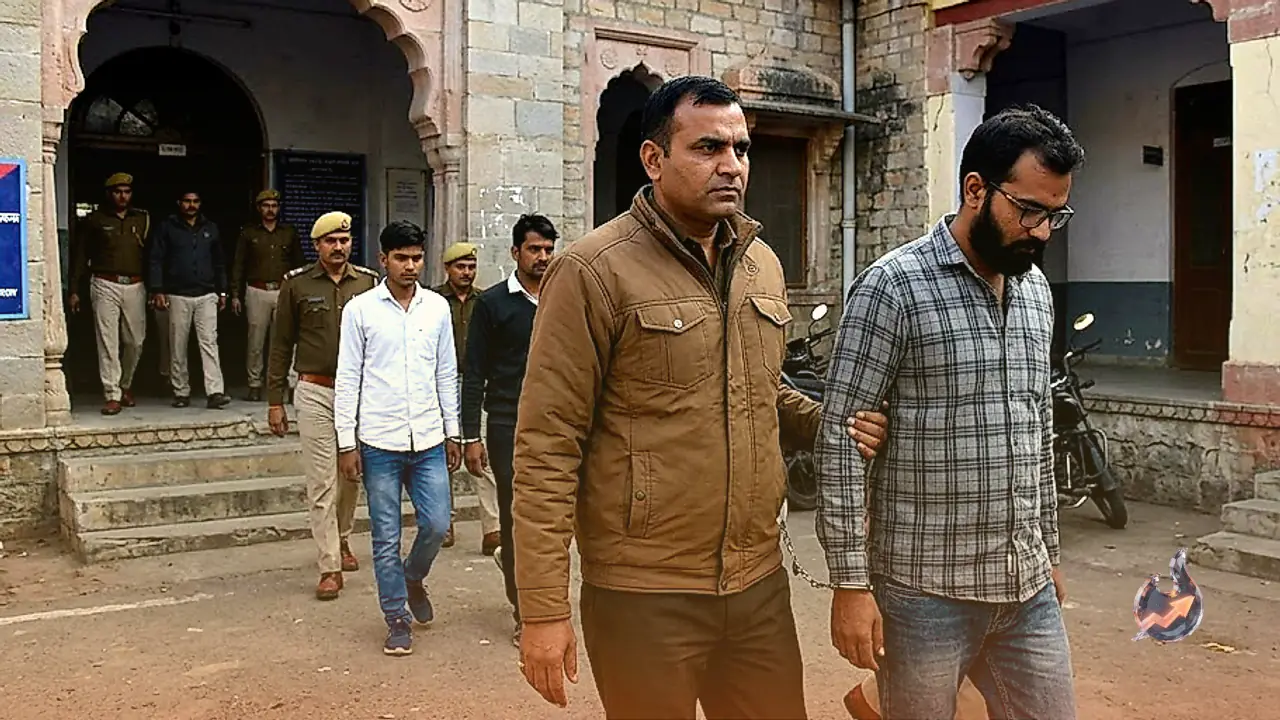
















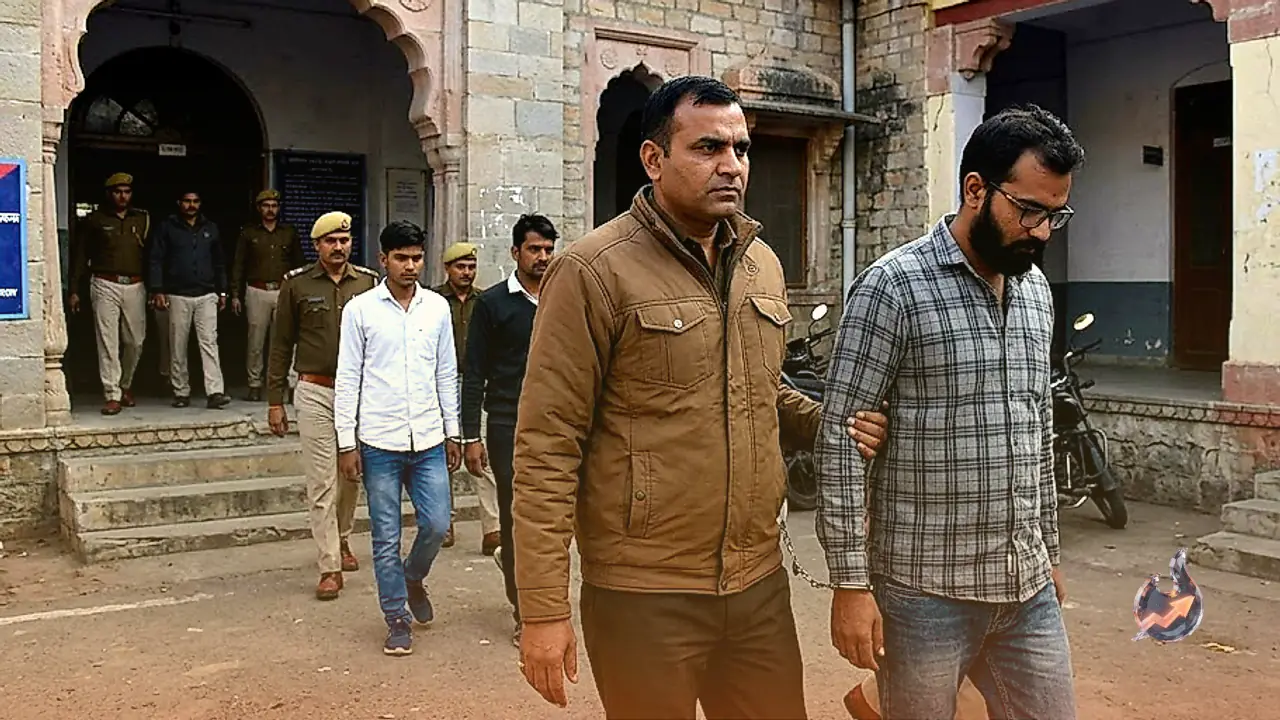

Law enforcement authorities in Rajasthan's Baran district have dismantled a crucial logistical layer of an organized cybercrime network that defrauded a local businessman of 92.75 lakh rupees through a deceptive mobile trading platform. The investigators took into custody four suspects, comprising a practicing medical doctor, a qualified computer engineer, a physiotherapist, and another associate. Instead of orchestrating the scams directly, these individuals operated as logistical facilitators who supplied genuine commercial bank accounts, official banking kits, and active SIM cards to cross-border handlers in return for lucrative financial cuts.
Lured into False Trading Returns
The victim, identified as Baran-based entrepreneur Vishnu Galav, was targeted by fraudsters who approached him through various communication channels with the promise of exceptional short-term profits. Convinced by the fabricated interface of an online trading application, Vishnu systematically transferred capital across several accounts, eventually losing an aggregate amount of 92.75 lakh rupees. Realizing that the returns were completely fictitious and that his invested principal was withheld, the trader approached the local police, prompting a detailed forensic examination of the banking channels utilized by the culprits.
Commission Incentives Behind Shadow Accounts
Financial tracing quickly directed investigators toward a registered commercial firm account owned by physiotherapist Raj Padsala. Scrutiny revealed that Raj had agreed to hand over access to his business account after being enticed with a commission ranging between 2 and 3 percent on all processed volumes. Upon examining the transaction ledger, officials discovered that this solitary account had processed suspicious financial flows totaling between 3 and 4 crore rupees in a span of just 10 to 15 days. The sheer scale and speed of these transfers highlighted how rapidly illicit proceeds were layered and moved across institutions.
Physical Handover of Banking Kits in Nepal
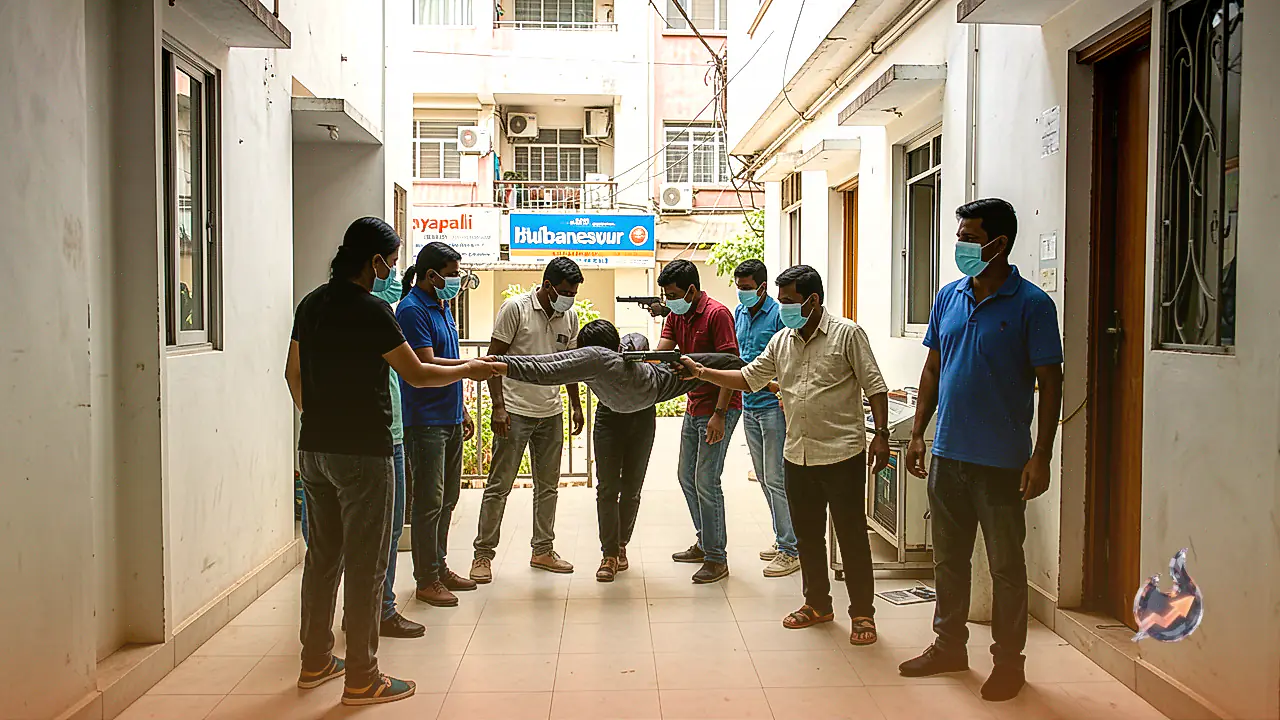
The logistical trail extended beyond Indian borders. According to the investigation, the accused gathered physical banking kits along with activated cellular SIM cards and traveled directly to Nepal. Once there, they personally delivered the documentation and communication tools to an operational operative of the cyber fraud syndicate. These offshore assets were subsequently deployed to disperse and launder funds swindled from unsuspecting investors. Once their specific operational involvement was corroborated, police arrested Dr. Jaideep Kumar, computer engineer Yagnik Ramani, Laxman Vaghela, and Raj Padsala for interrogation regarding the wider syndicate.
Fund Freezes and Ongoing Asset Tracing
Swift coordination with financial intermediaries enabled the police to place administrative holds on roughly 20 lakh rupees lying inside suspicious accounts linked to the fraud trail. Furthermore, the authorities have successfully secured the restitution of 10 lakh rupees directly to the victimized merchant. With these latest apprehensions, the overall tally of arrested individuals in this single fraud case has reached 10, encompassing mule account suppliers as well as operational ring members.
Advisory on High-Yield Digital Schemes
Investigators are continuing their forensic audit to determine the full inventory of SIM cards and mule accounts exported by the module, alongside tracing downstream beneficiary accounts. Meanwhile, the police have urged the general public to exercise extreme vigilance against unsolicited investment propositions circulating online. Citizens are strongly advised to verify the regulatory standing and credentials of any financial platform before parting with funds, especially when confronted with promises of rapid or unrealistic market gains.