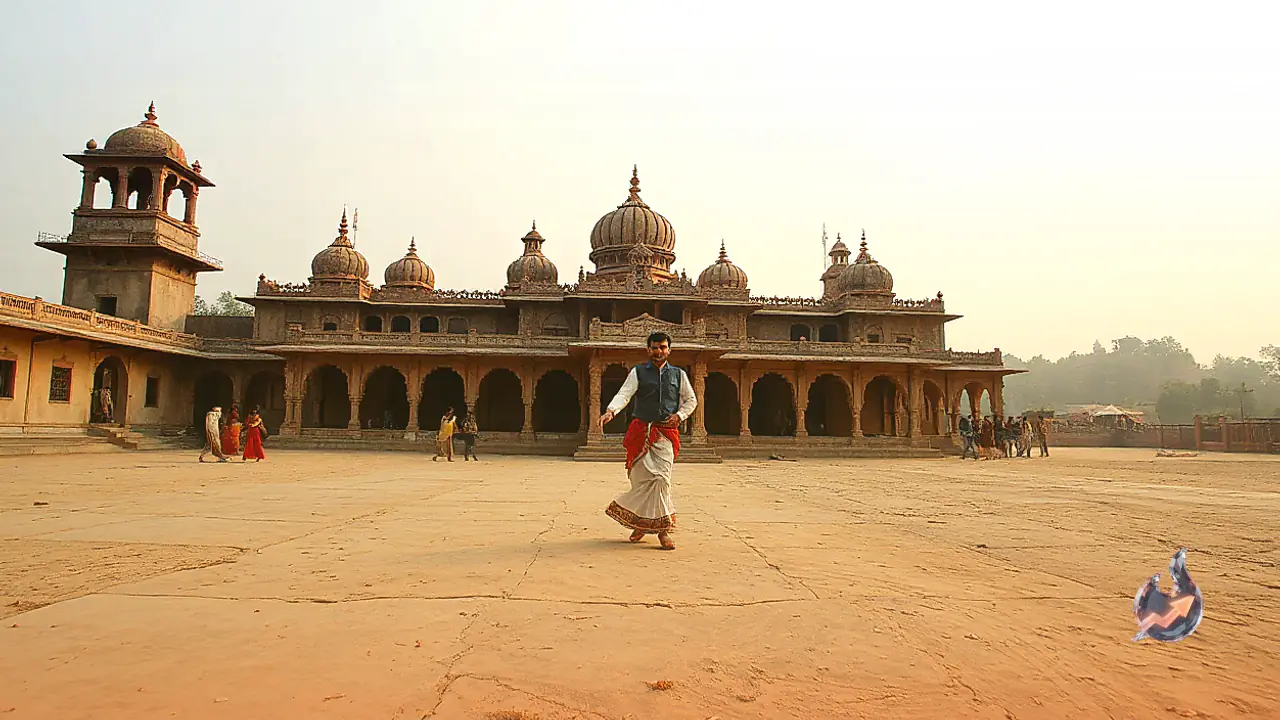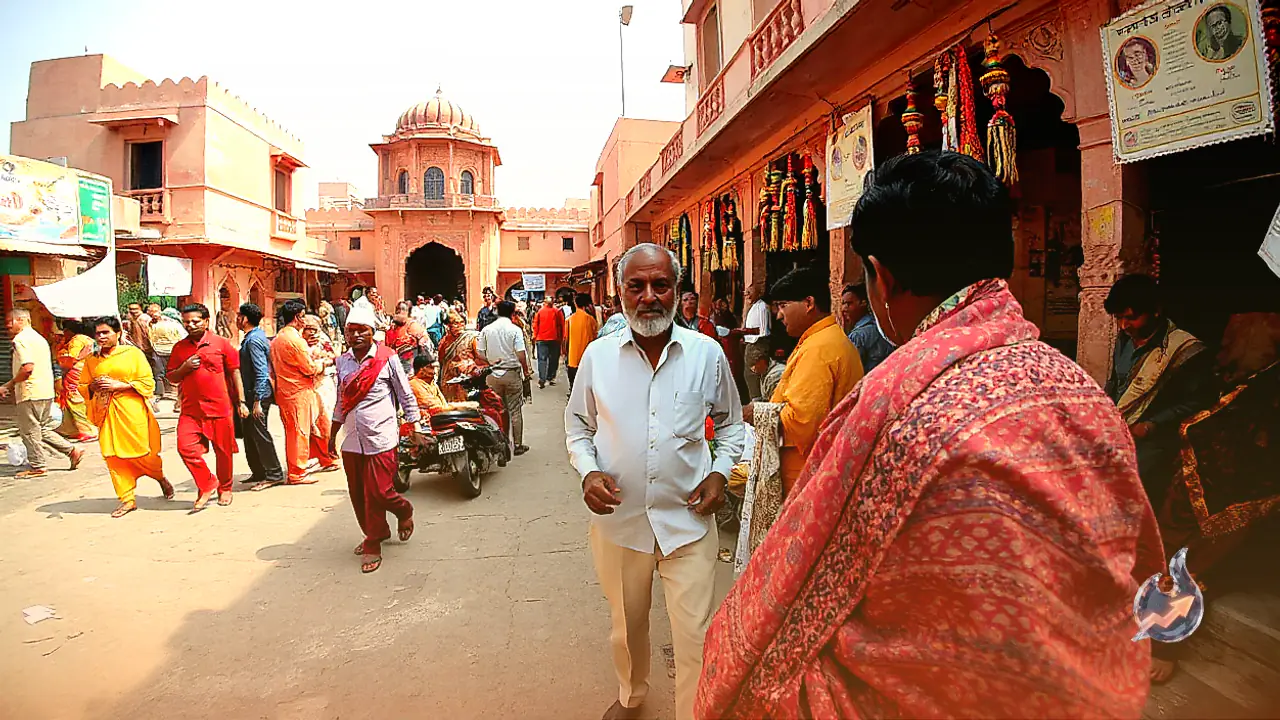














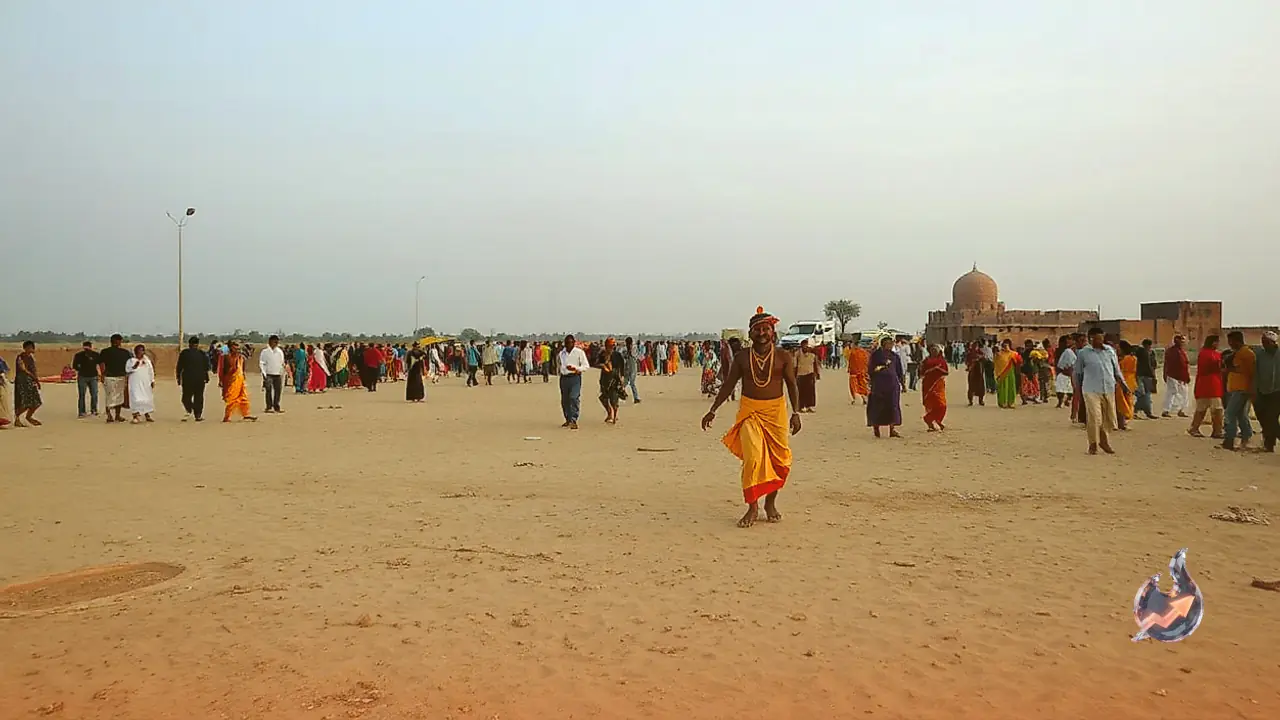

While most of India marks Diwali with rows of clay lamps, the tribal villages nestled in the forests of Telangana celebrate the festive season to the resonant beats of traditional drums. Located nearly 300 kilometres from Hyderabad, settlements such as Marlawai, Narnoor, and Jainoor across Adilabad turn into vibrant hubs for the ancient Dandari Gussadi festival. Members belonging to the Gond, Kolam, and Andh communities gather for this traditional observance that spans across 8 to 9 days. It is an extraordinary celebration that blends deep spiritual reverence, self discipline, and community bonding.
Role of the Village Chief and Selection of Dancers
The commencement date of this spiritual carnival is decided entirely by the chief of each village, known locally as the Patel. Following his declaration, the celebrations typically begin right before Diwali and continue for several days after the main festival. The village head is also responsible for selecting between two and eight young men from the settlement. Known as Gussadi in the Gondi language, these chosen youths assume the responsibility of performing as the lead dancers for the entirety of the community celebrations.
Embodying Lord Nataraja and Observing Austere Vows
The young men selected as Gussadi style their appearance after Lord Shiva in his divine Nataraja form. Each dancer carries a wooden staff designed to symbolize the holy trident or trishul of Shiva. Moving in large groups of 40 to 50 people from one settlement to the next, these troupes present elaborate performances that run through the night from 10 PM until 4 AM. During these days of ritual performance, the dancers must observe rigorous discipline. According to established custom, the Gussadi dancers are required to walk barefoot at all times and sleep directly on the bare ground.
Dance Classifications and Traditional Matchmaking
The cultural festival features three primary forms of performance. The first is the primary Gussadi dance itself, which encompasses five distinct stylistic variations. The second variety is known as the Polak dance, wherein male participants dress in traditional women attire and perform alongside the core Gussadi members. The third form is the Adyan dance, which is rendered primarily by village women. When a travelling troupe arrives at an adjacent hamlet, young local women turn out in large numbers to witness the performances. If an unmarried woman is impressed by a dancer or a young man develops an interest, the matter is conveyed to the family elders. The elders then initiate discussions to arrange a marriage. While not the festival primary objective, it serves as a natural occasion for matrimonial alliances.
Costume Evolution and Heritage Preservation Funding
The visual attire of the dancers has experienced notable shifts across generations. Historically, performers wore a trident shaped headdress, which has evolved into a round turban adorned with reflective mirrors and peacock feathers. In strict compliance with wildlife conservation statutes, goat skin has replaced deer hide, while some modern participants incorporate sunglasses and brightly coloured skirts. Historians trace the origins of this cultural expression back nearly 2,500 years, noting its presence in ancient Buddhist chronicles. To protect and sustain this tribal legacy, the government of Telangana sanctioned 1.5 crore rupees, distributing 15,000 rupees each to approximately 1,000 registered folk troupes.