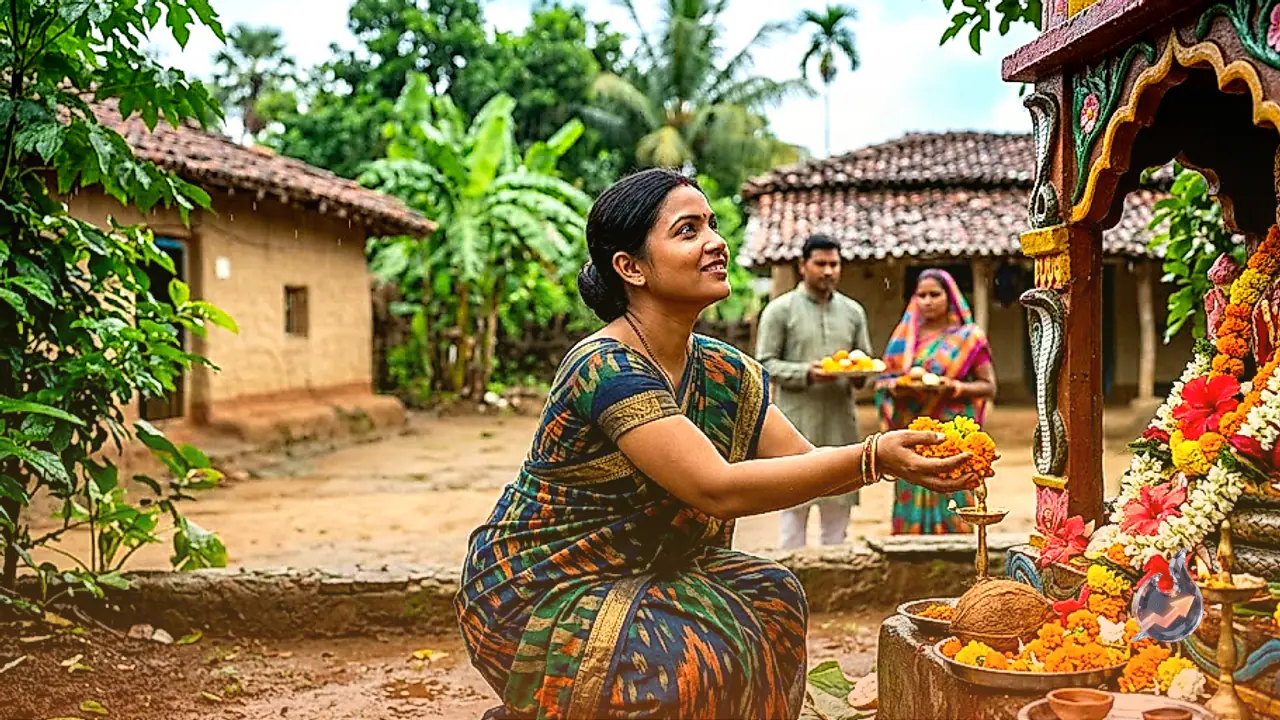























The cultural landscape of the Kumaon region in Uttarakhand comes alive during the traditional festival of Satu Aathun, also known as the Gaura Mahesh Utsav, which is widely celebrated for its rich and distinct heritage. Central to this observance is a special offering known as Burud, or Birud, which holds immense religious and cultural value for the local communities. Far from being just a routine ritual item, this preparation reflects the deep agricultural roots and communal harmony deeply ingrained in Kumaoni society. Crafting this sacred mixture involves specific ingredients and traditional methods that have been handed down through generations.
Ingredients and Traditional Preparation
Burud is primarily created by combining five or seven different varieties of grains and lentils, though the exact composition can vary slightly depending on regional practices and family customs. The standard mixture generally includes chickpeas, horse gram, wheat, black gram, peas, and maize, while some areas also incorporate other locally available pulses. These selected grains are carefully cleaned and soaked in water, traditionally using copper or brass vessels. Through this soaking process, the grains soften significantly and become ready for the upcoming religious rituals and offerings.
The Timeline From Panchami to Ashtami
Madhuri Devi from Bageshwar explains that the process of preparing Burud officially begins on Bhadrapada Shukla Panchami, commonly referred to as Birud Panchami. On this day, the chosen assortment of grains and pulses is cleaned and placed in water to soak according to prescribed customs. By the seventh day, known as Saptami, the soaked grains are washed thoroughly in preparation for the sacred rites. On Ashtami, the eighth day, the prepared Burud is offered during the worship of Gaura and Mahesh. Once the religious ceremonies conclude, the mixture is distributed as prasad among family members and neighbors, cementing its status as the most vital offering of the festival.
A Living Heritage of Agriculture and Community
The tradition of Burud serves as a vivid reflection of rural life and agrarian culture across Kumaon. Blending various grains together symbolizes diversity, unity, and collective living within the community. Historically, societies practiced offering the first yields of their harvest to deities before consuming it as a blessing. Even in modern times, many families in Kumaon continue to prepare Burud during Satu Aathun, ensuring that ancient customs are passed down to younger generations. Women play an active and leading role in this process, meticulously preparing the grains and performing the worship of Gaura and Mahesh, thereby preserving a heritage that binds together faith, agriculture, and family bonds.