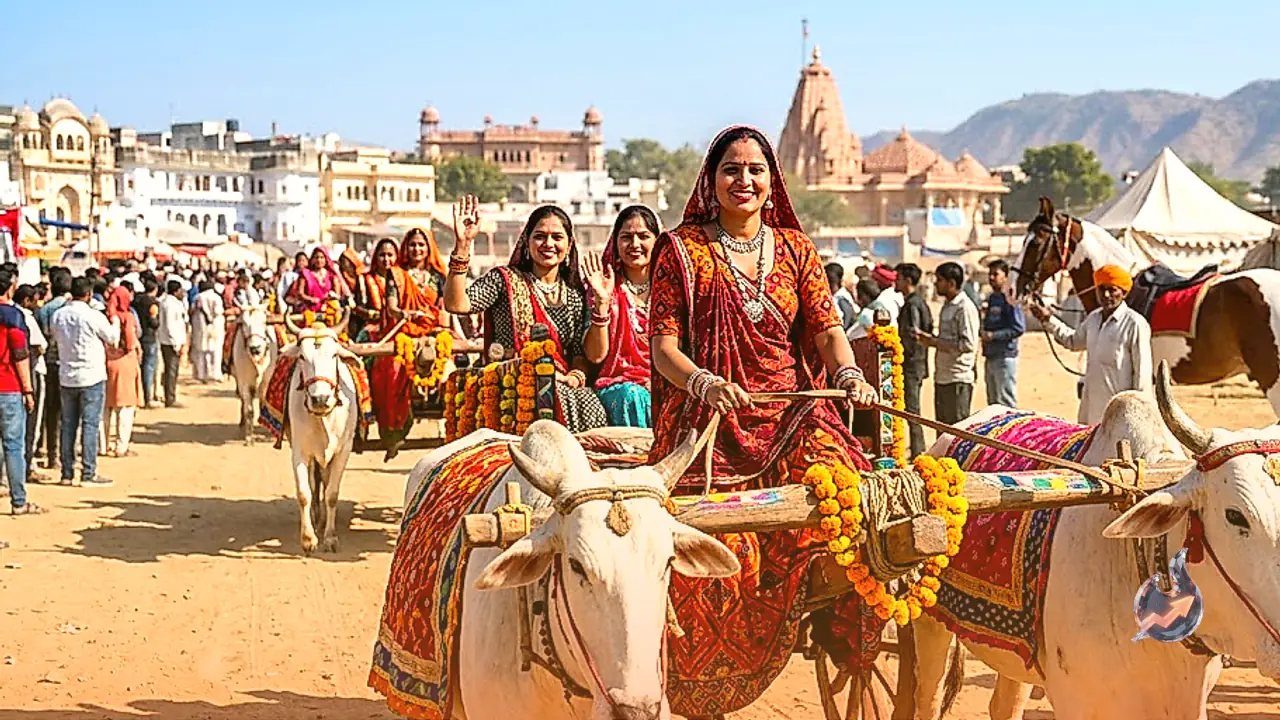


















The vibrant, tribal-dominated region of Bastar in Chhattisgarh is currently completely immersed in the grand and enthusiastic celebrations of the traditional Goncha festival. This historic cultural event is widely known not just for its standard religious fervour and bustling fairs, but primarily for the remarkably unique, centuries-old customs it continues to keep alive and relevant today. Among these varied cultural practices, the most widely celebrated, emotional, and deeply cherished is the tradition of forging a 'Meet' — a lifelong bond of chosen friendship. In a fast-paced world where human relationships often feel temporary and fleeting, this profound custom allows two individuals with absolutely no blood ties or pre-existing family obligations to formalize an eternal brotherhood. Standing with immense devotion before the revered deities Lord Baldev and Goddess Subhadra as their direct witnesses, these individuals take a solemn, voluntary vow to stand by one another through every conceivable joy and sorrow for the absolute rest of their lives.
A Sacred Ritual of Seven Exchanges
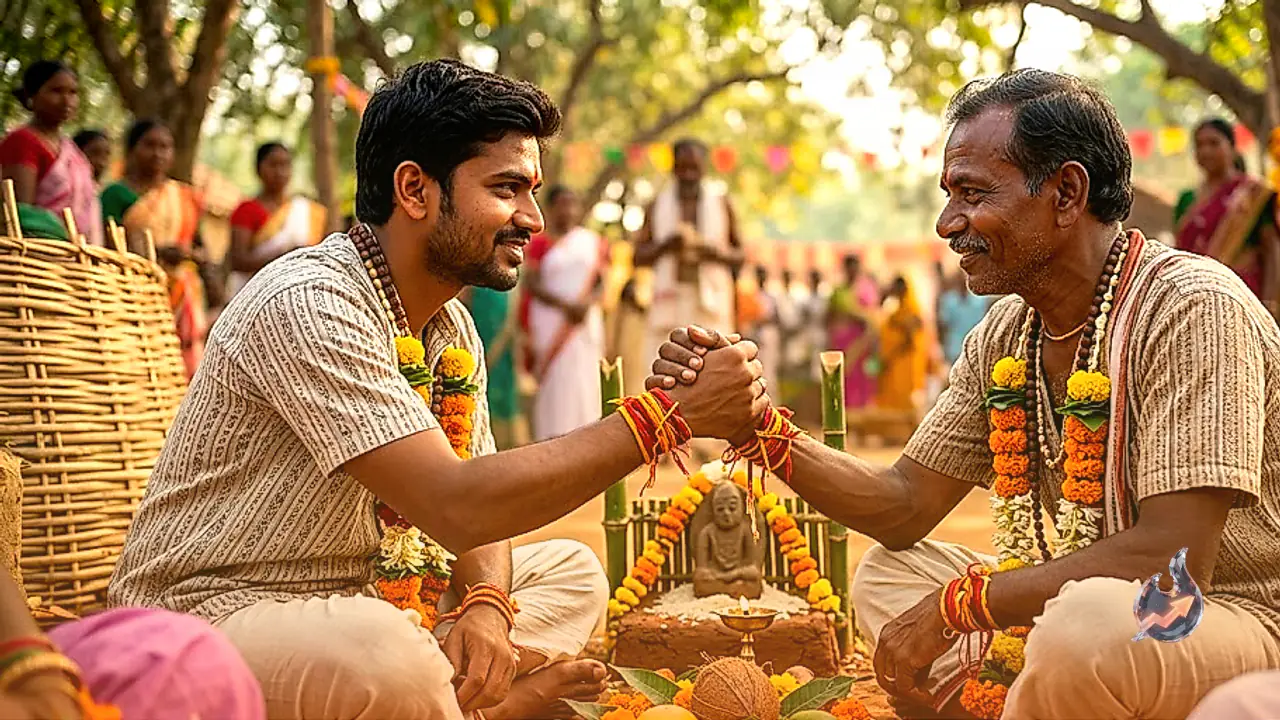
The step-by-step process of officially becoming a 'Meet' is deeply spiritual and carries heavy emotional and symbolic weight for the community. When two individuals make the firm decision to cement their friendship in this permanent manner, they must actively participate in a specific traditional ceremony. A beautifully decorated sacred plate is prepared, carrying holy Ganges water (Gangajal), specially blessed offerings (Mahaprasad), and a whole, unbroken coconut. In a gesture representing enduring commitment and balance, the two friends exchange this heavy plate exactly seven times with full traditional observance. Much like the seven vows taken during a traditional Hindu wedding, following this meaningful seven-step exchange, they warmly and happily embrace each other to signify their newly solidified and unbreakable bond. After the hug, which serves as a clear symbol of love, immense respect, and universal brotherhood, it is highly customary for them to present brand-new clothes to one another as a mark of deep honour. The rigorous ritual finally concludes with both friends visiting the temple to seek the divine blessings of the Lord, and from that very historic day forward, they are officially recognized by the entire community as 'Meet'. Interestingly, the local tradition of 'Gajmukh' also closely follows a very similar set of procedural rules and strict customs during this auspicious festive period.
Giving Your Heart and Showing Mutual Respect
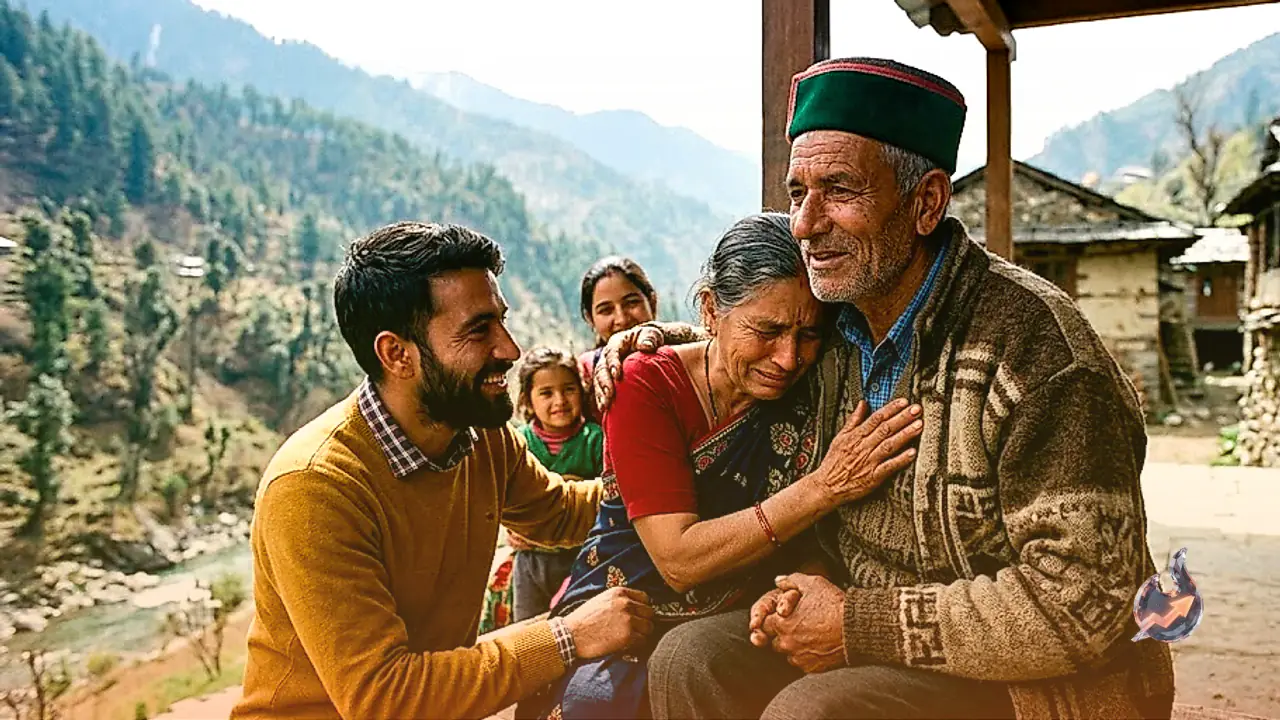
During the ongoing and joyous Goncha festival festivities, Bastar locals Kedarnath Pandey and Vijay Pandey actively and reverently participated in this beautiful ceremony. Following all the required traditional steps with utmost dedication, the two men officially chose each other as their 'Meet', vowing to maintain an unbreakable friendship and actively support each other through all of life's unpredictable ups and downs. Explaining the profound emotional depth and serious weight behind the practice, Kedarnath Pandey shared that one forms a 'Meet' bond only with a specific individual whose heart and thoughts completely align with theirs. It must be a trusted, long-time acquaintance with whom they already share an excellent and harmonious rapport. Boiling it down to its most basic essence, he stated, "The meaning of 'Meet' is giving your heart to someone else," highlighting the sheer vulnerability and massive trust involved.
According to Kedarnath, entering this sacred, binding relationship comes with strict, unspoken rules of mutual respect. A person must never exhibit distant behaviour, create unnecessary boundaries, or speak harsh, hurtful words to their chosen 'Meet'. It is a serious lifelong commitment where one must navigate existence closely tied to their friend, maintaining a constant state of complete harmony. The core promise is to offer unwavering emotional and physical support during both ecstatically happy moments and tragic times, treating the friend exactly like a biological member of one's own family and acting as a protective shield. The solemn oath to never, under any circumstances, break this profound friendship is precisely what makes it so incredibly special and highly respected within the society.
Mirroring the Eternal Trust of Krishna and Sudama
The deep roots of this Bastar-specific 'Meet' practice stretch incredibly far back into Indian antiquity, deeply intertwined with the nation's rich mythological ideals and historical fabric. Vijay Pandey expertly shed light on the historical and cultural significance of the ritual, clearly noting that the tradition of tying the 'Meet' knot is not a recent phenomenon, but has been actively practiced continuously since ancient times. He drew a powerful, direct parallel between this local custom and the legendary, unconditionally pure friendship shared between Lord Krishna and his childhood companion Sudama. Just as Krishna and Sudama maintained their bond with absolute honesty, without any trace of personal selfishness, greed, or societal hierarchy, through the 'Meet' tradition, the modern people of Bastar actively attempt to emulate and live out that very same pure, ideal lifelong devotion. Often, these serious vows of eternal friendship are purposefully initiated around major regional festivals, making the Goncha festival an absolutely perfect backdrop. Ultimately, even in today's modern era, this enduring custom stands as a powerful, living symbol of mutual affection, unwavering universal trust, and the remarkable, binding strength of interpersonal relationships in the region.