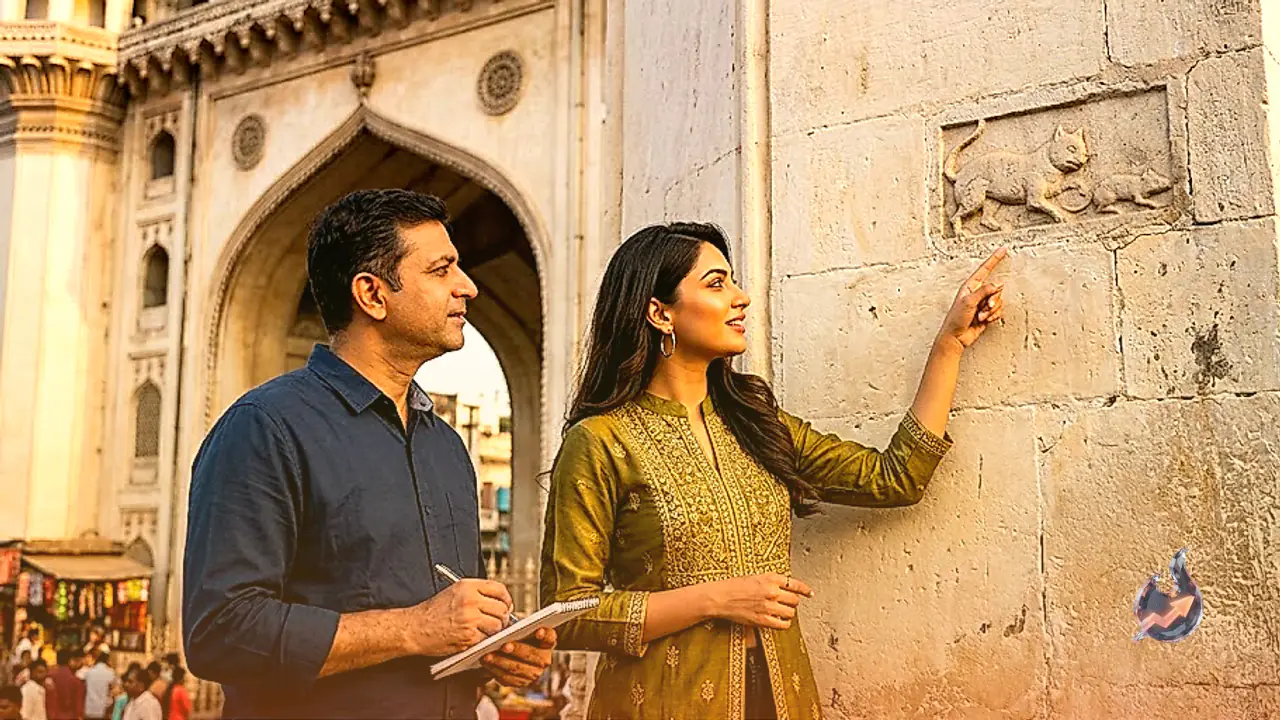





















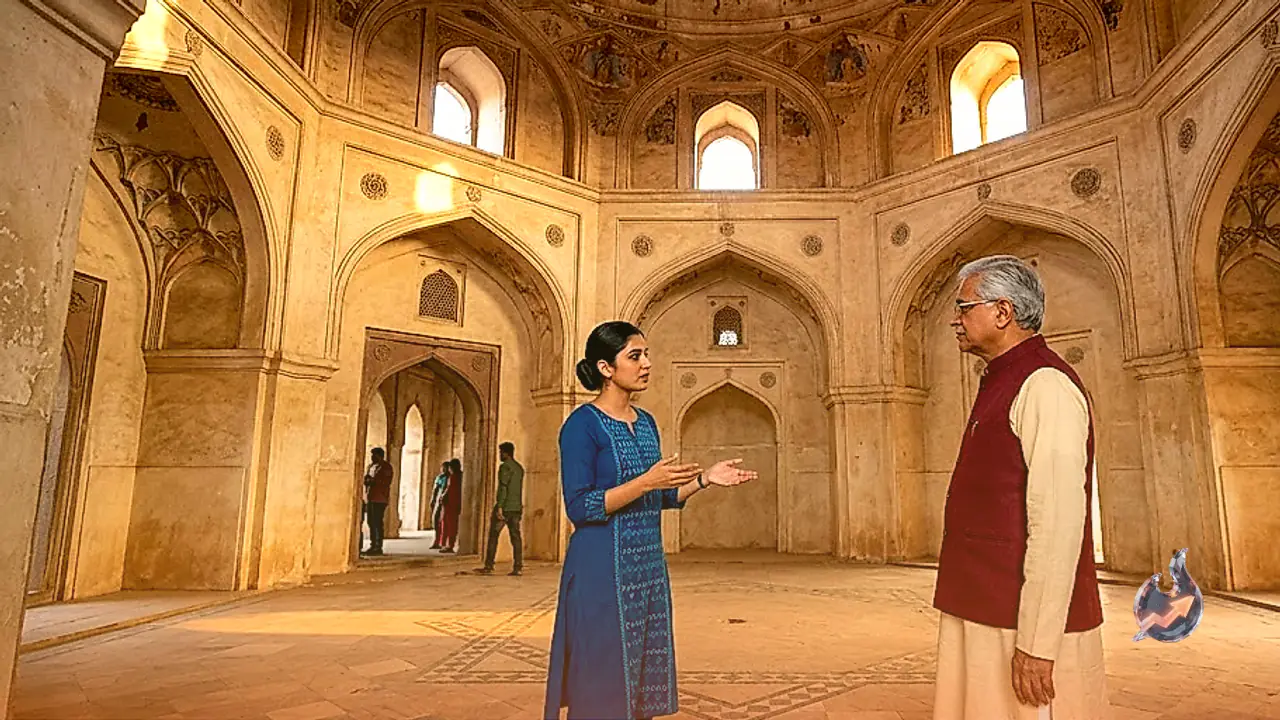

Hyderabad is widely celebrated for its grand architectural legacy rooted in the Nizam and Qutb Shahi dynasties, yet several of its historic monuments carry lesser-known narratives. Tucked away in the busy urban pocket of Khairatabad sits an extraordinary 17th-century monument that has baffled observers for roughly 400 years. Despite being designed as a stately resting place, the tomb remains completely vacant, having never sheltered an actual grave since its construction.
A Royal Tribute from Princess Khairunnisa Begum
Dating back to the 17th century, the structure was raised during the reign of Muhammad Qutb Shah, the sixth sultan of Golconda. Historical records indicate that the sultan's daughter, Princess Khairunnisa Begum, affectionately remembered as Ma Saheba, held immense reverence for her religious instructor, Akhund Mulla Abdul Malik. In deep honour of her teacher's spiritual guidance, she oversaw the construction of the renowned Khairatabad mosque. Within the same grounds, she commissioned this mausoleum so that her respected tutor could be laid to rest there with full dignity when his time came.
A Pilgrimage That Left the Mausoleum Vacant
Although the architectural work reached completion, fate altered the course of events. Local accounts note that Akhund Mulla Abdul Malik embarked on the holy Haj pilgrimage toward Mecca. During this spiritual journey, he passed away en route. In accordance with Islamic practices, his final rites and burial were carried out on that sacred land itself. Because his mortal remains were never brought back to Hyderabad, the carefully prepared resting place remained unoccupied, standing through the centuries without an occupant.
Qutb Shahi Architecture Amid Urban Neglect
Spanning four centuries of heritage, the tomb displays the hallmark craftsmanship of the Qutb Shahi builders. Its massive masonry dome, arched structural walls, and intricate stucco plaster carvings testify to the sophisticated aesthetics of that era. Today, however, modern high-density housing and commercial concrete buildings press tightly against the heritage site. Fissures across the dome and unchecked wild vegetation growing from the facade highlight severe neglect, threatening to erase a unique chapter of Deccan history if preservation measures remain delayed.