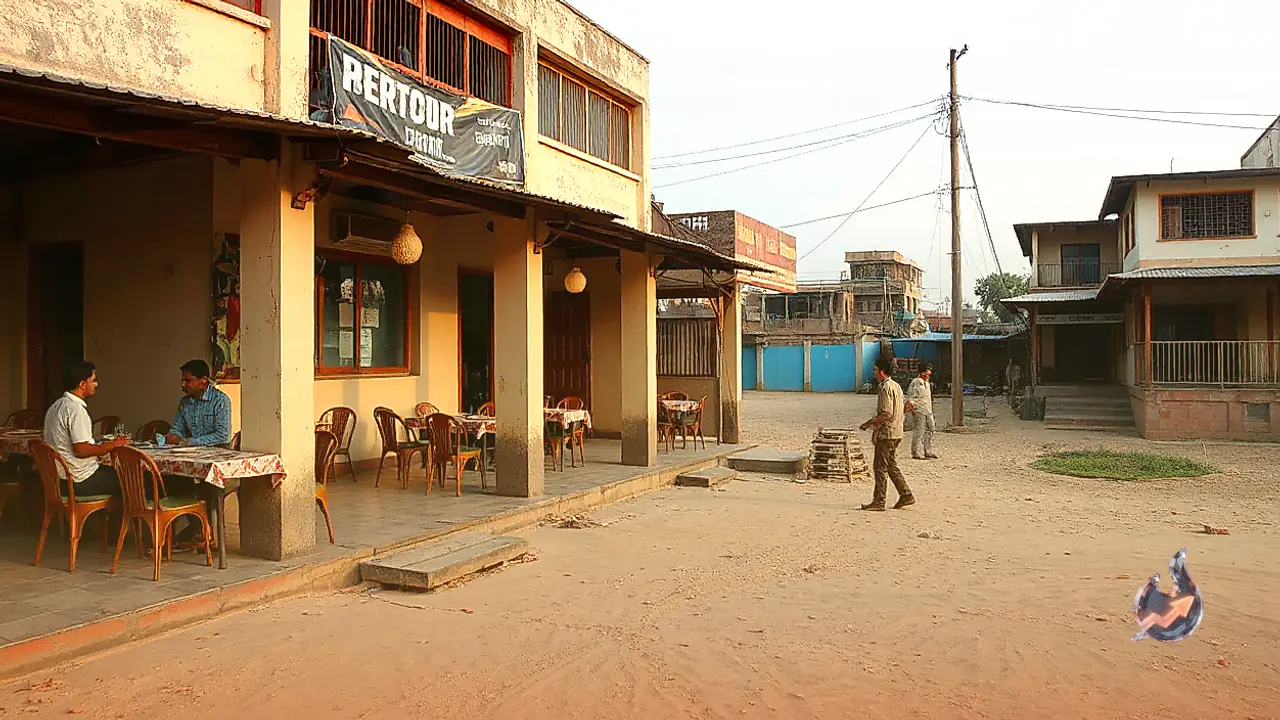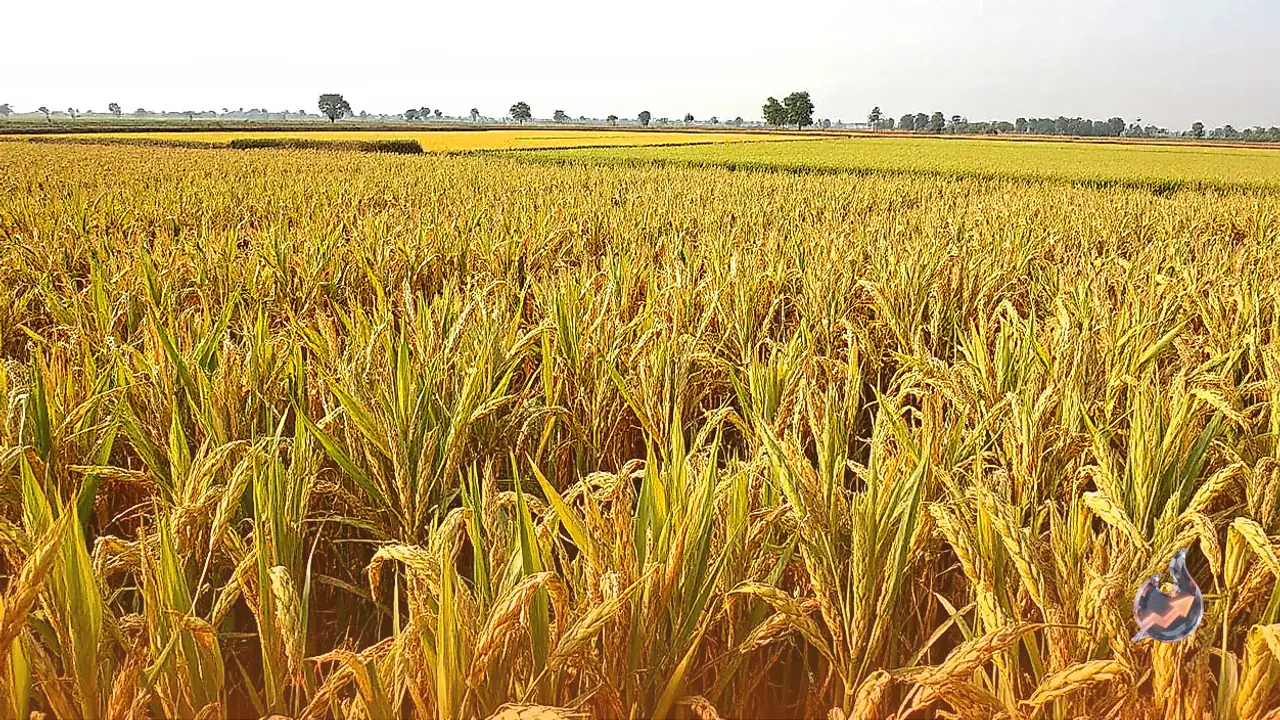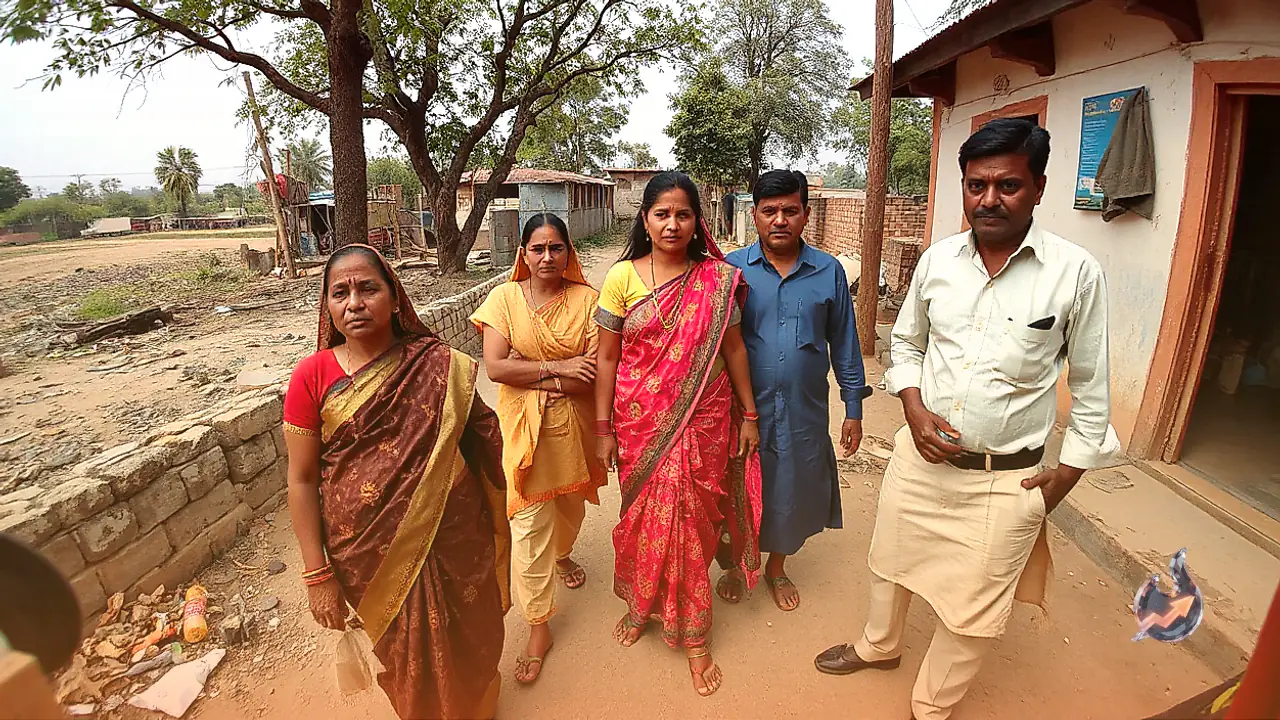




















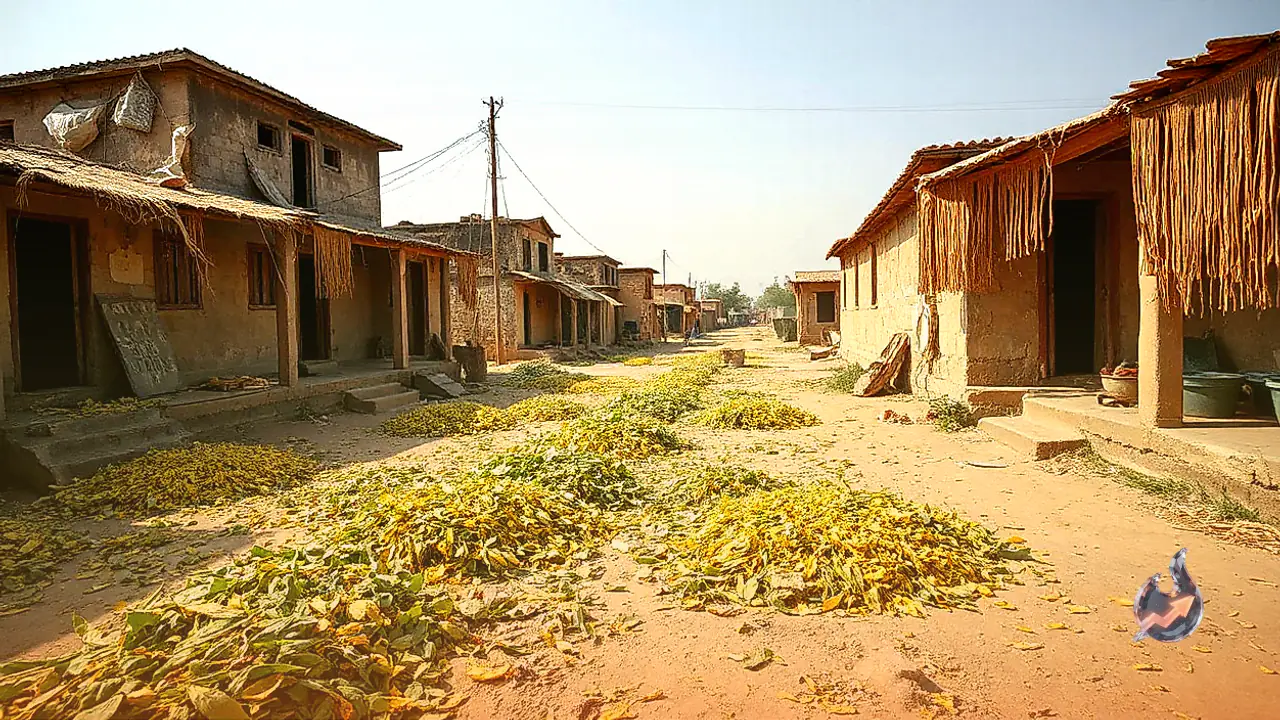

While modern culinary trends and packaged foods dominate urban dining tables, rural households in the Surguja district of Chhattisgarh continue to cherish and preserve the authentic cooking methods passed down by their ancestors. In the tribal dominated settlement of Kesra, residents maintain deep ties with indigenous gastronomy. Rather than immediately boiling or frying fresh mustard greens, villagers practice an ancient technique where the harvested crop and its flowers are dried under the open sky to prepare a specialized dish known locally as Sukti. Kanch Kumar, a local resident, cultivates mustard on his ancestral soil solely to keep this heritage alive for his household.
Mustard Greens and Blossoms Dried Under Sunlight on Terraces
The method used in Kesra village to process the mustard crop is steeped in regional tradition. After raising mustard plants on his field, Kanch Kumar harvests the green leaves along with the tender yellow flowers. These harvested portions are arranged inside a traditional woven bamboo tray, known locally as a supa, and placed on the rooftop terrace directly under the sun. Under bright sunshine, the produce dries thoroughly within one to two days. Once the moisture evaporates completely, the crisp leaves and flowers are ground into a fine powder. This preserved powder is stored safely, serving as the essential foundation for preparing traditional mustard Sukti whenever required.
Prepared with Potatoes, Tomatoes, and Traditional Spices
Transforming this dried powder into a complete meal involves a straightforward domestic cooking process. When the household plans a meal, the ground mustard greens are paired with staple ingredients. Kanch Kumar explains that hot cooking oil is tempered in the kitchen pan before adding potatoes, diced ripe tomatoes, and standard regional spices to simmer alongside the dried preparation. The resulting curry possesses a unique depth of flavor that distinctively sets it apart from ordinary fresh green vegetable dishes. The entire family gathers daily to relish this authentic meal as an essential staple of their home cooking.
Farming Five to Ten Dismil of Land Exclusively for Family Needs
A notable aspect of this agricultural tradition is its complete detachment from commercial trade. Kanch Kumar cultivates mustard on a modest parcel of land measuring roughly five to ten dismil. The primary objective is not to supply the open market or generate financial earnings, but rather to secure a self sufficient supply of unadulterated greens for his family. Even the blossoms sprouting from the mustard stems are carefully harvested and utilized rather than discarded. By cultivating their own small plot, the household produces everything required to recreate this heritage delicacy right at home.
Inherited from Ancestors Without Books or Digital Media
In an age where recipes are predominantly learned through published cookbooks or internet video tutorials, Surguja's Sukti remains free of outside influence. Kanch Kumar notes that this culinary technique was passed down directly through family lineage. His grandmother and earlier generations dried mustard greens and prepared the daily meal in the exact same manner. Passing from one generation to the next, this distinct regional taste has stayed preserved within the home, remaining an integral component of their everyday food routine without alterations.
Winter Season Enhances the Appeal of Dried Greens
According to village residents, the consumption of mustard Sukti reaches its peak during the cold winter months. Mustard crops naturally flourish during this period, and the labor of preparing the sun dried powder provides an earthy, satisfying staple when temperatures drop. Because bright sunshine dries the crop in just one or two days, the family can quickly build a steady supply of preserved powder to cook at will throughout the cold weather cycle, making it an enduring seasonal tradition.
Preserving Regional Cultural Identity Amid Changing Times
Commercial vegetable markets today are packed with diverse out of season produce and imported food options. Yet, rural households in Surguja refuse to abandon the nutritional practices shaped by their forebears. The ongoing preparation of mustard Sukti represents far more than an ordinary vegetable curry; it serves as a testament to rural wisdom, sustainable food preservation, and treasured familial memories. Through these everyday kitchen practices, the rich cultural heritage and tribal culinary legacy of Surguja remain vibrant and enduring.