


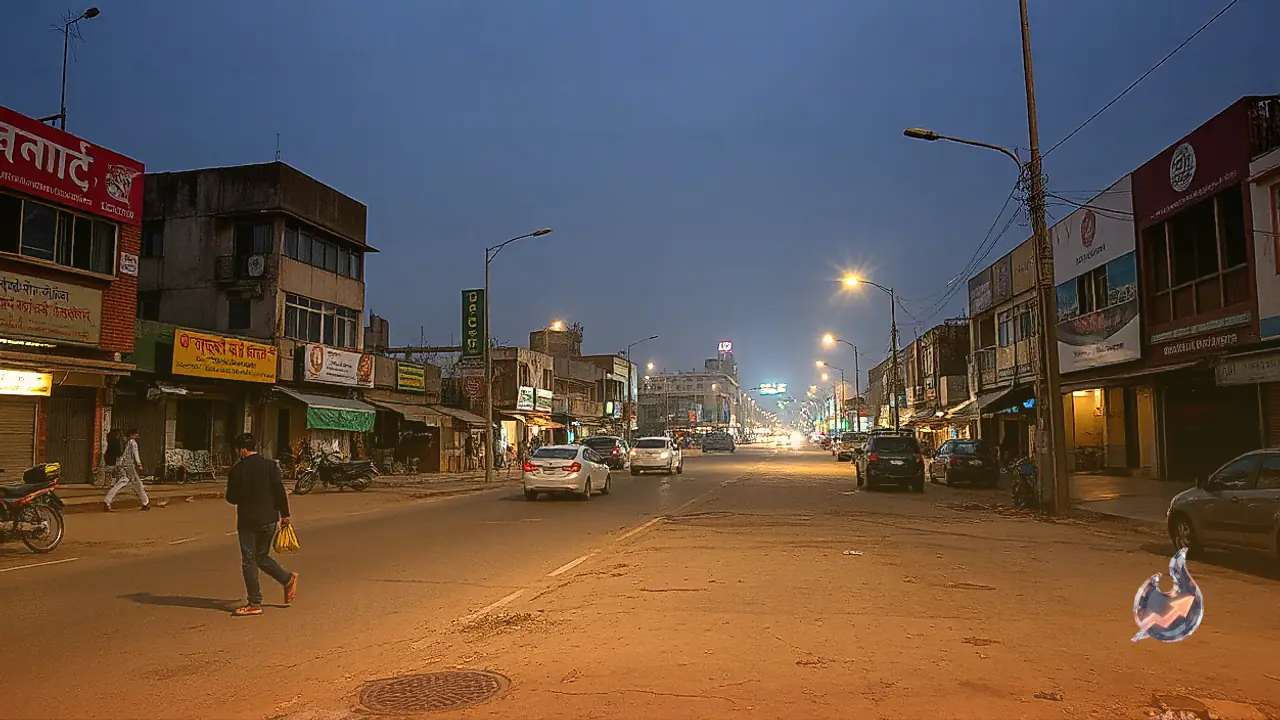















In Champawat district of Uttarakhand, the small town of Lohaghat has spent decades earning a reputation for one thing: iron kadhai that simply lasts. Thicker, sturdier and tougher than mass-produced pans found in most markets, these hand-forged pans have a devoted following that stretches back generations. Local trader Rajesh Kumar says that in earlier years, people from far-flung villages would travel specifically to Lohaghat just to buy one of these kadhai. Even today, when someone sets out to buy a traditional iron kadhai, the first question they ask is whether it was made in Lohaghat. That trust, built over decades, is treated as proof of both the quality of the metal and the effort the local craftsmen put into every piece.
From furnace to hammer: how each kadhai takes shape
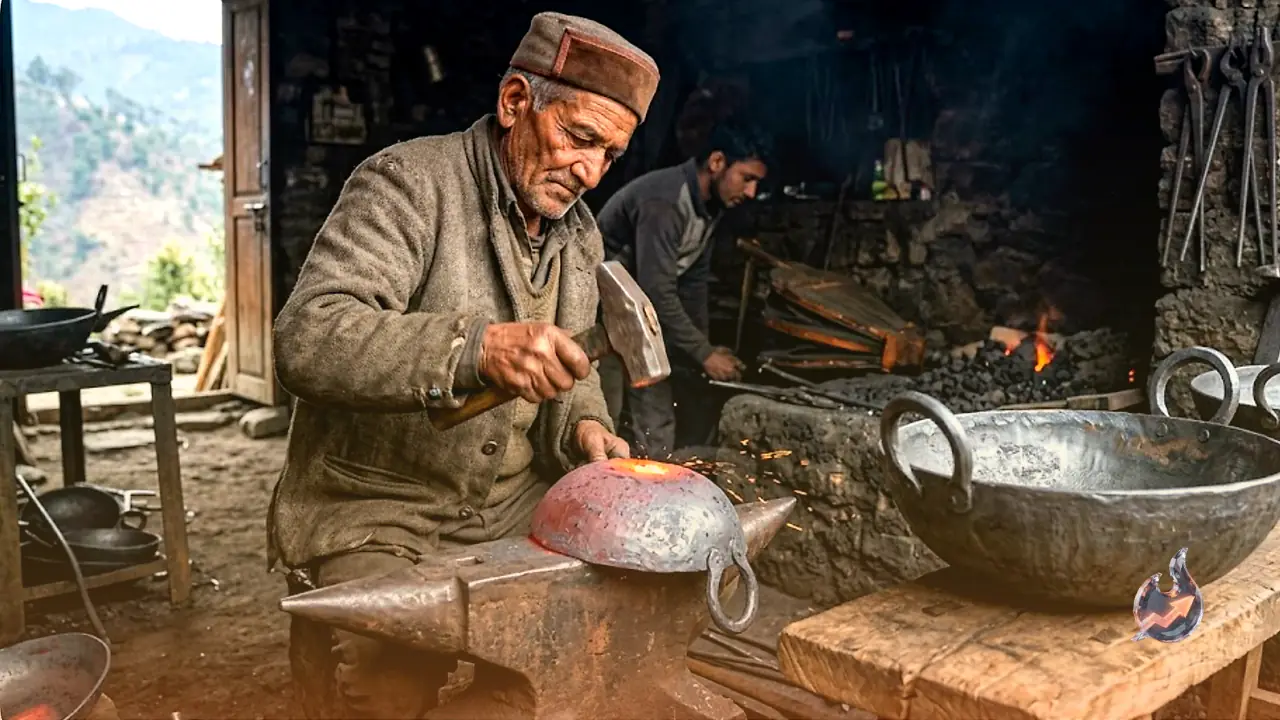
A number of artisans in Lohaghat still rely entirely on old school methods to make these pans. A thick sheet of iron is first heated in a furnace, then hammered repeatedly until it takes the rounded shape of a kadhai. The edges are then reinforced for strength before the pan gets its finishing touches and is made ready for use. Even in an age dominated by machine-made cookware, hand-forged kadhai remain in demand because buyers can see the fine craftsmanship and durability built into every piece. Making just one good quality kadhai can take several hours of continuous labour.
A fair season favourite
Stalls selling Lohaghat's iron kadhai are a major draw at Uttarakhand's Nanda Devi fair, the Uttarayani fair and several other local melas. Rural families like to pick one up for their kitchens, and many end up using the same kadhai for years because it simply does not wear out easily. Tourists who visit these fairs often buy one too, carrying it home as a symbol of Uttarakhand's traditional identity. Sales are strong at these fairs every year, giving local craftsmen a reliable market for their work.
Does cooking in iron actually help?
Cooking food in iron cookware can add a small amount of iron to the meal, which may be useful for people dealing with iron deficiency. That said, it is not a treatment for any medical condition, and anyone who needs it should still consult a doctor. There is also a long standing belief that food cooked in an iron kadhai simply tastes different. That belief keeps many households cooking vegetables, saag, bhatt ki churkani and other traditional dishes in these pans even now.
New flat bottomed pans for gas and induction kitchens
Most iron kadhai were originally designed only for wood fired and mud stoves. As kitchens have changed, artisans have started making flat bottomed versions that work on gas stoves and induction cooktops as well. That shift has made it far easier for city dwellers to use a traditional iron kadhai in a modern kitchen. By adapting old craftsmanship to new cooking technology, artisans are opening up fresh markets for themselves and drawing more interest from younger buyers.
Orders now coming in from Delhi to Lucknow
Thanks to online buying and Uttarakhand families settled outside the state, Lohaghat's iron kadhai is now travelling well beyond state borders. Buyers in Delhi, Dehradun, Haldwani, Lucknow and several other cities are placing orders for it. Some see it as an essential part of their traditional kitchen, while others buy it purely for its health and durability benefits. The rising demand is creating fresh employment opportunities for local artisans and giving this old industry renewed recognition.
Rising costs and cheap imitations remain a challenge
Traditional artisans are up against real challenges: rising inflation, increasing raw material costs, and competition from cheap machine-made utensils. Even so, several families have kept this craft alive across generations. Support from the government, the handicrafts department and marketing bodies could help take this craft to a wider, national audience. Access to training and modern marketing facilities could also draw more young people into the business.
More than a pan, a piece of Uttarakhand's craft heritage
Lohaghat's iron kadhai has become more than just a kitchen utensil, it now stands as a symbol of Uttarakhand's traditional craft heritage, representing the hard work, skill and years of experience of its local artisans. Protecting this craft with a Geographical Indication or GI tag, alongside stronger branding and a presence on e-commerce platforms, could open up national and international markets for it. If the next generation keeps this craft alive, Lohaghat's iron kadhai looks set to remain a strong marker of Uttarakhand's cultural identity for years to come.