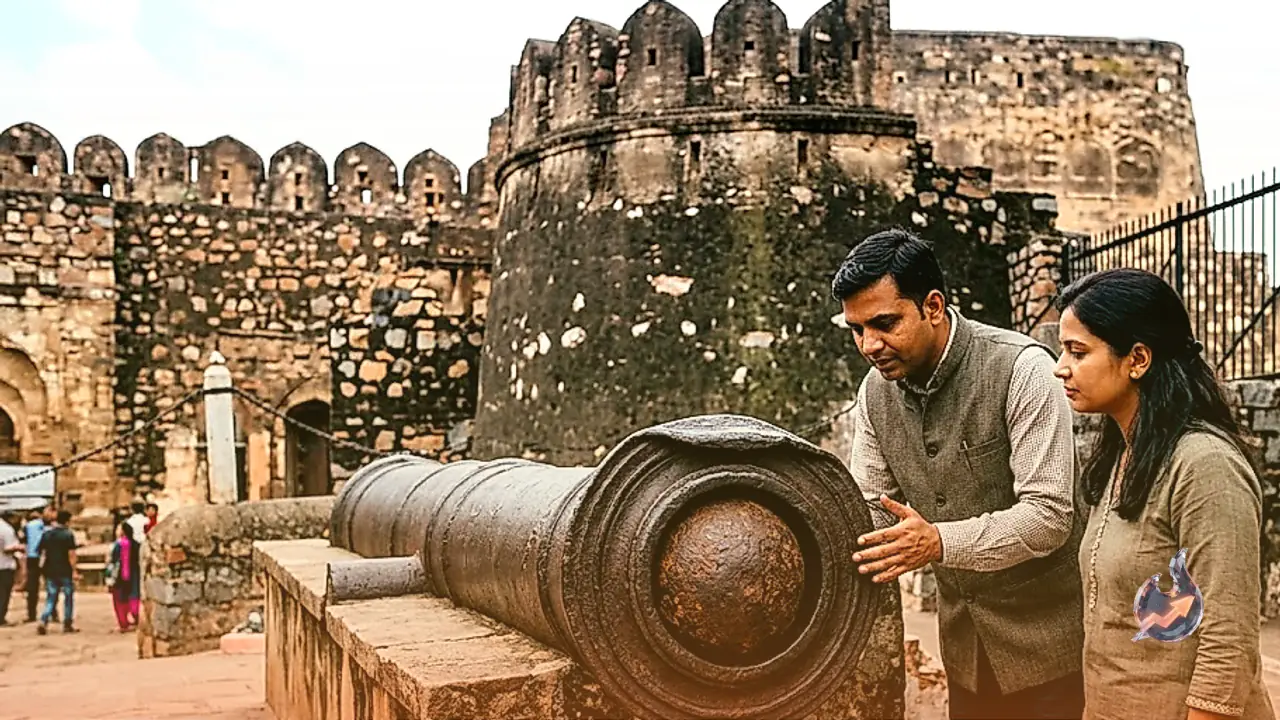






















Situated nearly 45 kilometers away from Meerut city in western Uttar Pradesh, the ancient land of Hastinapur holds countless intriguing mysteries dating back to the Mahabharata era. Located near the revered Pandeshwar Temple, the site known as Pandav Tila serves as one of the most vital epicenters of this historical heritage. According to regional traditions and historical documentation, magnificent palaces of the Kuru dynasty once stood proudly atop this elevated mound during the Mahabharata epoch. However, a catastrophic flood that struck the region in ancient times completely submerged and swallowed these palatial structures beneath dense layers of sediment and soil, turning the mound into a storehouse of ancient secrets.
Archaeological Surveys and Discoveries at Pandav Tila
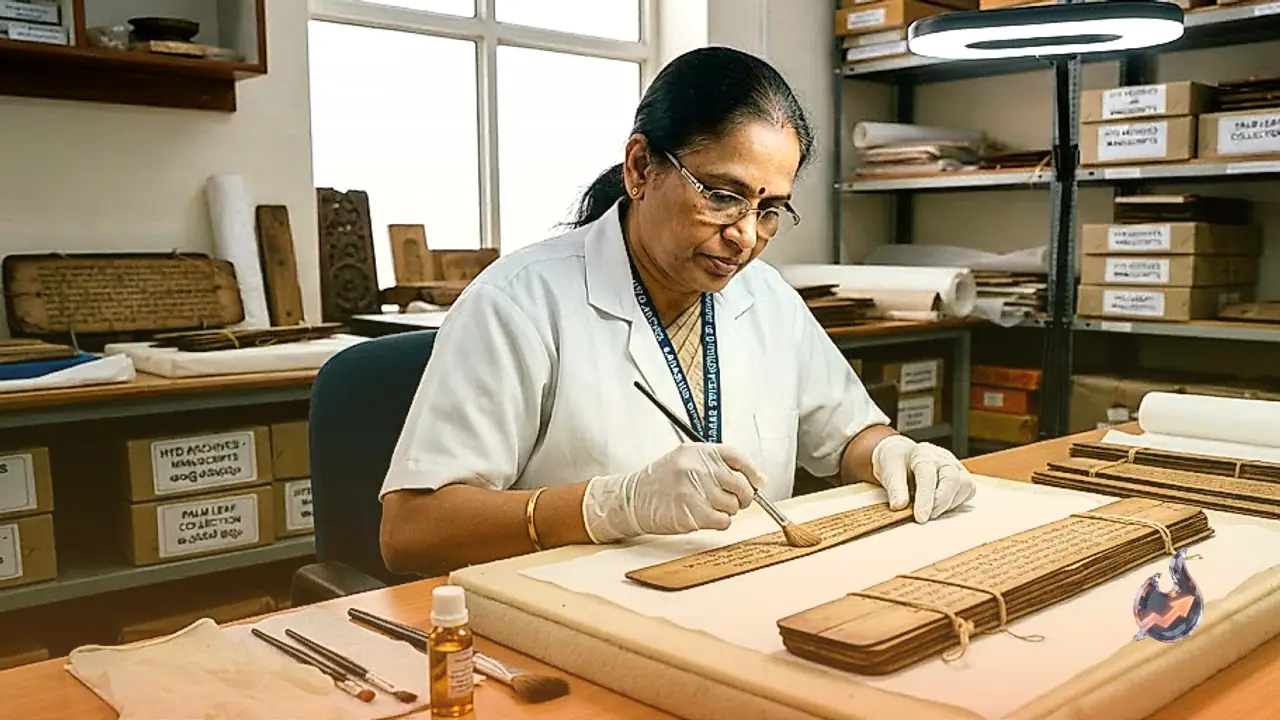
According to Assistant Professor Priyank Bharti, who has been conducting research on various historical aspects of the Mahabharata era for several years, this mound represents the most significant nucleus of Hastinapur's ancient legacy. To unearth its historical timeline, the Archaeological Survey of India regularly conducts meticulous surveys and systematic excavations at the location. During these excavations, archaeologists have recovered a variety of fascinating earthenware vessels and pottery fragments. These ceramic artifacts offer crucial insights into the historical dimensions of the Mahabharata period as well as detailed records of other ancient civilizations that flourished in the region across different epochs, cementing the site's connection to the Pandavas and the Kuru lineage.
The Landmark 1950 to 1952 Excavation by B. B. Lal
A major milestone in understanding the archaeological significance of Pandav Tila occurred between 1950 and 1952. Under the leadership of renowned archaeologist B. B. Lal, comprehensive surveys and scientific excavations were carried out across the mound. The excavation layers revealed evidence of multiple distinct cultural horizons, notably yielding significant relics of the Painted Grey Ware culture. These painted pottery sherds provided invaluable evidence showcasing the cultural grandeur and historical antiquity of Hastinapur, demonstrating that the region was a bustling hub of human settlement for thousands of years.
Devastating Flood During King Nichakshu's Reign and Capital Relocation
Stratigraphic analysis of the excavated layers at Pandav Tila has uncovered clear evidence of a devastating natural calamity at the conclusion of one of its cultural periods. Archaeological records indicate that a severe flood engulfed Hastinapur during the reign of King Nichakshu of the Kuru dynasty. The sheer force of the flood submerged all royal palaces and infrastructure within the city, causing widespread destruction. Following this catastrophe, historical records document that King Nichakshu made the strategic decision to shift the Kuru capital from Hastinapur to Kaushambi to ensure the survival and security of his kingdom.
Thousands of Years Old Relics Unearthed from the Mound
Over the decades, various archaeological digs at Pandav Tila have brought to light thousands of years old artifacts spanning several ancient civilizations. Excavators have unearthed structural brick alignments, historical copper coins, and diverse pottery items. These discoveries highlight the sophisticated craftsmanship, architectural skills, and trade networks prevalent in ancient Hastinapur, proving that the city was a key administrative and commercial center during the Mahabharata era.
Historical and Religious Landmarks in and Around Hastinapur
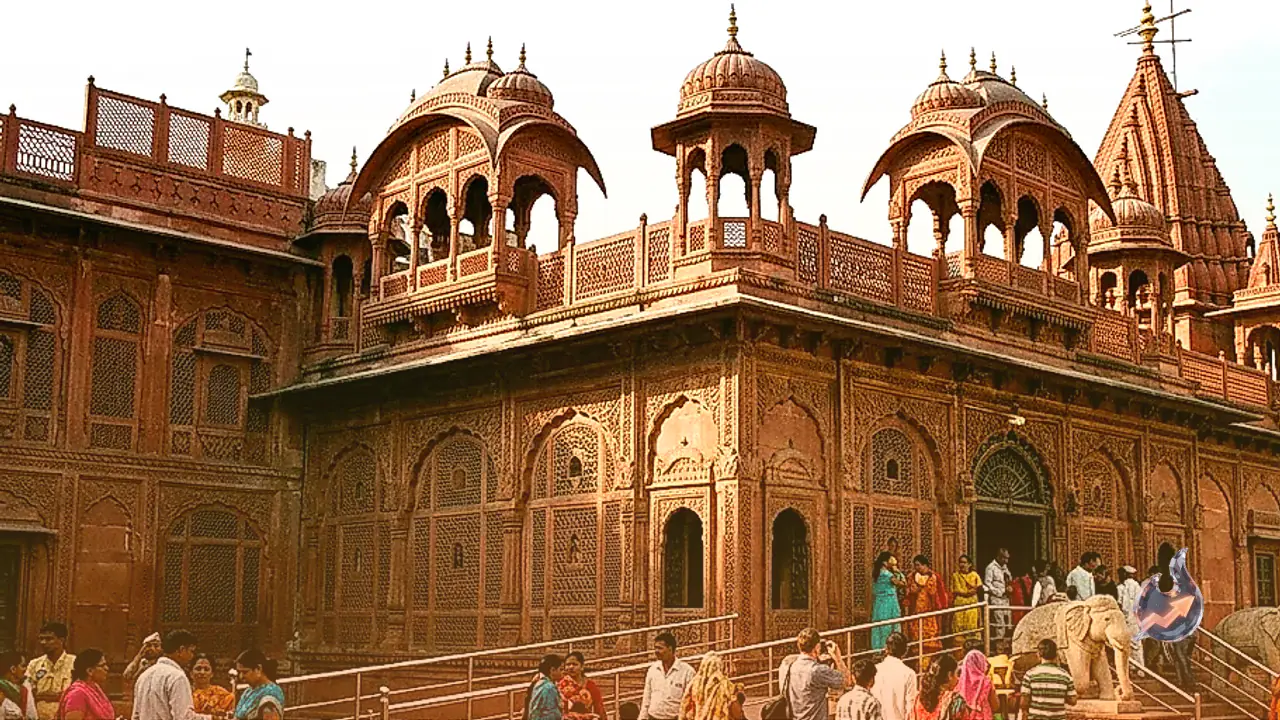
Visitors traveling to Hastinapur today can explore a rich landscape of historical and religious monuments alongside Pandav Tila. The site houses ancient shrines such as the Pandeshwar Temple, Maharaj Karn Temple, Draupadeshwar Temple, and Draupadi Temple. Additionally, the region features references to the historic Budhi Ganga river, which played a pivotal role during the Mahabharata period. Nearby lies Kila Parikshitgarh, where King Parikshit once ruled, a town steeped in historical lore associated with the onset of the Kali Yuga.
Tourism Department Initiatives to Promote Mahabharata Heritage
To ensure that visitors from all across the country can appreciate the historical and archaeological facts of the Mahabharata era, the Tourism Department has initiated several promotional measures. Detailed informational exhibits and tourism facilities are being developed to highlight the historical aspects of Hastinapur and Kila Parikshitgarh, allowing travelers and researchers to explore the rich cultural legacy of these ancient sites.