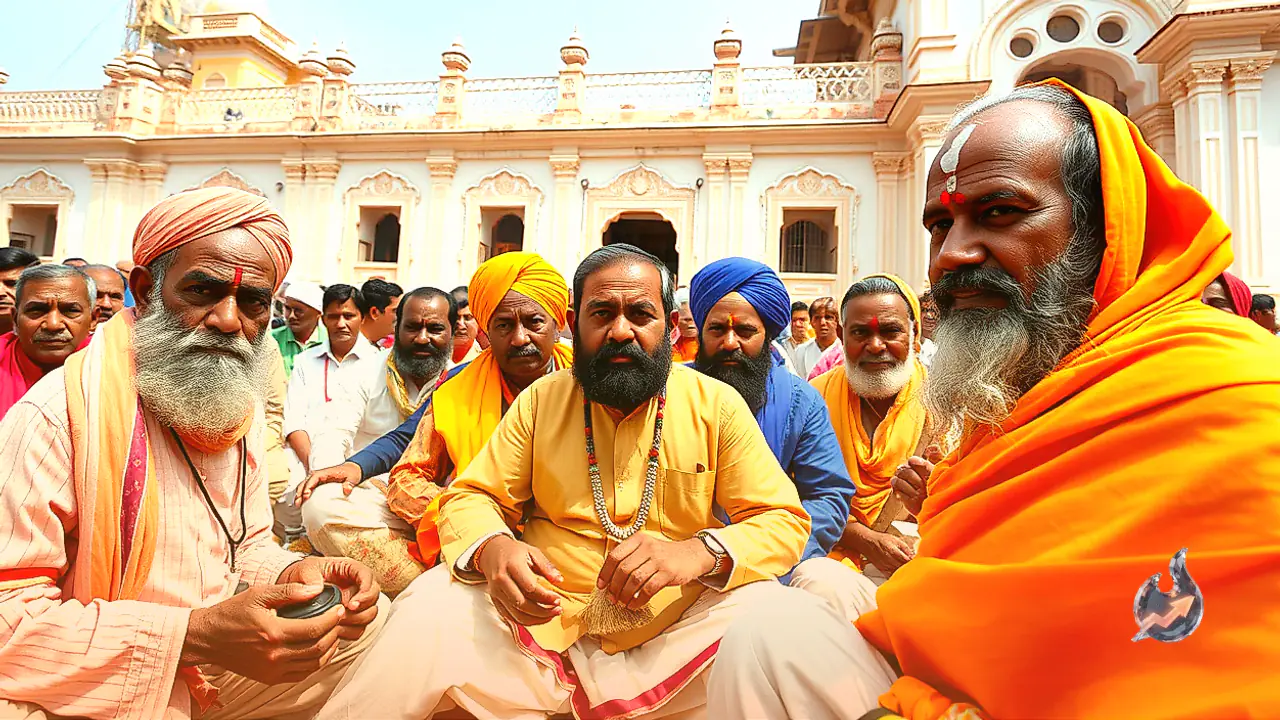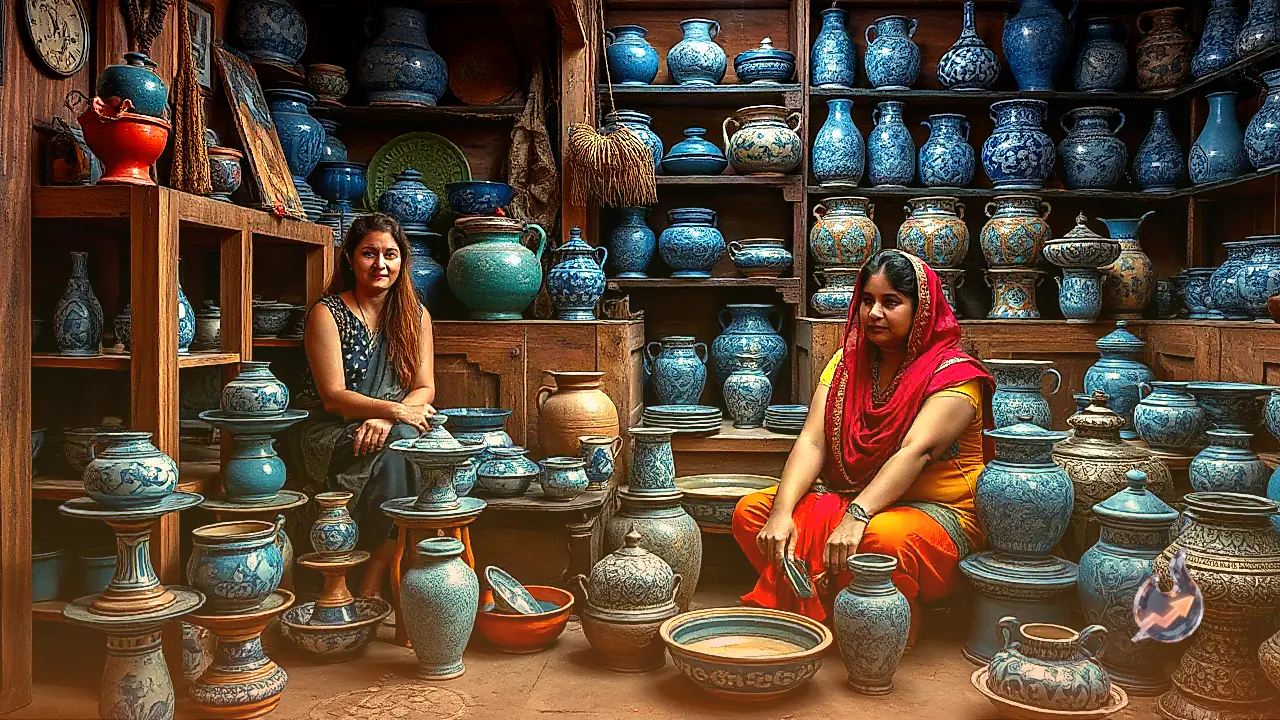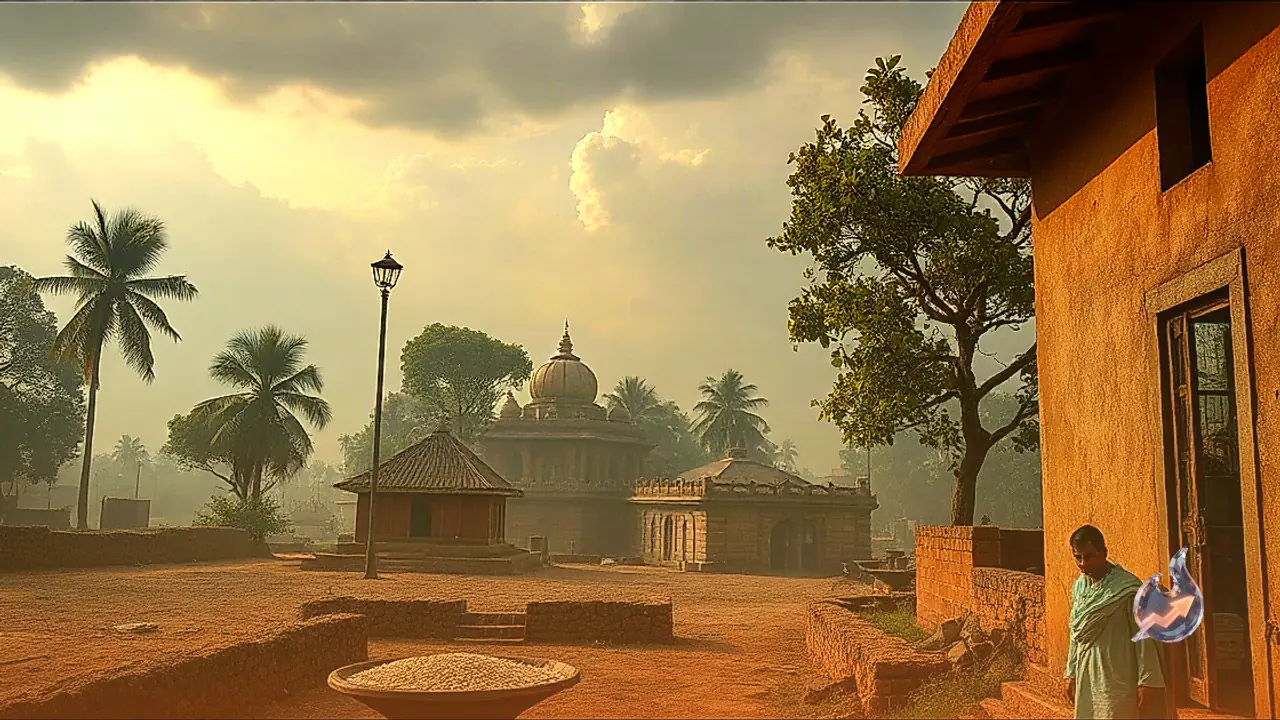
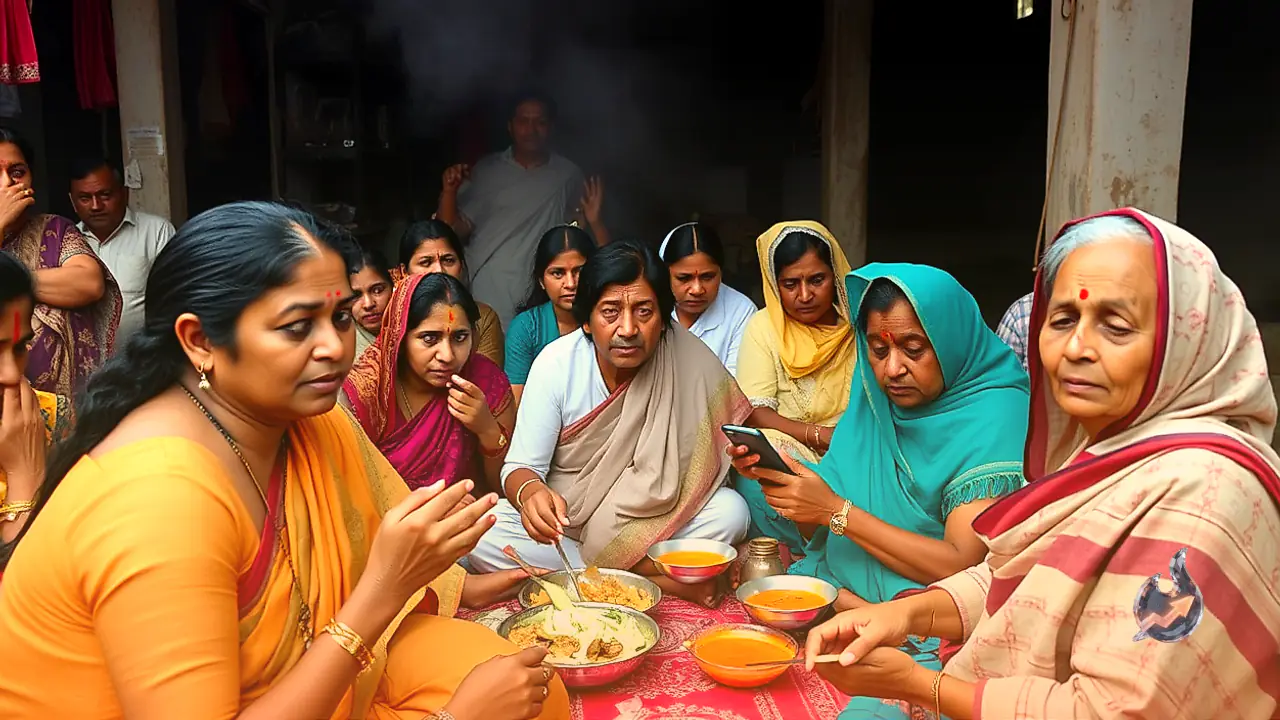


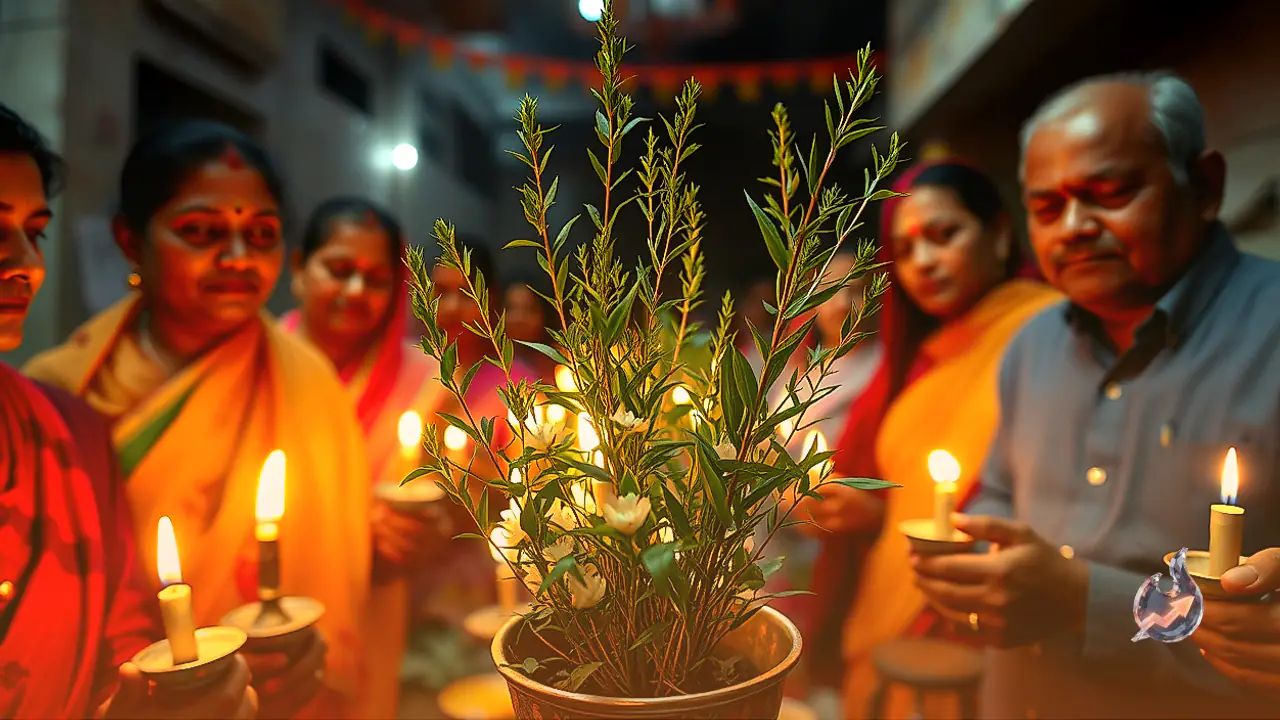
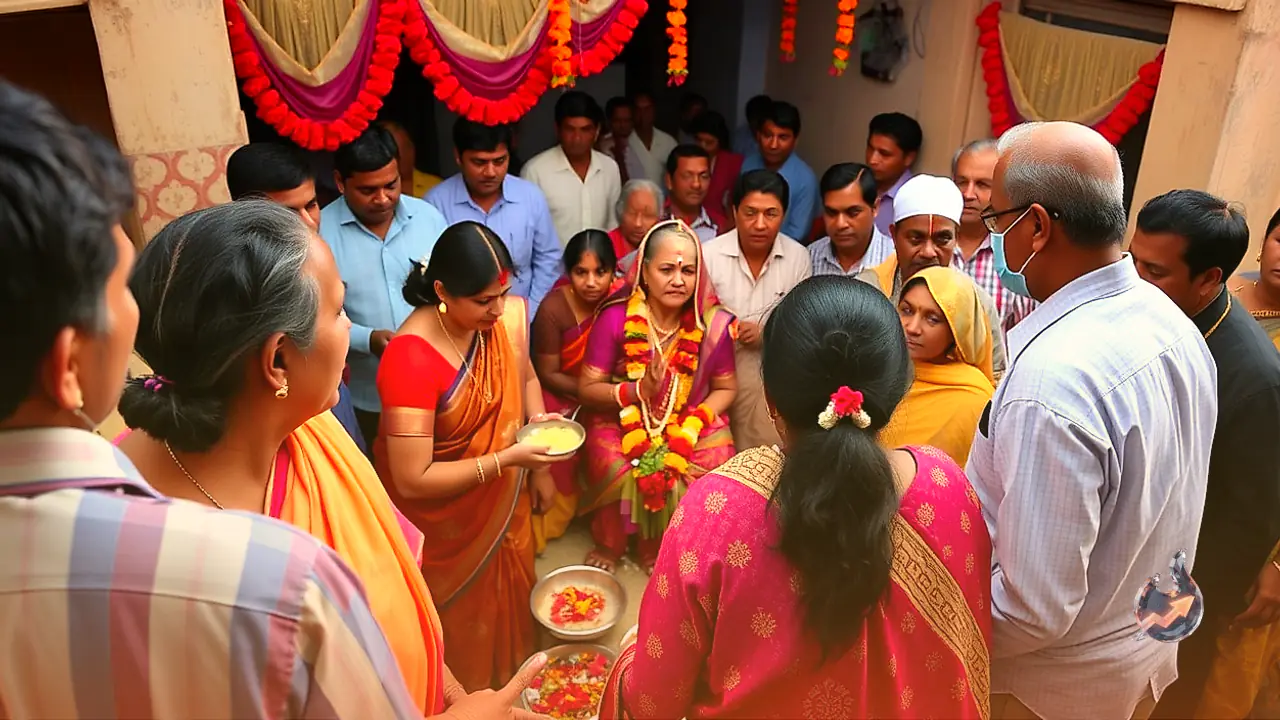















The historical city of Jaunpur in India is widely celebrated for its grand heritage monuments, distinct culture, and centuries-old traditions. However, the city's contribution extends far beyond architectural wonders, holding a uniquely revered place in the realm of Indian classical music. A prominent classical raga bears the city's very name, known as Raag Jaunpuri, standing as a testament to the era when Jaunpur flourished as a major center for art and music.
15th Century Roots and Sultan Hussain Sharqi's Patronage
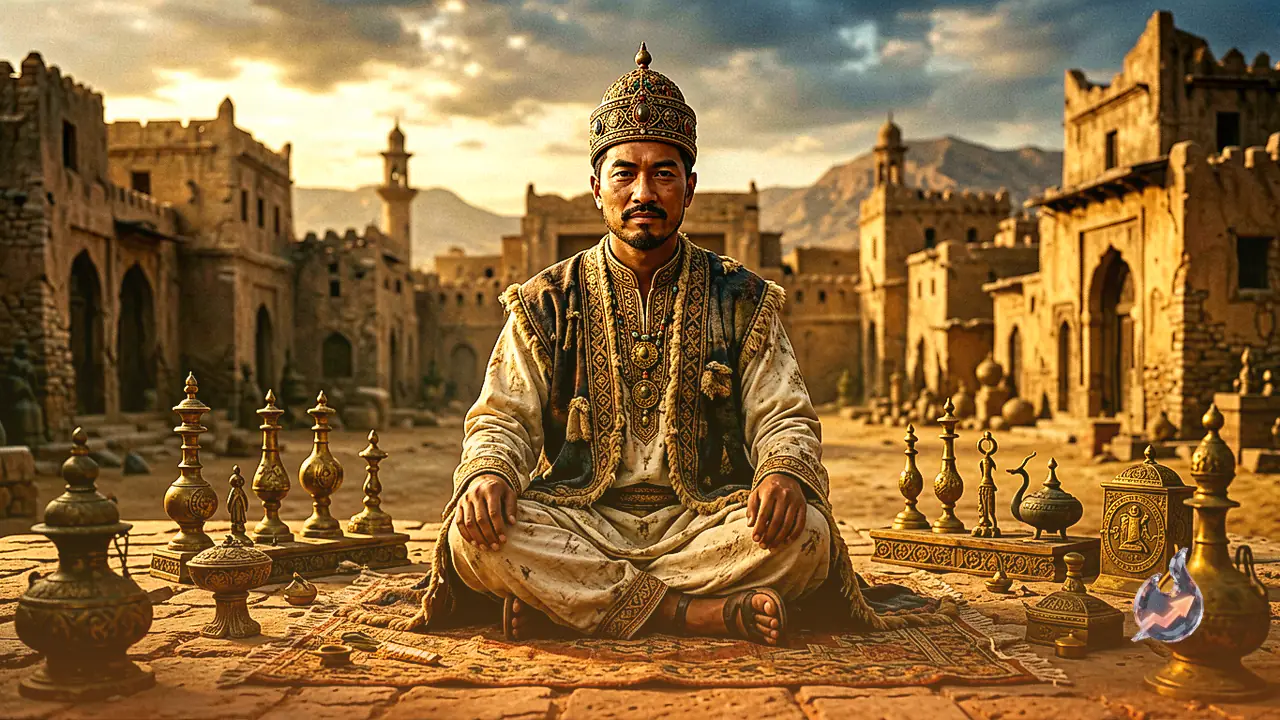
According to musical history and traditional accounts, the composition and evolution of Raag Jaunpuri are credited to Sultan Hussain Sharqi, the ruler of Jaunpur. During the 15th century under the reign of Sultan Hussain Sharqi, Jaunpur emerged as a vital hub for culture, education, and the performing arts. Historical documentation highlights the ruler's profound passion for music and his creative association with several classical ragas.
Asavari Thaat and the Emotional Depth of Raag Jaunpuri
In Indian classical music taxonomy, Raag Jaunpuri is classified under the Asavari Thaat. The rendition of this raga is distinguished by its emotional depth, seriousness, and themes of longing or separation. Whenever the notes of Raag Jaunpuri resonate in classical music gatherings, they evoke the centuries-old cultural essence and artistic grandeur of Jaunpur before audiences worldwide.
Beyond Architecture: A Living Musical Tradition
The Sharqi period is recognized in local historical records as a golden era for the development of literature, education, architecture, and music in the district. District administration historical information similarly emphasizes Jaunpur's prominent position across these cultural domains. Consequently, Jaunpur is remembered not only for architectural landmarks such as the Shahi Pul, Atala Masjid, and Sharqi structural monuments, but also for its enduring musical identity embedded in Raag Jaunpuri.
Renowned singer Suryaprakash Mishra Balla Guru Ji noted that Jaunpur's greatest uniqueness lies in its name remaining alive through classical notes across the globe rather than being restricted to historical buildings. Emphasizing the need for cultural continuity, he stated, "It is essential to connect the new generation with this legacy so that the musical tradition associated with Jaunpur's name continues to thrive."