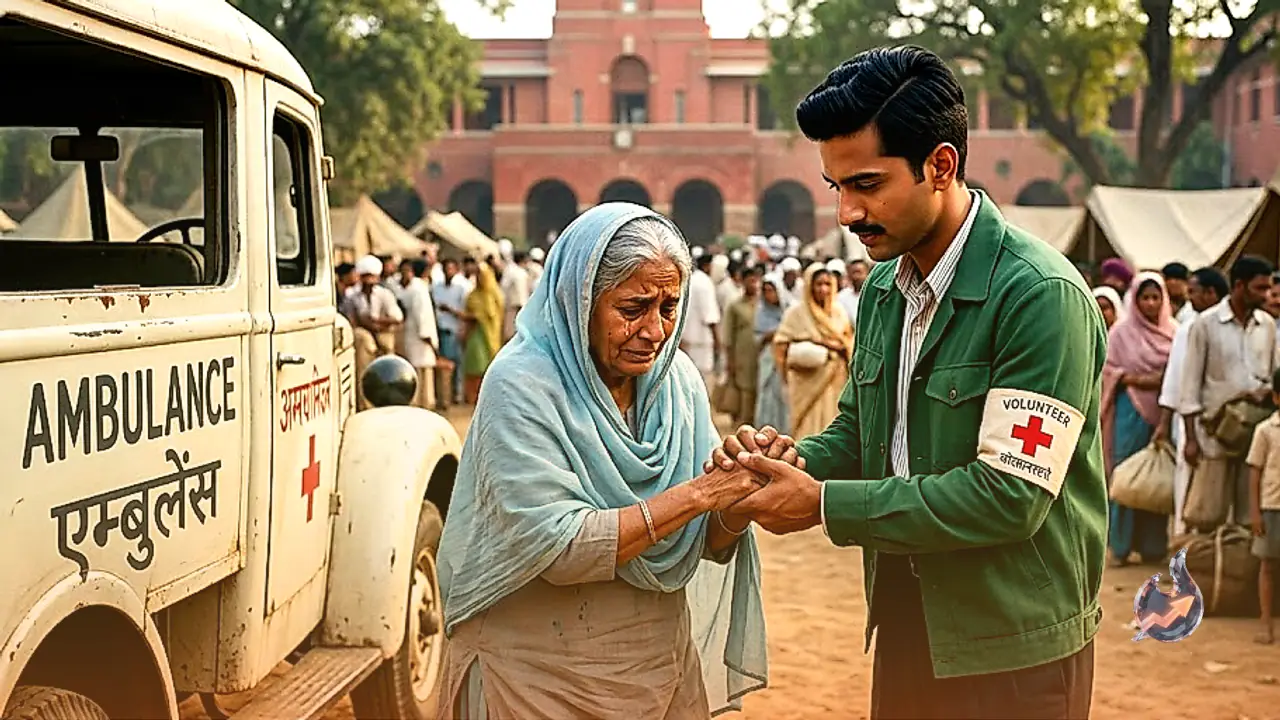






















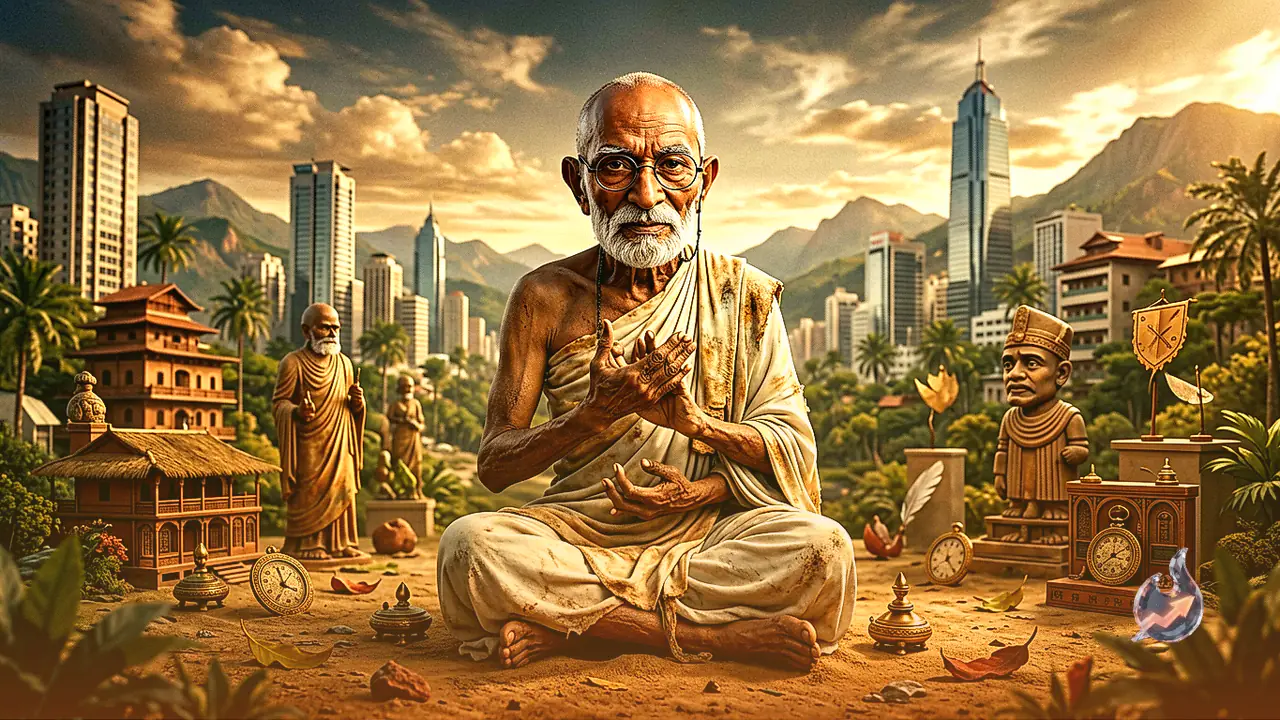

In today's fast-paced digital era, members of Gen-Z frequently debate the relevance and historical choices of Mahatma Gandhi. With social media encouraging immediate reactions and decisive outcomes, the slow and enduring principles of non-violence and patience can sometimes appear out of touch to younger generations. However, examining Mahatma Gandhi's core philosophy reveals several timeless concepts that resonate directly with modern global challenges and youth culture.
10 Core Insights Redefining Mahatma Gandhi for Youth
Rather than viewing Mahatma Gandhi strictly as a figure of history, analyzing his life choices provides practical frameworks for personal growth, activism, and leadership. Here are 10 key dimensions that offer a fresh perspective for Gen-Z
- 1. Strategic Non-Violence: Gandhi's non-violence was never passive submission, but an active, disciplined resistance against injustice.
- 2. Civil Resistance and Satyagraha: Standing firmly for truth through peaceful protest remains the foundation of effective modern social justice movements.
- 3. Embracing Minimalism: In an age driven by consumerism, his emphasis on non-possession encourages mental clarity and sustainable living.
- 4. Environmental Stewardship: Long before modern climate movements, Gandhi advocated for ecological balance, warning against resource over-exploitation.
- 5. Local Production and Self-Reliance: Promoting home-grown goods aligns seamlessly with modern support for local businesses and independent entrepreneurship.
- 6. Radical Transparency and Self-Correction: Publicly acknowledging mistakes and continually evolving reflects a high standard of personal integrity.
- 7. Constructive Dialogue: Engaging respectfully with ideological opponents fosters unity instead of toxic polarization.
- 8. Championing Inclusivity: Relentlessly fighting social discrimination creates a blueprint for an equitable and diverse community.
- 9. Cultivating Patience and Resilience: For a generation used to instant gratification, his long-term struggles underscore the power of perseverance.
- 10. Authentic Leadership: Mobilizing millions without holding formal office proves that true influence stems from moral courage and character.
Modern Takeaways for the Digital Generation
Re-evaluating Mahatma Gandhi allows modern youth to draw valuable lessons for navigating hyper-connected yet polarized social landscapes. By understanding the rationale behind his actions, young citizens can apply his principles of empathy, sustainability, and moral courage to solve contemporary issues.