




















Whenever Bollywood ventures into challenging territories like time travel and psychological suspense thrillers, audience expectations naturally run high. Director Karan Rawal's new film Tu Hai Meri Kiran is built upon a similarly unique and compelling concept, where an old flip phone connects two individuals separated by a ten-year gap between 2016 and 2026. Despite a strong underlying plot idea and sincere performances from the cast, the film ultimately disappoints viewers due to a loose script, directionless storytelling, and glaring logical loopholes.
The Premise and a Bizarre Time-Bending Connection
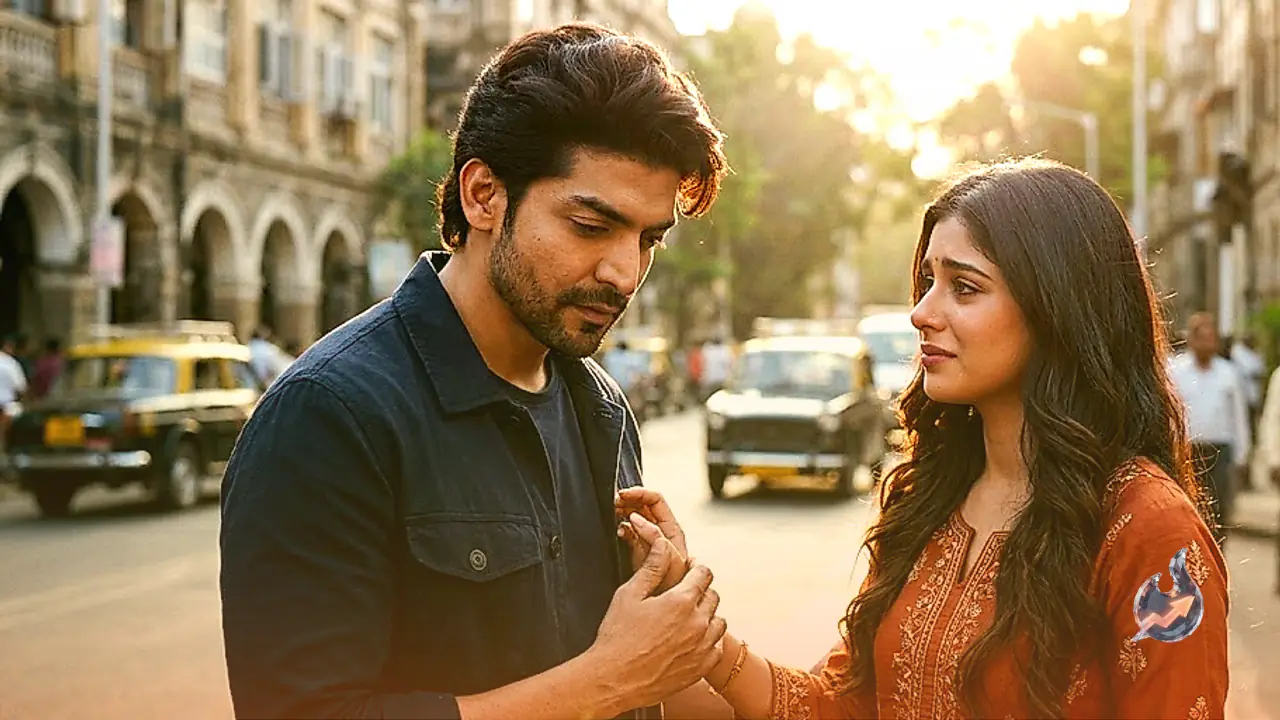
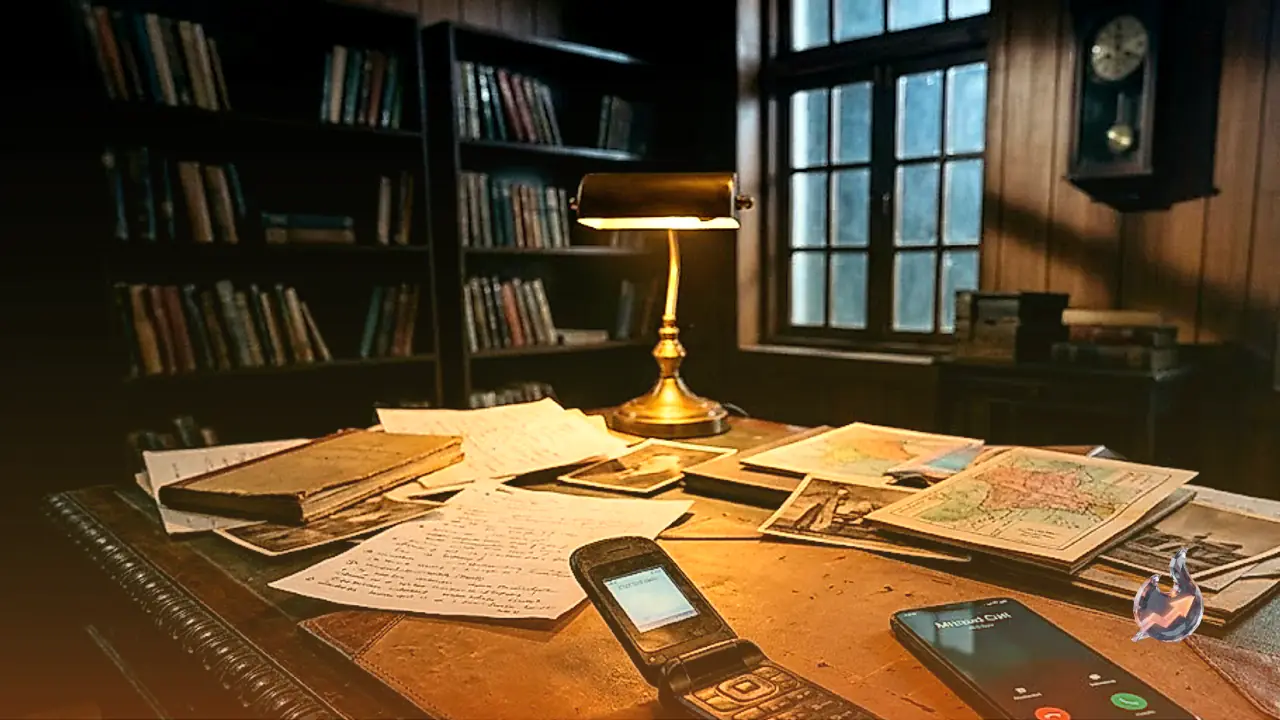
The narrative kicks off on September 28, 2026, centering around Kiran, played by Sonakshi Sinha, who leads a peaceful and happy life with her husband Ryan, played by Ankit Gupta. Her routine existence is suddenly disrupted when she discovers an old, malfunctioning flip phone tucked away inside her closet. Soon enough, she receives a call from an unfamiliar man named Samer, portrayed by Zaheer Iqbal. Over the course of their conversation, Kiran realizes that Samer is not living in the present day, but is instead stuck ten years in the past, back in 2016. When they attempt a coordinated visit to local cinema halls, Kiran finds Dhurandhar 2 playing on her screen, while Samer watches MS Dhoni: The Untold Story in his theater. This revelation confirms to them that they are communicating across a decade-long divide. Initially, the idea of two people from distinct timelines connecting via a phone feels intriguing, but as the plot progresses, Samer's true identity comes to light.
Crime, Obsessive Love, and a Wandering Plot
Samer turns out to be a man with a criminal background and a psychotic mindset, who attempts to manipulate future events through Kiran for financial gain. This obsession later morphs into a dangerous and possessive fixation. When Kiran tries to distance herself from him, Samer resorts to blackmail, intending to trap her entirely within his 2016 past and ruin her life. Although the core concept held considerable promise, the screenplay is so messy and tangled that audiences are left searching for logic until the very end. The writer bends the fundamental rules of time travel at will, completely undermining the suspenseful purpose of the thriller.
Performances That Outshine the Script
Despite the weak writing, the film shines brightest through the dedication of its actors. Real-life couple Sonakshi Sinha and Zaheer Iqbal throw themselves completely into their respective roles. Sonakshi delivers a composed and grounded performance as Kiran, expressing deep emotions and subtle eye movements to portray both the carefree young woman of 2016 and the anxious yet resilient woman of 2026. On the other hand, Zaheer Iqbal captures the dark, toxic, and obsessive shades of Samer with notable efficiency, making his body language and dialogue delivery quite impactful for a psychotic lover. Among the supporting cast, Ankit Gupta manages a natural performance despite limited screen time, while veteran actors Zarina Wahab and Purnendu Bhattacharya put in sincere efforts in their brief appearances, though poor character writing underutilized their talent.
Direction and Technical Shortcomings
Director Karan Rawal chose an unconventional subject but failed to execute it properly. In genres like time travel and psychological thrillers, precise connection and logical clarity are paramount. While Rawal manages to sustain some suspense during the first half, the narrative completely loses its grip post-interval, failing to manage the tension between two timelines. The fear, thrills, and shock factors expected from such a project evaporate due to uninspired direction. Furthermore, the visual treatment is entirely ordinary, lacking the creative camera angles, color palettes, or lighting shifts needed to sell a time-bending mystery. The background score and music are equally dull, failing to elevate the tension of suspenseful sequences and ultimately disrupting the pacing of the story.