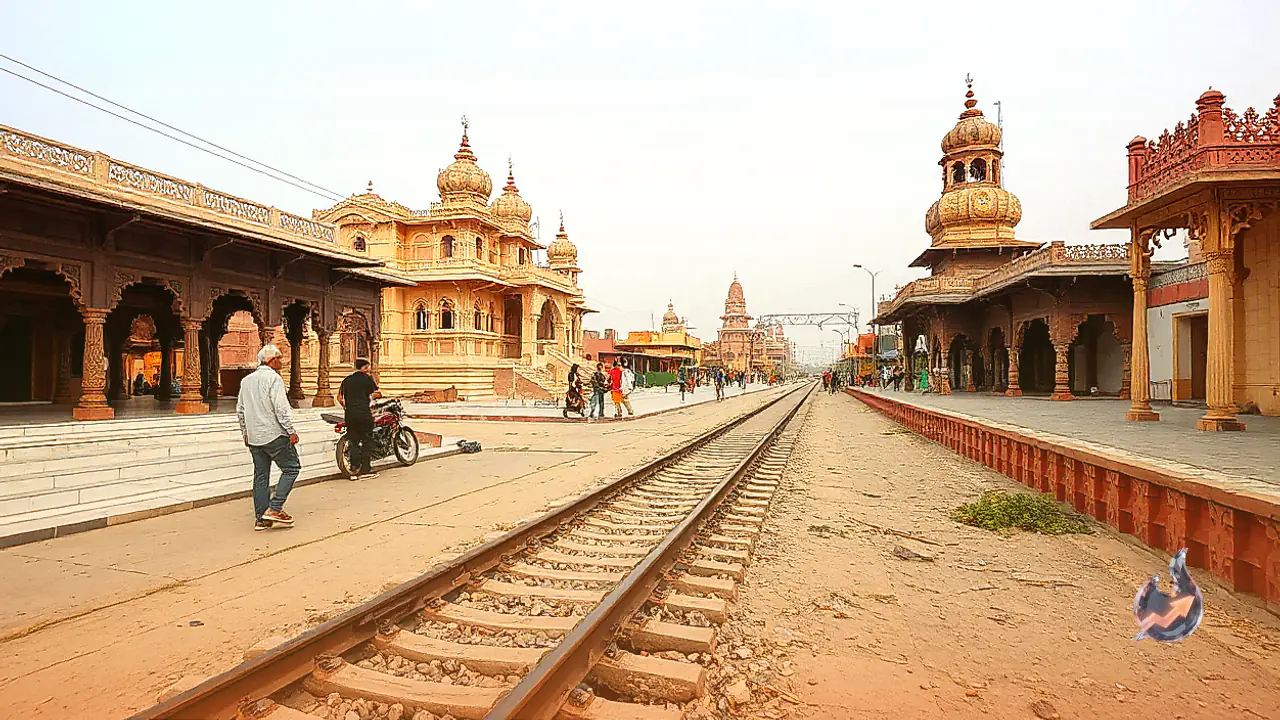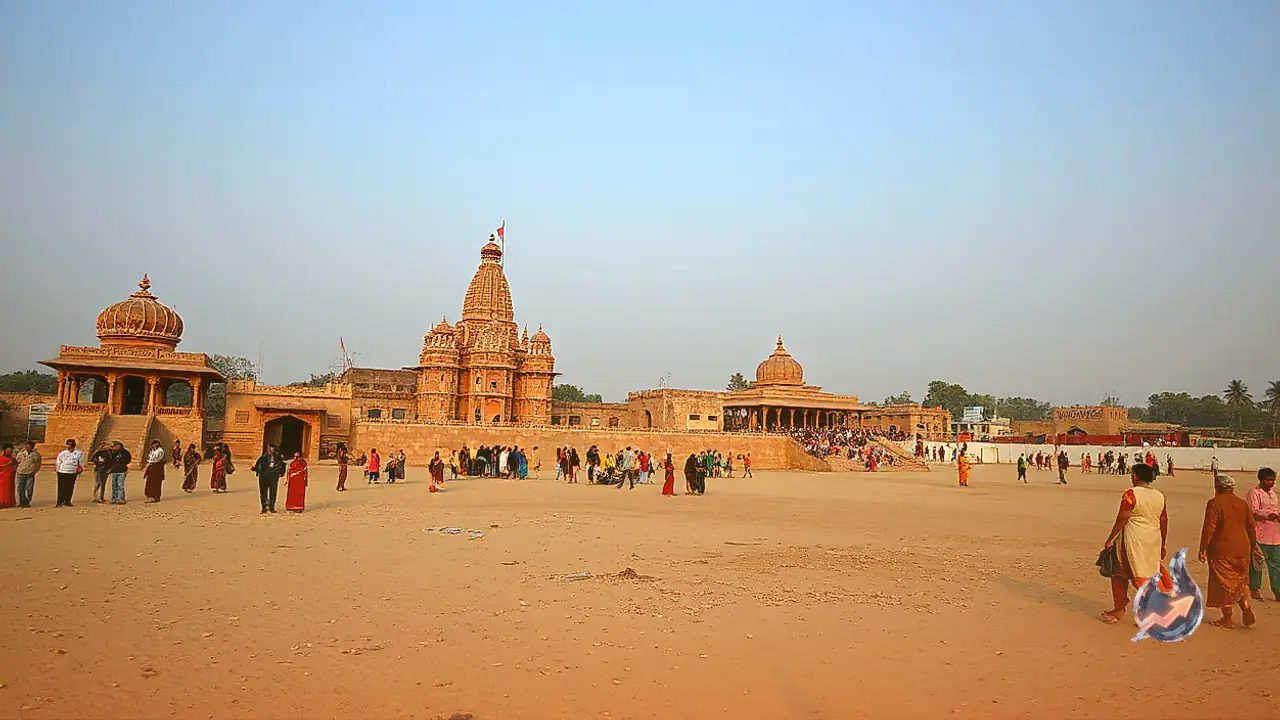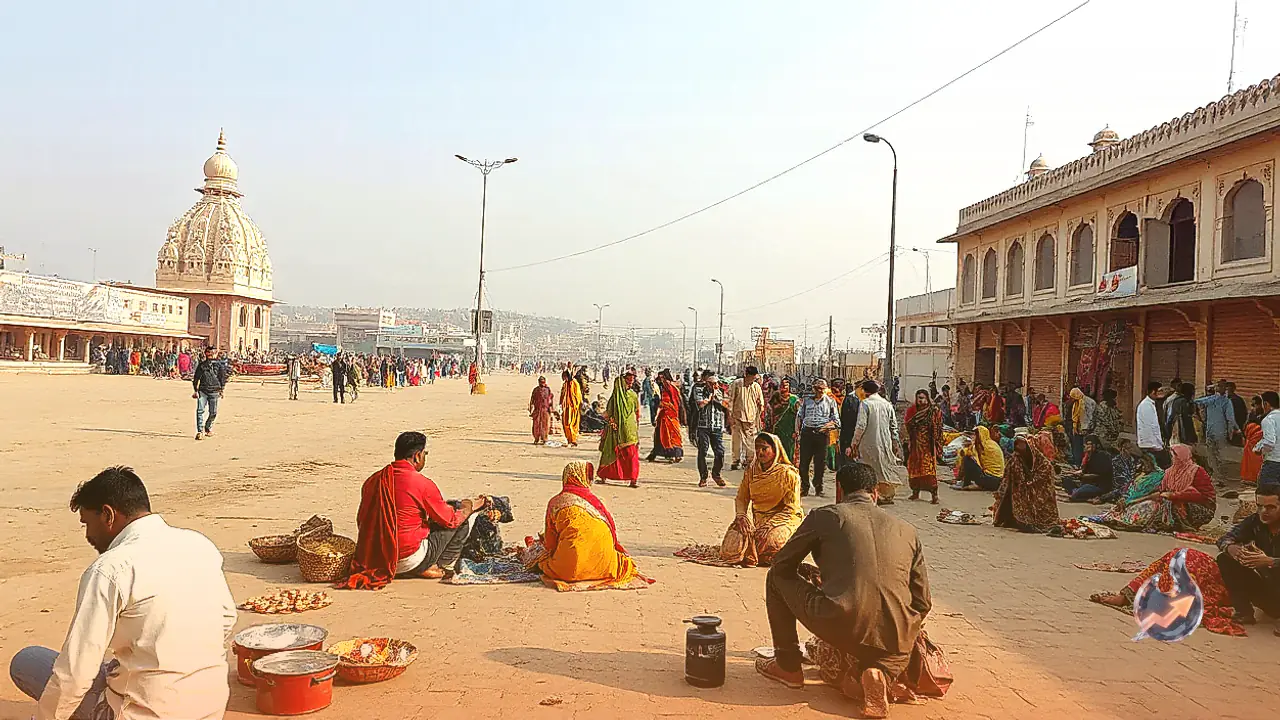















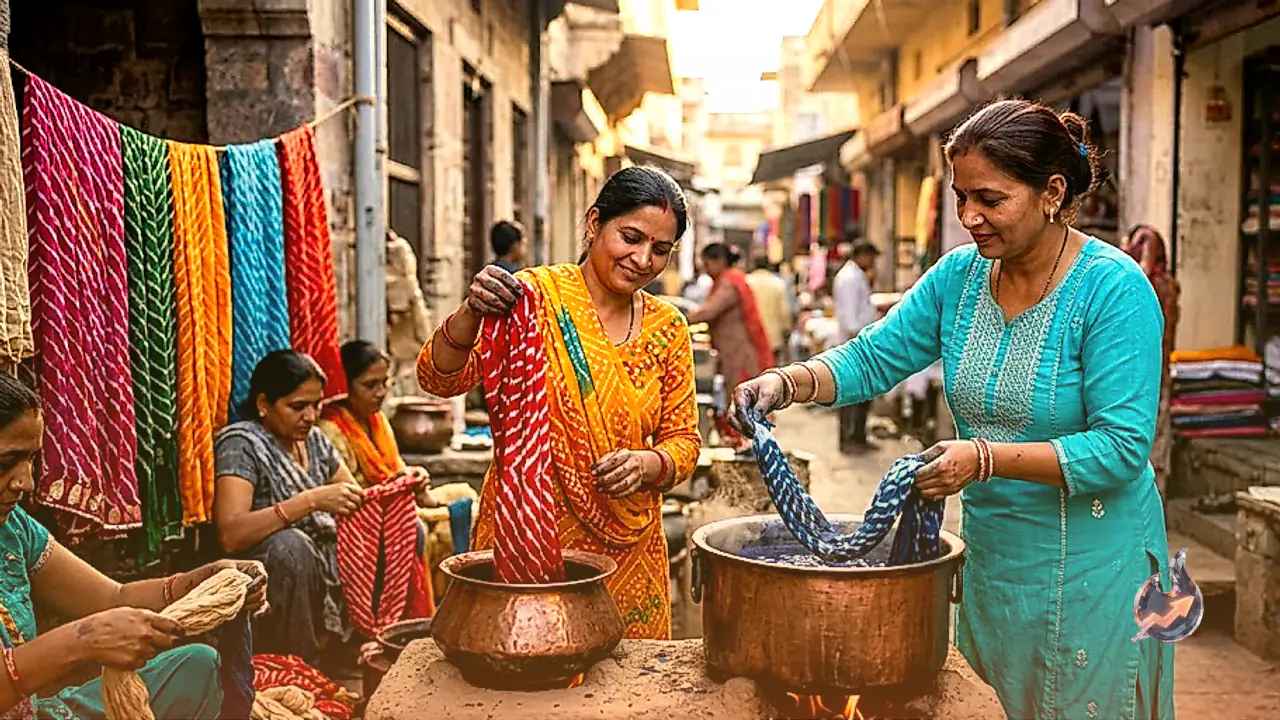

The traditional craft of fabric dyeing continues to thrive in Udaipuria Market located in Pali, Rajasthan. Despite the dominance of modern textile machinery, the Rangrez community of this historical hub relies on age-old techniques passed down through generations. Whether for grand wedding celebrations or major cultural festivals, these skilled artisans remain highly sought after across major Indian metropolises and overseas for their specialized safa tying and vibrant lahariya dyeing work.
The Traditional Art of Cooking Dyes on Low Heat
The defining secret behind the famous dyeing craft of Udaipuria Market lies in its precise boiling process. Artisans still use traditional iron or clay stoves, known as sigdis, upon which large pots called bhagolas are placed. Within these vessels, natural and fast dyes are blended in exact proportions. The mixture is then carefully cooked over the gentle flame of the sigdi at controlled temperatures. Maintaining the right temperature on low heat ensures that the colors achieve exceptional brilliance and long-lasting durability.
Restoring Faded Garments to Pristine Condition
The mastery of Pali's Rangrez artisans extends far beyond dyeing fresh fabrics or creating new safas. A signature specialty of these craftsmen is breathing new life into old, faded, or discolored garments. Utilizing their traditional color formulations and refined expertise, they re-dye worn clothing so effectively that the restored items look indistinguishable from brand-new attire. This unique ability has earned them a loyal patronage not only across India but also among the non-resident Indian (NRI) diaspora living abroad.
High Demand Across Royal Weddings and International Diaspora
Although changing economic times have reduced the number of families actively practicing this heritage craft in Udaipuria Market to a select few, the demand for their skill has never waned. High-profile weddings in top metropolitan cities, royal ceremonies, and prominent cultural conventions frequently invite these Pali artisans specifically for their traditional safa tying and custom dyeing services. Through their dedication and master craftsmanship, these remaining artisan families continue to preserve the distinct cultural legacy of Pali's Udaipuria Market.