




















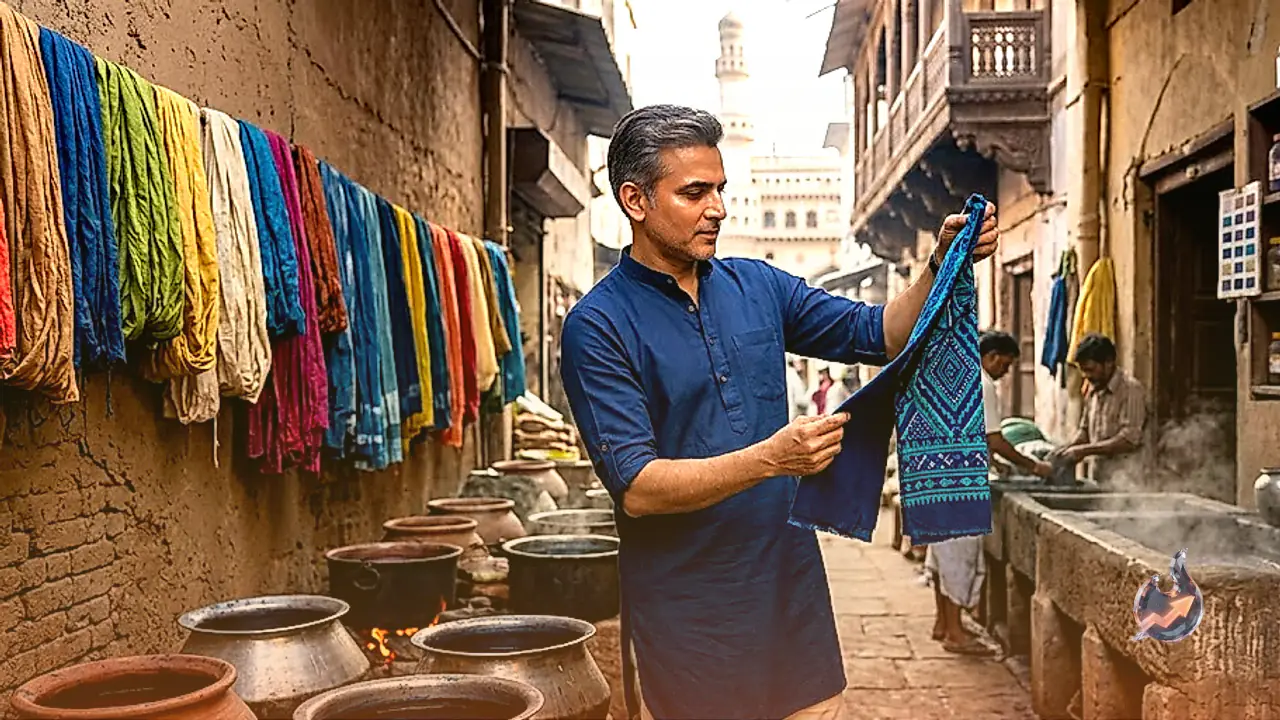

Near the iconic Charminar monument in the heart of Hyderabad, Telangana, a 400-year-old textile dyeing craft continues to flourish in full splendor despite the dominance of modern automation. Stepping into the historic, narrow alleys of Laad Bazaar and Pather Gatti, visitors and passersby are immediately greeted by the sight of massive vessels boiling over roaring kilns and sending plumes of vibrant, colorful steam into the air. This traditional dyeing practice stands as a living testament to the rich cultural heritage and vibrant history of the region.
Royal Roots and the Legacy of the Rangrez
The origins of this specialized cloth-dyeing art trace back to the era of the Qutb Shahi and Nizam rulers. During those times, master dyers were brought in and settled in these heritage quarters specifically to impart custom hues to royal garments, delicate muslins, fine cotton fabrics, and exquisite silk scarves. Known locally as the 'Rangrez', these traditional artisans played an indispensable role in defining the regal fashion of the period. Today, even as the global textile industry relies overwhelmingly on automated machinery and computerized processes, third- and fourth-generation Rangrez dyers near Charminar keep this centuries-old legacy alive using inherited techniques, decades of hands-on experience, and pure manual skill.
The Step-by-Step Dyeing Process in Traditional Cauldrons
The process of dyeing fabrics in these historic lanes is both intricate and captivating to observe. It begins with large copper or aluminum cauldrons filled with water and set atop high-flame furnaces until the liquid reaches a rolling boil. Once the water is boiling, the artisan adds specific dye pigments chosen by the customer, along with common salt and specialized chemical fixers designed to bond the color permanently into the fabric fibers. Plain, un-dyed cloth is then submerged into the simmering colored bath and constantly rotated using a long wooden pole. This continuous manual stirring ensures that the dye absorbs evenly across every single thread of the fabric. Finally, the cloth is thoroughly rinsed in cold water to remove any residual dye before being laid out to dry.
Flawless Color Matching Guided Purely by Visual Precision
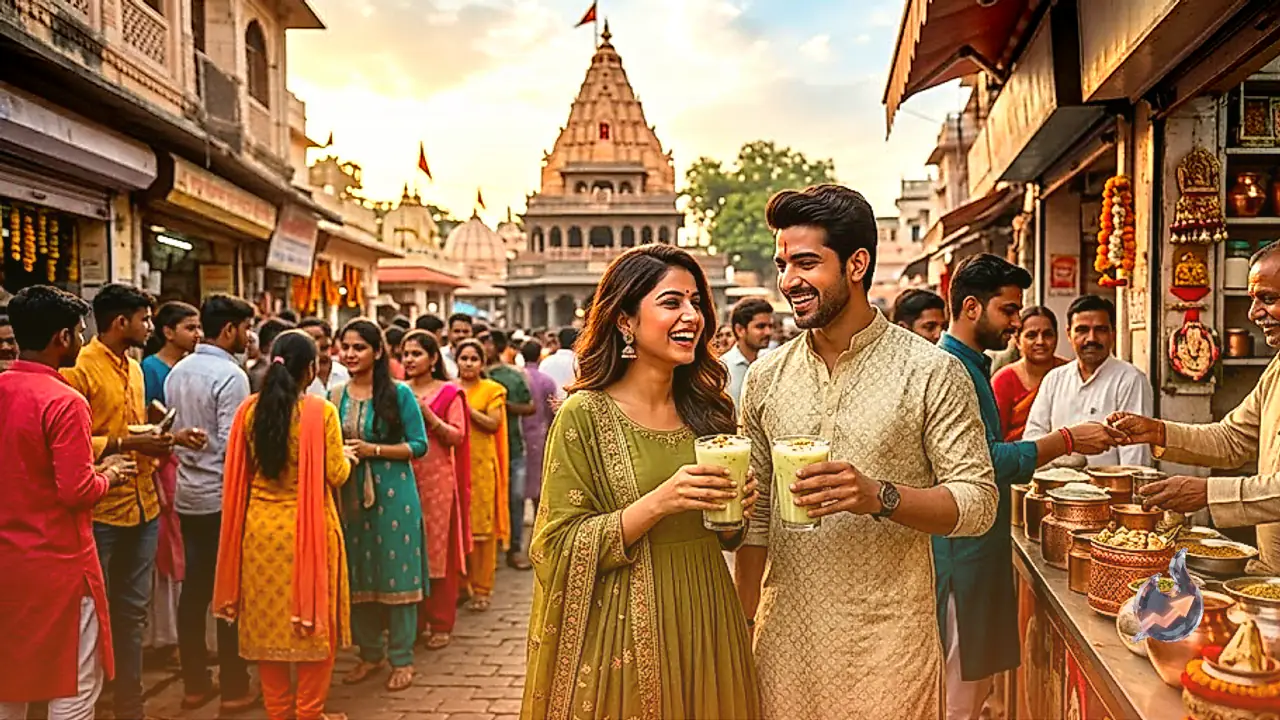
The most astonishing aspect of this ancient craft lies in the master dyers' unmatched precision in color matching. Without using digital color spectrometers, computer algorithms, or modern laboratory equipment, these artisans blend basic primary dyes into the exact shade requested by a customer using nothing more than sharp visual estimation and years of intuitive practice. During major festival seasons, Eid celebrations, and wedding peak periods, large crowds gather in Laad Bazaar and Pather Gatti. Customers bring plain fabrics to be custom-dyed or transformed with intricate traditional patterns such as tie-and-dye, bandhej, and laheriya.