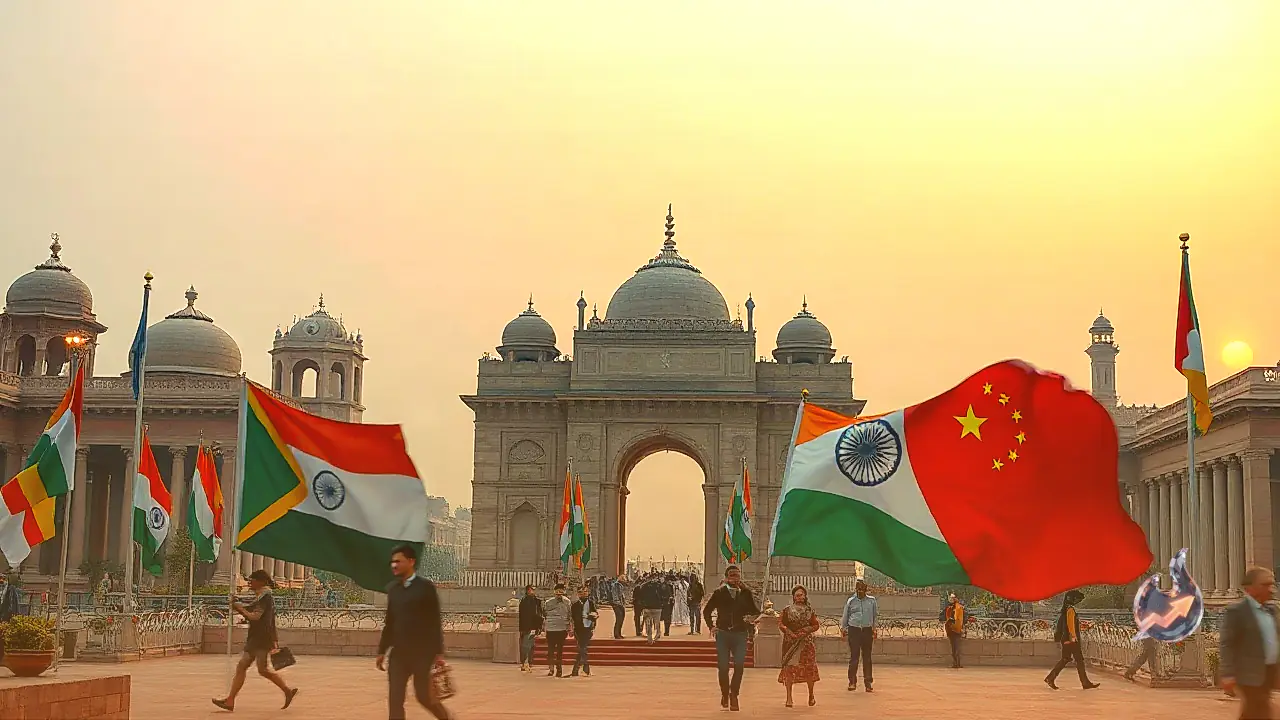

















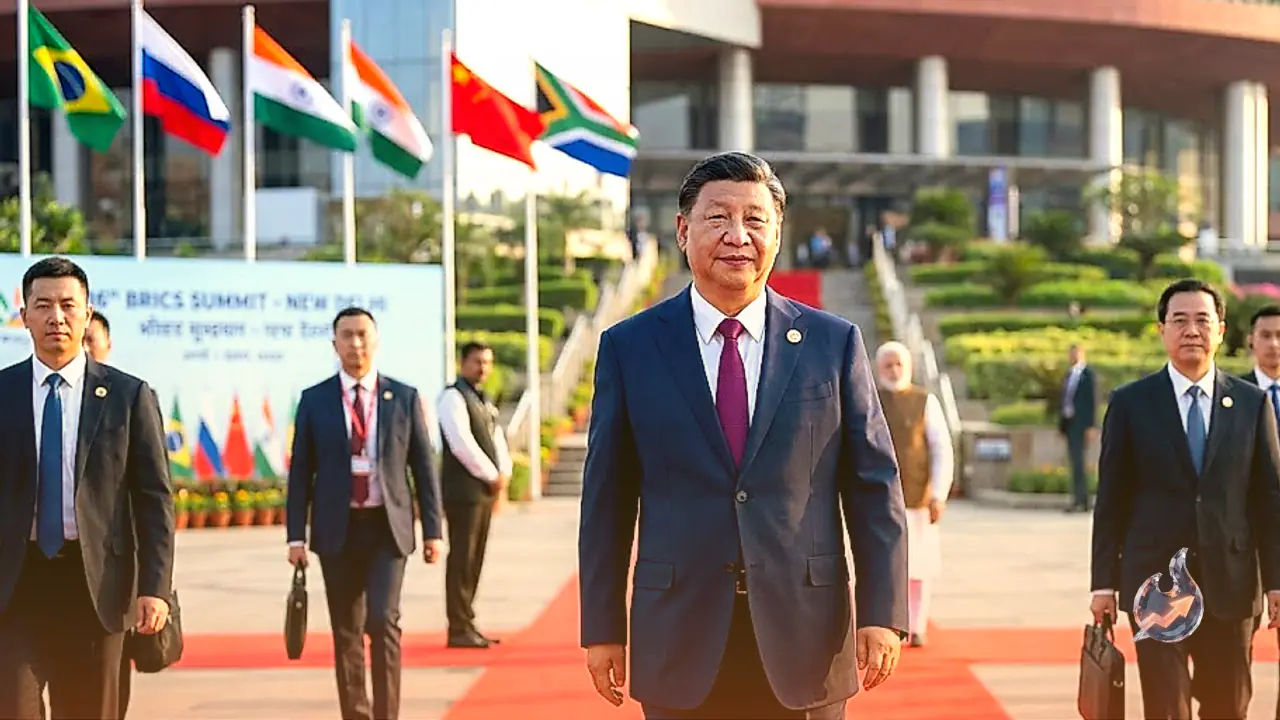

Diplomatic activity is intensifying in New Delhi ahead of the BRICS Summit scheduled for September 12 to 13. The high-profile gathering will bring together prominent global leaders, including Russian President Vladimir Putin and Chinese President Xi Jinping. Should Xi Jinping attend the summit in person, it will mark his first visit to the Indian capital since 2019. Coming after years of strained ties following the 2020 Galwan Valley clash and the subsequent military standoff along the Line of Actual Control (LAC), this potential visit is seen as a major signal in international relations. Parallel to this development, diplomatic corridors are speculating whether Prime Minister Narendra Modi might visit Islamabad in 2027 to attend the Shanghai Cooperation Organisation (SCO) Summit hosted by Pakistan.
Xi Jinping's Potential Visit and the Six-Year Diplomatic Standoff
President Xi Jinping last visited India in October 2019 for the second informal summit with Prime Minister Narendra Modi in Mahabalipuram. However, the violent clash in the Galwan Valley in mid-2020 plunged bilateral relations into a deep crisis, leading to a prolonged military standoff along the LAC. For years, direct contact between the two leaders remained confined to the margins of multilateral events such as the BRICS, G20, and SCO summits. A thaw began in October 2024 during the BRICS Summit in Kazan, Russia, where both leaders held a structured bilateral meeting shortly after agreeing on disengagement along the border. Subsequently, Prime Minister Modi visited Tianjin, China, from August 31 to September 1, 2025, for the SCO Summit, marking his first trip to China in nearly seven years following his visits to Wuhan in 2018 and the BRICS Summit in 2019. The two leaders engaged in further talks in Tianjin, paving the way for renewed diplomatic engagement.
Key Issues for Bilateral Engagement and Border Stabilization
While military disengagement has progressed, unresolved issues persist along the India-China border. Sustained diplomatic and military channels have kept dialogue open. If Xi Jinping's visit to New Delhi materializes, discussions are expected to extend far beyond diplomatic formalities. Key agenda items are likely to cover border stability protocols, economic and trade relations, investment frameworks, and strategic alignment in global forums. Regional experts view any stabilization of ties between Asia's two largest powers as pivotal for broader economic and geopolitical stability across the continent.
Pakistan's Official Stand on the 2027 SCO Summit Invitation
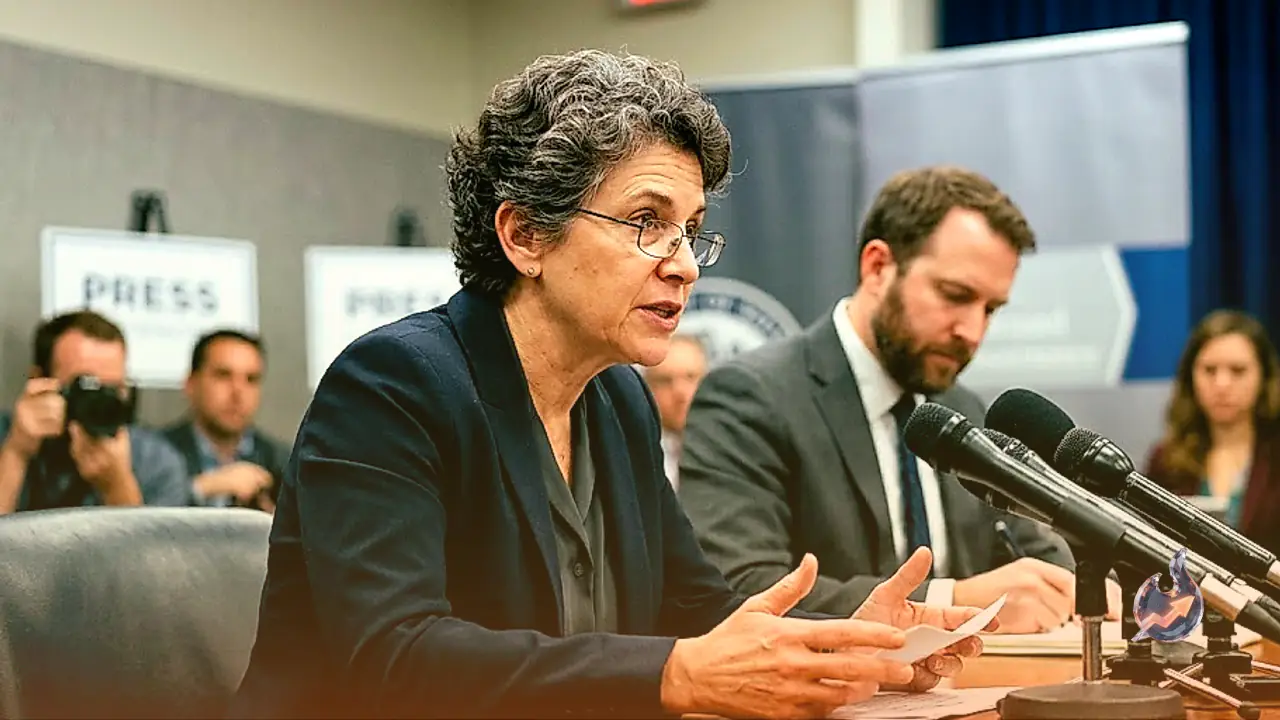
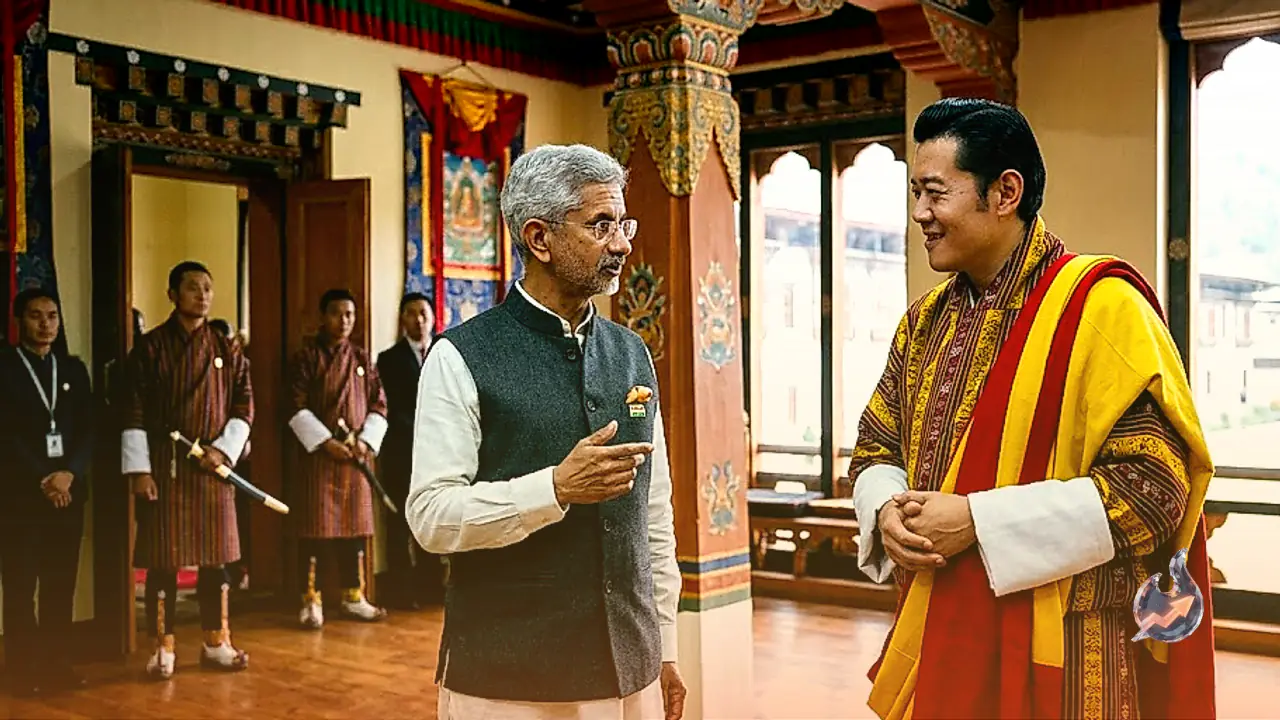
Against the backdrop of shifting India-China dynamics, Pakistan's Foreign Ministry has clarified its stance regarding the upcoming 2027 SCO Summit in Islamabad. Responding to queries regarding a potential meeting request between Indian External Affairs Minister Dr. S. Jaishankar and his Pakistani counterpart on the sidelines of the ASEAN Regional Forum (ARF) meeting in Manila, the Pakistani spokesperson stated there was no information regarding such a request. Addressing the 2027 summit, the spokesperson confirmed that under SCO charter regulations, the host nation is obligated to invite the heads of state or government of all member countries. Consequently, an official invitation will be extended to Indian Prime Minister Narendra Modi.
Strategic Scope of the SCO and India's Foreign Policy Stance
While an invitation from Islamabad is procedurally guaranteed, India has maintained a measured stance and issued no official commitment regarding Prime Minister Modi's attendance. Diplomatic observers note that accepting such an invitation will depend strictly on security conditions, cross-border dynamics, and the overall state of bilateral relations closer to 2027. As the SCO stands as one of the world's largest regional groupings encompassing major Asian economies, the upcoming diplomatic engagements in New Delhi and Islamabad will significantly influence the future trajectory of South Asian geopolitics.