




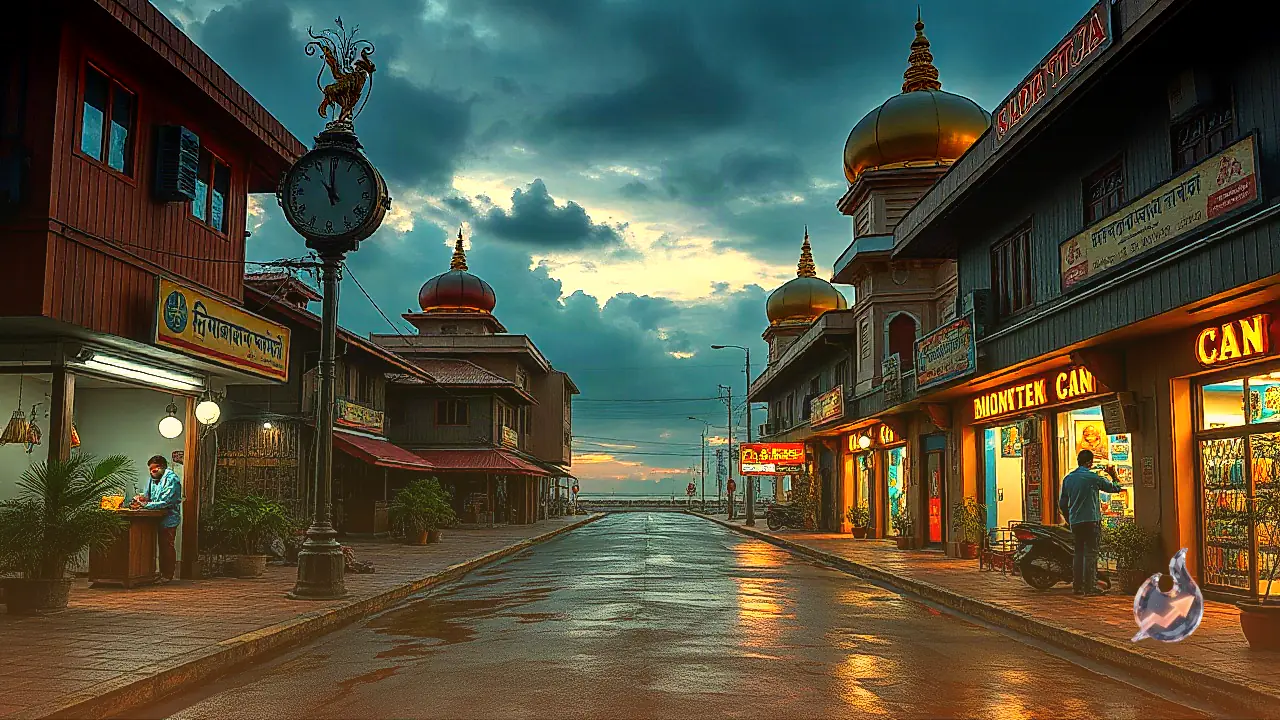














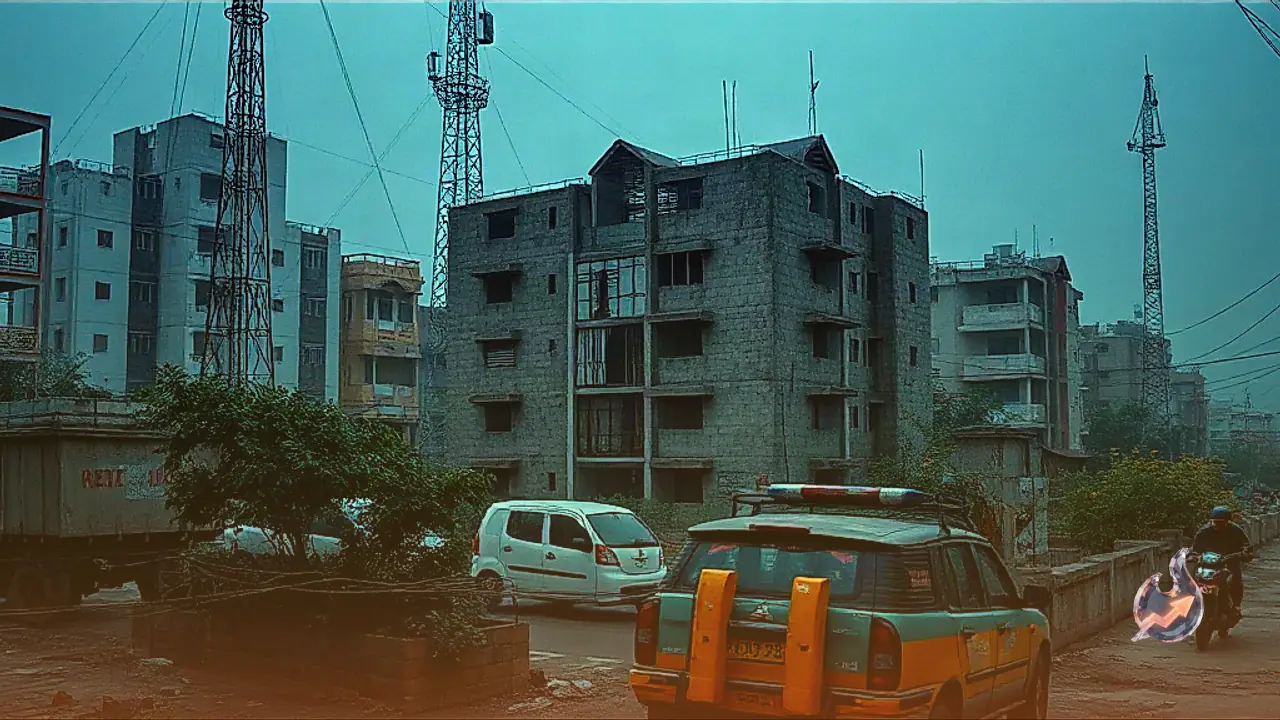

Long before Gen Z crowded its shake counters and pasta joints, the lanes now known as Satya Niketan were part of a quiet, largely forgotten settlement called Moti Bagh village. The story of how this stretch of farmland turned into one of Delhi's busiest student neighbourhoods stretches back nearly seven decades, and it hinges on a decision taken by Delhi University more than fifty years ago.
It Began as Part of Moti Bagh Village
Through the 1950s and 1960s, the area that is today called Satya Niketan was largely agricultural land dotted with a rural population. There were no markets, no colleges, just fields and a handful of families living off the land. This stretch was part of the old Moti Bagh village, and the foundations of today's Satya Niketan lie buried, quite literally, in that village's soil.
Refugees, Resettlement and a New Name
After independence in 1947, and through the following decades as Delhi expanded rapidly as a city, several families and displaced persons were allotted land and plots in this area under the city's urban expansion drive. Slowly, a residential colony took shape here, and it came to be known by a new name, Satya Niketan. At the time, few could have imagined that this colony would one day be counted among Delhi's most recognisable student hubs.
1973: The Year Everything Changed
Satya Niketan's real turning point came in 1973, when Delhi University established its South Campus. One reputed college after another opened on Benito Juarez Marg, Sri Venkateswara College, ARSD College, Motilal Nehru College and Jesus and Mary College, or JMC. As students began arriving from across the country to take admission in these colleges, Satya Niketan, sitting right across the road, became their closest and cheapest option for food and accommodation, a status it has held on to ever since.
From Small Homes to a PG and Hostel Economy
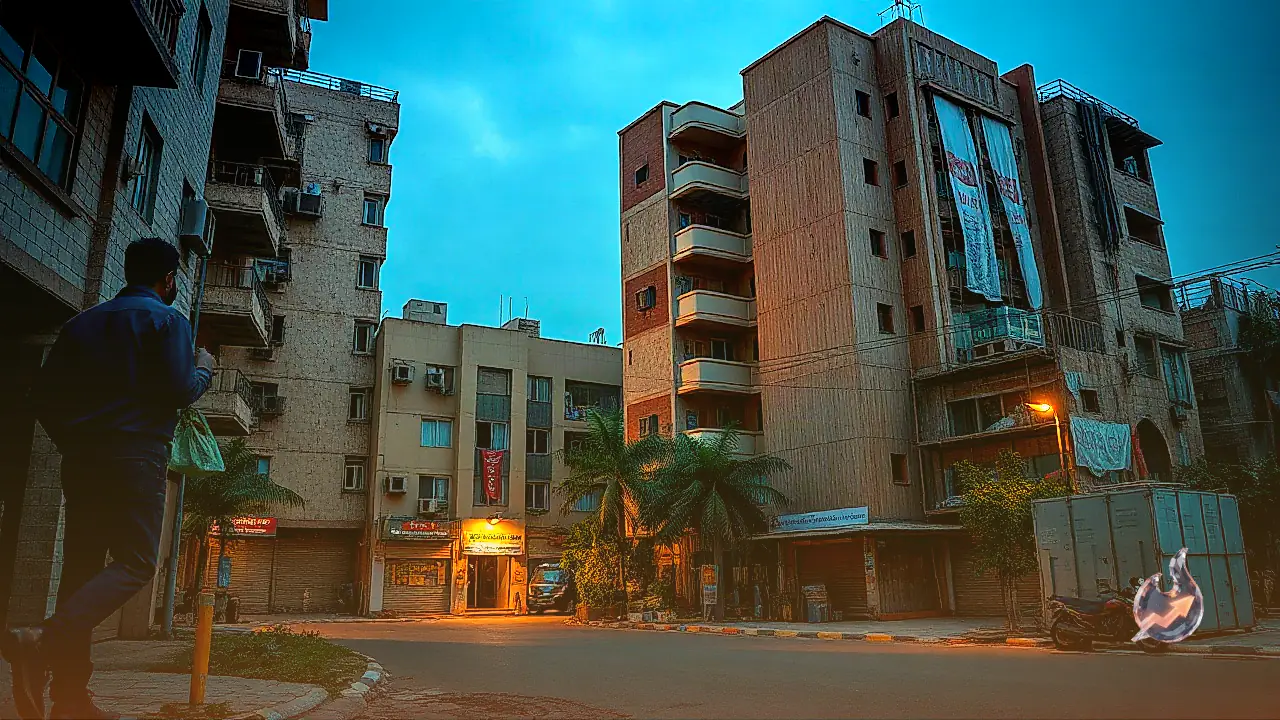
Through the 1980s and 1990s, local residents began cashing in on the growing student population. Small houses of 60 to 65 square yards were steadily converted into buildings of 4 to 5 storeys. These buildings were turned into hostels and paying guest, or PG, accommodations and rented out, which boosted the earnings of homeowners and gave students an affordable place to stay close to campus without having to commute across the city. It was during this period that Satya Niketan's identity shifted from a quiet residential pocket into something closer to a dedicated student colony.
Momos, Milkshakes and the Rise of Cafe Culture
After 2000, Satya Niketan built a fresh identity for itself, that of Delhi's cafe hub. Small, affordable cafes serving pasta, momos, milkshakes and Chinese food became the favourite hangout spots for students across South Campus, drawing crowds well beyond just the neighbourhood's own colleges. The lanes no longer echoed only with talk of books and classes, they now buzzed with the smell of food, the clatter of cutlery and the energy of nightlife stretching late into the evening.
The Dark Side Hidden Behind the Growth
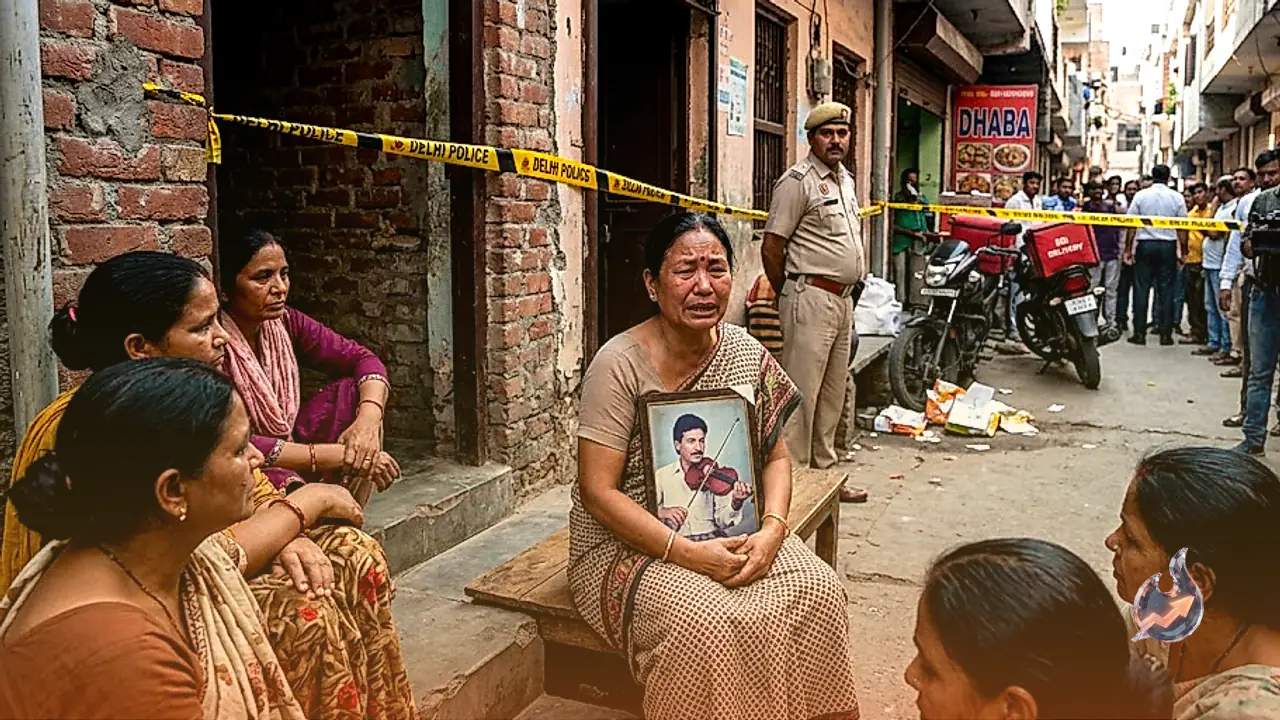
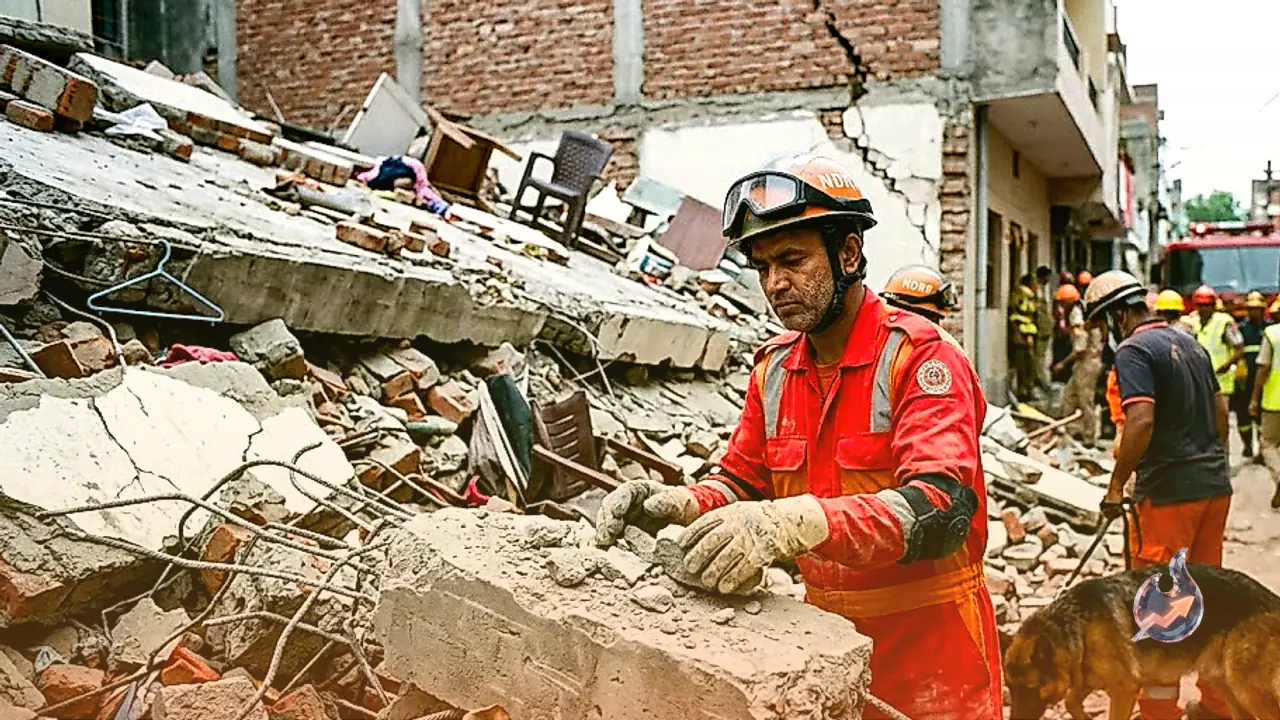
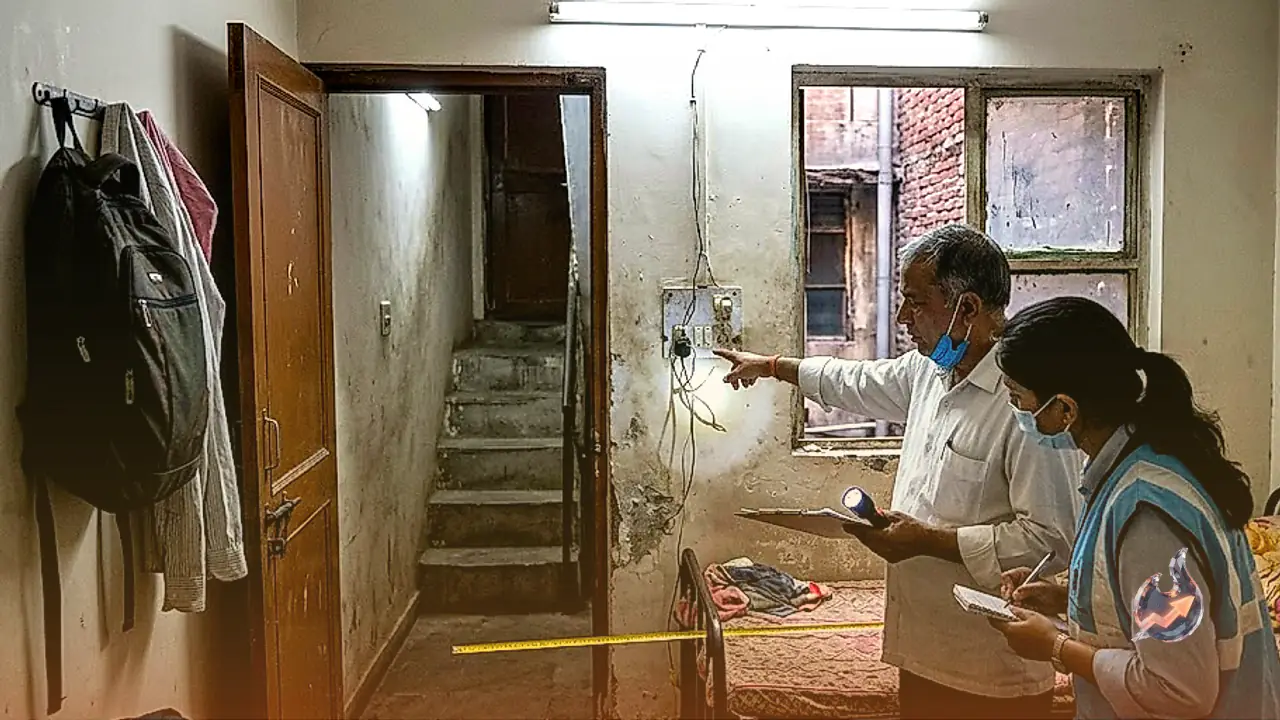
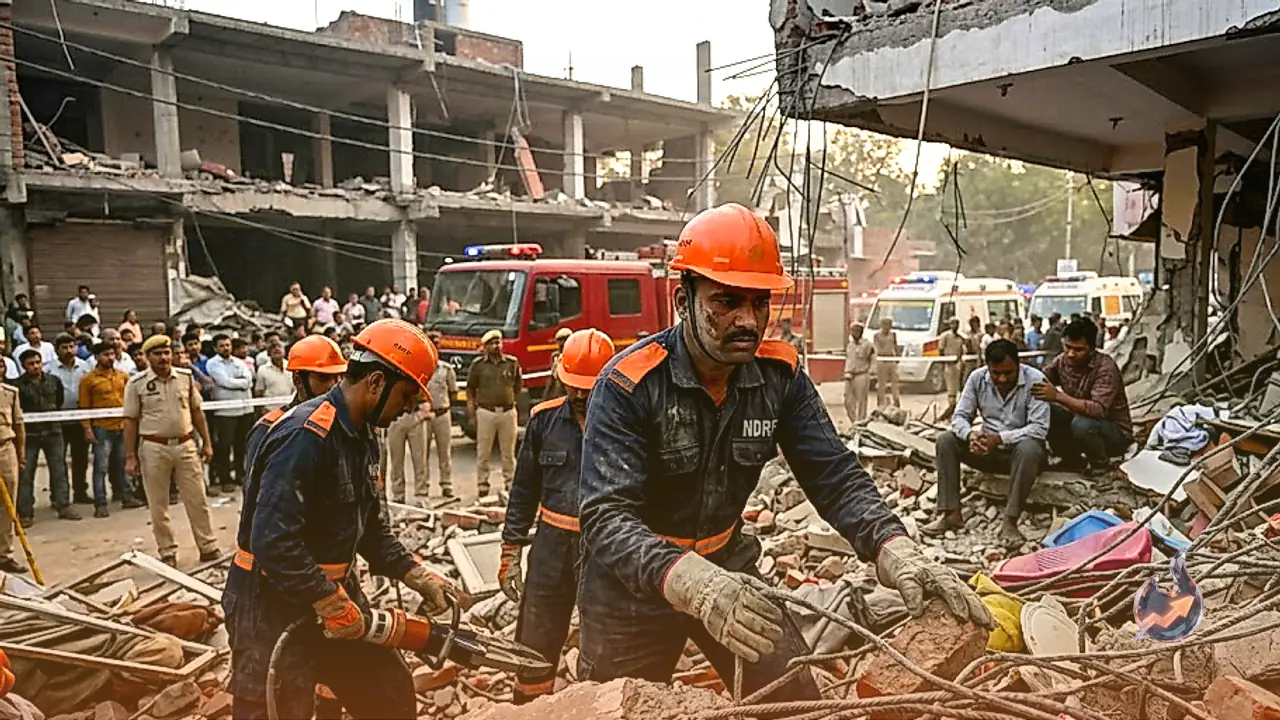
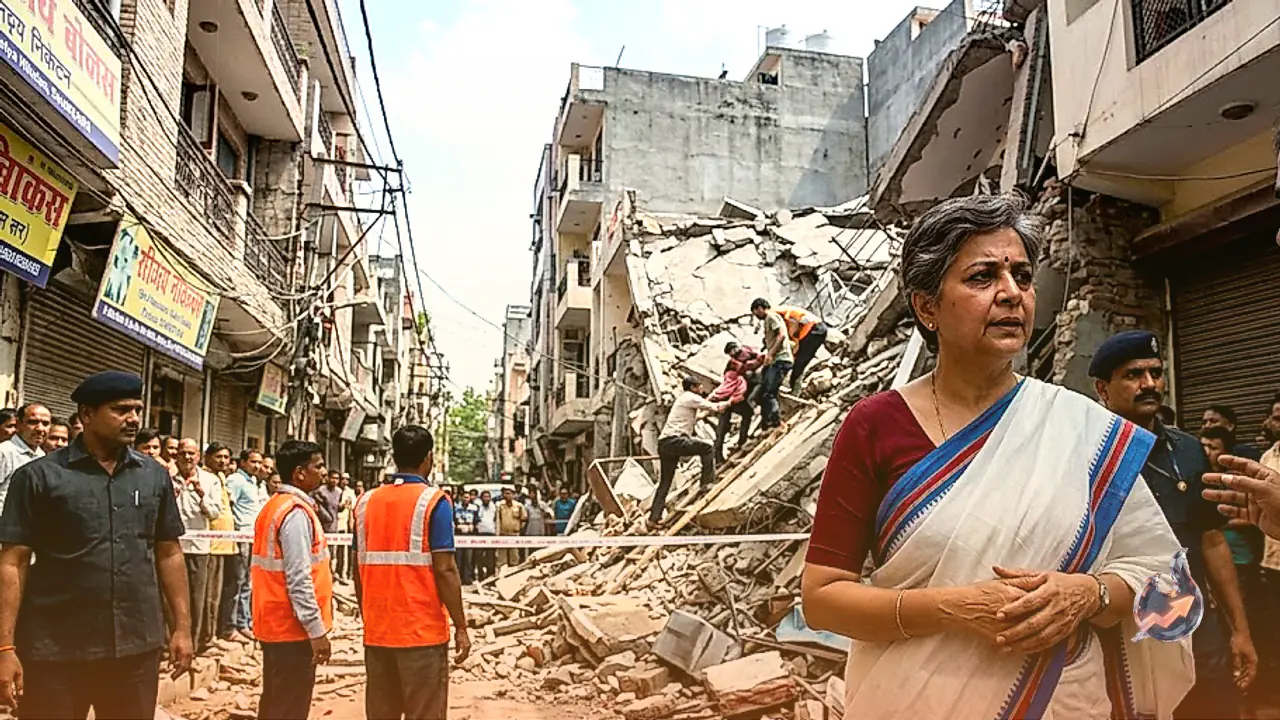
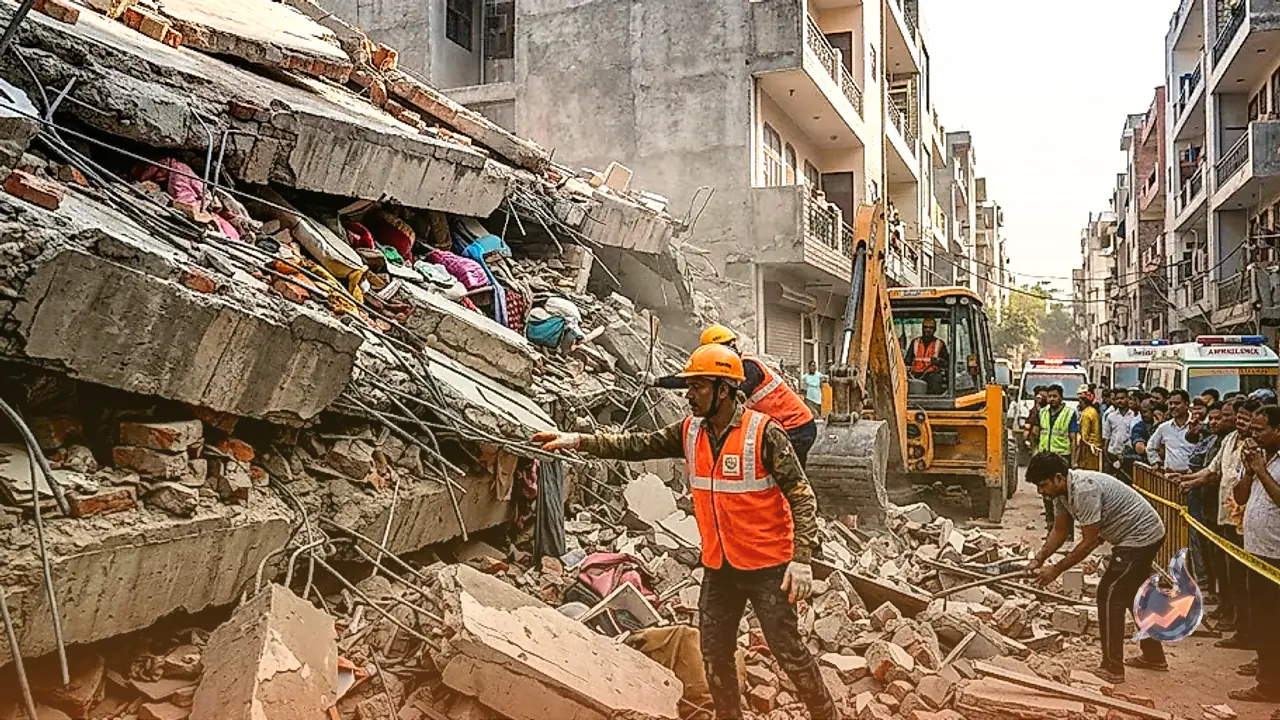
This rapid commercial growth in Satya Niketan also carries a deeply worrying side. On small plots of 100 to 200 square yards, buildings of 4 to 5 storeys were put up in the rush to squeeze in as many rooms as possible, often without solid foundations and without building plans approved by the municipal corporation, or MCD. Safety norms, fire safety rules and structural stability requirements were largely ignored in this race to maximise rental income. As a result, recent times have seen painful incidents of old, decrepit buildings collapsing in the area, a grim reminder of the risk hiding behind its buzzing streets and packed cafes.
Satya Niketan Today: Charm and Risk Side by Side
Today, Satya Niketan is counted among Delhi's most affordable and lively student neighbourhoods, with a PG, hostel or cafe tucked into nearly every lane. But behind that buzz lies a decades-old story of unplanned and illegal construction that is just as real. On one hand, the area offers students affordable lodging and a lively atmosphere close to their colleges, on the other, buildings put up without approved plans and without proper safety checks continue to ring alarm bells every so often.