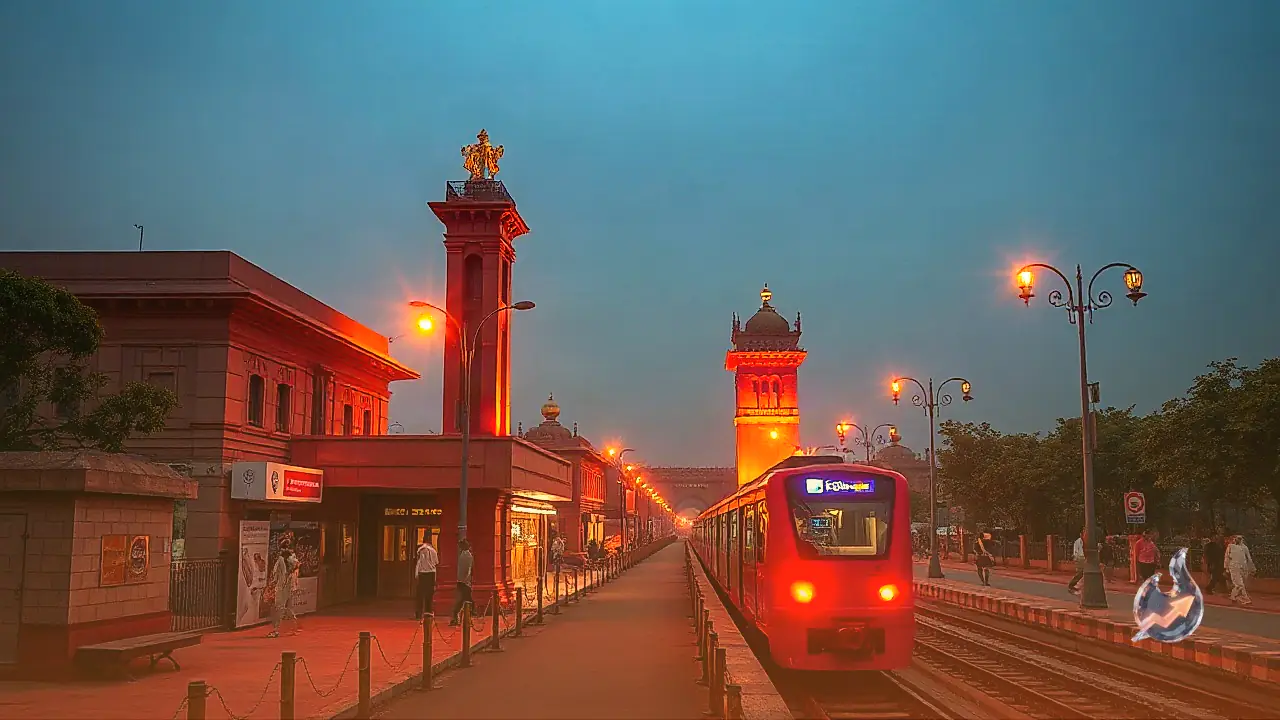





















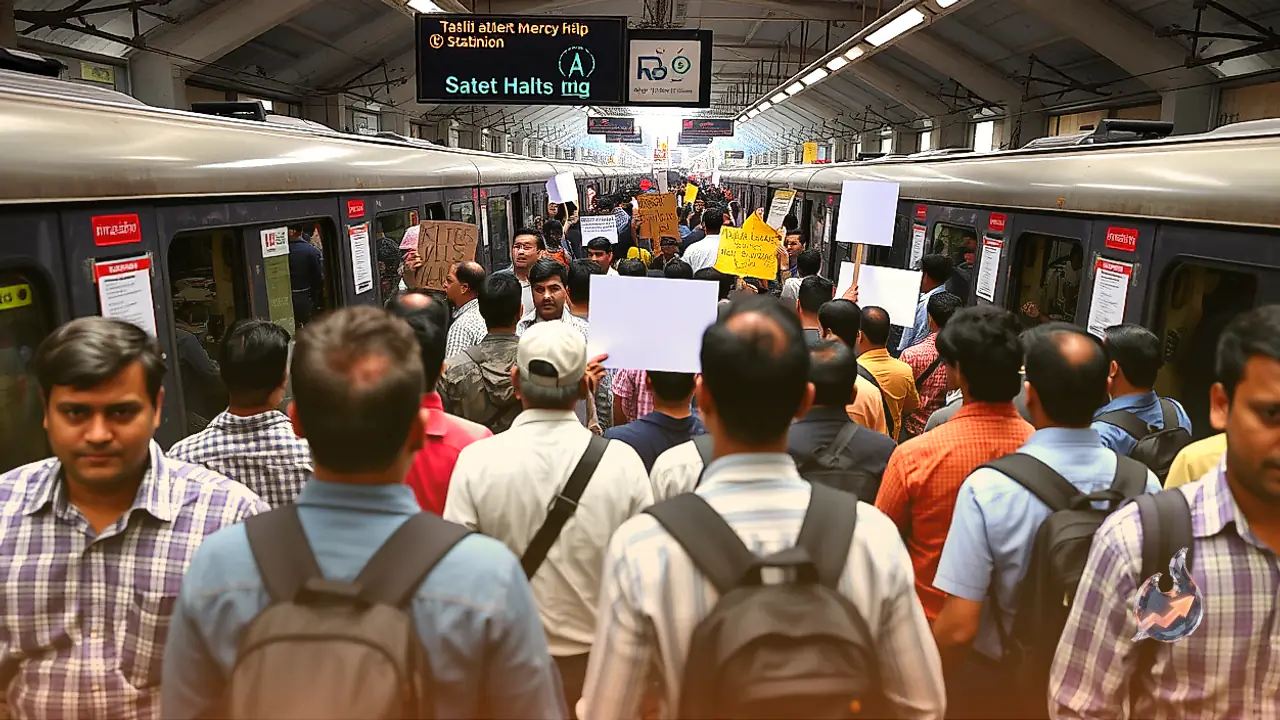

Passenger entry and exit points at 11 Delhi Metro stations have been temporarily shuttered across the national capital as security measures were intensified in response to widespread public demonstrations. The abrupt closures, executed in coordination with law enforcement agencies, aim to manage crowd density and preserve order, even as they triggered transit bottlenecks for thousands of commuters.
Heightened Vigilance Across Sensitive Zones
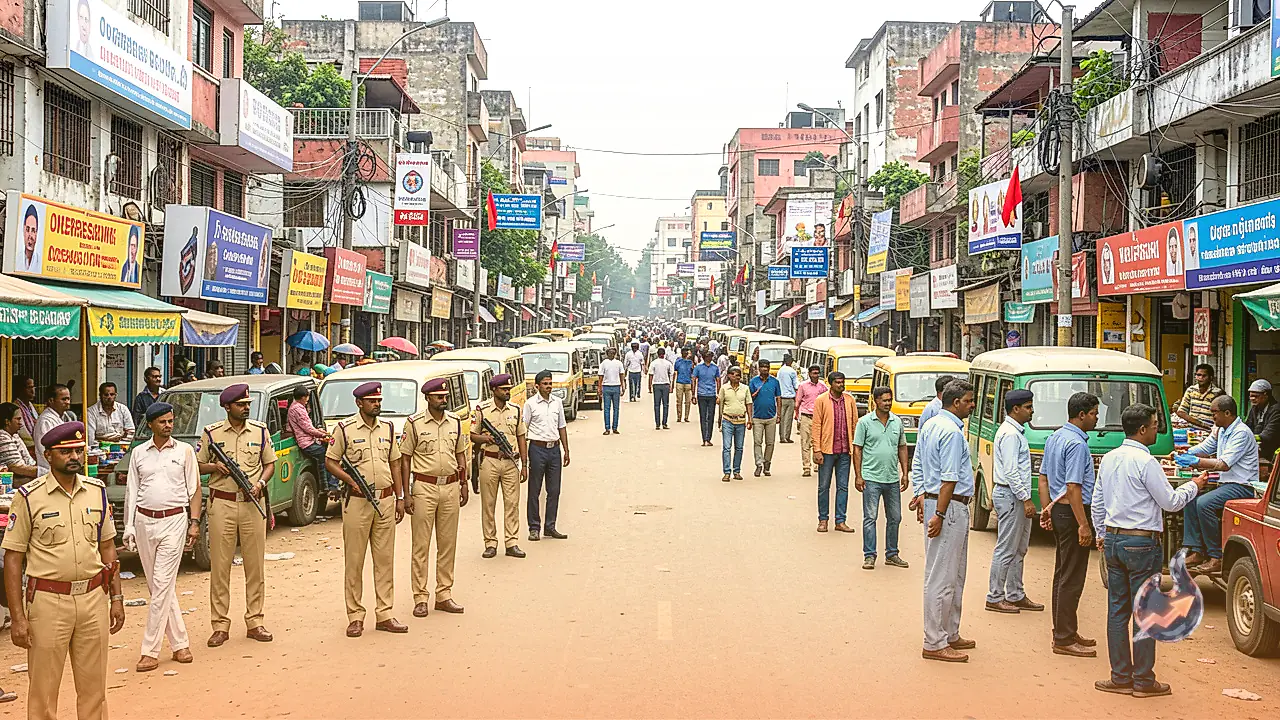
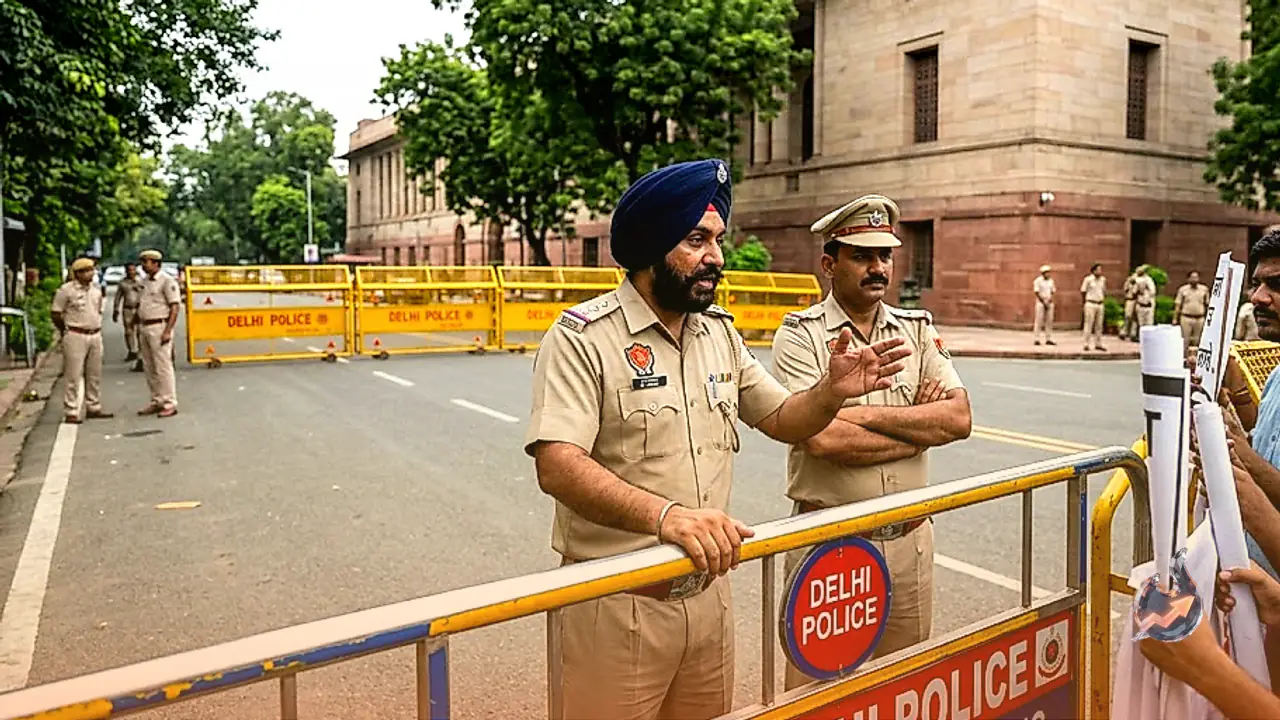
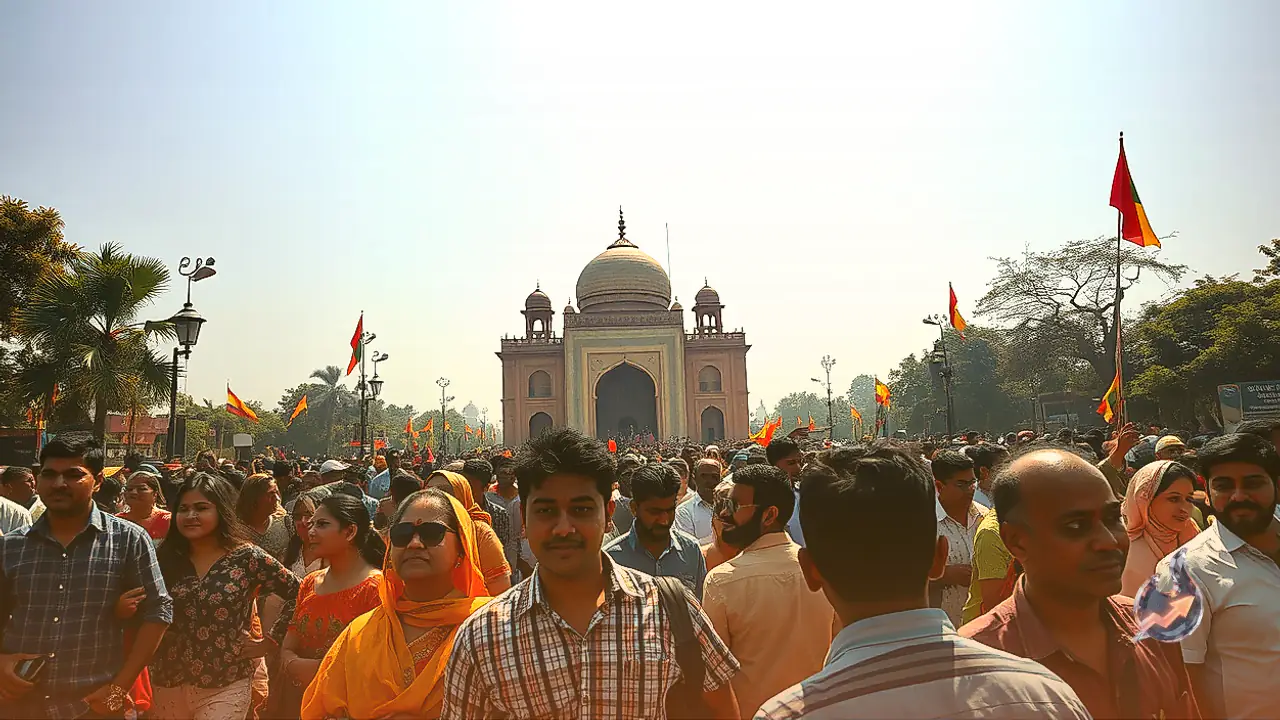
Security forces stepped up vigilance around core administrative districts and prominent protest hubs, including Jantar Mantar. Authorities placed barricades and reinforced personnel deployments around transit nodes to prevent large gatherings from using rapid transit lines to mobilize. Restricting station access remains a primary preventive measure during major capital demonstrations.
Daily Commuters Face Disruptions
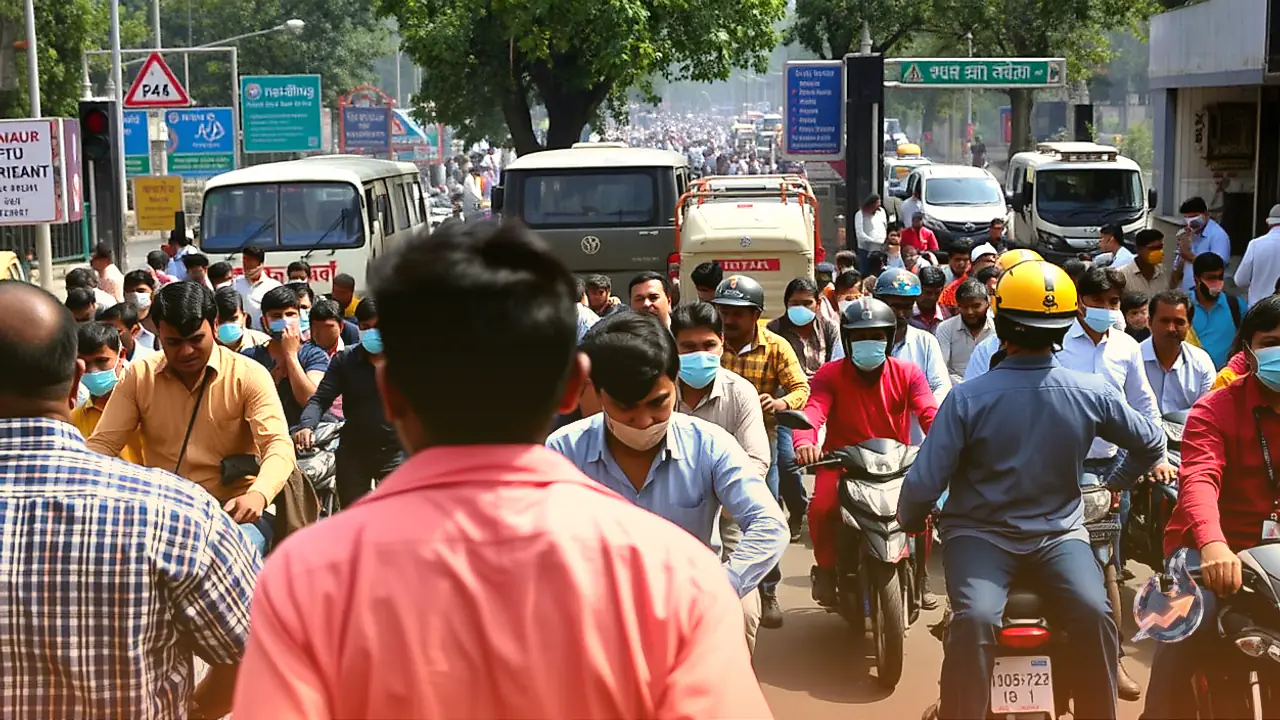
The gate closures caused immediate travel friction for office workers, students, and legal professionals traveling toward institutional corridors. With 11 stations unavailable for entering or boarding, adjacent operational terminals witnessed heavy passenger queues and prolonged delays. Displaced passengers turned to road transport and city buses, leading to localized vehicular congestion along several arterial stretches.
Continuous Assessment by Authorities
Transit officials and law enforcement teams continue to monitor operational stations and sensitive corridors throughout the network. Operations teams stated that gate restrictions will remain active until on-ground security assessments confirm stability, after which normal passenger movements will resume systematically.