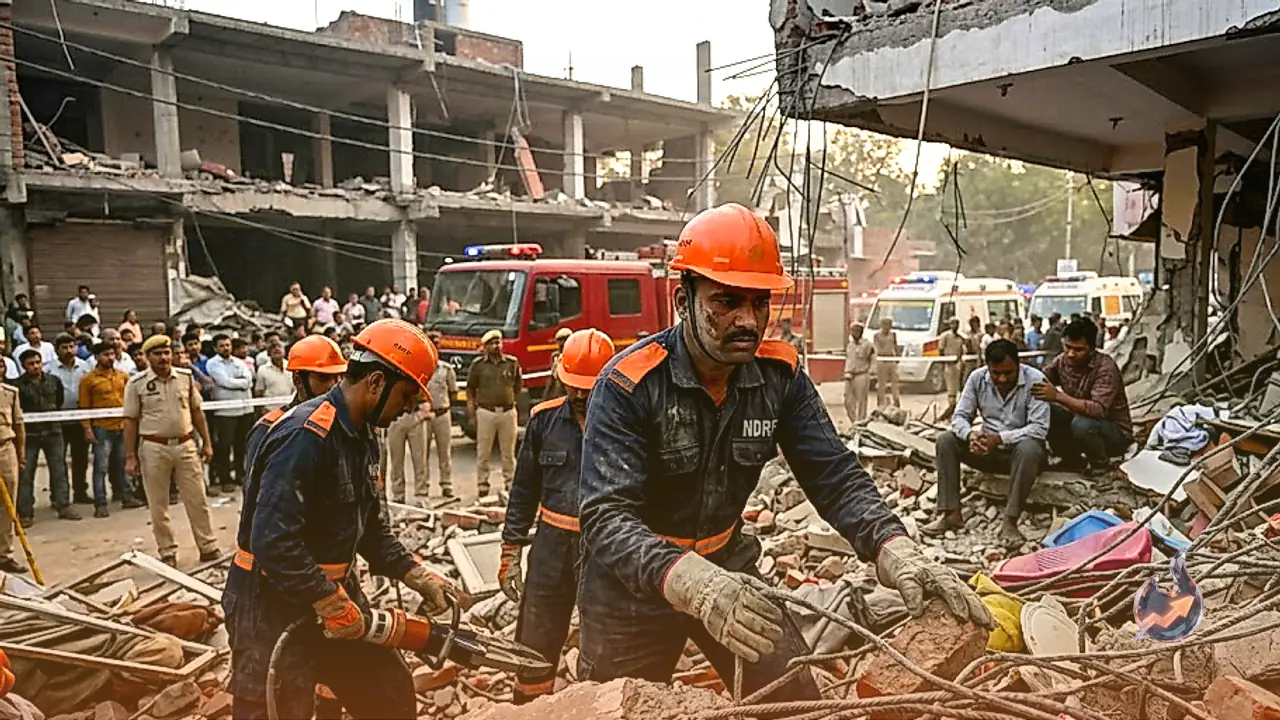























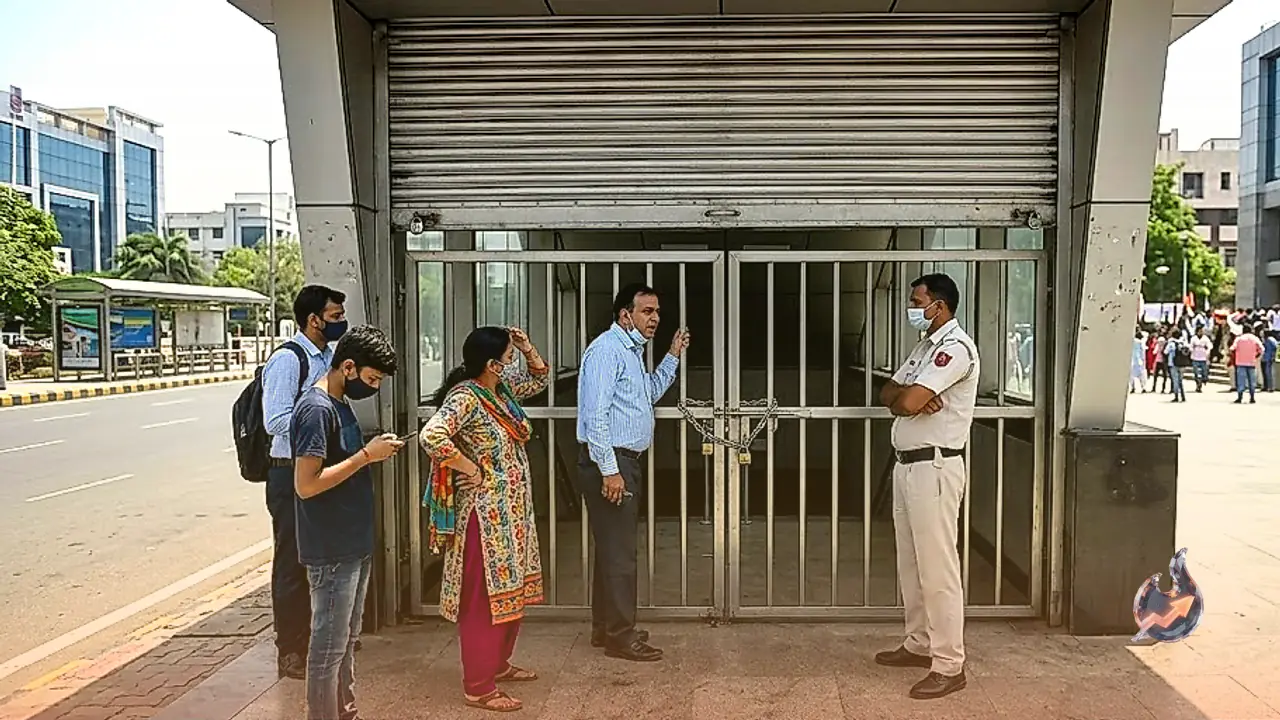

The ongoing protests at Delhi's Jantar Mantar over the NEET paper leak have escalated into severe clashes, prompting authorities to take drastic security measures. In response to the intensifying situation and recent violence that left several police officers injured, the Delhi Metro Rail Corporation (DMRC) has announced the immediate closure of sixteen key metro stations across the national capital. This sweeping restriction, effective from 7:30 AM on Thursday, aims to curtail the movement of demonstrators and maintain public order, remaining in place until further instructions are issued.
Violent Clashes Injure Police Personnel
The decision follows a particularly volatile Wednesday night, during which protesting crowds clashed aggressively with law enforcement personnel. The confrontation resulted in injuries to multiple police officials, including two Assistant Commissioners of Police (ACPs) and two Inspectors. The escalating hostility at the protest site has raised serious security concerns, forcing the administration to restrict access to central Delhi areas where government buildings and major landmarks are situated.
Commuter Disruptions and Closed Stations
Commuters traveling through the heart of the city will face significant disruptions due to these sudden transit changes. The sixteen stations completely sealed off for passenger entry and exit include Lok Kalyan Marg, Rajiv Chowk, Patel Chowk, Ramakrishna Ashram Marg, Barakhamba Road, Supreme Court, Sewa Tirth, Janpath, Mandi House, Central Secretariat, ITO, Delhi Gate, Indraprastha, Khan Market, Jor Bagh, and Shivaji Stadium. To mitigate the massive inconvenience caused to daily travelers, the DMRC clarified that internal interchange facilities will continue to function seamlessly at Rajiv Chowk, Mandi House, and Central Secretariat, allowing passengers to switch between different metro lines without exiting the station premises. The transit authority shared the full list of affected stations in an official post on X to warn the public about the severe disruptions.
Ministers Meet Activist Sonam Wangchuk
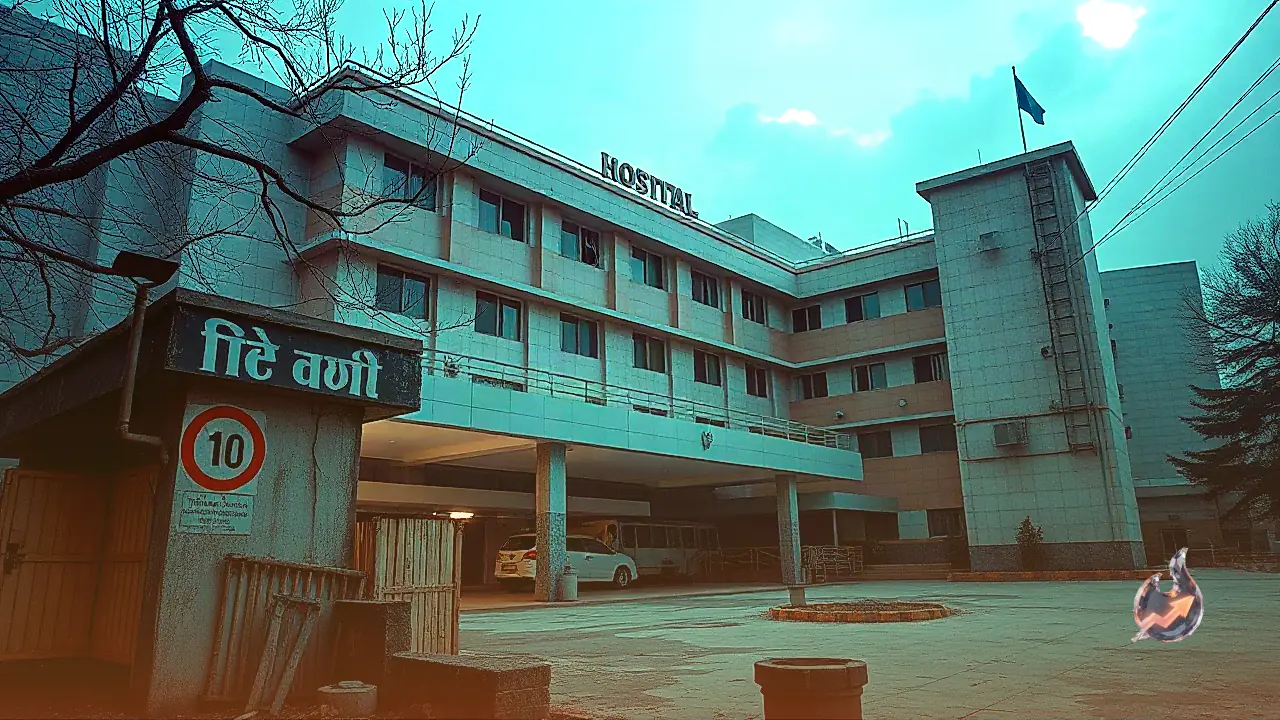
Amidst the chaos on the streets, parallel political efforts are underway to resolve the ongoing crisis. The central government has intensified its outreach to prominent activist Sonam Wangchuk, who has been on a hunger strike in solidarity with the protesting students. Authorities are actively appealing to him to end his fast and return to the mainstream dialogue. In a significant development on Tuesday, Union Ministers JP Nadda and Jitendra Singh visited the activist at Medanta Hospital to hold formal discussions and assess his health condition.
Conditions for Ending the Hunger Strike
During the high-profile hospital meeting, the government delegation provided strong assurances to Wangchuk, emphasizing that appropriate and decisive steps are currently being formulated to bring essential reforms to the education system. In response, the activist laid down specific conditions for calling off his hunger strike. Wangchuk clearly stated that he would only end his protest if the administration offers a concrete guarantee to halt the use of police force against the demonstrating students and immediately withdraws all legal cases filed against them during the agitation. The central leadership is now preparing a formal response to these demands, hoping to defuse the widespread anger over the NEET examination irregularities.