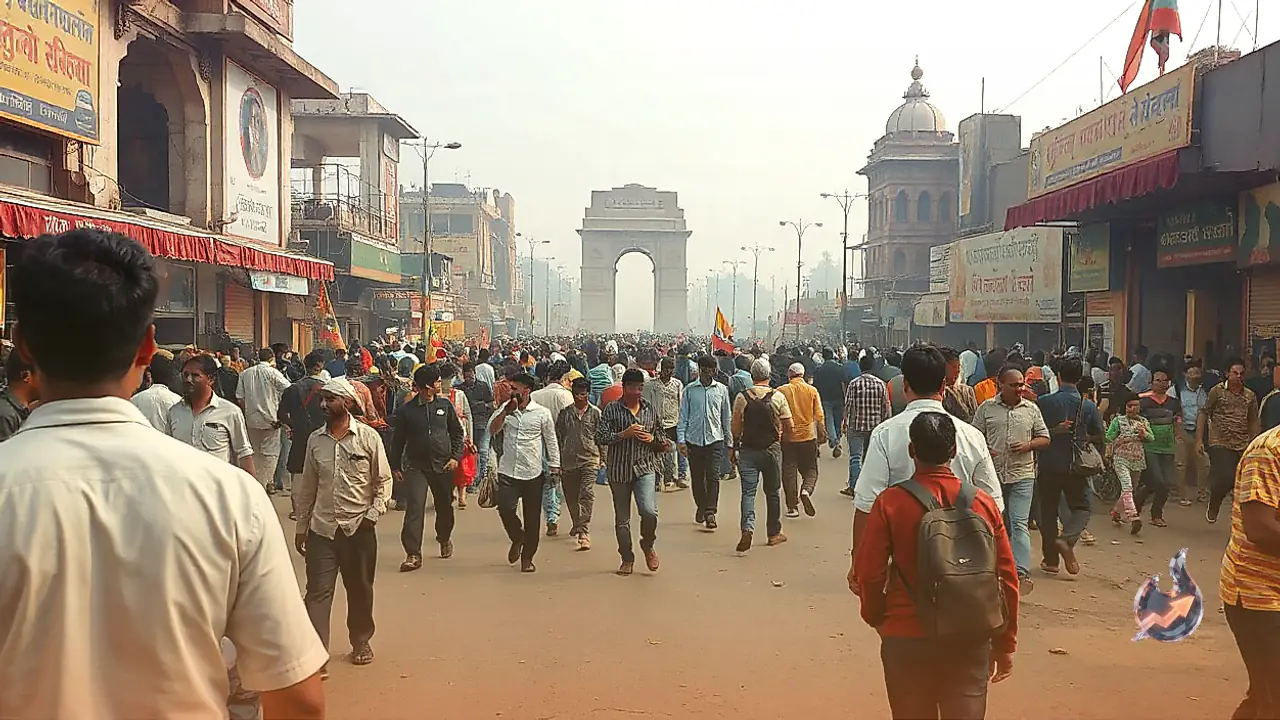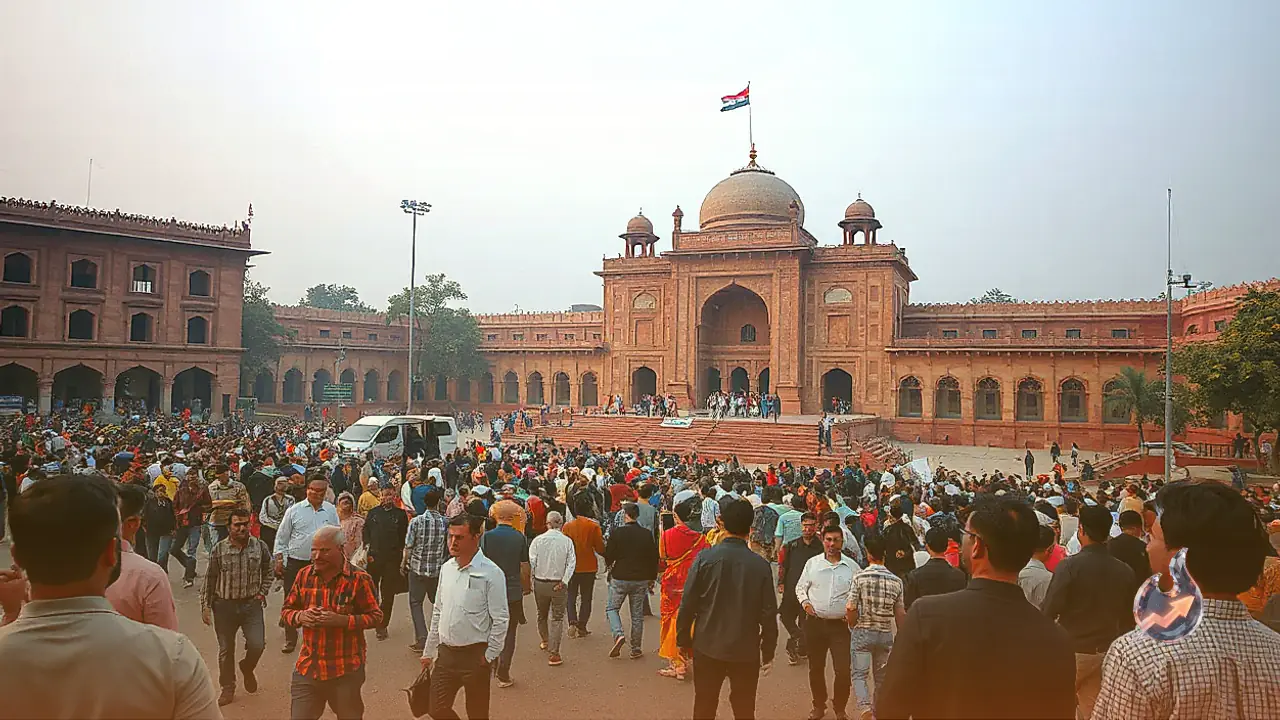
















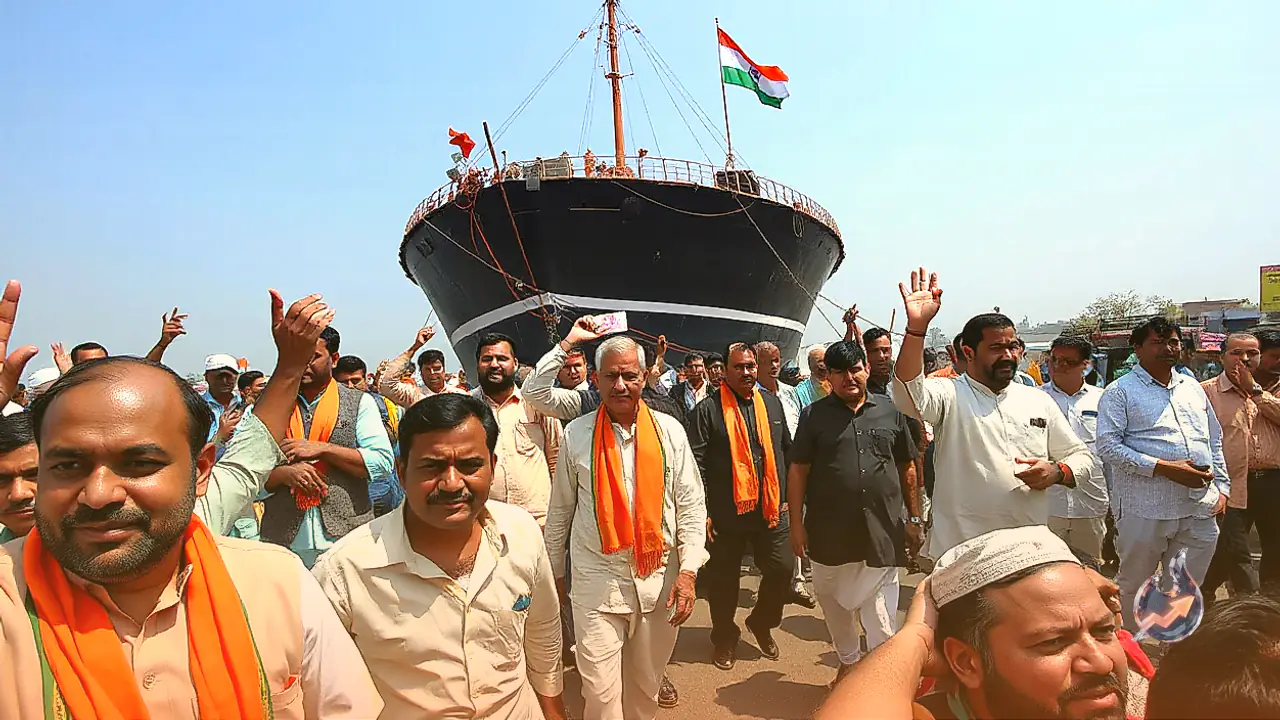

A sharp political debate has erupted following the mega rally organized by the opposition INDIA bloc at Delhi's iconic Ramlila Maidan. Launching a scathing attack on the gathering, Bharatiya Janata Party Member of Parliament Praveen Khandelwal described the event as a glaring symbol of the opposition's mounting frustration and despair. Comparing the grand old party to a sinking ship, he asserted that voters across the country have completely rejected Rahul Gandhi as an unsuccessful political figure, while pointing out significant economic losses caused by recurring street agitations.
Electoral Mandate and Consecutive Victories Highlighted
Praveen Khandelwal questioned the opposition narrative, stating that their leaders are desperately pursuing an illusion that will never turn into reality. He stressed that the people of India have repeatedly reaffirmed their faith in Prime Minister Narendra Modi, securing three consecutive Lok Sabha election victories for the ruling party. Following the national polls, the Bharatiya Janata Party has maintained an unprecedented winning streak in subsequent state assembly elections across various regions. According to the parliamentarian, this sustained success represents the sovereign mandate of the electorate, which holds the absolute authority to choose its representatives.
The lawmaker noted that when voters consciously decide to reject the Congress party and decline Rahul Gandhi's leadership, the opposition cannot deflect accountability onto external factors. He remarked that remarks made by party president Mallikarjun Kharge, Rahul Gandhi, or other senior alliance figures reflect sheer nervousness and disillusionment. In a vibrant democracy, ballot outcomes serve as the final verdict, and ignoring those outcomes through baseless public posturing yields no practical political gains.
Business Losses Exceeding Rs 550 Crore in Delhi
Focusing on the civic and economic consequences of political mobilizations, the BJP parliamentarian condemned efforts to foster an atmosphere of instability in the country. He noted that traders in the national capital and across the country are harboring deep resentment against recurring agitation drives. According to him, multiple protest demonstrations and blockades organized by the Congress during the crucial festive shopping window severely crippled marketplace activity.
Sharing financial estimates, Khandelwal stated that local retail and wholesale commerce in Delhi suffered a direct business hit exceeding Rs 550 crore during the festival period. Consequently, state exchequers witnessed an estimated revenue loss of around Rs 700 crore due to dampened trade transactions and logistical bottlenecks. In response to these commercial setbacks, business associations in Delhi have scheduled an emergency strategy conclave immediately after Diwali to decide how to respond to political groups that have disrupted merchant livelihoods.
Demand for Designated Agitation Sites on City Outskirts
Addressing structural solutions to prevent recurring urban disruption, Khandelwal highlighted a formal representation submitted by the Confederation of All India Traders. The apex trade body has urged Delhi Lieutenant Governor Sardar Taranjit Singh Sandhu to establish designated protest zones located strictly on the outer edges of the city. Such a zoning policy would ensure that democratic gatherings can occur without choking arterial market corridors or derailing normal civic life for everyday commuters.
Accusations of Appeasement and Internal Strife
Commenting on the kafir remark associated with former West Bengal Chief Minister Mamata Banerjee, Khandelwal claimed that her governance tenure in Bengal was marked by an overt focus on a single demographic segment. He argued that similar appeasement politics are being actively replicated by Samajwadi Party chief Akhilesh Yadav and Congress leader Rahul Gandhi.
Taking note of the alliance stage dynamics where Sonia Gandhi did not address the crowd despite speeches from other prominent leaders, the BJP MP remarked that this highlighted deep fissures inside the Congress apparatus. He claimed that committed functionaries feel increasingly isolated, while a culture of flattery and sycophancy dominates decision-making circles, naming figures such as Imran Masood, Salman Khurshid, and Jairam Ramesh. Khandelwal concluded that the party is weathering its steepest decline, adding that public discussions now increasingly point toward its eventual disappearance from India's active political landscape.