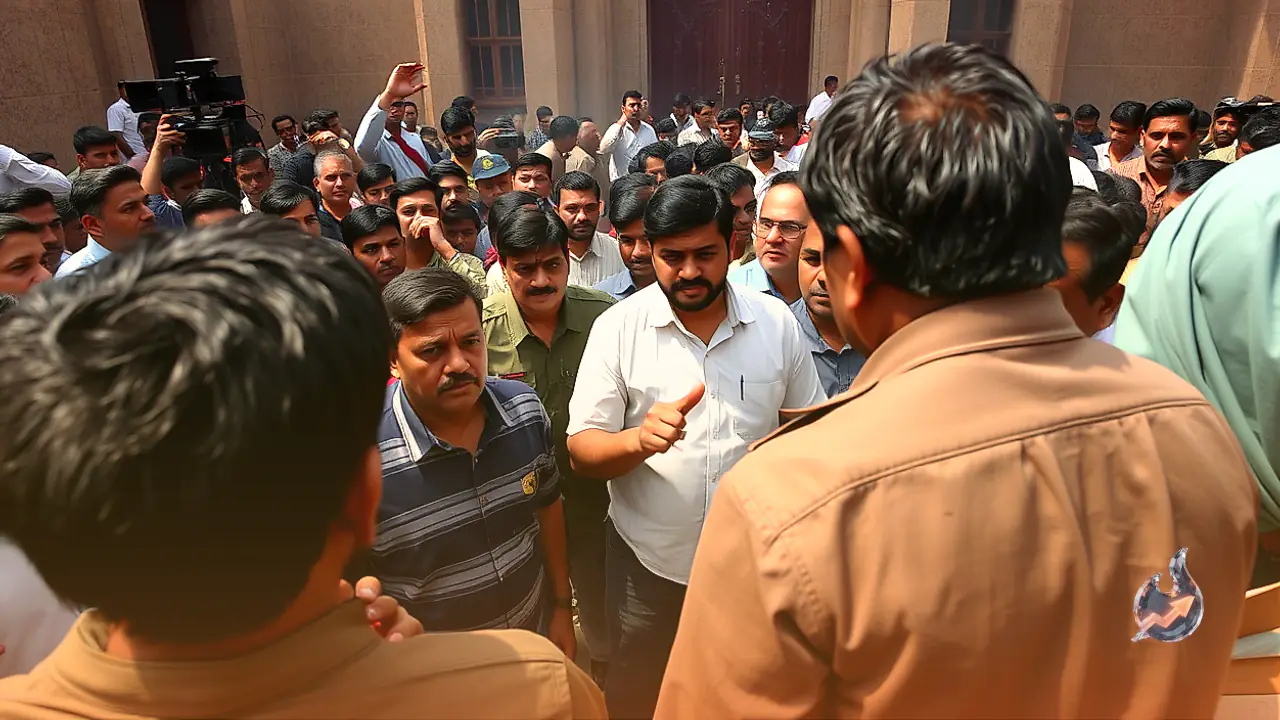






















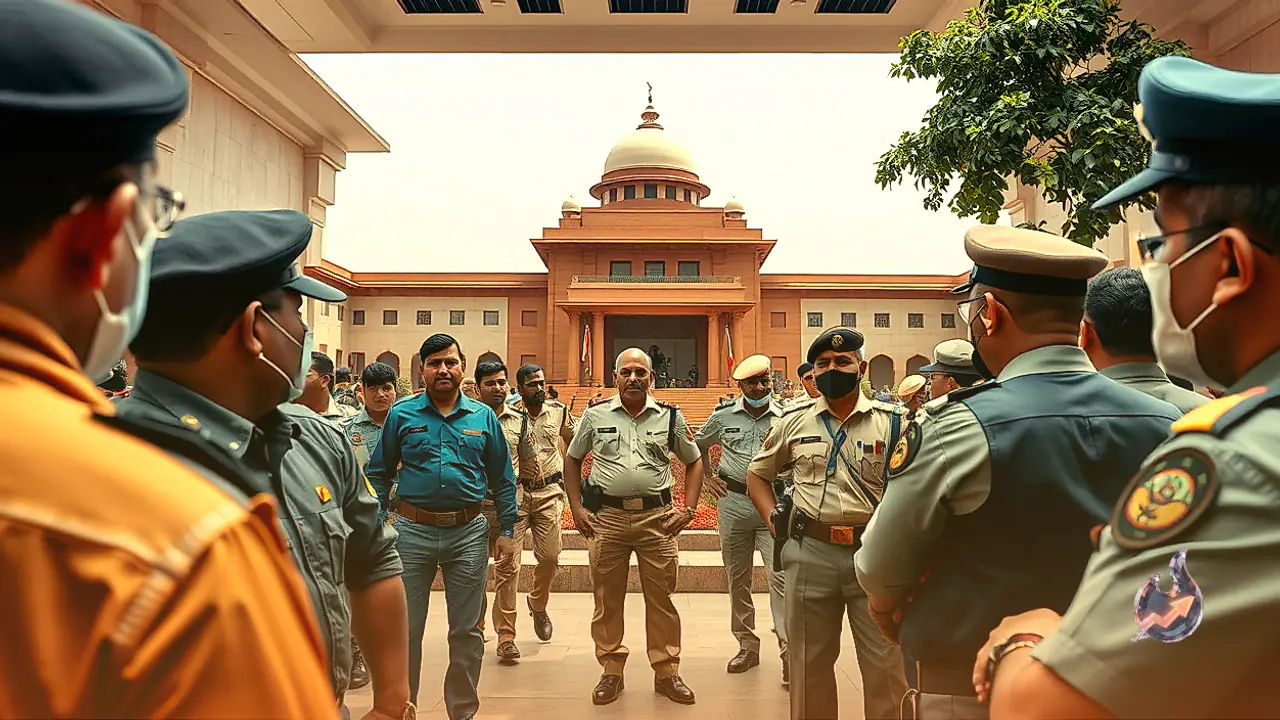

Addressing the alarming surge in cases of rape and sexual violence across the national capital and its adjoining regions, the Supreme Court initiated suo motu proceedings to examine structural failures in public safety. The bench emphasized that sexual assault is completely intolerable in any civilized society, observing that the central question before the judiciary and law enforcement is how to systematically prevent these horrific offenses. The court underscored that rather than simply stepping in after a tragedy has occurred, administrative machinery must prioritize aggressive deterrence and proactive ground interventions to root out sexual crimes altogether.
Monitoring War Rooms and Tracking Through Offender Database
During the proceedings, the top court questioned Delhi Police over the specific measures being deployed on the ground to stop crimes before they happen. The bench inquired whether there is any institutional mechanism or proposal to set up specialized crime-monitoring war rooms in Delhi. Highlighting existing precedents, the court observed that several High Courts have already established similar operational war rooms to monitor sensitive situations. Furthermore, the court urged law enforcement to make rigorous use of the National Database on Sexual Offenders. By systematically tracking individuals with past records or active suspicion of sexual offenses, police units could maintain continuous oversight and preempt repeat violations.
Inter-Agency Collaboration and Protecting Students Outside Campuses
The bench observed that achieving meaningful transformation on urban streets requires a unified front among diverse administrative and civic bodies. If every competent authority works in tight coordination with a shared focus, substantial improvements in public safety can be realized. Directing Delhi Police to scrutinize every contributing factor, the bench cautioned that the city should not witness a recurrence of such horrific crimes over the next four weeks. A significant portion of the hearing was devoted to safety around academic institutions. The court noted distressing submissions regarding the routine harassment of female college students, where groups of individuals deliberately stalk and intimidate young women near university premises without immediate intervention.
Crackdown on Unlicensed Food Kiosks and the 2012 Nirbhaya Parallel
Attention was drawn to the rampant proliferation of thousands of unauthorized roadside food stalls and kiosks operating across Delhi, which frequently turn into gathering points for rowdy and anti-social elements. Reports presented before the bench revealed that several such informal setups also illegally distribute alcohol to patrons. Responding to these revelations, Justice J.B. Pardiwala recalled the horrific 2012 Nirbhaya gang-rape case. He noted that official case records proved that the perpetrators had consumed food and alcohol at an establishment shortly before committing the heinous crime. Justice Pardiwala emphasized that these unregulated pockets cannot be ignored and warrant rigorous administrative crackdowns.
Ground Implementation and Overcoming Police Shortages
The Supreme Court reminded police leadership that elaborate strategies drafted exclusively on paper serve little purpose unless they are translated into visible, frontline policing. Emphasizing that officers must not hesitate to implement strict measures, the bench observed that while individuals may raise objections by citing Article 21, the fundamental duty of the police to protect citizens' lives and dignity remains absolute. The overriding objective must be the total eradication of rape and related violent crimes. Acknowledging existing manpower constraints, the court directed authorities to initiate fresh recruitment drives if numbers are deficient, alongside imparting modern training programs to personnel. While structural reinforcements will take time to materialize, interim preventative mechanisms cannot be compromised.
Building Fear of the Law and Festive Vigilance
Issuing clear directions to Delhi Police, the top court clarified that the measure of effective policing does not rest merely on tracking down and apprehending an accused person following a violent incident. While capturing and arresting perpetrators is necessary, genuine law enforcement lies in forestalling the commission of the crime itself. The court asserted that authorities must foster a street-level environment where prospective offenders harbor genuine fear of immediate apprehension. Furthermore, the bench sounded an alert regarding the festive window, noting that anti-social elements often exploit large crowds during celebrations like Diwali. Officers were instructed to maintain heightened alertness during these upcoming festivities.
Round-the-Clock Patrols and Proper Illumination in Public Spaces
To eliminate opportunities for street harassment, the court ordered relentless day-and-night surveillance across high-risk corridors in Delhi and the National Capital Region. Stating that institutional accountability is non-negotiable, the bench insisted on fixing clear responsibility among area commanders for lapses on their watch. The bench also addressed physical infrastructure deficits, directing that all public areas and neighborhood parks must have adequate, reliable lighting. The court indicated that it would ask Solicitor General Tushar Mehta to coordinate with municipal authorities to ensure complete illumination across public parks and dark streets, ensuring anti-social elements cannot take advantage of darkness to target women.