






















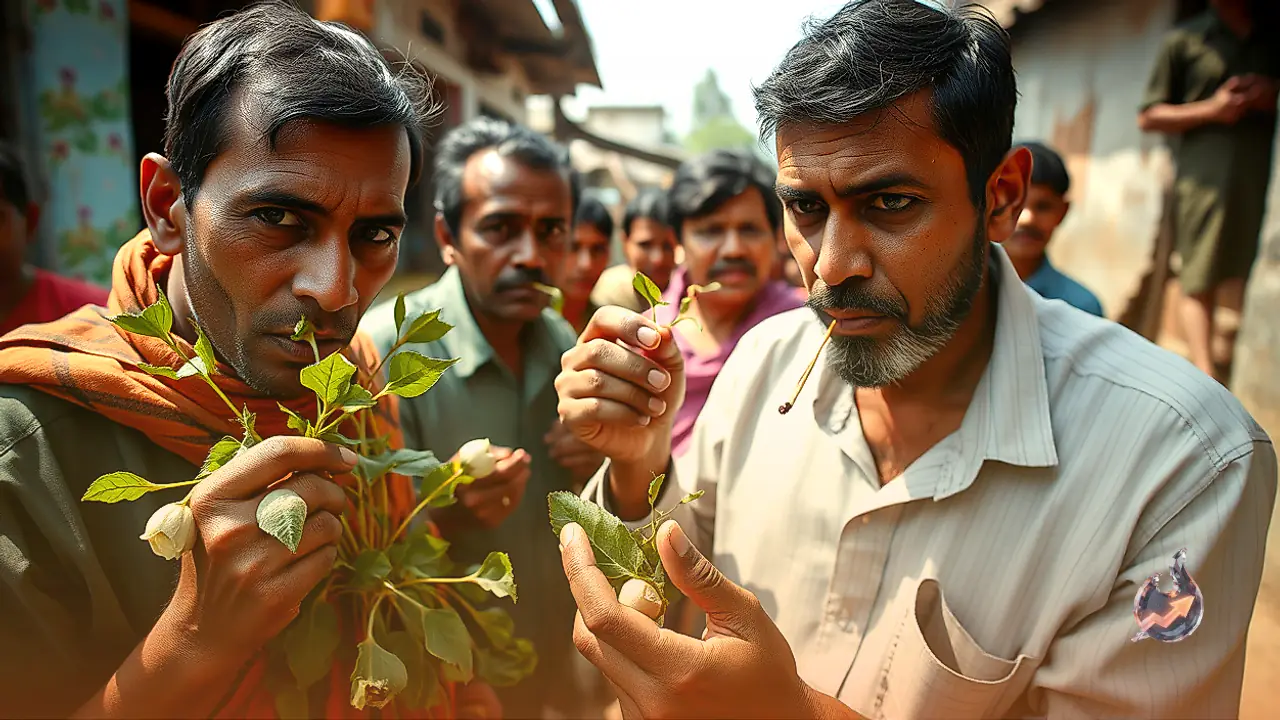

A tulsi plant is a staple across households in India, serving as both a revered spiritual symbol and a reliable home remedy during seasonal weather shifts. Families regularly prepare herbal teas, warm decoctions, and infused water using holy basil leaves to support immunity and well-being. Alongside its widespread use, however, elders frequently instruct family members never to chew these leaves directly with their teeth. This guidance is rooted not only in deep cultural reverence, but also in sound physiological and dental considerations.
Spiritual Reverence and Cultural Practices
In traditional customs, tulsi holds an exceptionally sacred position. Worshipped daily as a living deity, its leaves are offered directly to the divine during daily prayers and auspicious ceremonies. Out of profound devotion, chewing these sanctified leaves between the teeth is historically viewed as a mark of disrespect toward what is regarded as a sacred offering. Consequently, generations of families developed the habit of gently swallowing the leaves whole with water, preserving an attitude of reverence while partaking of the plant.
Impact on Tooth Enamel and Digestive Balance
Modern clinical perspective provides a practical health explanation that aligns with this traditional rule. AYUSH Medical Officer Dr. Mohammad Iqbal highlights that while tulsi has served as a potent medicinal herb for generations, chewing the raw leaves directly is not advisable. According to Dr. Mohammad Iqbal, tulsi foliage contains natural compounds such as mercury and mercuric acid. When an individual vigorously chews the fresh leaves, these active elements come into direct contact with the dental surfaces, posing a risk of eroding and damaging tooth enamel.
In addition to dental concerns, holy basil possesses naturally warm digestive properties. Dr. Mohammad Iqbal points out that consuming the leaves in heavy quantities can trigger abdominal discomfort and gastric upset in some individuals. For these reasons, health experts recommend skipping direct mastication altogether. Instead, incorporating the leaves into boiling tea, brewing them into an herbal decoction, or swallowing them alongside lukewarm water allows individuals to gain the therapeutic benefits while safeguarding dental health.
Proper Leaf Selection and Hygiene Practices
Safely utilizing holy basil requires strict attention to cleaning and selection prior to ingestion. Taking a leaf directly from the garden into the mouth should always be avoided. When harvesting foliage, inspect each leaf thoroughly to verify that it is free of insects, spiderwebs, fungus, and atmospheric dirt. Any leaf that appears wilted, rotten, or discolored should be discarded immediately without hesitation.
Only vibrant, firm, and fully healthy leaves should be gathered for consumption. After picking, rinse the leaves multiple times under clean running water to remove all traces of lingering surface residue and contaminants. Once thoroughly washed, the leaves can be safely steeped in boiling water, simmered for an herbal brew, or combined into daily wellness routines.
Moderation and Consultation for Ongoing Health Needs
Excessive consumption of any potent medicinal botanical can lead to unintended complications. Dr. Mohammad Iqbal emphasizes that tulsi should always be consumed in sensible, moderate amounts rather than in excess. Every individual possesses a distinct physiological profile and health history, meaning that a routine suitable for one person might cause discomfort for another.
Individuals who are currently managing existing chronic health conditions or taking prescribed medications must exercise extra caution. Before initiating daily, prolonged consumption of holy basil, it is essential to seek guidance from a qualified physician or healthcare professional. Understanding both traditional etiquette and proper preparation methods ensures that the plant promotes wellness without creating unexpected side effects.