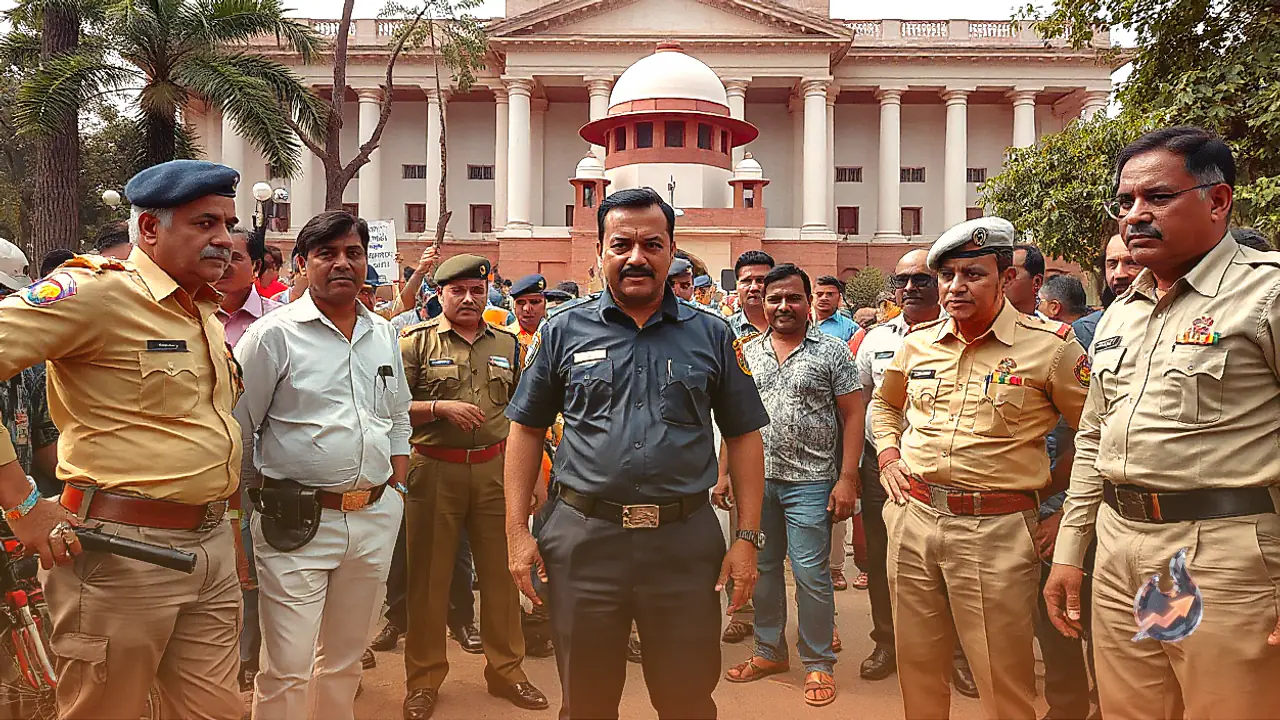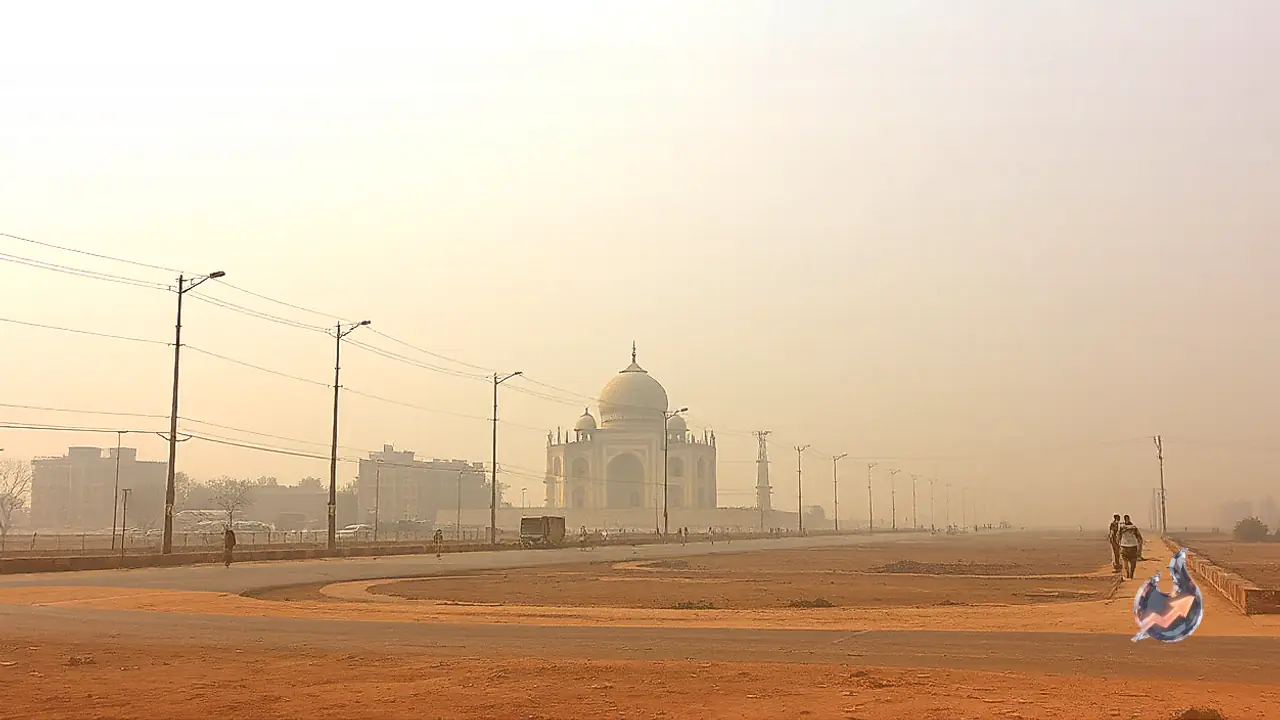
















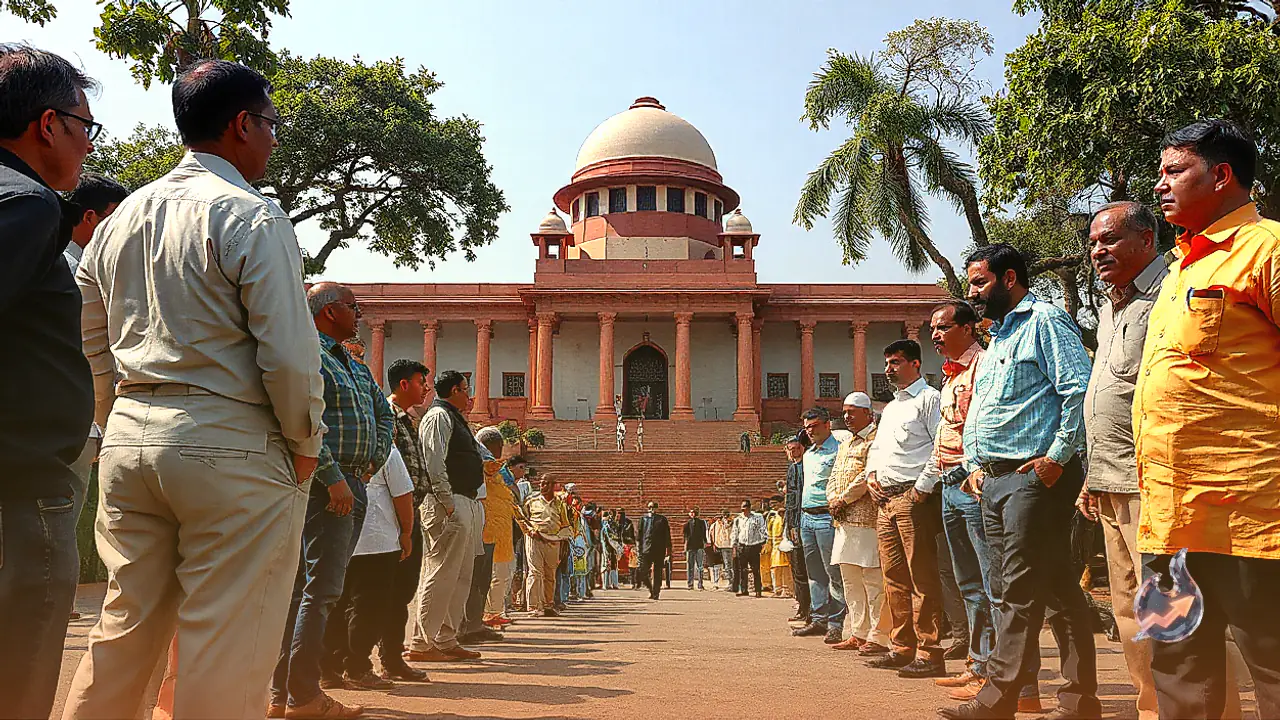

The toxic air enveloping the national capital region continues to take a severe toll on public health, with proceedings in the Supreme Court underscoring the alarming magnitude of the crisis. During a high-stakes hearing on the worsening air quality in Delhi and its surrounding areas, the effects of the pollution were starkly compared to inhaling the equivalent of 30 cigarettes every single day. The deteriorating situation prompted intense debate within the court as bench members scrutinized the ongoing management strategies.
Court Questions Outdated Approaches and Repeated Restrictions
Chief Justice (CJI) Surya Kant raised serious questions regarding the repetitive and short-term methods deployed to combat the pollution crisis. He noted that banning vehicles and halting construction activities are nothing more than outdated fire-fighting mechanisms that fail to address the root of the problem. Relying on temporary restrictions whenever pollution spikes annually does not offer a permanent solution. The bench pressed both the central government and relevant authorities to answer when concerted efforts will finally target the core sources of pollution, prompting extensive questioning on everything from agricultural stubble burning to vehicular emissions and public transport.
Three-Judge Bench Presides Over Air Quality Case
A specialized three-judge bench of the Supreme Court is currently hearing the pressing matters concerning air pollution in Delhi-NCR. Alongside Chief Justice Surya Kant, the bench comprises Justices Joymalya Bagchi and V. Mohana. Assisting the court, senior advocate and amicus curiae Aparajita Singh submitted that Delhi air remains dangerously close to the severe category. The situation has deteriorated to the extent that residents are experiencing physical strain and even voice issues, leading to the observation that the air quality feels comparable to smoking 30 cigarettes daily. While acknowledging that recent rainfall has marginally brought down pollution levels, the bench emphasized that while stubble burning is a contributing factor, transport and local pollution sources require equal and immediate attention.
Temporary Bans Fail to Provide Long-Term Relief
The court firmly reiterated that recurring temporary bans are no longer an effective strategy for tackling the crisis. Halting traffic and freezing construction work provide only fleeting relief without resolving the underlying structural issues. The judiciary stressed the critical need to identify distinct pollution sources and maintain continuous, rigorous oversight rather than resorting to seasonal curbs.
Stubble Burning Share and Broader Pollution Sources
Appearing for the central government, Additional Solicitor General (ASG) Aishwarya Bhati stated that stubble burning accounted for 14 percent of Delhi's pollution share on November 5. She noted that while Delhi is already heavily polluted, agricultural smoke significantly aggravates the hazardous conditions. Amicus curiae Aparajita Singh echoed these concerns, pointing out that vehicular traffic remains a massive contributor, alongside industrial fuel production and municipal waste burning.
Practical Hurdles in Stubble Management Despite Machinery
The hearing addressed practical challenges faced by farmers, noting that despite being provided with crop residue management machinery, several operational hurdles persist. Farmers often lack adequate fuel to run these heavy machines, and soaring fuel prices this year have added to the burden. Furthermore, utilizing such equipment on smaller landholdings remains economically unviable. In response, the court suggested that machinery should be handed over to village panchayats so multiple farmers can collectively utilize them.
Proposals for Advance Pricing and Storage Infrastructure
The bench recommended that purchase rates for stubble should be determined and announced well in advance. Farmers must be convinced that selling or utilizing crop residue is financially more rewarding than burning it. Additionally, the Supreme Court advocated for establishing proper storage infrastructure to facilitate systematic collection and open up commercial avenues for agricultural waste.
Traffic Congestion and Toll Plaza Concerns
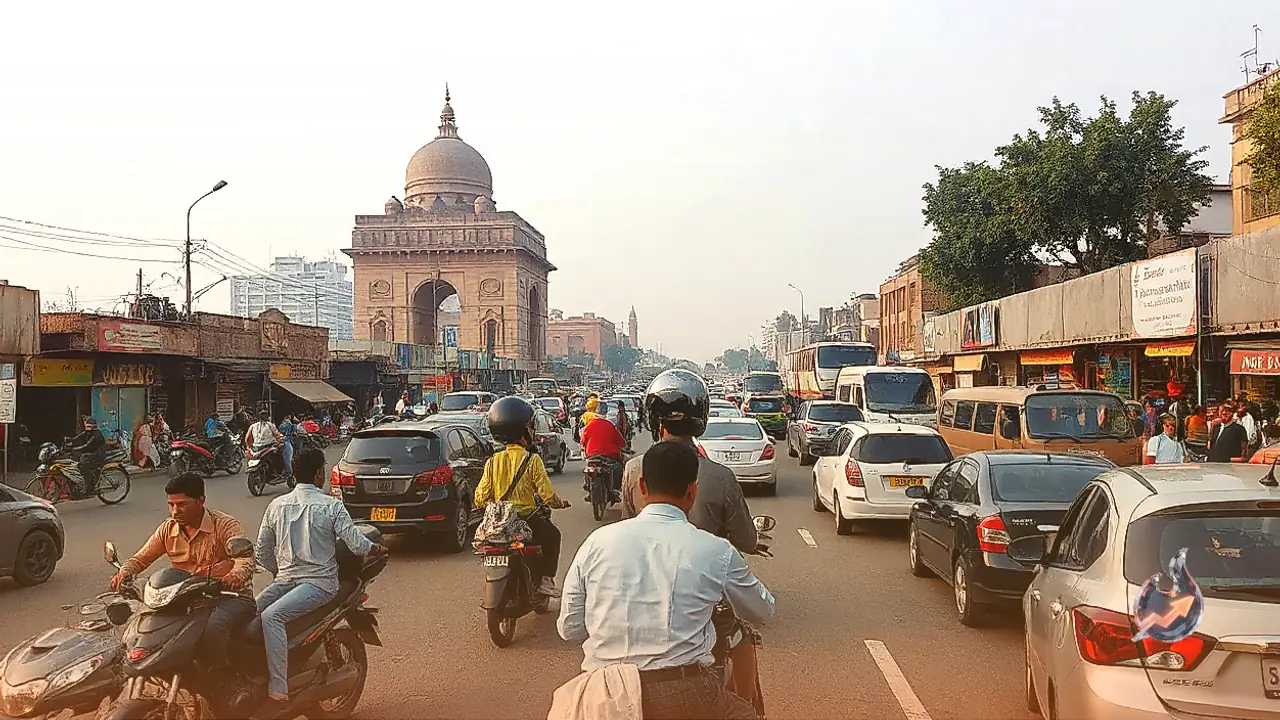
Chief Justice Kant highlighted the problem of bumper-to-bumper traffic congestion on roads connecting Delhi to the National Capital Region, pointing out that inadequate public transport further exacerbates the crisis. Aparajita Singh informed the court that previous directives prohibiting vehicles from idling with engines running for extended periods at toll plazas are not being strictly enforced. Commercial vehicles entering from the NCR frequently stall at borders, driving up local emission levels. Government representatives acknowledged that the complete implementation of these enforcement orders remains pending.